
A balanced approach to lawn care involves applying weed and feed products strategically, typically 2-3 times per year, with the exact timing dictated by your grass type and local climate. This foundational knowledge forms the bedrock of a healthy, vibrant lawn.
When considering a robust lawn care schedule, the question of how often to apply a “weed and feed” product is paramount for achieving a lush, weed-free expanse. This dual-action solution tackles both unwanted vegetation and provides essential nutrients for grass growth. However, over-application can harm your lawn, while under-application renders it ineffective. Let’s delve into the specifics to ensure your lawn receives the right treatment at the right time.
Image Source: www.canr.msu.edu
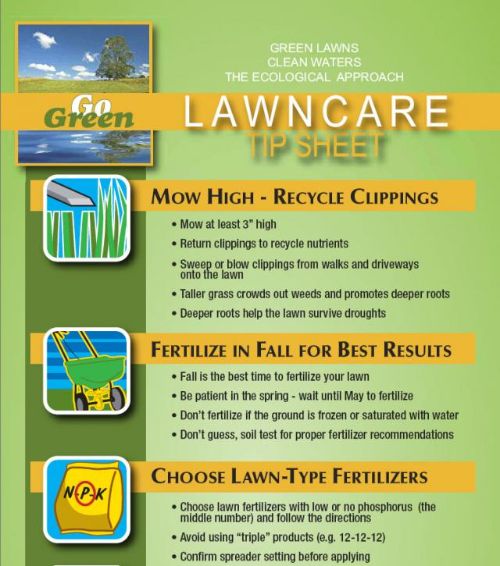
Fathoming the Fundamentals of Weed and Feed
Weed and feed products combine a herbicide to kill weeds with a fertilizer to nourish your grass. This convenient solution aims to simplify lawn maintenance. However, the effectiveness and safety of these products depend heavily on the weed control timing and the grass type fertilization requirements.
Components of Weed and Feed
- Herbicides: These chemicals target and kill broadleaf weeds (like dandelions and clover) or grassy weeds (like crabgrass). Some are selective, meaning they kill weeds but not grass, while others are non-selective and will harm any plant they contact.
- Fertilizers: These provide essential nutrients such as nitrogen (N), phosphorus (P), and potassium (K) to promote healthy grass growth, improve color, and increase resilience.
Why Timing Matters
The life cycles of both weeds and grass are crucial considerations. Weeds are often most vulnerable at specific stages of their growth, and grass needs nutrients during its active growing periods. Applying weed and feed at the wrong time can lead to:
- Ineffective weed control: The weeds may be too mature or not yet emerged.
- Damage to desirable grass: Applying herbicides when grass is stressed or actively growing can cause browning or injury.
- Wasted fertilizer: Applying nutrients when the grass isn’t actively using them can lead to runoff and environmental pollution.
Establishing Your Lawn Care Schedule: Key Seasons
A successful lawn care schedule isn’t a one-size-fits-all approach. It needs to be tailored to the changing seasons and the specific needs of your turf. The most critical times for weed and feed applications generally align with the active growth periods of both your grass and the common weeds in your area.
Spring Lawn Treatment: The Crucial Kickstart
Spring is a pivotal time for lawn rejuvenation. As the soil warms and grass begins to emerge from dormancy, it’s also when many common weeds start to sprout and grow.
The Best Time to Apply Weed and Feed in Spring
The best time to apply weed and feed in the spring is typically after the last expected frost and when the grass has had a chance to green up and start growing actively. Critically, the temperature should consistently be above 50-60°F (10-15°C) for the herbicide to be effective and for the grass to metabolize the fertilizer.
- Early Spring (March-April in many regions): This is often the ideal window. Many cool-season grasses (like Kentucky Bluegrass, Fescues, and Ryegrass) are actively growing. This timing also targets crabgrass and other annual grassy weeds as they germinate.
- Late Spring (May-June): If you missed the early window or if your region experiences a later spring, this can still be a good time. However, be cautious with broadleaf weed control in late spring as temperatures can become too high for some herbicides, potentially stressing the grass.
What to Consider for Spring Application
- Soil Temperature: The soil needs to be warm enough for weed seeds to germinate and for the herbicide to work effectively.
- Grass Health: Ensure your grass is actively growing, not dormant or stressed from winter.
- Weed Stage: The application is most effective when weeds are young and actively growing.
- Rainfall: Avoid applying right before a heavy rain, as it can wash the product away. Light watering after application can help activate the product, but check the product label.
Summer: A Time for Caution and Targeted Treatments
While some weed and feed products can be used in summer, it’s generally a less ideal time for broad application.
Why Summer Applications Require Care
- Heat Stress: High temperatures can stress grass, making it more susceptible to damage from herbicides.
- Dormancy: Warm-season grasses may enter dormancy during periods of extreme heat and drought, rendering fertilization less effective and potentially harmful.
- Weed Activity: Some weeds thrive in summer, but the risk of damaging your grass is higher.
If you must address weeds in summer, consider spot treatments with specific herbicides or a separate fertilizer application.
Fall Lawn Care: Preparing for Winter and the Next Season
Fall is the second most important season for fertilizing frequency and lawn care. It’s when cool-season grasses prepare for winter and begin storing energy for spring growth. Fall also presents an opportunity to combat perennial weeds that will return the following year.
The Best Time to Apply Weed and Feed in Fall
The best time to apply weed and feed in the fall is typically in early to mid-fall, generally September and October in most temperate climates. This timing is crucial for a couple of reasons:
- Cool-Season Grass Growth: Cool-season grasses are actively growing and can effectively absorb the nutrients and herbicides.
- Perennial Weed Control: Perennial weeds are drawing energy down into their root systems in the fall, making them highly susceptible to herbicides. This application helps control these persistent weeds for the following year.
- Soil Temperature: The soil is still warm enough for germination of any late-season weed seeds and for the product to work.
What to Consider for Fall Application
- First Frost: Aim to apply before the first hard frost.
- Leaf Cover: Ensure the product can reach the soil and the base of the weeds. Remove fallen leaves if they are thick.
- Grass Type: If you have warm-season grass, fall treatments will be different, focusing more on winter protection and preparing for dormancy.
Overseeding a Lawn: Integrating Treatments
If you plan on overseeding a lawn, it’s essential to be strategic about weed and feed applications.
- Weed and Feed Before Overseeding: Avoid applying any weed control products (including weed and feed) for at least 2-4 weeks before overseeding. The herbicides can prevent the new grass seed from germinating and establishing.
- Weed and Feed After Overseeding: You can generally apply a weed and feed product about 4-6 weeks after the new grass has germinated and has been mowed a couple of times. This allows the new seedlings to establish a stronger root system.
Grass Type Fertilization: A Critical Distinction
The grass type fertilization needs of your lawn are fundamental to determining fertilizing frequency and the appropriateness of weed and feed products. Different grass species have distinct growth cycles and nutrient requirements.
Cool-Season Grasses
These grasses (e.g., Kentucky Bluegrass, Fescues, Ryegrass) thrive in cooler temperatures and have two main growth spurts: one in spring and another in fall.
- Spring Application: Excellent for stimulating growth and controlling early-season weeds.
- Fall Application: Crucial for replenishing energy reserves and combating perennial weeds before winter.
- Typical Frequency: 2-3 applications per year are generally recommended, with the primary ones in spring and fall.
Warm-Season Grasses
These grasses (e.g., Bermuda, Zoysia, St. Augustine) prefer warmer temperatures and grow most vigorously in the summer months. They go dormant and turn brown in the winter.
- Spring Application: Wait until the grass has fully broken dormancy and is actively growing. This is usually in late spring or early summer.
- Summer Application: Fertilization is beneficial during the active summer growth period. Weed control might be needed but be cautious with herbicides during extreme heat.
- Fall Application: Generally avoid weed and feed in the fall for warm-season grasses. Focus on winterization treatments that don’t include herbicides unless specifically needed for dormant weeds.
- Typical Frequency: 2-3 applications per year, concentrated in late spring and summer.
Optimizing Your Lawn Maintenance Tips
Beyond the schedule, several lawn maintenance tips can maximize the effectiveness of your weed and feed applications and promote overall lawn health.
Soil Health: The Unsung Hero
Healthy soil health is the foundation of a great lawn.
- Soil Testing: Conduct a soil test every 1-2 years. This will reveal pH levels and nutrient deficiencies, allowing you to tailor your fertilization and adjust soil conditions appropriately. Most weeds thrive in poor soil conditions, so improving your soil is the first line of defense against them.
- Aeration: Core aeration helps relieve soil compaction, improving air, water, and nutrient penetration to the roots. This is especially beneficial before applying fertilizers or overseeding.
- Topdressing: Adding a thin layer of compost can improve soil structure, fertility, and moisture retention.
Watering Wisely
- Deep and Infrequent: Water your lawn deeply but less often. This encourages deeper root growth, making the grass more drought-tolerant and resilient.
- Morning Watering: Water in the early morning to minimize evaporation and reduce the risk of fungal diseases.
- Post-Application Watering: Follow product instructions regarding watering after application. Some products require watering to activate, while others can be washed away by rain too soon.
Mowing Practices
- Mow High: Cutting your grass at the higher end of the recommended range for your grass type helps shade out weed seeds and promotes deeper root growth.
- Sharp Mower Blades: Dull blades tear grass, leaving it susceptible to disease. Keep your mower blades sharp.
- Don’t Remove Too Much: Never remove more than one-third of the grass blade length in a single mowing.
Integrated Pest Management (IPM)
- Identify Weeds: Know the types of weeds you’re dealing with to choose the most effective treatments.
- Spot Treatment: For scattered weeds, consider spot-treating with a targeted herbicide rather than applying a blanket weed and feed product.
- Healthy Turf: A dense, healthy lawn is the best defense against weed invasion.
Common Scenarios and Considerations
Let’s address some common questions and scenarios related to weed and feed applications.
Can I Apply Weed and Feed When Weeds Are Already Established?
Yes, but with caveats. The effectiveness depends on the weed’s life cycle and the product used. Most weed and feed products are most effective on young, actively growing weeds. If weeds are mature or have gone to seed, a separate, more targeted herbicide treatment might be necessary.
What If My Lawn Has Bare Patches?
If your lawn has significant bare patches, applying a weed and feed product before addressing these areas might not be the best approach. Focus on soil preparation and overseeding a lawn first. Wait until the new grass is established before applying weed and feed.
What About Different Weed Types?
Weed and feed products are generally formulated to target common broadleaf weeds. If you have specific grassy weed issues (like crabgrass or nutsedge), you might need a product with a specific pre-emergent or post-emergent herbicide designed for those particular weeds.
My Lawn is Newly Seeded. Can I Use Weed and Feed?
No, never apply weed and feed to a newly seeded lawn. The herbicides will kill the delicate grass seedlings. Wait at least 4-6 weeks after germination and the first few mowings before considering any lawn treatments.
Choosing the Right Weed and Feed Product
With a variety of products on the market, selecting the right one is important.
Read the Label Carefully
The product label is your most important guide. It will specify:
- Targeted Weeds: What types of weeds the product is effective against.
- Grass Types: Which grass types the product is safe for.
- Application Timing: Recommended seasons and conditions.
- Application Rates: How much to apply per square foot.
- Precautionary Statements: Safety measures and potential risks.
Pre-Emergent vs. Post-Emergent
- Pre-emergent Herbicides: Applied before weed seeds germinate, preventing them from growing. Often used in early spring for crabgrass.
- Post-emergent Herbicides: Applied to actively growing weeds to kill them. Most weed and feed products contain post-emergent herbicides.
Fertilizer Analysis (N-P-K)
The numbers on the fertilizer bag (e.g., 20-5-10) represent the percentage of nitrogen, phosphorus, and potassium. Your grass type fertilization needs will dictate the ideal ratio. Spring applications often benefit from higher nitrogen for green growth, while fall applications might benefit from higher potassium for root development and winter hardiness.
Frequently Asked Questions (FAQ)
Q1: How many times a year should I generally apply weed and feed?
A: For most cool-season grasses, 2-3 times a year is typical, with key applications in spring and fall. Warm-season grasses are typically treated 2-3 times during their active growing season (late spring through summer).
Q2: When is the absolute best time to apply weed and feed?
A: The ideal time is when your grass is actively growing and temperatures are consistently between 50-60°F (10-15°C), and weeds are young and actively growing. This often means early spring and early fall for cool-season grasses.
Q3: Can I apply weed and feed on wet grass?
A: Always check the product label. Some weed and feed products are designed to be applied to dry grass, with watering to follow. Others may be applied to damp grass. Applying to excessively wet grass can sometimes dilute the product too much or increase the risk of it sticking to grass blades and causing burn.
Q4: What if it rains soon after I apply weed and feed?
A: This depends on the product. Many products require a certain amount of time on the plant or soil to be effective. If it rains heavily shortly after application, you may need to reapply. Check the product label for specific rain-fastness information.
Q5: Is it okay to use weed and feed on a lawn with flower beds nearby?
A: Be extremely careful. Herbicides can drift and damage or kill desirable plants. Use a shield or avoid application near sensitive areas. Consider spot treatments for weeds in these zones.
Q6: My lawn has clover. Will weed and feed kill it?
A: Most broadleaf weed controls in weed and feed products are effective against clover. However, clover is a legume and can actually fix nitrogen in the soil, so some people choose to tolerate it.
Q7: What should I do after applying weed and feed?
A: Follow the product label. This usually involves avoiding watering for a certain period if the product is designed to stick to weeds. Also, wait to mow for a few days after application if the product is designed to be absorbed by the weed’s foliage.
Q8: Can I apply weed and feed on a dormant lawn?
A: It’s generally not recommended. Herbicides are less effective on dormant plants, and fertilizers won’t be utilized. Wait until the grass is actively growing.
By carefully considering your grass type, local climate, and the life cycles of weeds, you can develop an effective lawn care schedule that includes strategic applications of weed and feed. Prioritizing soil health and following best practices for watering and mowing will further contribute to a beautiful, healthy lawn year after year.