
Dead spots in your lawn can be frustrating, but thankfully, they can be treated quickly and effectively. Treating dead spots in a lawn involves identifying the cause, preparing the area, and re-seeding or sodding.
Brown patches and lawn bare spots are common lawn problems. They can appear suddenly and leave your otherwise beautiful lawn looking unsightly. But don’t worry, these issues are usually fixable. We’ll walk you through how to tackle dying grass, grass disease, and other common culprits behind these unwelcome visitors.
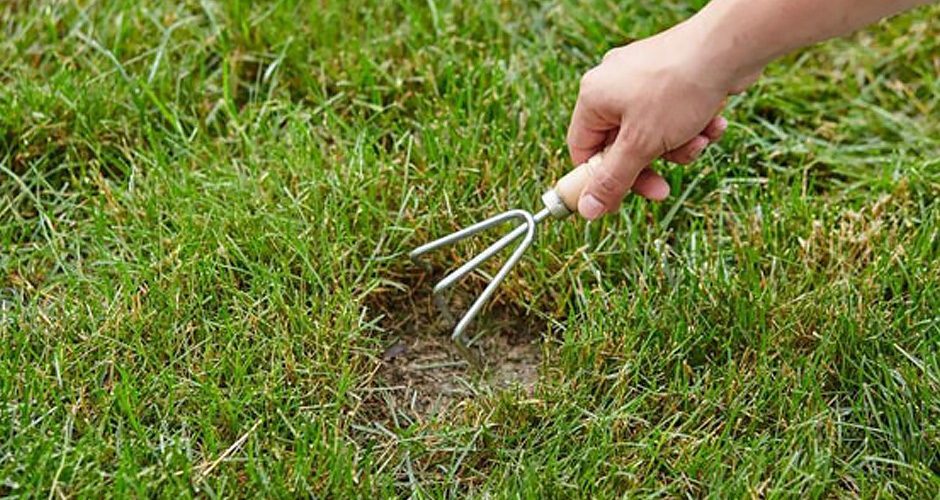
Image Source: contentgrid.homedepot-static.com
Figuring Out Why Your Lawn Has Dead Spots
Before you can fix dead spots, you need to know what’s causing them. Many things can lead to these patches. Some common reasons include:
- Animal Urine: Especially from dogs.
- Grubs in Lawn: These are beetle larvae that eat grass roots.
- Thatch Buildup: A thick layer of dead grass that blocks water and air.
- Lawn Fungus (Grass Disease): Fungal infections can spread quickly.
- Heavy Foot Traffic: Compacting the soil.
- Poor Watering: Too much or too little water.
- Sun or Shade Issues: Some grasses don’t do well in constant shade or intense sun.
- Soil Compaction: Makes it hard for roots to grow.
Spotting the Culprits
Let’s look closer at some of these common issues:
Dog Urine Spots
If you have a dog, you’ve likely seen those distinctive, often circular, brown spots. Dog urine is high in nitrogen, which can burn the grass.
What to do:
- Water immediately: As soon as you notice your dog urinating on the lawn, water the spot heavily. This dilutes the urine.
- Train your dog: Encourage your dog to use a designated area.
- Repair: Once the spot is dry, you might need to rake the area and re-seed.
Grubs in Lawn
Grubs are the white, C-shaped larvae of various beetles. They live in the soil and feed on grass roots. This is a major cause of lawn bare spots. You might see the grass lift up easily, like a carpet, because the roots are gone.
Signs of grubs:
- Irregular brown patches.
- Spongy feel to the lawn.
- Increased bird or animal activity (they eat grubs).
What to do:
- Check for grubs: Dig up a small section of turf. If you see more than 5-10 grubs in a square foot, you likely have a problem.
- Treatment: Use a grub control product. There are chemical and organic options. Apply in late summer or early fall for best results.
- Repair: After treatment, you’ll still need to repair the damage.
Thatch Buildup
Thatch is a layer of dead and living grass stems, roots, and debris that accumulates on the soil surface. A thin layer (less than half an inch) is normal and can be beneficial. But when it gets too thick, it can choke the grass, prevent water and nutrients from reaching the roots, and create a perfect home for pests and diseases.
Signs of thatch buildup:
- A spongy, springy feel to the lawn.
- The lawn may look dull and unhealthy.
- Difficulty getting water or fertilizer to the soil.
What to do:
- Dethatch: Use a dethatching rake or a power dethatcher. This pulls up the excess thatch. Do this in the fall or spring when the grass is actively growing.
- Aeration: After dethatching, aeration is highly recommended.
Dealing with Grass Disease and Lawn Fungus
Many types of lawn fungus can cause brown patches and dying grass. These often thrive in specific weather conditions.
Common lawn diseases:
- Dollar Spot: Small, silver-dollar-sized dead spots.
- Brown Patch: Circular patches that can grow several feet wide.
- Red Thread: Pinkish-red threads on grass blades, often during cool, wet weather.
- Fairy Ring: Rings of mushrooms or darker green grass.
What to do:
- Identify the disease: This can be tricky. Look for specific patterns and symptoms. Sometimes a picture or a local garden center expert can help.
- Improve lawn health: Healthy lawns are more resistant to disease. This means proper watering, fertilizing, and aeration.
- Fungicides: Use a fungicide if the problem is severe. Follow product instructions carefully. Apply when you first notice signs of the disease.
Other Common Causes
-
Poor Watering:
- Too little: Grass turns brown and dry, wilting.
- Too much: Can lead to root rot and fungal diseases.
- Solution: Water deeply and less often. Aim for about 1 inch of water per week, including rainfall. Water in the early morning.
-
Over-fertilization: Too much fertilizer can burn the grass.
- Solution: Follow fertilizer bag instructions carefully. Apply when the grass is dry, and water it in afterward.
-
Compacted Soil:
- Solution: Aeration is key here.
How to Repair Dead Spots in Lawn Fast: A Step-by-Step Guide
Once you’ve identified the cause, it’s time for lawn repair. Here’s how to fix those frustrating dead spots.
Step 1: Clear the Area
- Remove dead grass: Rake out all the dead grass and debris from the dead spot. This is important for new seed to make contact with the soil.
- Loosen the soil: Use a rake or a small trowel to loosen the top inch of soil. This helps with drainage and makes it easier for new roots to grow. If the soil is very hard, you might need a garden fork.
Step 2: Amend the Soil (If Needed)
- Check soil pH: If you suspect poor soil quality, get a soil test.
- Add compost: Mix in some good quality compost or topsoil. This improves soil structure, fertility, and moisture retention.
Step 3: Choose Your Repair Method
You have two main options for repairing lawn bare spots: seeding or sodding.
Option A: Seeding
Seeding is generally more cost-effective and offers a wider variety of grass types.
What you’ll need:
- Grass seed (choose a type that matches your existing lawn)
- Starter fertilizer
- Rake
- Watering can or hose with a gentle spray nozzle
Best time to seed: Fall is usually the best time for cool-season grasses. Spring is good for warm-season grasses.
How to seed:
- Select the right seed: Use a grass seed blend that matches your existing lawn’s type and color. Look for “weed-free” seed.
- Spread the seed:
- For small spots, sprinkle the seed evenly over the prepared soil.
- For larger areas, use a spreader to ensure even coverage. Follow the seeding rate on the seed bag. A good rule of thumb is about 4-6 seeds per square inch.
- Lightly cover the seed: Gently rake the seed into the loosened soil. You want good seed-to-soil contact. Don’t bury it too deep. A thin layer of straw or peat moss can help retain moisture and protect the seed from birds.
- Apply starter fertilizer: Use a starter fertilizer designed to help new grass grow. Follow the package instructions.
- Water regularly: Keep the seeded area consistently moist. This is crucial!
- Water lightly several times a day, especially during dry spells. The goal is to keep the top layer of soil moist but not waterlogged.
- Once the grass starts to sprout, you can gradually water less often but more deeply.
Pro Tip: Consider using a seed-starting mulch. These products contain mulch and tackifiers that help hold the seed in place and retain moisture.
Option B: Sodding
Sodding is faster and provides an instant lawn, but it’s more expensive.
What you’ll need:
- Sod rolls
- Sharp knife or spade (to cut sod)
- Rake
- Starter fertilizer
- Watering can or hose
How to sod:
- Prepare the soil: Prepare the area as you would for seeding – clear debris and loosen the soil.
- Apply starter fertilizer: Spread a layer of starter fertilizer and lightly rake it into the soil.
- Lay the sod:
- Start at one edge of the bare spot and lay the sod rolls tightly together.
- Press down on the sod to ensure good contact with the soil underneath.
- Cut the sod to fit the shape of the area.
- Water thoroughly: Water the new sod immediately and deeply. Keep it moist for the first two weeks.
- Avoid traffic: Don’t walk on the new sod until the roots have a chance to establish.
Step 4: Ongoing Care and Prevention
Once your new grass is growing, it’s important to maintain your lawn to prevent future dead spots.
Watering Wisely
- Deep and infrequent: Water your lawn deeply (about 6 inches down) once or twice a week, rather than shallowly every day. This encourages deep root growth, making the grass more drought-tolerant.
- Morning watering: Water early in the morning to minimize evaporation and reduce the risk of fungal diseases.
Mowing Correctly
- Mow at the right height: The ideal mowing height depends on your grass type, but generally, taller grass is healthier. Taller grass shades the soil, preventing weed seeds from germinating and retaining moisture.
- Sharp mower blades: Dull blades tear grass, leaving it susceptible to disease.
- Don’t remove too much: Never remove more than one-third of the grass blade height at a time.
Fertilizing Properly
- Follow a schedule: Fertilize your lawn at the right times of year for your grass type.
- Use the right type: Choose a fertilizer suited to your lawn’s needs. A soil test can help determine this.
- Apply evenly: Use a spreader for even application.
Aeration and Dethatching
- Aeration: This process creates small holes in the soil, reducing compaction and allowing air, water, and nutrients to reach the roots. Do this once a year or every other year, especially if you have clay soil or heavy foot traffic. Aeration is particularly useful for addressing issues related to thatch buildup and compacted soil.
- Dethatching: If thatch buildup is a problem, dethatch your lawn when the thatch layer is over half an inch thick.
Pest and Disease Management
- Monitor your lawn: Regularly inspect your lawn for signs of pests or diseases.
- Act quickly: If you spot a problem, address it promptly with appropriate treatments. Early intervention can prevent small issues from becoming major ones.
Frequently Asked Questions (FAQ)
Q1: Can I treat dead spots in my lawn in the summer?
A1: Yes, you can treat dead spots in the summer, but it’s trickier. Many grass types struggle in the heat. If you must seed, choose a heat-tolerant variety and water very carefully to keep the seeds from drying out. Sodding might be a better option for quick repairs in summer, but it requires consistent watering. Fall is generally the best time for seeding most cool-season grasses.
Q2: How long does it take for seeded grass to grow?
A2: Grass seed typically starts to germinate within 7-14 days, depending on the seed type, soil temperature, and moisture. It can take 3-4 weeks for the grass to become established enough to withstand light mowing. Full maturity and density can take several months.
Q3: How do I prevent brown patches from coming back?
A3: Prevention is key. Maintain a healthy lawn through proper watering, mowing, and fertilization. Address issues like thatch buildup and soil compaction through regular aeration. If you have a dog, try to manage their urination habits. For lawn fungus, ensure good air circulation and avoid overwatering.
Q4: What is the fastest way to fix a bare spot in my lawn?
A4: The fastest way to fix a bare spot is usually by using sod. However, seeding can also be relatively quick if you choose the right seed and provide optimal conditions for germination and growth. For very small spots, ready-made grass repair patches are also available.
Q5: My lawn has a lot of dead grass. Is it too late to fix it?
A5: It’s rarely too late to fix a lawn with dead spots, but the best time for repairs depends on the season and your grass type. As mentioned, fall is ideal for cool-season grasses. However, with proper preparation and care, you can make repairs at other times of the year. Just be prepared to provide extra attention to the repaired areas.
Q6: What if I can’t find the cause of the dead spots?
A6: If you’re unsure about the cause, try to systematically eliminate possibilities. Look closely for signs of insects (like grubs), examine the grass blades for disease symptoms, and consider your watering and fertilization habits. If the problem persists, consider contacting a local lawn care professional or your county extension office for expert advice. They can often help diagnose grass disease or pest issues.