
Image Source: cdn.mos.cms.futurecdn.net
How To Get Rid Of Ants In My Lawn Naturally: Tips
Can you get rid of ants in your lawn naturally? Yes, you can effectively manage and eliminate ant infestations in your lawn using a variety of natural methods.
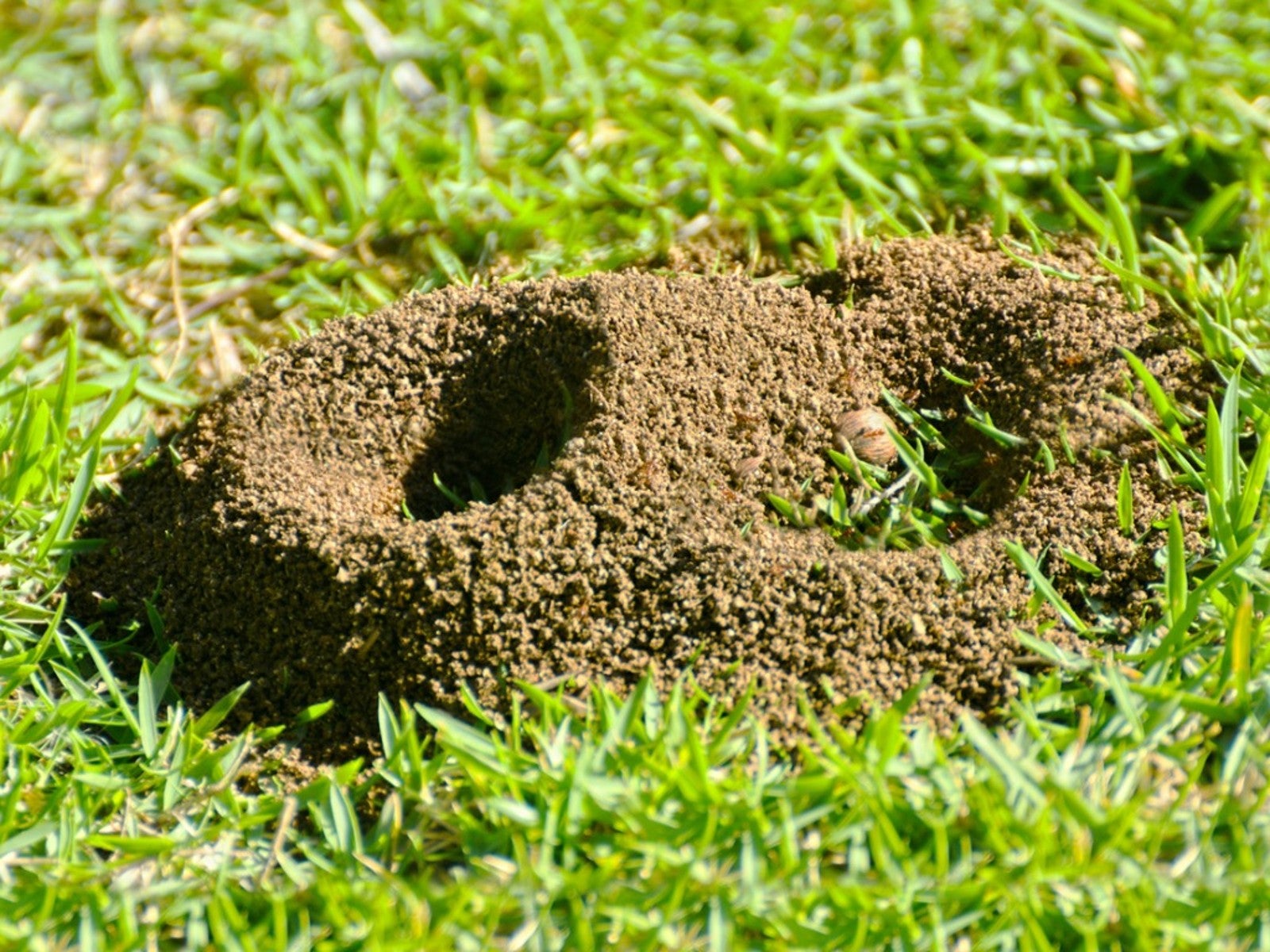
Ants in your lawn can be a nuisance. They can disrupt the beauty of your grass, create unsightly mounds, and sometimes even bite. While chemical pesticides are an option, many people prefer to find eco-friendly ant solutions that are safe for pets, children, and the environment. This guide will walk you through several effective natural ant killer strategies and DIY ant control methods to reclaim your lawn.
Why Natural Ant Control is a Good Choice
Opting for natural methods offers several advantages over synthetic chemicals.
- Safety: Natural remedies are generally safer for your family, pets, and beneficial insects like bees and ladybugs.
- Environmental Friendliness: They break down more easily in the environment and don’t pose the same risks of soil and water contamination.
- Cost-Effectiveness: Many natural solutions utilize common household ingredients, making them an economical choice.
- Reduced Resistance: Unlike some chemical pesticides, natural methods are less likely to lead to ants developing resistance.
Identifying the Ants and Their Trails
Before you start battling ants, it’s helpful to know what you’re dealing with. Observe the ants. What do they look like? Are they black, red, or brown? Do they seem to be following a specific path? Identifying their trails can lead you to the nest.
- Observation: Watch where the ants are coming from and going to. This often leads directly to their nest.
- Trail Marking: Ants leave a scent trail called a pheromone trail. By following this trail, you can locate their entry points and nesting sites.
Natural Ant Killer Solutions for Your Lawn
Here are several effective natural ant killer strategies you can implement.
1. Diatomaceous Earth (Food Grade)
Diatomaceous earth ants is a fantastic natural insecticide. It’s made from fossilized aquatic organisms called diatoms. When viewed under a microscope, these diatoms have sharp edges.
- How it Works: When ants (and other insects) walk over diatomaceous earth, the microscopic sharp edges scratch their exoskeleton, causing them to dehydrate and die.
- Application:
- Ensure you buy food-grade diatomaceous earth.
- Lightly sprinkle it around ant trails, entry points, and ant hills.
- Apply when the ground is dry, as moisture reduces its effectiveness.
- Reapply after rain or watering.
- Safety: While safe for humans and pets when used correctly, avoid inhaling the dust. Wear a mask during application.
2. Vinegar Ant Treatment
Vinegar is a common household item that can be a powerful natural ant killer.
- How it Works: Vinegar, particularly white vinegar, disrupts the ants’ pheromone trails. It also kills ants on contact due to its acidity.
- Application:
- Mix equal parts white vinegar and water in a spray bottle.
- Spray directly onto ants and their trails.
- You can also pour undiluted vinegar directly onto ant hills.
- Caution: Vinegar can be acidic and may harm some plants if sprayed directly on them. Try to apply it to ant trails and hills, avoiding foliage.
3. Borax and Sugar Bait (Use with Caution)
Borax ant bait is a classic DIY ant control method. Borax is a naturally occurring mineral.
- How it Works: Borax acts as a stomach poison for ants. They are attracted to the sugar, consume the borax mixture, and carry it back to the colony, affecting other ants.
- Application:
- Mix 1 part borax with 3 parts sugar (or honey for a stickier bait).
- Add a small amount of water to create a paste or syrup consistency.
- Place small amounts of this bait in shallow containers (like bottle caps) near ant trails and hills.
- Important Safety Note: While effective, borax can be toxic if ingested by pets or children. Always place baits in areas inaccessible to them. This is not a pet safe ant killer if not used with extreme caution. Consider this method if your primary concern is ants and not the immediate safety of wandering pets or curious children.
4. Boric Acid Ants (Similar to Borax, Use with Extreme Caution)
Boric acid ants can also be used in baiting. Boric acid is a mild insecticide and antiseptic.
- How it Works: Similar to borax, boric acid interferes with an ant’s digestive system and exoskeleton.
- Application:
- Mix boric acid with a sweet attractant like powdered sugar or corn syrup.
- A ratio of 1 part boric acid to 3 parts sugar is often recommended.
- Place the mixture in small, shallow containers near ant activity.
- Extreme Caution: Boric acid is toxic. Keep it far away from children and pets. Ensure baits are secured in containers that prevent accidental ingestion. Like borax, this is not a pet safe ant killer solution and requires careful handling and placement.
5. Essential Oils for Ants
Certain essential oils for ants have repellent properties that can deter them from your lawn.
- How it Works: The strong scents of these oils overwhelm the ants’ scent trails and can be irritating or toxic to them.
- Effective Essential Oils:
- Peppermint oil
- Tea tree oil
- Cinnamon oil
- Lemon eucalyptus oil
- Clove oil
- Application:
- Mix 10-20 drops of essential oil with 1 cup of water in a spray bottle.
- Add a drop of liquid dish soap to help the oil and water mix.
- Spray directly on ants, trails, and around entry points.
- Alternatively, soak cotton balls in the oil mixture and place them near ant activity.
- Safety: While generally safe, essential oils can be potent. Avoid direct skin contact with undiluted oils.
6. Boiling Water
A straightforward and immediate natural ant killer.
- How it Works: Pouring boiling water directly into ant hills can kill a significant portion of the colony.
- Application:
- Carefully pour boiling water directly into the entrances of ant hills.
- You may need to repeat this process for a few days to be most effective.
- Caution: Be extremely careful when handling boiling water to avoid burns. This method may also harm grass or plants directly around the ant hill.
7. Coffee Grounds
Used coffee grounds can be an effective deterrent.
- How it Works: Ants reportedly dislike the smell and texture of coffee grounds, and the acidity may also play a role.
- Application:
- Sprinkle used coffee grounds around ant hills and along ant trails.
- This acts as a barrier that ants are less likely to cross.
8. Cornmeal
Another interesting and natural way to tackle ant problems.
- How it Works: The theory is that ants eat cornmeal but cannot digest it, leading to their demise.
- Application:
- Sprinkle cornmeal liberally around ant hills and trails.
- Observe if this deters them or contributes to their elimination.
9. Pepper (Cayenne and Black)
Spicy powders can be a deterrent.
- How it Works: Ants are sensitive to strong smells and irritants, and pepper fits this description.
- Application:
- Sprinkle cayenne pepper or black pepper around ant mounds and along common ant pathways.
- This can create an unpleasant barrier for them.
10. Citrus Peels
The scent of citrus can be off-putting to ants.
- How it Works: The oils in citrus peels, such as lemon and orange, can disrupt ant pheromone trails and act as repellents.
- Application:
- Place fresh citrus peels (lemon, lime, orange) around your lawn’s perimeter, near ant activity, or directly on ant hills.
- Replace them regularly as they dry out.
11. Cornstarch
Similar to cornmeal, cornstarch can be used as an ant control agent.
- How it Works: Ants consume cornstarch and are unable to digest it, leading to their death.
- Application:
- Sprinkle a generous amount of cornstarch over ant hills and trails.
- You can also mix it with a little water to create a paste to place near their activity.
12. Soapy Water Spray
A simple and effective homemade ant repellent.
- How it Works: Dish soap breaks down the ants’ exoskeleton and suffocates them. It also washes away their scent trails.
- Application:
- Mix a tablespoon of liquid dish soap with a quart of water in a spray bottle.
- Spray directly onto ants and their trails.
- This is a good option for immediate results and can be considered a pet safe ant killer when used in moderation and if the residue is rinsed off surfaces where pets might lick.
Creating a Homemade Ant Repellent
Beyond the individual ingredients, you can create custom blends for a homemade ant repellent.
-
Citrus & Peppermint Spray:
- 1 cup water
- 1/2 cup white vinegar
- 10 drops peppermint essential oil
- 10 drops lemon essential oil
- Mix in a spray bottle and spray on trails and around entry points.
-
Vinegar & Soap Barrier:
- 1 cup white vinegar
- 1 cup water
- 1 teaspoon liquid dish soap
- Spray this mixture around the perimeter of your lawn or areas you want to protect.
Targeting Ant Nests
Directly targeting the nest is crucial for long-term ant control.
- Locating Nests: Look for small mounds of soil or disturbed areas in your lawn, often near sidewalks, patios, or under rocks.
- Treatment Options for Nests:
- Boiling Water: As mentioned, a direct pour can be effective.
- Diatomaceous Earth: Sprinkle generously into the nest opening.
- Borax/Boric Acid Bait: Place baits near the nest entrance. Ants will carry it inside.
- Vinegar Solution: Pour a concentrated vinegar and water mix directly into the nest.
Preventive Measures for Your Lawn
Prevention is key to keeping your lawn ant-free.
- Keep Your Lawn Clean: Remove fallen fruit, sugary spills, and food debris promptly.
- Manage Water Sources: Fix leaky outdoor faucets or hoses, as ants need water.
- Trim Vegetation: Keep trees and shrubs trimmed away from your house and lawn, as they can act as bridges for ants.
- Seal Entry Points: If ants are coming from your house into the yard, seal any cracks or openings in your foundation.
- Healthy Lawn: A healthy, well-maintained lawn is less attractive to pests. Proper mowing, watering, and fertilization can help.
Natural Ant Control for Specific Situations
Pet Safe Ant Killer Considerations
When you have pets, safety is paramount.
- Diatomaceous Earth (Food Grade): Generally considered safe when used as directed, but avoid inhalation.
- Soapy Water Spray: Relatively safe, but rinse surfaces where pets might lick.
- Essential Oils: Use with caution. Some essential oils can be harmful if ingested by pets. Always dilute properly and observe your pets for any adverse reactions. Peppermint and tea tree are generally considered safer in diluted forms than some others, but it’s best to err on the side of caution.
- Vinegar: Diluted vinegar is usually safe for pets, but strong concentrations can irritate.
- Borax and Boric Acid: These are the least pet safe ant killer options and should be avoided or used with extreme caution and placed in inaccessible locations.
Eco-Friendly Ant Solutions for Sensitive Areas
If you have sensitive gardens or areas where plants are a concern:
- Diatomaceous Earth: Great for garden beds, as it’s natural.
- Essential Oil Sprays: Diluted sprays are generally fine, but test on a small area of a plant first.
- Coffee Grounds, Citrus Peels: Excellent for creating natural barriers.
- Avoid: Boiling water and direct application of undiluted vinegar near desirable plants.
What to Expect from Natural Methods
Natural methods often require more patience and persistence than chemical treatments.
- Time: It may take several applications and days to see significant results.
- Persistence: Ants are tenacious. You might need to combine several methods for the best outcome.
- Observation: Continue to monitor your lawn for new ant activity.
Natural Ant Killer Methods: A Comparison
| Method | How it Works | Application | Safety (Pets/Children) | Effectiveness | Notes |
|---|---|---|---|---|---|
| Diatomaceous Earth | Dehydrates by scratching exoskeleton | Sprinkle on trails/mounds | High (avoid inhalation) | High | Must be dry; reapply after rain. |
| Vinegar | Disrupts pheromones, kills on contact | Spray diluted on trails/mounds; pour undiluted | Moderate | Moderate | Can harm some plants. |
| Borax/Boric Acid Bait | Stomach poison | Place bait in shallow containers | Low (Toxic) | High | Use with extreme caution, keep away from pets. |
| Essential Oils | Repellent, disrupts scent trails | Spray diluted mixture, soak cotton balls | Moderate-High | Moderate | Test oils for plant sensitivity. |
| Boiling Water | Kills on contact | Pour directly into nests | Low (Burns) | Moderate | Can harm surrounding grass/plants. |
| Soapy Water Spray | Suffocates, removes scent trails | Spray directly on ants | High | Moderate | Good for immediate kill. |
| Coffee Grounds/Citrus | Repellent | Sprinkle around nests/trails | High | Low-Moderate | Primarily a deterrent. |
| Cornmeal/Cornstarch | Indigestible | Sprinkle on nests/trails | High | Low-Moderate | Requires observation for efficacy. |
| Pepper (Cayenne/Black) | Irritant, strong scent | Sprinkle on trails/mounds | High | Low | Mainly a deterrent. |
Frequently Asked Questions About Natural Ant Control
-
Q: How quickly do natural ant killers work?
A: Natural methods can vary in speed. Some, like direct contact with soapy water or boiling water, offer immediate results. Others, like diatomaceous earth or baits, may take a few days to a week to show significant impact as ants carry them back to the colony. -
Q: Can I use essential oils on my plants to deter ants?
A: Yes, but it’s advisable to dilute them significantly and test on a small area of a plant first to ensure it doesn’t cause damage. Peppermint, tea tree, and citrus oils are generally considered safer options. -
Q: Are borax and boric acid safe for my lawn?
A: While they are minerals, excessive use can alter soil chemistry. It’s best to apply them judiciously, targeting ant hills and trails rather than broadcasting them widely across the lawn. Their primary concern is toxicity if ingested. -
Q: What if the ants keep coming back?
A: Ants are persistent! Natural methods often require ongoing application and a combination of strategies. Continue to monitor your lawn, replenish baits and deterrents, and maintain good lawn hygiene to minimize attractants. -
Q: Is there a way to make my lawn less attractive to ants?
A: Yes. Keeping your lawn free of debris, fixing leaks, and maintaining a healthy lawn through proper care can make it less appealing to ants. They are often looking for food, water, and shelter.
By employing these eco-friendly ant solutions and DIY ant control techniques, you can effectively manage ant populations in your lawn without resorting to harsh chemicals. Remember to be patient, persistent, and to prioritize safety, especially if you have pets or children. Your lawn will thank you for it!