
A lawn mower can typically produce noise levels between 85 and 100 decibels (dB), which is loud enough to cause hearing damage if exposed for extended periods without protection. This article explores how loud a lawn mower is, the factors influencing its noise, and how to stay safe.
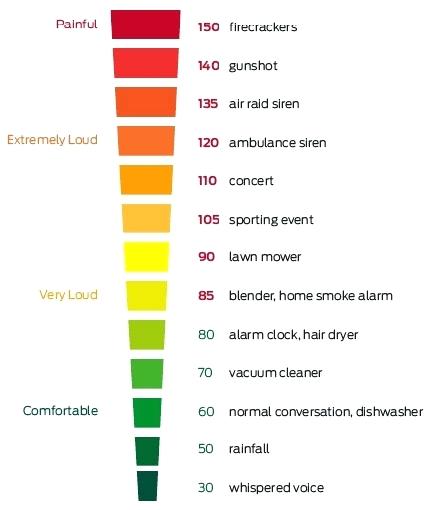
Image Source: myrobotmower.com
Deciphering Lawn Mower Decibel Levels
The hum of a lawn mower is a familiar sound of summer, but just how loud is it, and why does it vary so much? Understanding lawn mower decibel levels is crucial for both your comfort and your hearing health. When we talk about lawn mower noise, we’re referring to the sound pressure level it produces, measured in decibels (dB). This unit helps us quantify the intensity of sound. For perspective, a whisper might be around 30 dB, normal conversation about 60 dB, and a rock concert can easily exceed 110 dB. So, where do lawn mowers fit in this spectrum?
How Many Decibels Is A Lawn Mower?
The answer to “how many decibels is a lawn mower?” isn’t a single number. It’s a range, and it depends heavily on the type of mower, its age, condition, and even how it’s being used. However, to give you a general idea, average lawn mower decibels often fall between 85 dB and 100 dB.
- 85 dB: This is around the noise level of a garbage disposal or a motorcycle at a distance. Prolonged exposure to this level can start to cause damage.
- 90 dB: Similar to a motorcycle passing closely or a garbage truck. Hearing protection is strongly recommended after just a few hours of exposure.
- 95 dB: This is getting into loud territory, comparable to a jackhammer or a loud sporting event. Damage can occur after only an hour or so.
- 100 dB: This is very loud, akin to a chain saw or a thunderclap. Hearing damage can happen in as little as 15 minutes.
Factors Affecting Lawn Mower Noise
Several elements contribute to the lawn mower sound pressure level:
- Engine Type: Gas engines are inherently louder than electric motors.
- Engine Size and Power: Larger, more powerful engines generally produce more noise.
- Mower Design: The presence and effectiveness of a muffler, as well as the mower deck’s design, play a role.
- Blade Speed and Condition: Faster spinning blades and dull or damaged blades can create more noise.
- Maintenance: A well-maintained mower, with a clean engine and sharp blades, is often quieter.
- Terrain: Mowing on uneven or bumpy ground can cause the mower to vibrate more, increasing noise.
Fathoming Gas Lawn Mower Noise
Gas-powered lawn mowers are the traditional choice for many, but they are also the primary source of concern when it comes to noise. The gas lawn mower noise is generated by the internal combustion engine, the rotating blades, and the exhaust system.
The Engine’s Roar
The engine is the heart of the noise. As fuel combusts, it creates explosions that drive the pistons, resulting in a significant amount of sound. The exhaust system, or muffler, is designed to reduce this noise, but its effectiveness varies greatly between models. A worn-out or damaged muffler can dramatically increase the overall lawn mower noise rating.
Blade Dynamics
The spinning blades also contribute substantially to the noise. They chop through grass, and the faster they spin, the more air they displace and the louder the sound. The shape and balance of the blades, along with the material of the mower deck, can also influence the sound. For instance, a steel deck might resonate more than a composite one.
Gas Mower Decibel Levels: What to Expect
Gas lawn mower decibel levels typically range from 90 dB to 100 dB, with some more powerful models potentially exceeding this. This places them firmly in the category of sounds that require hearing protection for safe use.
Grasping Electric Lawn Mower Noise
Electric lawn mowers, both corded and battery-powered, offer a quieter alternative. The electric lawn mower noise is primarily generated by the motor and the blades, without the added complexities and noise of an internal combustion engine.
Motor Mechanics
Electric motors are inherently quieter than gas engines. While they still produce a whirring or humming sound, it’s generally at a much lower intensity. The noise from the motor is also more consistent, without the fluctuating sounds of an engine sputtering or revving.
Blade Contribution
The blades are still a significant noise source for electric mowers, but because the overall system is quieter, their contribution becomes more noticeable. The design of the mower deck and the blade speed are still key factors.
Electric Mower Decibel Levels: The Quieter Choice
Electric lawn mower noise typically falls in the 70 dB to 85 dB range.
- 70 dB: Comparable to a garbage disposal or a dishwasher. You can comfortably converse over this noise.
- 80 dB: Similar to a vacuum cleaner or heavy traffic. Short exposures are generally okay, but prolonged periods might warrant protection.
- 85 dB: As mentioned earlier, this is where sustained exposure can start to be problematic without protection.
This makes electric mowers a much more appealing option for those concerned about noise pollution or who need to mow in areas with noise restrictions.
Interpreting the Lawn Mower Noise Level Chart
To better visualize the differences, a lawn mower noise level chart can be helpful. This chart compares the decibel levels of various common sounds, including lawn mowers, to understand the relative loudness.
| Sound Source | Approximate Decibel Level (dB) | Potential for Hearing Damage (Unprotected Exposure) |
|---|---|---|
| Whisper | 30 | None |
| Normal Conversation | 60 | None |
| Dishwasher/Vacuum Cleaner | 70-75 | Minimal to None |
| Garbage Disposal | 80 | Possible with prolonged exposure |
| Electric Lawn Mower | 70-85 | Possible with prolonged exposure |
| Gas Lawn Mower | 90-100 | Likely with prolonged exposure |
| Motorcycle (close) | 95 | Likely with prolonged exposure |
| Chainsaw | 110 | Significant damage in short periods |
| Rock Concert | 110+ | Significant damage in short periods |
| Jet Engine (at 100 ft) | 140 | Immediate damage |
Note: These are approximate values and can vary based on specific models and conditions.
This chart clearly shows that while electric mowers are considerably quieter, gas mowers produce noise levels that are well within the range where hearing protection becomes essential.
Lawn Mower Hearing Protection: Staying Safe
The Occupational Safety and Health Administration (OSHA) and other health organizations recommend that prolonged exposure to noise levels above 85 dB should be avoided or mitigated with hearing protection. Given that many lawn mower decibel levels exceed this, lawn mower hearing protection is not just a good idea; it’s a necessity for anyone regularly using a gas mower, and often recommended for electric ones as well.
Types of Hearing Protection
There are several effective forms of lawn mower hearing protection:
- Earplugs: These are inserted into the ear canal. They come in disposable foam varieties or reusable silicone or custom-molded options. Foam earplugs are very effective when inserted correctly.
- Earmuffs: These fit over the entire ear, creating a seal. They are often more comfortable for longer periods and can provide a higher level of noise reduction. Many earmuffs also incorporate communication devices or radio, which can be a bonus.
Choosing the Right Protection
When selecting lawn mower hearing protection, look for products with a high Noise Reduction Rating (NRR). The NRR is a measurement of how much the hearing protector reduces sound, expressed in decibels.
- An NRR of 20 dB means the protector can reduce noise by approximately 20 dB.
- For gas lawn mower noise, aiming for an NRR of 25 dB or higher is advisable. This will bring the perceived noise down to a safer level, even for the loudest mowers.
Proper Use of Hearing Protection
- Earplugs: Roll the foam earplug tightly between your fingers, insert it firmly into the ear canal, and hold it in place for a few seconds until it expands to create a seal.
- Earmuffs: Ensure the cups completely cover your ears and that the headband provides a snug fit against your head. Make sure there are no gaps where sound can enter.
It’s important to wear your hearing protection for the entire duration you are exposed to the noise, from the moment you start the mower until you turn it off and are no longer in its vicinity.
Comparing Lawn Mower Noise Ratings
When purchasing a new lawn mower, looking at its lawn mower noise rating or specifications can be beneficial. While not always prominently displayed, manufacturers may provide noise level information. Comparing lawn mower decibel levels from different models, especially within the same category (gas vs. electric), can help you make a more informed decision.
What to Look For
- Advertised Decibel Levels: Some manufacturers will state the noise level of their mowers.
- Muffler Quality (Gas Mowers): Look for mowers with robust, well-designed mufflers.
- Motor Type (Electric Mowers): Brushless motors are often quieter and more efficient than brushed motors.
- User Reviews: Often, users will comment on how loud a particular mower is.
The Impact of Noise on Your Health and Well-being
The noise from a lawn mower is more than just an annoyance; it can have tangible effects on your health and well-being:
- Hearing Loss: This is the most significant risk. Noise-induced hearing loss is permanent and cumulative. Even short, repeated exposures to loud noise can damage the delicate hair cells in your inner ear.
- Tinnitus: This is the perception of ringing or buzzing in the ears, which can be caused or exacerbated by exposure to loud noise.
- Stress and Fatigue: Loud, constant noise can be stressful, leading to increased heart rate, blood pressure, and general fatigue.
- Communication Issues: It can be difficult to communicate with others while operating a loud mower, increasing the risk of accidents if instructions or warnings are not heard.
- Neighborly Relations: Excessive noise can strain relationships with neighbors, particularly in densely populated areas.
Best Practices for Quieter Mowing
Beyond choosing a quieter mower and using hearing protection, there are other ways to minimize noise:
- Mow During Reasonable Hours: Avoid mowing very early in the morning or late in the evening when noise is more likely to disturb others.
- Maintain Your Mower: A well-maintained mower runs more efficiently and often more quietly. Keep blades sharp and balanced, and ensure the muffler is in good condition.
- Consider an Electric Mower: If noise is a major concern, switching to a battery-powered mower is the most effective solution.
- Mow Only When Necessary: Over-mowing can contribute to noise pollution. Let your grass grow to a reasonable height before cutting.
- Use the Right Mower for the Job: Using a mower that is too small or underpowered for a large lawn can lead to it working harder and being louder than necessary.
Frequently Asked Questions (FAQ)
Q1: What is the average decibel level of a lawn mower?
The average lawn mower decibels typically fall between 85 and 100 dB for gas models, and 70 to 85 dB for electric models.
Q2: Can I mow my lawn without hearing protection?
While you might be able to mow with an electric mower without protection for short periods, it is strongly advised to use lawn mower hearing protection when operating any gas mower, and for extended periods with electric mowers, especially those closer to the 85 dB mark.
Q3: Which type of lawn mower is quieter?
Electric lawn mowers are significantly quieter than gas lawn mowers. Electric lawn mower noise is generally in the 70-85 dB range, while gas lawn mower noise is typically 90-100 dB.
Q4: How can I tell if my lawn mower is too loud?
If you have to shout to be heard over the noise of your mower, or if you experience ringing in your ears after mowing, your mower is likely too loud for unprotected use. Referencing a lawn mower noise level chart can help you gauge the loudness relative to other common sounds.
Q5: What is a good NRR for lawn mower hearing protection?
For most gas lawn mower noise, an NRR of 25 dB or higher is recommended to bring the sound down to a safer level.
In conclusion, while the roar of a lawn mower is a common sound, its loudness is a critical factor to consider for your hearing health. By understanding lawn mower decibel levels, comparing different types of mowers, and always employing proper lawn mower hearing protection, you can keep your lawn tidy and your ears safe.