
Can you get rid of clover in your lawn? Yes, you absolutely can get rid of clover in your lawn. This guide will show you how to achieve a clover-free lawn quickly and effectively.
Clover, with its distinctive three-leaf (and sometimes four-leaf) pattern, is a common sight in many home lawns. While it offers benefits like nitrogen fixation, which can enrich the soil, its aggressive growth habit can quickly overtake desirable grass species, leading to an uneven and unsightly lawn. For homeowners aiming for a pristine, uniform green carpet, the presence of clover is often unwelcome. This article delves into various methods for clover removal, offering solutions for every preference, from quick fixes to more sustainable, organic clover control approaches. Whether you’re seeking the best clover killer or a gentler clover treatment, you’ll find actionable advice here to help you get rid of clover and maintain a beautiful lawn.
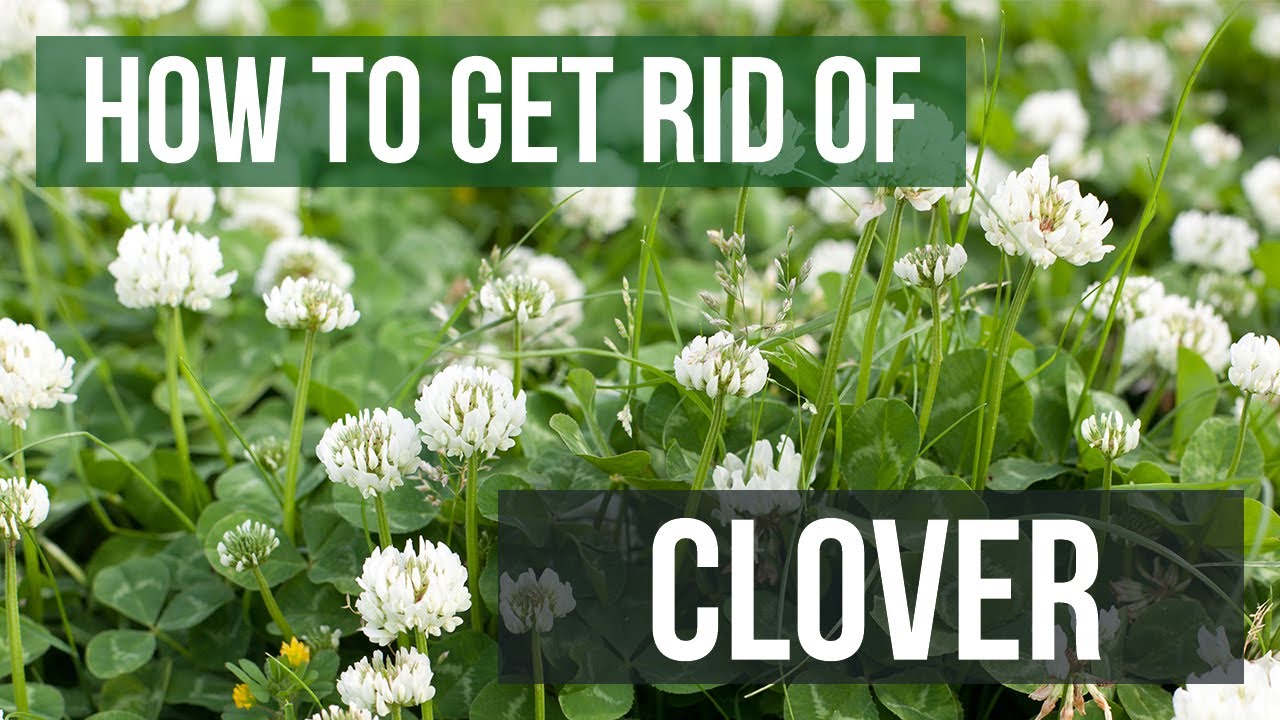
Image Source: i.ytimg.com
Why Clover Takes Over
Before we discuss how to kill clover in lawn, it’s helpful to understand why it thrives. Clover, particularly white clover (Trifolium repens), is a hardy perennial. It’s successful in lawns due to several factors:
- Nitrogen Fixation: Clover has a symbiotic relationship with bacteria that take nitrogen from the air and convert it into a form that plants can use. This allows clover to grow well even in soil that is low in nitrogen, a nutrient that many turf grasses need in abundance.
- Low Mowing Heights: Clover tolerates being mowed lower than most turf grasses. When you mow your lawn too short, you weaken the grass, making it more susceptible to invasion by clover.
- Compacted Soil: Clover’s shallow root system can often survive in compacted soil where the roots of deeper-rooted grasses struggle to penetrate.
- Drought Tolerance: Clover is generally more drought-tolerant than many common turf grass varieties.
- Weedy Conditions: It often indicates that your lawn is thin or struggling, creating an ideal environment for clover to establish itself.
Methods for Clover Removal
There are several effective strategies to tackle clover. We’ll explore both chemical and non-chemical methods to suit different needs and environmental concerns.
Chemical Clover Treatment
For those seeking a fast and decisive clover killer, chemical herbicides are often the go-to solution. These products are designed to target broadleaf weeds, including clover, while ideally leaving turf grasses unharmed.
Selective Herbicides
Selective herbicides are formulated to kill specific types of plants. For clover, you’ll want a herbicide that targets broadleaf weeds.
How they work: These herbicides are absorbed by the leaves and stems of broadleaf plants and disrupt their growth processes, leading to their demise. Grasses are monocots, and these herbicides are designed to be less harmful to them.
Application: Always follow the product label instructions carefully.
- Timing: Apply when clover is actively growing. Avoid applying during extreme heat, drought, or when rain is expected immediately after.
- Application Method: Many herbicides come in a liquid concentrate that needs to be diluted with water and applied using a sprayer. Granular forms are also available.
- Coverage: Ensure even coverage for maximum effectiveness.
Common Active Ingredients:
- 2,4-D: A widely used herbicide that affects broadleaf plants.
- Mecoprop (MCPP): Often found in combination with 2,4-D.
- Dicamba: Another effective broadleaf herbicide.
- Trimec: A common formulation containing a combination of these and other herbicides.
Important Considerations:
- Turfgrass Tolerance: Check the product label to ensure it’s safe for your specific type of lawn grass. Some herbicides can damage certain grasses.
- Environmental Impact: Be mindful of drift to desirable plants and potential runoff into waterways.
Non-Selective Herbicides
While non-selective herbicides like glyphosate can kill clover, they will also kill grass. These are best used for spot treatment in areas where you want to remove all vegetation, such as preparing a bed for new sod or in garden paths.
Natural and Organic Clover Control
For those concerned about chemical use or seeking a more eco-friendly approach to clover eradication, natural methods can be very effective. These often require a bit more patience but can yield excellent results for organic clover control.
Manual Removal
This is the most direct method of clover removal and is suitable for small infestations.
How to do it:
- Tools: Use a trowel, a weeding fork, or a specialized dandelion puller.
- Technique: Dig around the base of the clover plant, loosening the soil. Try to pull the entire root system. Clover has a taproot and spreading rhizomes, so getting as much of the root as possible is key to preventing regrowth.
- Timing: It’s easier to pull clover when the soil is moist.
Pros:
- No chemicals involved.
- Immediate removal of the offending plants.
Cons:
- Labor-intensive, especially for large areas.
- Can leave bare spots in the lawn that may then be susceptible to new weeds.
Corn Gluten Meal
Corn gluten meal is a natural pre-emergent weed suppressor. It works by inhibiting root formation in germinating seeds.
How it works: When applied at the right time, it can prevent clover seeds from establishing themselves. It also acts as a slow-release nitrogen fertilizer for your lawn.
Application:
- Timing: This is crucial. Apply in early spring before clover seeds germinate, and again in fall.
- Rate: Apply at a rate of about 20 pounds per 1,000 square feet.
- Method: Spread evenly over the lawn using a broadcast spreader.
Pros:
- Organic and environmentally friendly.
- Provides nitrogen to the lawn.
Cons:
- Only prevents germination; it won’t kill existing clover.
- Effectiveness can vary.
- Timing must be precise.
Vinegar and Salt (Use with Extreme Caution)
Some natural remedies suggest using vinegar and salt. While these can kill clover, they are also non-selective and will kill grass and other plants they come into contact with. They can also damage soil health.
Application:
- Mixture: A common ratio is 1 gallon of horticultural vinegar (about 20% acetic acid) mixed with 1 cup of salt.
- Method: Apply directly to the clover using a sprayer, ideally on a sunny, dry day.
Pros:
- Natural ingredients.
Cons:
- Kills grass! This is not a selective method and is generally not recommended for lawn care unless you are renovating a specific area.
- Salt can build up in the soil, making it difficult for anything to grow there in the future.
- Vinegar can lower soil pH.
Boiling Water
Boiling water can kill any plant it touches. Like vinegar and salt, it is non-selective.
Application: Carefully pour boiling water directly onto the clover patches.
Pros:
- Completely natural.
Cons:
- Kills grass and can scald the soil. Only suitable for very small, isolated patches and with extreme care.
Cultural Practices for Clover Eradication
Often, the most effective long-term strategy for clover eradication is to create a lawn that is dense and healthy enough to naturally outcompete clover. Good lawn care clover practices focus on strengthening your turf.
Proper Mowing Height
- Height: Mow your lawn at the higher end of the recommended range for your grass type. For most cool-season grasses like fescue and ryegrass, this means mowing at 3 to 3.5 inches. For Kentucky bluegrass, it can be even higher.
- Why it works: Taller grass shades the soil, which can suppress clover seeds and make it harder for young clover plants to establish. It also encourages deeper root growth in your grass, making it more resilient.
- Sharp Blades: Always use sharp mower blades. Dull blades tear grass, leading to stress and increased susceptibility to weeds.
Watering Wisely
- Deep and Infrequent: Water your lawn deeply but infrequently. This encourages grass to develop deep root systems, making it more drought-tolerant and better able to compete with clover.
- Avoid Light, Frequent Watering: Shallow watering promotes shallow roots in both grass and weeds.
Fertilization for Healthy Grass
- Balanced Nutrition: A well-fertilized lawn is a dense, healthy lawn. Use a balanced fertilizer appropriate for your grass type and the season.
- Soil Testing: Consider getting a soil test to identify any nutrient deficiencies or pH imbalances that might be favoring clover.
Aeration and Dethatching
- Aeration: Compaction is a friend to clover. Aerating your lawn (removing small plugs of soil) allows air, water, and nutrients to reach the grass roots more easily. It also helps break up compacted soil, making it less hospitable to shallow-rooted weeds.
- Dethatching: A thick layer of thatch can prevent water and nutrients from reaching the soil and can also harbor weed seeds. Dethatching removes this layer.
Overseeding Thin Spots
- Thicken the Lawn: If your lawn has bare or thin patches, clover is likely to move in. Overseeding with grass seed in the fall or spring can fill in these areas and create a denser turf.
Identifying the Best Clover Killer
Choosing the best clover killer depends on your priorities.
- For Speed and Simplicity: Selective broadleaf herbicides are generally the fastest and easiest way to eliminate clover from an established lawn. Look for products specifically labeled for clover control.
- For Organic Lifestyles: Manual removal, combined with cultural practices that promote dense turf, is the most effective organic approach. Corn gluten meal can be a helpful preventative measure.
- For Broad Area Treatment: If you’re dealing with a very large infestation and are willing to reseed, a non-selective herbicide followed by renovation can be efficient, but this is a more drastic measure.
Steps to Clover Eradication: A Comprehensive Plan
Here’s a step-by-step approach to help you get rid of clover:
Step 1: Assess the Infestation
- How widespread is the clover? Is it in patches or spread throughout the lawn?
- What is the overall health of your lawn? Are there bare spots or thin areas?
Step 2: Choose Your Method
Based on your assessment and preferences (chemical vs. organic, speed vs. sustainability), select the most appropriate method or combination of methods.
Step 3: Prepare for Treatment
- Mow: Mow the lawn a few days before applying any herbicide. This reduces the amount of green leaf surface that needs to be covered, but avoid mowing immediately before, as you want enough leaf surface for absorption.
- Water: Water the lawn a day or two before treatment if it’s dry. Healthy, actively growing clover and grass will absorb herbicides more effectively.
- Check the Weather: Ensure no rain is forecast for 24-48 hours after herbicide application. Avoid applying during high winds to prevent drift.
Step 4: Implement the Clover Treatment
- Chemical Application:
- Read the label of your chosen clover killer thoroughly.
- Use a sprayer and apply evenly. For spot treatments, a small pump sprayer is ideal.
- Wear appropriate protective gear (gloves, eye protection).
- Keep pets and children off the lawn until the spray has dried and the product is absorbed.
- Manual Removal:
- Use a weeding tool to extract as much of the root system as possible.
- Collect and discard the removed clover.
- Organic Methods:
- Apply corn gluten meal at the correct timing and rate.
Step 5: Follow-Up Care
- Wait and Observe: Allow the herbicide to work. You should see clover wilting and dying within a few days to a week.
- Rake and Remove Dead Weeds: Once the clover is dead, rake it up and dispose of it. This prevents the dead material from smothering healthy grass.
- Reseed Bare Spots: If your treatment created bare patches, reseed them with a quality grass seed mixture appropriate for your region.
- Improve Lawn Health: Implement consistent, good lawn care clover practices (proper mowing, watering, and fertilization) to prevent future clover invasions.
Step 6: Ongoing Prevention
- Regular Lawn Maintenance: Continue with your regular mowing, watering, and fertilizing schedule.
- Monitor for New Growth: Keep an eye out for any returning clover and address it promptly. Early intervention is key.
Clover Removal: A Comparative Table
| Method | Speed | Effectiveness | Environmental Impact | Effort Required | Best For |
|---|---|---|---|---|---|
| Selective Herbicides | Fast | High | Moderate | Low-Moderate | Quick elimination from established lawns |
| Manual Removal | Slow | Moderate | Very Low | High | Small infestations, organic gardening |
| Corn Gluten Meal | Preventative | Moderate (prevention) | Very Low | Moderate | Preventing new clover growth in organic lawns |
| Non-Selective Herbicides | Fast | Very High | High | Low | Complete renovation of lawn areas, spot treatment (careful!) |
| Cultural Practices | Very Slow | Long-term | Very Low | Moderate | Building a resilient, clover-resistant lawn |
Frequently Asked Questions (FAQ)
Q1: Will clover come back after I remove it?
Clover can return if its preferred growing conditions are still present or if new seeds are introduced. Implementing strong cultural practices, like maintaining a dense and healthy lawn, is the best way to prevent its return.
Q2: Is there a natural clover killer that works instantly?
While some natural substances like boiling water or vinegar can kill clover on contact, they are non-selective and will also kill your grass, leading to bare patches. There isn’t a natural clover killer that selectively targets clover instantly without harming grass.
Q3: When is the best time to treat clover?
The best time to treat clover is when it is actively growing, typically in the spring or fall when temperatures are mild. For herbicides, avoid applying during periods of extreme heat or drought. For preventative measures like corn gluten meal, timing is critical for early spring and fall application before germination.
Q4: Can I get rid of clover without killing my grass?
Yes, using selective broadleaf herbicides is the most common and effective way to kill clover without harming most established turf grasses. Good cultural practices also help your grass outcompete clover naturally.
Q5: What is the best clover treatment for a lawn with pets and children?
If you have pets and children, consider manual removal first. If using herbicides, opt for products with lower toxicity profiles or those approved for use around children and pets after the drying period. Always read the label and follow all safety instructions. Organic methods are also excellent choices for homes with children and pets.
Q6: My lawn is mostly clover. What should I do?
If your lawn is heavily infested with clover, a full renovation might be the most effective approach. This could involve using a non-selective herbicide to kill everything, followed by aeration, soil amendment, and overseeding with a high-quality grass seed. This is a more intensive process but can result in a completely new, clover-free lawn.
By understanding why clover thrives and employing the right strategies, you can effectively manage and eliminate this common lawn invader, paving the way for a lusher, greener, and more uniform lawn. Consistent lawn care clover is the key to long-term success in clover eradication.