
How much does it cost to rent a riding lawn mower? The cost to rent a riding lawn mower typically ranges from $50 to $150 per day, with weekly rates often being more economical. Several factors influence this price, including the type of mower, rental duration, your location, and any additional services or insurance you opt for.
When tackling a large lawn or a particularly overgrown yard, your trusty push mower might not cut it. This is where the power and efficiency of a riding lawn mower come into play. But if you don’t own one or need a specialized model for a specific job, renting is a fantastic option. This guide delves into the world of riding mower rentals, breaking down the costs and helping you make an informed decision. We’ll explore the various types of riding mowers available for rent, the pricing structures you can expect, and what to consider before signing on the dotted line.
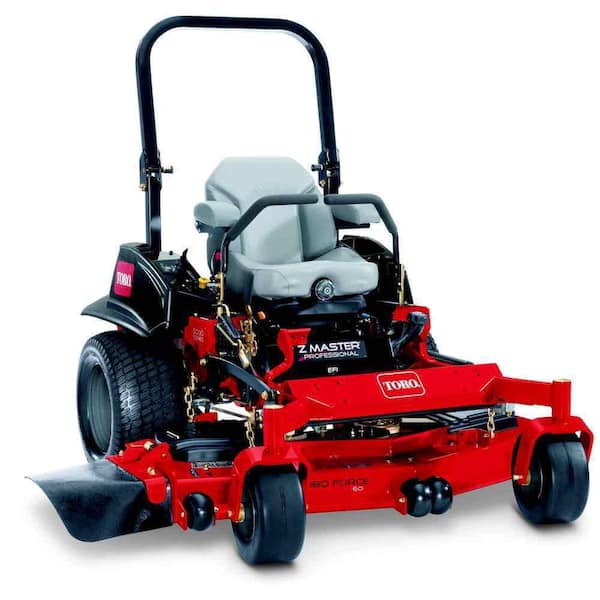
Image Source: images.thdstatic.com
Deciphering Lawn Mower Rental Costs
The lawn mower rental cost is not a one-size-fits-all figure. It’s a dynamic pricing model influenced by several key elements. Think of it like renting a car; a small economy car will cost less than a large SUV. The same principle applies to mowing machines.
Factors Affecting Rental Prices
- Type of Riding Mower: This is perhaps the biggest driver of cost. Different mowers are designed for different tasks and boast varying levels of power and features.
- Rental Duration: Are you just needing it for an afternoon, a full day, a weekend, or a week? The longer you rent, the better the per-day rate often becomes.
- Location: Rental prices can vary significantly based on your geographic location. Urban areas or regions with higher costs of living might see higher rental fees.
- Rental Company: Different companies, from large national chains to local equipment rental shops, will have their own pricing strategies.
- Condition and Age of Equipment: Newer, more advanced mowers, especially zero turn mower rental options, will likely command higher prices than older, more basic models.
- Time of Year: During peak lawn care seasons (spring and summer), demand for mowers might be higher, potentially leading to slightly inflated prices.
- Additional Services: Delivery, pick-up, fuel, and maintenance waivers can all add to the overall rental cost.
Exploring Different Types of Riding Mowers and Their Rental Fees
When you’re looking to rent a riding mower, you’ll encounter a few main categories. Each has its strengths and corresponding rental price point.
Garden Tractor Rental Cost
A garden tractor rental cost generally falls in the mid-range. These are robust machines, more powerful than basic lawn tractors. They often feature larger engines, hydrostatic transmissions for smoother operation, and the ability to attach various implements like tillers, snow blowers, or dethatchers.
- Typical Use: Excellent for mowing large properties, but also capable of light-duty yard work when attachments are used.
- Engine Power: Usually range from 18 to 25 horsepower.
- Deck Size: Typically 42 to 54 inches.
- Rental Price Range (Daily): $75 – $120
Zero Turn Mower Rental
Zero turn mower rental options are for those who want speed and maneuverability. These mowers can turn 360 degrees on the spot, allowing for incredibly precise cutting around obstacles like trees, flower beds, and landscaping features. They are significantly faster than traditional lawn tractors.
- Typical Use: Ideal for homeowners with complex yard layouts or commercial landscapers who need to maximize efficiency.
- Engine Power: Can range from 18 to 30+ horsepower.
- Deck Size: Commonly 42 to 60 inches, with larger commercial units available.
- Rental Price Range (Daily): $90 – $150+ (for residential models), and can go higher for commercial-grade zero-turns.
Tractor Mower Rental Fees
The term “tractor mower” can sometimes be used broadly. However, in the context of rental, it often refers to more heavy-duty machines, sometimes bridging the gap between a garden tractor and a sub-compact tractor. If you see “tractor mower rental fees,” it might be for a unit that’s a step up in power and capability from a standard garden tractor.
- Typical Use: Large acreage mowing, potentially light towing of carts.
- Engine Power: Often 20+ horsepower.
- Deck Size: Can be similar to garden tractors or slightly larger.
- Rental Price Range (Daily): $80 – $130
Commercial Mower Rental
For professional landscapers or those with extremely demanding mowing needs, a commercial mower rental is the way to go. These machines are built for durability, heavy use, and often feature larger engines, wider cutting decks, and more advanced suspension systems for operator comfort during long hours.
- Typical Use: Professional landscaping, large estates, municipal grounds.
- Engine Power: Typically 25+ horsepower.
- Deck Size: Can range from 48 inches up to 72 inches or even larger.
- Types within Commercial: This category often includes commercial-grade zero-turns, stand-on mowers, and sometimes even larger riding units.
- Rental Price Range (Daily): $100 – $200+
Daily vs. Weekly Riding Mower Rental: Which is More Cost-Effective?
Most rental companies offer both daily and weekly rates. As with most rentals, the longer you keep the equipment, the cheaper the lawn mower rental cost becomes on a per-day basis.
Daily Rental
- Pros: Flexibility for short-term needs, good if you only need a few hours or one specific day of use.
- Cons: Highest cost per day.
- Best For: Occasional use, a single large mowing project.
Weekly Rental
- Pros: Significant savings compared to daily rates. Allows you to tackle your mowing at your own pace without feeling rushed.
- Cons: Requires a commitment to the equipment for the entire week.
- Best For: Large properties that take multiple days to mow, or if you anticipate needing the mower for several weekends in a row.
Example Pricing Comparison (Hypothetical):
| Rental Period | Daily Rate | Total Cost (5 Days) | Weekly Rate | Savings |
|---|---|---|---|---|
| Lawn Tractor | $70 | $350 | $250 | $100 |
| Zero Turn | $100 | $500 | $350 | $150 |
As you can see, a weekly rental can offer substantial savings, especially for more powerful or specialized equipment. Always ask about weekly or even monthly rates if your project extends beyond a few days.
Additional Costs to Consider with Outdoor Equipment Rental Prices
Beyond the base rental fee, there are other potential costs associated with outdoor equipment rental prices. Being aware of these can help you budget accurately.
Fuel
- Most rental companies expect you to return the equipment with a full tank of fuel. Some may offer pre-filled tanks, and you can either refill it before returning or pay them for the fuel used.
- Understand the fuel type required (e.g., gasoline, diesel) and the tank size to estimate fuel costs.
Delivery and Pick-Up
- If you don’t have a trailer or a suitable vehicle to transport the mower, you’ll need to factor in delivery and pick-up fees.
- These fees are usually based on distance and can range from $30 to $100+ each way, depending on the company and location. This is a significant factor for landscaping equipment rental.
Insurance and Damage Waivers
- Most rental companies offer optional damage waivers or insurance. This is usually a small daily fee that covers accidental damage to the equipment.
- Read the terms carefully. These waivers typically don’t cover gross negligence or intentional damage.
- If you have your own business insurance that covers rented equipment, you might be able to decline this.
Maintenance and Fuel Surcharges
- Some companies may include a small maintenance fee in their pricing.
- Less common, but check for any fuel surcharges that might apply.
Late Fees
- Ensure you understand the return policy. Late returns can incur significant penalties.
Factors Influencing the Riding Mower Hourly Rate
While daily and weekly rentals are most common, some companies, particularly those catering to professional users or specialized tasks, might offer an riding mower hourly rate. This is less frequent for general consumer rentals but can exist in the broader landscaping equipment rental market.
- Availability: Less common for consumer-grade riding mowers. More likely for specialized or commercial equipment.
- Pricing: If offered, an hourly rate will typically be a fraction of the daily rate, often with a minimum number of hours (e.g., 4-hour minimum).
- Considerations: If you genuinely only need the mower for a few hours, an hourly rate can be beneficial. However, if you’re close to needing a full day’s use, the daily rate will almost certainly be more cost-effective.
It’s important to note that many rental companies structure their pricing to encourage longer rental periods, making a true riding mower hourly rate uncommon for standard consumer rentals.
Renting for Specific Lawn Care Needs
Beyond general mowing, specialized needs might require specific types of riding mowers or related equipment.
Towing and Hauling
- If you need to move soil, mulch, debris, or even a smaller piece of equipment, a garden tractor or a more powerful riding mower with a tow hitch is ideal. Ensure the rental includes a tow hitch if needed.
- This ties into the broader outdoor equipment rental prices, as trailers and carts might also be available for rent separately.
Aeration and Dethatching
- While you typically use a separate aerator or dethatcher, some heavy-duty garden tractors might have the power to pull these attachments.
- If you’re looking for lawn care equipment cost for these specific tasks, renting a tractor with the capability to pull an attachment can be efficient.
Snow Removal
- During winter months, some rental companies offer garden tractors equipped with snow plows or snow blowers. The garden tractor rental cost for these seasonal attachments will be higher than for mowing.
Renting from Different Types of Companies
The type of company you rent from can also impact your experience and the lawn mower rental cost.
Big Box Home Improvement Stores
- Pros: Often have competitive pricing, readily available models, and convenient locations.
- Cons: Selection might be limited to more basic models. Customer service can sometimes be less personalized.
- Examples: Home Depot, Lowe’s.
Local Equipment Rental Shops
- Pros: Wider variety of models, including potentially more specialized or commercial-grade equipment. Often have knowledgeable staff who can offer advice. May have better rates for longer rentals.
- Cons: Pricing can vary widely. May require more research to find the best option.
- Examples: Local independent rental businesses.
Rental Centers Specializing in Landscaping Equipment
- Pros: Deep expertise in all things lawn and garden. Offer a vast selection of high-quality, often commercial-grade, equipment. Can provide expert advice on the best machine for your specific job.
- Cons: Can be more expensive than general rental stores.
- Examples: Companies focused solely on rental of landscaping equipment rental.
Important Considerations Before You Rent
To ensure a smooth rental experience and avoid hidden costs, keep these points in mind:
Inspect the Mower Before You Leave
- Check: Tires (pressure and condition), oil level, fuel level, blades (sharpness and damage), engine sounds, and any visible damage.
- Document: Take photos or videos of any existing damage before you start using the mower. This can prevent disputes about damage responsibility later.
Know Your Lawn Size and Terrain
- This is crucial for selecting the right mower. A small yard with many obstacles might be best suited for a zero-turn, while a large, open property could benefit from a faster lawn tractor. Overestimating your needs can lead to unnecessary costs.
Understand the Rental Agreement
- Read Carefully: Pay close attention to the terms and conditions, including fuel policy, return procedures, late fees, and damage liability.
- Hours of Operation: Note the operating hours of the mower. Some rentals might have hour meters, and exceeding a certain number of hours can incur additional charges, especially for commercial mower rental.
Consider Transportation
- How will you get the mower to and from your property? Do you have a truck with a ramp or a trailer? If not, factor in delivery fees. This is a critical part of the overall lawn care equipment cost.
What About Small Engine Repair Rental?
While not directly about renting a mower, if you are considering renting due to a mower that needs small engine repair rental, ensure the rental company has a good maintenance record. A poorly maintained mower can lead to a frustrating experience and potential damage. If you are a DIYer facing small engine issues, renting a functional mower is often more cost-effective than attempting repairs on a whim unless you have the expertise and parts.
Frequently Asked Questions (FAQ)
Q1: Can I rent a riding lawn mower for just a few hours?
A1: While less common for standard riding mowers, some rental companies might offer half-day rentals or have a minimum rental period (e.g., 4 hours). It’s best to call local rental shops to inquire about their specific policies and if an riding mower hourly rate is available.
Q2: What type of riding mower is best for a small yard?
A2: For a small yard, a riding mower might be overkill. However, if you have a large suburban lot or enjoy riding, a smaller lawn tractor or a zero-turn mower with a smaller deck (e.g., 30-42 inches) can be suitable. Zero-turns offer excellent maneuverability for yards with many obstacles.
Q3: Do I need a special license to rent a riding mower?
A3: Generally, no. For most consumer-grade riding mowers rented for personal use, a driver’s license is usually sufficient. Commercial operators renting larger or more specialized equipment might be asked for additional credentials, but this is rare for typical lawn mowing.
Q4: What happens if I damage the rented mower?
A4: This depends on whether you opted for a damage waiver. If you did, the waiver likely covers most accidental damage up to a certain limit, often with a deductible. If you declined the waiver, you will be responsible for the full cost of repairs or replacement, which can be substantial, especially for garden tractor rental cost or commercial units.
Q5: How much notice do I need to give for a rental?
A5: For popular times of the year or specific models, it’s advisable to book a few days or even a week in advance. For less busy periods or standard models, you might be able to rent on the same day. Always call ahead to check availability and reserve your equipment.
Q6: Are there any hidden fees with lawn mower rental?
A6: While most reputable companies are transparent, it’s wise to ask about all potential fees upfront. This includes fuel charges, delivery/pickup costs, cleaning fees (if you return it excessively dirty), late fees, and any required deposits. Clarifying these aspects ensures you have the complete lawn care equipment cost picture.
Q7: Can I rent a mower with attachments like a trailer?
A7: Yes, many rental companies that offer riding mowers also rent out attachments like trailers, aerators, dethatchers, and spreaders. This allows you to get multiple jobs done with one rental period, offering a comprehensive landscaping equipment rental solution.
By carefully considering these factors and comparing prices, you can find the most cost-effective and suitable riding mower rental for your needs. Happy mowing!