
What is the best way to prevent dog poop on your lawn? The best way to prevent dog poop on your lawn is to be proactive with your pet’s outdoor habits and implement a consistent pet waste management plan. This involves training your dog, providing designated relief areas, and promptly cleaning up any accidents.
Dealing with dog poop on your lawn can be a constant battle for any pet owner. It’s not just unsightly; it can also harm your grass and create unpleasant odors. This guide will walk you through effective, pet friendly solutions to keep your lawn looking its best. We’ll cover everything from training your dog to specialized products that help with pet odor control and lawn care. Let’s dive into how to keep your yard pristine and deterring dogs from using it as their personal toilet.
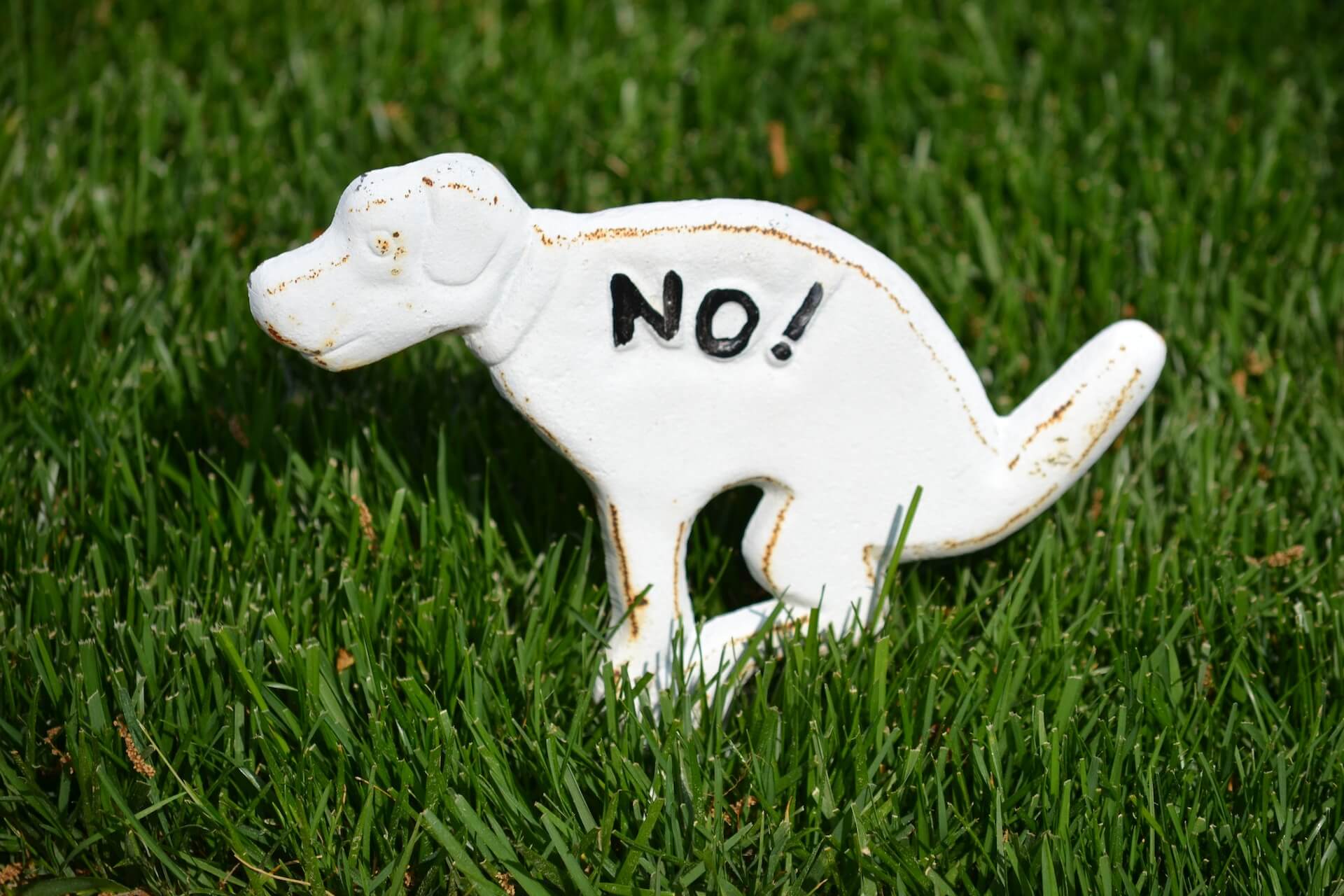
Image Source: www.boredpanda.com
Establishing Good Habits: Training Your Canine Companion
Training is the cornerstone of preventing unwanted dog poop in your yard. A well-trained dog is more likely to use designated areas and less likely to create messes unexpectedly. This isn’t just about yard maintenance; it’s about building a good relationship with your pet.
H4: The Power of Potty Training
Successful potty training is crucial. It teaches your dog where it is appropriate to relieve itself.
- Start Early: Begin potty training as soon as you bring your puppy home.
- Consistency is Key: Take your dog to the same spot in the yard every time.
- Positive Reinforcement: Reward your dog with praise and treats immediately after they eliminate in the correct area.
- Supervision: Keep a close eye on your dog when they are outside. If you see them sniffing around or circling, take them to their designated spot.
- Accident Management: If an accident happens indoors, clean it thoroughly with an enzymatic cleaner to eliminate odors that might attract them back to the same spot. Never punish your dog for accidents.
H4: Creating Designated Relief Zones
Designating specific areas for your dog to do its business can significantly reduce random messes around your lawn. This is a practical approach to pet waste management.
- Choose a Spot: Select a corner of your yard or a specific patch of grass.
- Make it Appealing: You can make this area more attractive to your dog by using a different ground cover, like pea gravel or wood chips, if you prefer.
- Frequent Visits: Consistently take your dog to this spot. The familiar scent can encourage them to use it again.
- Positive Association: Continue to praise and reward them when they use the designated zone.
H4: Leash Walks and Outdoor Dog Habits
While your own yard is a primary concern, controlling your dog’s outdoor dog habits on walks is also important.
- Always Carry Bags: Be prepared to clean up after your dog on walks. This is part of responsible pet ownership.
- Avoid Other People’s Lawns: Train your dog to avoid relieving themselves on other people’s property. This shows respect for your neighbors and prevents potential conflicts.
- Off-Leash Control: If you have a securely fenced yard, you might allow your dog off-leash. However, even then, encouraging designated areas is beneficial for backyard cleanup.
Proactive Measures for a Pristine Lawn
Beyond training, several proactive steps can help prevent dog poop from becoming a nuisance on your lawn. These are essential for effective yard maintenance.
H4: Regular Dog Waste Removal
The most straightforward way to prevent poop on your lawn is to remove it promptly. This is the most direct form of dog waste removal.
- Daily Sweep: Make it a habit to walk around your yard daily with a waste bag and scoop up any droppings.
- After Rain: Rain can sometimes wash waste into the soil or spread it around, so a post-rain sweep is a good idea.
- Utilize Tools: Invest in a good quality poop scooper or rake to make the job easier and more sanitary.
H4: Utilizing Pet-Friendly Deterrents
Sometimes, you might find other animals or even stray dogs using your lawn as a toilet. Using deterrents can help.
- Natural Repellents: Many natural ingredients can deter dogs.
- Citrus Peels: The strong scent of citrus peels (oranges, lemons, grapefruit) can be off-putting to dogs. Scatter them around your lawn.
- Vinegar: A diluted vinegar solution sprayed around the perimeter of your lawn can also act as a deterrent. Be cautious, as too much vinegar can harm grass.
- Essential Oils: Oils like eucalyptus, citronella, and peppermint can be effective when diluted and sprayed. Always test in a small area first.
- Commercial Deterrents: Several commercial dog repellents are available. Look for products that are specifically designed for lawns and are labeled as pet friendly solutions. Always follow the product instructions carefully.
- Motion-Activated Sprinklers: These devices release a burst of water when they detect motion, startling animals without causing harm. They can be very effective for deterring dogs from entering your yard.
H4: Addressing Dog Urine Lawn Damage
While poop is a visible problem, dog urine lawn damage can also be a significant issue. Urine contains nitrogen, which can burn the grass, leaving unsightly brown spots.
- Encourage Hydration: Ensure your dog drinks plenty of water. This dilutes their urine, making it less concentrated and less damaging.
- Dietary Supplements: Some dietary supplements are available that claim to reduce the nitrogen content in dog urine. Consult your veterinarian before giving your dog any supplements.
- Rinse Affected Areas: If you catch your dog urinating on the grass, immediately rinse the area with plenty of water. This helps dilute the urine before it can damage the grass blades.
- Designated “Pee Spots”: Similar to designated poop spots, you can train your dog to urinate on a specific patch of gravel or mulch. This area will receive the brunt of the urine damage, protecting the rest of your lawn.
Effective Pet Waste Management Strategies
Efficient pet waste management goes beyond just picking up poop; it involves having a system in place.
H4: Waste Receptacles and Disposal
Having a convenient and designated place to dispose of collected dog waste is important.
- Dedicated Bin: Use a small, lidded trash bin specifically for dog waste in your yard. This helps with pet odor control.
- Bagging: Always use biodegradable poop bags. This is an environmentally friendly approach.
- Disposal Options:
- Regular Trash: For most people, bagged dog waste goes into the regular household trash.
- Composting: If you are an avid gardener, you can compost dog waste, but it requires a specific hot composting method to kill pathogens. Research this thoroughly before attempting it.
- Dog Waste Digesters: These are in-ground systems that break down dog waste using bacteria. They are a more advanced but effective solution for larger yards.
H4: Keeping Your Yard Clean and Odor-Free
Maintaining a clean yard also involves managing smells. Good pet odor control is a priority for many homeowners.
- Enzymatic Cleaners: For areas where accidents might occur or for general lawn freshening, enzymatic cleaners break down organic matter, eliminating odors.
- Regular Yard Cleaning: Beyond poop removal, keep leaves and other debris from accumulating, as these can trap odors.
- Aeration: Aerating your lawn can help improve soil health and reduce the intensity of lingering odors.
Advanced Techniques for a Poop-Free Lawn
For persistent issues or for those who want a truly immaculate lawn, consider these advanced methods. These are integral to comprehensive lawn care.
H4: Artificial Turf or Gravel Areas
While not for everyone, replacing sections of your lawn with artificial turf or dedicated gravel areas can be a game-changer.
- Artificial Turf: High-quality artificial turf is permeable and easy to clean. Dog waste can be scooped off, and the turf can be rinsed down. It’s a durable and low-maintenance option that also prevents dog urine lawn damage.
- Gravel or Mulch Patios: Designating a specific area with gravel or mulch for your dog to relieve themselves can contain the mess and odors. This area can be easier to clean and manage than grass.
H4: Lawn Treatments and Fertilizers
Certain lawn treatments can help strengthen grass to withstand minor wear and tear, but they won’t prevent poop. However, some people use specialized fertilizers that claim to improve grass resilience.
- Soil Health: Focus on maintaining healthy soil. Aeration and proper fertilization will create a more robust lawn that can recover from minor incidents better.
- Avoid Over-Fertilizing: Too much nitrogen can make your grass grow too fast and become weaker, making it more susceptible to damage from urine.
Troubleshooting Common Issues
Even with the best efforts, you might encounter challenges. Here’s how to address them.
H4: What if Other Dogs Use My Yard?
If neighborhood dogs are frequently visiting your yard to relieve themselves, you need to focus on deterring dogs.
- Secure Fencing: Ensure your fence is in good repair and tall enough to prevent dogs from jumping over.
- Visual Barriers: Planting dense shrubs or installing decorative fencing can make your yard less inviting.
- Scent Deterrents: As mentioned earlier, natural and commercial deterrents can be effective. Reapply them regularly, especially after rain.
- Communicate with Neighbors: If you know whose dogs are using your yard, a friendly conversation might resolve the issue.
H4: Can I Use Sprinklers to Wash Away Poop?
While sprinklers can rinse away urine, they are not an effective method for removing dog poop. In fact, it can spread bacteria and make the problem worse. Dog waste removal requires physical scooping.
H4: How Often Should I Scoop?
Ideally, you should scoop dog waste removal daily to prevent accumulation, odor, and potential health hazards.
A Checklist for a Clean Yard
Here’s a quick rundown to help you implement these strategies:
| Strategy | Frequency | Notes |
|---|---|---|
| Potty Training Reinforcement | Daily | Reward good behavior consistently. |
| Designated Relief Zone Visits | Daily | Take your dog to their spot. |
| Dog Waste Removal | Daily | Scoop all droppings. |
| Lawn Inspection | Daily | Check for any accidents or unwanted visitors. |
| Deterrent Application (if used) | Weekly/Bi-weekly | Reapply after rain or heavy dew. |
| Rinse Urine Spots | As needed | Immediately after witnessing urination. |
| Yard Cleaning & Debris Removal | Weekly | Keep the area tidy for better pet odor control. |
| Fence/Yard Check | Monthly | Ensure no breaches or points of entry for other animals. |
By implementing these steps, you can significantly reduce, if not eliminate, dog poop from your lawn. Consistent effort in pet waste management, coupled with effective training and the right pet friendly solutions, will lead to a cleaner, more enjoyable outdoor space. Remember, good lawn care also includes managing pet contributions!
Frequently Asked Questions (FAQ)
Q1: What are the health risks of not removing dog poop promptly?
A: Dog feces can contain harmful bacteria and parasites such as E. coli, Salmonella, Giardia, and roundworms. These can contaminate your soil, spread to other pets, and even pose a risk to human health, especially children who play in the yard. Prompt dog waste removal is essential for hygiene.
Q2: Will commercial dog repellents hurt my grass?
A: Most reputable commercial dog repellents are formulated to be safe for lawns. However, it’s always best to read the product label carefully and test the repellent in a small, inconspicuous area of your lawn before applying it broadly. Over-application or using a product not designed for lawns could potentially cause dog urine lawn damage or harm your grass.
Q3: How can I stop my dog from digging in the yard?
A: While not directly related to poop, digging can disrupt your yard maintenance. To stop digging, provide your dog with plenty of exercise and mental stimulation. You can also create a designated digging area (like a sandbox) and redirect them to it when they start digging in unwanted spots. Positive reinforcement is key.
Q4: Is it okay to let my dog poop on my lawn if I plan to clean it up later?
A: While cleaning it up later is better than not cleaning it up at all, it’s not ideal. Dog waste left on the lawn for even a short period can still leach nutrients into the soil, potentially causing dog urine lawn damage (if urine is mixed) and can attract pests. Prompt dog waste removal is the best practice for overall lawn care and hygiene.
Q5: What’s the best way to manage waste if I have multiple dogs?
A: If you have multiple dogs, a consistent routine for pet waste management becomes even more critical. Invest in a good quality, large scooper or rake, and consider a dedicated outdoor bin with a tight-fitting lid to manage the volume and control odors. Daily dog waste removal is a must.
Q6: Can I use coffee grounds to deter dogs from my lawn?
A: Some people report success with coffee grounds as a deterrent due to their strong scent. However, the effectiveness can vary, and large amounts might alter soil pH. It’s generally considered a mild deterrent and may not be sufficient on its own for serious deterring dogs issues.