
What are brown spots on my lawn and how do I fix them? Brown spots on your lawn are typically caused by disease, pests, or environmental stress, and treating them involves identifying the cause and applying the correct remedy, often through proper watering, aeration, and targeted treatments.
Seeing brown spots on your lawn can be disheartening, turning a vibrant green carpet into a patchwork of unsightly patches. These dry, dead areas can pop up for many reasons, from simple neglect to more complex lawn diseases and pesky insects. Fathoming the root cause is the first step to bringing your lawn back to its lush glory. This guide will equip you with expert tips for treating brown spots on your lawn, addressing common culprits and providing actionable solutions for revitalizing brown lawn areas.
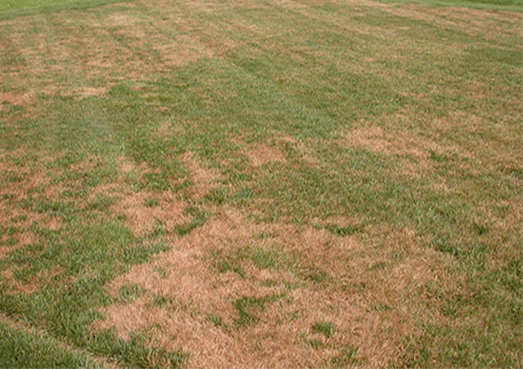
Image Source: weedman.com
Identifying the Culprit: What’s Causing Those Brown Spots?
Before you grab any products, it’s crucial to accurately diagnose what’s wrong with your grass. Many issues can lead to dead grass spots and brown areas lawn development. Proper lawn disease identification is paramount for effective treatment.
Common Causes of Brown Spots
Here’s a breakdown of the most frequent offenders:
- Fungal Diseases: This is a major contributor to lawn browning. Different fungi thrive in specific conditions, leading to various symptoms. Lawn fungus treatment will depend on the specific type of fungus.
- Insects/Grubs: Undesirable guests like grubs and chinch bugs feed on grass roots, causing the grass above to die and turn brown. Effective lawn grub treatment is vital here.
- Drought Stress: Lack of sufficient water is a simple yet common cause of browning, especially during hot, dry periods.
- Compacted Soil: When soil becomes too dense, roots struggle to get air, water, and nutrients, leading to stressed, browning grass.
- Pet Urine: The high nitrogen content in pet waste can scorch grass, leaving behind distinct brown spots.
- Mower Blade Damage: Dull mower blades tear grass blades instead of cutting them cleanly, leaving shredded, brown tips that can eventually lead to larger brown patches.
- Fertilizer Burn: Applying too much fertilizer or applying it unevenly can “burn” the grass, causing it to turn brown.
- Thatch Buildup: An excessive layer of dead organic matter can block water and nutrients from reaching the soil, stressing the grass.
Visual Clues for Diagnosis
Observing the pattern and appearance of the brown spots can offer significant clues:
- Circular Patches: Often indicative of fungal diseases like dollar spot or fairy ring.
- Irregularly Shaped Patches: Can point to grub damage or drought stress.
- Yellow Patches Lawn: Sometimes a precursor to brown spots, these can signal nutrient deficiencies or early stages of disease.
- Brown Leaf Spots Lawn: Small, distinct brown spots on individual grass blades suggest certain fungal infections.
- Peeling Sod: If the brown grass pulls up easily like a carpet, grub damage is a strong possibility.
Tackling Lawn Fungus: A Step-by-Step Approach
Fungal diseases are notorious for causing brown areas lawn. Effective lawn fungus treatment requires a multi-pronged strategy.
Step 1: Confirming Fungal Activity
Look for tell-tale signs beyond just the brown color:
- Webbing: A fine, cobweb-like growth, especially visible in the early morning dew, can indicate dollar spot or brown patch.
- Distinct Ring Patterns: Fairy rings create circles of darker green grass, rings of mushrooms, or rings of dead grass.
- Mushrooms: While not always a sign of disease, their presence can sometimes accompany fungal issues.
Step 2: Cultural Controls – The Foundation of Treatment
Before reaching for chemicals, focus on improving your lawn’s overall health. These practices are also key for lawn disease prevention.
- Proper Watering:
- Water deeply and infrequently. Aim for about 1 inch of water per week, delivered in one or two applications.
- Water early in the morning. This allows the grass to dry before nightfall, reducing the environment where fungi thrive.
- Avoid overhead watering late in the evening.
- Adequate Sunlight: Most turfgrasses need at least 4-6 hours of direct sunlight per day. Trim overhanging branches if necessary.
- Good Air Circulation: Prune trees and shrubs surrounding the lawn to improve airflow.
- Proper Mowing:
- Keep mower blades sharp.
- Mow at the correct height for your grass type. Taller grass shades the soil, keeping it cooler and moister, which can help prevent some diseases.
- Avoid mowing when the grass is wet.
- Fertilization:
- Fertilize according to your grass type and soil test results.
- Avoid over-fertilizing, especially with high-nitrogen fertilizers, as this can make grass more susceptible to disease.
- Thatch Management:
- Dethatch your lawn if the thatch layer is more than half an inch thick. This can be done with a power rake or dethatching machine.
- Core aeration also helps break up thatch and improve soil structure.
Step 3: Chemical Treatments (When Necessary)
If cultural controls aren’t enough, fungicides can be employed.
- Choosing the Right Fungicide:
- Systemic Fungicides: Absorbed by the grass and protect it from within. They are generally more effective for preventing and treating established diseases.
- Contact Fungicides: Sit on the surface of the grass and kill fungi on contact. They are best used for preventative measures or early-stage infections.
- Application:
- Always read and follow label instructions carefully.
- Apply when the disease is first suspected or diagnosed.
- Ensure even coverage.
- Consider rotating fungicides with different active ingredients to prevent the development of resistant fungi.
Table 1: Common Lawn Fungi and Their Characteristics
| Disease Name | Symptoms | Best Treatment Approach |
|---|---|---|
| Brown Patch | Circular to irregular patches of straw-colored or brown grass, often with a smoky gray or tan border. May have a “smoke ring” appearance. | Improve air circulation, proper watering, moderate fertilization. Systemic fungicides are effective when applied early. |
| Dollar Spot | Small, straw-colored spots (about the size of a silver dollar) that can merge into larger patches. Silvery-white webbing may be visible. | Aeration, proper watering, adequate nitrogen fertilization. Contact or systemic fungicides for severe outbreaks. |
| Leaf Spot | Small, brown or black spots on individual grass blades. Can cause overall yellowing or browning of the lawn. | Proper mowing height, improved air circulation, avoid over-watering. Fungicides if severe. |
| Rust | Yellowish or orange powdery substance on grass blades; blades may turn yellow and then brown. | Aeration, proper watering, balanced fertilization. Can be addressed with fungicides if severe. |
| Fairy Ring | Circular rings of darker green grass, mushrooms, or dead grass. | Aeration and topdressing with soil. For severe cases, watering with a wetting agent or applying specific fungicides may help. |
Battling Lawn Pests: Eliminating the Underground Invaders
When your lawn looks like it’s being eaten from below, it’s time to consider pest control, particularly lawn grub treatment.
Identifying Grub Damage
Grubs are the larval stage of several types of beetles. They live in the soil and feed on grass roots.
- Symptoms:
- Spongy feel to the lawn.
- Grass that pulls up easily like a carpet (this is the most definitive sign).
- Irregularly shaped brown patches that enlarge over time.
- Increased activity of birds, moles, and skunks, which feed on grubs.
Grub Treatment Options
- Preventative Treatments: Apply insecticides in late spring or early summer to kill grubs before they hatch and cause significant damage.
- Curative Treatments: Apply insecticides when you see signs of damage. Water the insecticide into the soil to reach the grubs.
Table 2: Common Lawn Pests and Their Impact
| Pest Name | Target/Damage | Treatment Strategy |
|---|---|---|
| Grubs | Feed on grass roots, causing wilting, browning, and death. | Preventative insecticides in late spring/early summer. Curative insecticides for active infestations. Water in treatments. |
| Chinch Bugs | Suck sap from grass blades, causing yellow and brown patches. | Maintain a healthy lawn, avoid excessive nitrogen fertilization. Insecticides can be used. |
| Billbugs | Larvae tunnel into grass stems and feed on the crown. | Preventative insecticides. Proper mowing height can help reduce damage. |
Environmental Factors and DIY Solutions
Sometimes, the culprit isn’t a disease or pest but rather a harsh environment or a simple mistake.
Addressing Drought Stress
When rain is scarce, your lawn will show it.
- Deep, Infrequent Watering: As mentioned earlier, this encourages deeper root growth, making grass more resilient.
- Mulching: Applying a layer of mulch around trees and shrubs can help retain soil moisture.
- Adjust Mowing: Raise your mower height during dry spells to shade the soil.
Dealing with Compacted Soil
Compaction restricts root growth and water penetration.
- Core Aeration: This process pulls out small plugs of soil, allowing air, water, and nutrients to reach the root zone. It’s highly recommended for revitalizing brown lawn areas caused by compaction.
- Topdressing: After aeration, adding a thin layer of compost or a quality topsoil can further improve soil structure.
Mower Maintenance
- Sharpen Blades: Regularly sharpen your mower blades. Dull blades tear grass, creating entry points for disease and leading to brown tips.
Fertilizer Burn Recovery
- Water Thoroughly: If you suspect fertilizer burn, water the affected areas immediately and deeply to help flush out excess salts.
- Avoid Fertilizing Again Soon: Give the lawn time to recover before applying any more fertilizer.
Pet Urine Spots
- Encourage Hydration: Encourage your pet to drink more water.
- Flush the Area: Immediately after your pet urinates on the lawn, water the spot thoroughly to dilute the nitrogen.
- Train Your Pet: Designate a specific potty area for your pet.
Restoring Your Lawn: Bringing Back the Green
Once you’ve identified and begun treating the cause of the brown spots, you’ll want to focus on recovery.
Revitalizing Brown Lawn Areas
- Rake and Remove Debris: Gently rake out dead grass and any thatch in the affected areas. This improves air circulation and allows new growth to emerge.
- Overseeding: For larger brown patches, overseeding is often necessary.
- Prepare the soil by lightly loosening it with a rake.
- Choose a high-quality grass seed blend suitable for your climate and existing grass type.
- Spread the seed evenly over the bare or thin areas.
- Lightly rake the seed into the soil.
- Keep the seeded area consistently moist until germination occurs.
- Watering: Continue with proper watering practices to support new growth.
- Fertilizing (Post-Recovery): Once new grass is established, a balanced lawn fertilizer can help promote strong root development and overall health.
Long-Term Lawn Health and Prevention
The best way to deal with brown spots is to prevent them from happening in the first place. Strong lawn disease prevention strategies are key.
- Regular Aeration: Aerate your lawn annually or bi-annually to combat soil compaction.
- Proper Fertilization Schedule: Follow a balanced fertilization program tailored to your grass type.
- Consistent Mowing Practices: Keep mower blades sharp and mow at the appropriate height.
- Water Wisely: Adhere to deep, infrequent watering schedules.
- Monitor for Pests: Regularly inspect your lawn for signs of insect activity. Early detection makes lawn grub treatment and other pest control much easier.
- Soil Testing: Conduct soil tests every few years to check for nutrient deficiencies or pH imbalances that could stress your lawn.
Frequently Asked Questions (FAQ)
Q1: How quickly can I expect to see results after treating brown spots?
A1: Results vary depending on the cause and the treatment. For fungal diseases, you might see improvement within a week or two. For grub damage, it can take several weeks for the grass to recover and for overseeded areas to establish. Environmental stress recovery depends on weather patterns.
Q2: Can I just water my lawn more to fix brown spots?
A2: While proper watering is crucial, overwatering can actually worsen some fungal diseases. Deep, infrequent watering is generally best. If the brown spots are due to drought, then yes, increased watering will help.
Q3: When is the best time to overseed my lawn?
A3: The best times for overseeding are typically fall or early spring, when temperatures are moderate, and there’s adequate moisture for germination and establishment.
Q4: How do I know if I have grubs or a fungal disease?
A4: Grubs cause the lawn to pull up easily like a carpet, indicating root damage. Fungal diseases often present with specific spot patterns, webbing, or colored lesions on the grass blades. A close inspection of the grass and soil is key for lawn disease identification.
Q5: Is it safe to use chemicals on my lawn?
A5: Always use lawn care products, including fungicides and insecticides, according to the label instructions. This ensures safety for your family, pets, and the environment, and maximizes the product’s effectiveness. Proper application is essential for successful lawn fungus treatment and lawn grub treatment.
By following these expert tips, you can effectively diagnose, treat, and prevent brown spots on your lawn, ensuring a healthy, vibrant, and green outdoor space. Remember, consistent and proper lawn care tips are your best defense against common lawn problems.