
Here’s a comprehensive guide on how to secure commercial lawn care contracts:
How do I get commercial lawn care contracts? To get commercial lawn care contracts, you need a clear strategy that includes identifying prospects, crafting compelling proposals, building relationships, and demonstrating your value proposition consistently.
In today’s competitive market, landing lucrative commercial contracts can feel like a significant hurdle. But with the right approach, you can consistently win grounds maintenance contracts and build a thriving business. This guide will equip you with the knowledge and actionable steps needed to secure commercial landscaping agreements and attract high-value commercial property mowing clients. We’ll cover everything from finding leads to delivering exceptional service that keeps clients coming back for more.
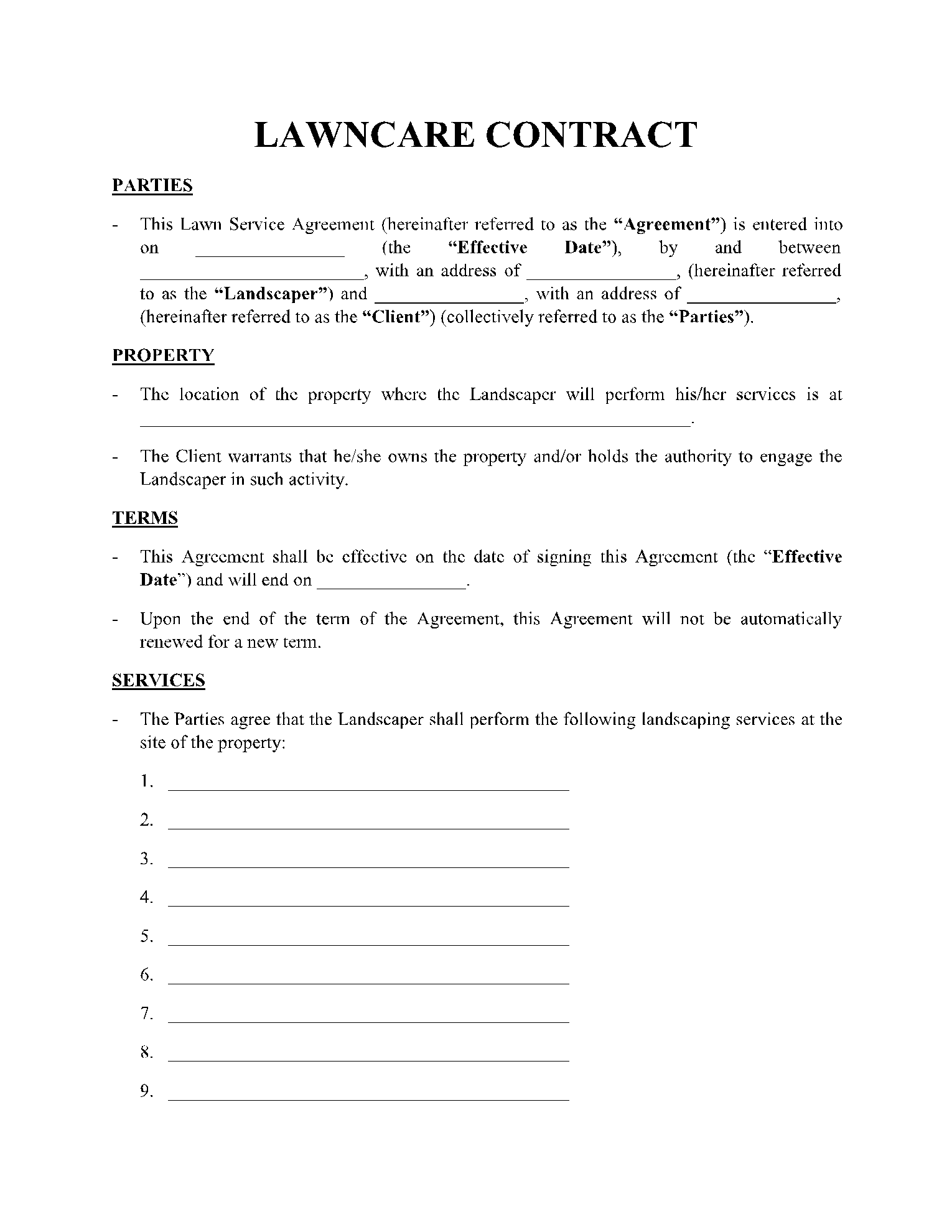
Image Source: source.cocosign.com
Identifying Your Ideal Commercial Client
Before you can win any contract, you need to know who you’re targeting. Commercial clients come in various forms, each with unique needs and expectations.
Types of Commercial Properties to Target
- Office Buildings and Corporate Campuses: These often require meticulous upkeep to present a professional image. They are prime targets for business lawn care services.
- Retail Centers and Shopping Malls: Curb appeal is crucial for attracting customers, making them ideal for commercial outdoor maintenance contracts.
- Homeowners Associations (HOAs): HOAs manage multiple properties within a community and frequently outsource landscaping and maintenance.
- Industrial Parks: While often less focused on aesthetics, these areas still require functional and safe groundskeeping.
- Healthcare Facilities (Hospitals, Clinics): These sites demand a high level of cleanliness and a welcoming, serene environment.
- Educational Institutions (Schools, Universities): Budgets and seasonal needs are key considerations here.
- Hospitality Venues (Hotels, Restaurants): A beautiful exterior significantly impacts guest experience.
- Government Buildings and Municipal Properties: These often involve public bidding processes.
Researching Prospects
Once you’ve identified potential client types, you need to find specific businesses.
Methods for Prospect Research:
- Online Directories: Google Maps, Yelp, and industry-specific directories are excellent starting points. Look for businesses with large grounds.
- Local Business Associations: Chamber of Commerce websites and local business networking groups can provide lists of companies.
- Driving for Dollars: Physically drive through commercial areas and identify properties that could benefit from your services. Look for overgrown areas, bare patches, or outdated landscaping.
- Property Management Companies: These companies manage multiple commercial properties and are key gatekeepers. Building relationships with them is vital for acquiring corporate landscaping clients.
- LinkedIn: Search for property managers, facility managers, and business owners in your target areas.
Crafting Compelling Commercial Lawn Care Bids
Your bid is often the first detailed impression you make. It needs to be professional, comprehensive, and persuasive.
Key Components of a Winning Proposal
A strong proposal demonstrates your professionalism and commitment to quality. It should clearly outline the services you will provide and the value you bring.
Essential Proposal Elements:
-
Cover Letter:
- Address the proposal to a specific contact person if possible.
- Clearly state the purpose of the proposal.
- Briefly introduce your company and its expertise.
- Express enthusiasm for the opportunity.
-
Executive Summary:
- A brief overview of the client’s needs and your proposed solution.
- Highlight the key benefits they will receive.
- This should capture their attention immediately.
-
Company Overview:
- Your company’s history, mission, and values.
- Highlight your experience in commercial grounds management.
- Showcase your credentials, licenses, and insurance.
-
Scope of Services:
- Detailed Description: List all services to be performed (e.g., mowing, edging, trimming, fertilization, weed control, aeration, seasonal cleanups, irrigation maintenance, snow removal if applicable).
- Frequency: Specify how often each service will be performed (e.g., weekly mowing, monthly fertilization).
- Quality Standards: Define the expected level of service (e.g., grass height, trimming precision).
-
Pricing:
- Clear Breakdown: Itemize costs for each service.
- Contract Term: Specify the duration of the agreement.
- Payment Terms: Outline billing cycles and payment methods.
- Options: Consider offering tiered service packages if appropriate.
-
Schedule/Timeline:
- Outline when services will begin.
- Provide a seasonal calendar of planned activities.
-
Client Testimonials & Case Studies:
- Include positive feedback from existing commercial clients.
- Showcase successful projects with similar properties.
-
Insurance and Licensing:
- Provide proof of general liability insurance, worker’s compensation, and any relevant licenses. This is crucial for commercial clients.
-
Contract Terms and Conditions:
- Detail cancellation policies, dispute resolution, and other legal aspects.
Pricing Strategies for Commercial Contracts
Pricing commercial lawn care is different from residential. You need to account for larger areas, more equipment, and potentially more complex needs.
Pricing Considerations:
- Square Footage: The most basic metric for calculating mowing and fertilization costs.
- Complexity of Terrain: Slopes, obstacles, and difficult-to-access areas can increase labor time.
- Equipment Needs: Larger properties may require specialized equipment, impacting overhead.
- Labor Costs: Factor in wages, benefits, and training for your crew.
- Material Costs: Fertilizer, pesticides, mulch, plants, etc.
- Overhead: Insurance, fuel, vehicle maintenance, administrative costs.
- Profit Margin: Ensure your pricing allows for sustainable growth.
- Value-Added Services: Don’t just bid on mowing; consider offering comprehensive grounds management.
Presenting Professional Lawn Maintenance Proposals
The way your proposal looks matters. It reflects your brand and attention to detail.
Presentation Tips:
- Branding: Use your company logo, colors, and professional fonts.
- Clarity and Readability: Use clear headings, bullet points, and white space.
- Professional Formatting: Ensure it’s well-organized and easy to navigate.
- Proofread Meticulously: Errors undermine your credibility.
- Digital vs. Print: Offer both options if appropriate. High-quality PDFs are standard.
Mastering B2B Lawn Care Sales and Marketing
Selling to businesses requires a different approach than selling to homeowners. It’s about building trust and demonstrating ROI.
Developing a Sales Funnel for Commercial Clients
A structured sales process helps you systematically attract and convert leads.
Sales Funnel Stages:
- Awareness: Making potential clients aware of your business.
- Tactics: Online advertising (Google Ads targeting “commercial landscaping services”), direct mail to commercial properties, networking events, truck signage.
- Interest: Getting prospects to engage with your company.
- Tactics: Website with dedicated commercial services page, downloadable brochures, case studies, informative blog posts about commercial grounds management.
- Consideration: Prospects evaluating your services against competitors.
- Tactics: Personalized consultations, detailed proposals, site assessments, free initial consultations.
- Decision: The prospect chooses your company.
- Tactics: Clear contracts, competitive pricing, strong references, exceptional customer service during the sales process.
- Retention & Advocacy: Keeping clients happy and turning them into advocates.
- Tactics: Consistent high-quality service, proactive communication, regular check-ins, loyalty programs.
Leveraging Digital Marketing for Commercial Grounds Management Leads
Your online presence is critical for attracting business clients.
Digital Marketing Strategies:
- Website Optimization: Ensure your website has a dedicated section for commercial services, showcasing your capabilities, experience, and portfolio. Use keywords like “commercial landscaping bids,” “winning grounds maintenance contracts,” and “business lawn care services.”
- Search Engine Optimization (SEO): Rank for relevant local searches. Target keywords such as “commercial lawn care [your city],” “office park landscaping,” “HOA grounds maintenance.”
- Google My Business: Optimize your profile with accurate information, photos of your commercial work, and encourage reviews from satisfied clients.
- Paid Advertising (PPC): Run Google Ads campaigns targeting decision-makers looking for commercial outdoor maintenance contracts.
- Social Media Marketing: LinkedIn is particularly effective for B2B. Share industry insights, showcase completed projects, and engage with potential clients and property managers. Facebook and Instagram can be used for broader brand awareness and visual appeal of your work.
- Email Marketing: Build an email list of prospects and past clients. Send out newsletters with seasonal tips, service updates, and special offers.
Networking and Relationship Building
In B2B sales, relationships are paramount.
Effective Networking Strategies:
- Attend Industry Events: Join local business groups, Chamber of Commerce meetings, and property management associations.
- Connect with Complementary Businesses: Partner with commercial cleaning companies, building maintenance services, or commercial real estate agents.
- Follow Up Consistently: Don’t just hand out a business card. Schedule follow-up calls or meetings to build rapport.
- Offer Value: Share your expertise. Offer a free consultation or a quick property assessment.
Showcasing Expertise and Building Trust
Clients need to believe you are capable of handling their property’s needs.
Demonstrating Capability and Professionalism
- Professional Appearance: Ensure your crews, vehicles, and equipment are clean and well-maintained.
- Clear Communication: Respond promptly to inquiries, provide regular updates, and be transparent about any issues.
- Highly Trained Staff: Invest in training your employees on best practices, safety, and customer service.
- Safety Protocols: Emphasize your commitment to safety, especially for large commercial properties with public access. Provide copies of your safety plan.
- Portfolio and References: Have a strong portfolio showcasing your commercial projects and be ready to provide references upon request.
Using Testimonials and Case Studies Effectively
Real-world examples are powerful sales tools.
Leveraging Social Proof:
- Gather Testimonials: Actively ask satisfied commercial clients for written or video testimonials.
- Develop Case Studies: Detail specific challenges faced by clients and how your services provided solutions and delivered results (e.g., improved curb appeal leading to higher retail traffic, enhanced safety on a corporate campus).
- Feature on Website and Proposals: Integrate these prominently on your website and in your commercial landscaping bids.
Executing and Managing Commercial Contracts
Winning the contract is just the beginning. Excellent execution is key to retention and future business.
Setting Up for Success: Pre-Contract Planning
Before the ink dries, ensure you’re ready.
Pre-Contract Checklist:
- Site Walkthrough: Conduct a thorough site assessment with the client to confirm all details.
- Crew Briefing: Educate your team on the specific needs and expectations of the new client.
- Equipment Check: Ensure all necessary equipment is in good working order and appropriate for the job.
- Scheduling: Confirm start dates and initial service schedules.
- Client Communication Protocol: Agree on how you will communicate and who the primary point of contact will be.
Delivering Consistent High-Quality Service
This is the cornerstone of client retention and securing repeat business or expanded contracts.
Key Service Delivery Elements:
- Adherence to Schedule: Punctuality and reliability are non-negotiable.
- Attention to Detail: Go the extra mile. Clean up blowing debris, ensure equipment is properly stored, and maintain a tidy work area.
- Proactive Problem-Solving: Identify potential issues (e.g., pest infestations, irrigation leaks) before they become major problems and inform the client.
- Regular Communication: Provide periodic reports on services performed, property conditions, and any recommendations.
- Adaptability: Be prepared to adjust services based on seasonal changes or client requests, within the scope of the contract or via change orders.
Client Communication and Relationship Management
Strong relationships lead to long-term partnerships.
Effective Communication Practices:
- Designated Account Manager: Assign a specific point of contact for each commercial client.
- Regular Check-ins: Schedule monthly or quarterly review meetings to discuss performance and address any concerns.
- Feedback Mechanisms: Encourage clients to provide feedback and act on it.
- Proactive Updates: Inform clients about weather-related delays or schedule changes well in advance.
- Surprise and Delight: Occasionally go above and beyond with a small gesture, like a complimentary seasonal cleanup or a small planting project, to show appreciation.
Expanding Your Commercial Lawn Care Business
Once you’ve secured initial contracts, focus on growth and scaling.
Upselling and Cross-selling Services
- Seasonal Enhancements: Offer spring planting, fall cleanup, holiday lighting, or mulching services.
- Specialized Treatments: Propose pest control, disease management, or advanced fertilization programs.
- Irrigation System Maintenance: If you offer it, this is a natural add-on.
- Tree and Shrub Care: Expand services to include pruning, fertilization, and disease prevention for trees and shrubs.
Securing Repeat Business and Referrals
Happy clients are your best sales force.
Strategies for Repeat Business:
- Excellent Service: The foundation of everything.
- Loyalty Programs: Offer discounts for contract renewals or for clients who sign longer-term agreements.
- Referral Incentives: Reward existing clients for referring new commercial business.
- Stay Top-of-Mind: Continue marketing and communication efforts even with existing clients to remind them of your full range of services.
Scaling Your Operations for Commercial Demands
Growth requires efficient operations.
Operational Scaling Tips:
- Invest in Equipment: Acquire larger, more efficient mowers, trimmers, blowers, and vehicles as your client base grows.
- Team Expansion and Training: Hire and train additional crew members and supervisors.
- Software Solutions: Implement CRM (Customer Relationship Management) software to manage leads, clients, and schedules. Use scheduling and routing software to optimize efficiency.
- Efficient Routing: Plan routes for your crews to minimize travel time and fuel costs.
- Fleet Management: Implement a robust system for maintaining your vehicles and equipment.
Overcoming Common Challenges in Commercial Lawn Care Sales
Every industry has its hurdles. Being prepared helps you navigate them successfully.
Competition Analysis
- Know Your Rivals: Identify your main competitors in the commercial sector.
- Differentiate: Focus on what makes your company unique – superior customer service, specialized services, eco-friendly practices, technology integration.
Budget Constraints of Clients
- Offer Flexible Options: Present tiered service packages that cater to different budgets.
- Highlight ROI: Emphasize how your services contribute to property value, tenant satisfaction, and operational efficiency, justifying the cost.
- Negotiate Wisely: Be prepared to negotiate on certain aspects of a bid, but never compromise on quality or your profit margin.
Long Sales Cycles
- Patience and Persistence: Commercial contracts often take longer to secure than residential ones.
- Nurture Leads: Stay in touch with prospects throughout their decision-making process.
- Build Relationships: Focus on building trust and becoming a valued advisor.
Frequently Asked Questions (FAQ)
Q1: How long does it typically take to win a commercial lawn care contract?
A1: The sales cycle can vary greatly, from a few weeks for smaller contracts to several months for larger, more complex agreements, especially those involving public bids. Consistent follow-up and relationship building are key.
Q2: What is the most important factor when submitting commercial landscaping bids?
A2: While price is important, comprehensiveness, professionalism, and demonstrating a clear understanding of the client’s specific needs and expectations are often more critical for winning grounds maintenance contracts. Your ability to offer reliable, high-quality service is paramount.
Q3: Should I offer bundled services or individual pricing for commercial property mowing clients?
A3: Offering bundled packages can simplify the decision for clients and often provide them with cost savings. However, having the option to price individual services can also be beneficial for clients with very specific needs. It’s often best to offer both.
Q4: How do I ensure my commercial outdoor maintenance contracts are profitable?
A4: Accurate cost estimation is crucial. Factor in all direct and indirect costs, including labor, materials, equipment depreciation, fuel, insurance, and administrative overhead. Always include a healthy profit margin to ensure business sustainability and growth.
Q5: Is it better to specialize in certain types of commercial properties or offer a broad range of services?
A5: Specializing can help you build a strong reputation and expertise within a niche market, making it easier to attract specific commercial landscaping clients. However, offering a wider range of services can also attract clients who prefer a single provider for all their grounds management needs. Consider your resources and market demand when making this decision.
By following these strategies, you can significantly improve your chances of securing valuable commercial lawn care contracts and build a sustainable, profitable business. Remember, consistent quality, professional communication, and a commitment to client satisfaction are the pillars of success in the commercial sector.