
What is lawn darts and how do you play? Lawn darts, also known as FlingGolf or Jarts, is a classic outdoor game where players throw large, weighted darts at ground targets, aiming to score points based on proximity. It’s a fantastic backyard dart game that brings people together for some friendly competition.
This guide will walk you through everything you need to know, from the basic lawn dart rules to setting up your game and mastering your throws. Whether you’ve inherited a vintage lawn darts set or are looking for a new outdoor activity, you’ll be playing and scoring like a pro in no time.
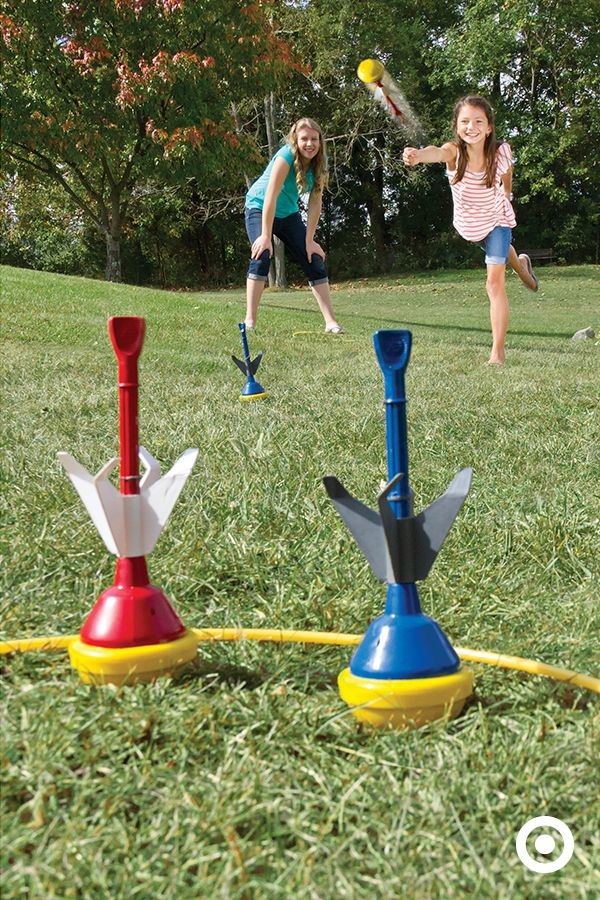
Image Source: hbhspe.weebly.com
The Allure of Lawn Darts: More Than Just a Game
Lawn darts evokes a sense of nostalgia for many, reminding them of simpler times spent outdoors with family and friends. The satisfying thud of a dart landing near the target, the friendly banter, and the warm sun – it’s a recipe for a perfect afternoon. But beyond the sentimental value, lawn darts offers a genuine challenge and a great way to get a little active. It’s a game that appeals to a wide range of ages, making it an ideal addition to any summer gathering, barbecue, or casual get-together.
Why Choose Lawn Darts for Your Next Outdoor Event?
- Easy to Learn: The core concept is simple: throw your darts at the targets.
- Engaging for All Ages: Kids and adults can enjoy playing together.
- Promotes Friendly Competition: It’s a great way to bond and have some lighthearted rivalry.
- Requires Minimal Space: Most backyards are large enough to set up a game.
- Portable: Lawn dart sets are generally easy to transport to parks or other outdoor venues.
Getting Started: What You Need to Play Lawn Darts
Before you can start flinging, you’ll need a proper lawn dart set. While the exact components can vary slightly, most sets include:
Essential Lawn Dart Set Components
- Darts: Typically, there are four darts in a set, usually two of one color and two of another. These are larger and heavier than traditional dartboard darts, with weighted tips and often a ring around the shaft for grip.
- Targets (Hoops or Rings): These are usually brightly colored rings that are placed on the ground. They serve as the scoring zones.
- Ground Stakes (Optional but Recommended): Some target rings come with stakes to keep them firmly in place on softer ground, preventing them from being accidentally moved.
- Instruction Manual: This is crucial for understanding the specific lawn dart rules and scoring for your particular set. Always refer to your lawn dart set instructions for the most accurate guidance.
Choosing the Right Lawn Dart Set
When looking for the best lawn dart games, consider a few factors:
- Durability: Look for sets made from sturdy materials that can withstand outdoor elements.
- Weight and Balance: The darts should feel comfortable and balanced in your hand for a good throw.
- Target Stability: Ensure the target rings are stable and won’t blow away or shift easily.
- Safety Features: Modern sets often have blunt or rubberized tips for increased lawn dart safety.
Deciphering the Lawn Dart Rules: How to Play
The fundamental lawn dart rules are straightforward, but variations exist. Here’s a common way to play, focusing on accuracy and scoring.
Setting Up Your Game
- Choose Your Playing Area: Find a flat, open space in your yard or a park. Ensure there are no obstacles like trees, benches, or holes that could interfere with play or pose a safety hazard.
- Position the Targets: Place the two target rings on the ground, facing each other. The distance between them is a key element of the game. A typical distance is 15 to 20 yards (approximately 13 to 18 meters). You can adjust this distance based on the skill level of the players and the available space. Shorter distances are good for beginners or younger players, while longer distances increase the challenge.
- Divide Players and Assign Darts: Players are typically divided into two teams, with two players per team. Each player on a team will throw two darts. If playing with individual players, each person throws their two darts in turn.
The Goal of the Game
The primary objective of the backyard dart game is to land your darts as close as possible to the target rings, and ideally, in the rings, to score points.
Gameplay Flow
- First Player Throws: A player from one team starts the game by throwing one of their darts towards the opposite target.
- Opposing Player Throws: After the first dart is thrown, a player from the opposing team throws one of their darts.
- Continue Alternating: Players continue to alternate throws, with each player throwing one dart at a time, aiming for the opposite target. This continues until all players have thrown both of their darts.
- Scoring: Once all darts have been thrown, points are awarded based on the position of the darts relative to the target rings.
Lawn Dart Scoring: How Points Are Awarded
There are several ways to approach lawn dart scoring, but a common system rewards points for darts that land inside the target rings.
A Popular Scoring System:
- Target Ring (Bullseye): If a dart lands entirely within a target ring, it scores 3 points.
- Adjacent to Target: If a dart lands outside the ring but is closer to the target than any other dart (and not within a ring), it scores 1 point.
- Ring Knock-Out: In some variations, if a dart lands inside the ring and knocks out an opponent’s dart that was also inside the ring, the thrown dart scores 3 points, and the knocked-out dart scores nothing.
Important Scoring Considerations:
- Measuring: Use a measuring tape or string to determine which dart is closest if there’s any dispute.
- No Overlap: If a dart is touching the line of the target ring, it is typically considered in the ring.
- Dart-on-Dart: If one dart is on top of another, the dart underneath counts for scoring if it’s within a ring or closest. The top dart generally doesn’t score unless it also meets the criteria.
Winning the Game
Most games of lawn darts are played to a predetermined score, often 21 points. The first team or player to reach or exceed this score wins the game. If both teams exceed the score in the same round, the team with the higher score wins. If scores are tied, play continues until one team has a lead.
Mastering Dart Throwing Techniques
While the game is simple, improving your dart throwing techniques can make a big difference. Whether you’re aiming for precision or distance, a good throw is key.
Fundamental Dart Throwing Techniques
- Grip: Hold the dart comfortably. A common grip involves holding the shaft between your thumb and forefinger, with your middle finger supporting it from underneath. Don’t grip too tightly, as this can lead to a stiff arm.
- Stance: Stand with your feet shoulder-width apart, with your non-throwing foot slightly forward. Face the target.
- Aiming: Focus on the target ring. Keep your eye on where you want the dart to go.
- The Throw:
- Backswing: Bring the dart back in a smooth motion, similar to an underhand or overhand toss, depending on your preference.
- Forward Motion: Extend your arm towards the target, releasing the dart at the peak of your motion.
- Follow-Through: Continue your arm’s motion after releasing the dart. This helps with accuracy and consistency.
Tips for Better Lawn Dart Accuracy
- Consistency is Key: Try to replicate your throwing motion every time.
- Practice: The more you practice, the better you’ll become at judging distance and trajectory.
- Wind Conditions: Be mindful of the wind. You may need to adjust your aim or throw with more force on windy days.
- Surface Stability: Ensure the ground around your throwing position is stable so you don’t lose your balance.
Lawn Dart Safety: Playing Responsibly
Lawn dart safety is paramount. While the game is fun, the weighted nature of the darts means they can be dangerous if not handled properly. It’s essential to adhere to modern safety guidelines, especially if you have children playing.
Key Lawn Dart Safety Guidelines:
- Use Modern, Safe Sets: If you have vintage lawn darts, consider purchasing a modern set with blunt or rubberized tips specifically designed for backyard play. These significantly reduce the risk of injury.
- Clear the Playing Area: Before you start, thoroughly inspect the playing area to ensure it’s free of people, pets, and any objects that could be hit or tripped over.
- No Running or Horseplay: Emphasize that players should not run around the playing area, especially when darts are in the air or on the ground.
- Adult Supervision: Always have adult supervision, particularly when children are playing.
- Throw One Dart at a Time: Players should wait for their turn and not throw darts when others are in the path of play.
- Never Throw at People or Animals: This is an absolute rule. Darts should only be thrown at the designated targets.
- Proper Storage: Store your lawn darts safely out of reach of young children when not in use.
- Check Darts for Damage: Before playing, inspect the darts for any cracks or damage that could make them unsafe.
Exploring Different Lawn Dart Games and Variations
While the classic target game is popular, there are other ways to enjoy a garden dart game.
Fun Variations to Try:
- Team Play: As mentioned, teams of two are common. Players can alternate turns within their team or have specific throwing orders.
- Target Placement Challenges: Experiment with different distances between targets. Try a “closest to the center” variation within the rings.
- Points for Closest: A simpler scoring method could be awarding points to the player whose dart is closest to the target ring, regardless of whether it’s inside.
- Obstacle Course: For a more advanced game, create a simple obstacle course where players must navigate their darts around cones or other gentle markers before reaching the target.
- Night Play: With some glow-in-the-dark paint on your darts and targets, you can enjoy a game after sunset. Ensure the playing area is well-lit for safety.
The Nostalgia of Vintage Lawn Darts
Many people have fond memories of playing with vintage lawn darts. These sets, often made with metal tips, were incredibly popular in the mid to late 20th century. However, due to safety concerns, many countries have banned or heavily regulated the sale of vintage lawn dart sets with sharp metal tips.
If you own a vintage set with sharp tips, it is strongly advised to not use them for play. Instead, consider them collector’s items or look for modern sets that replicate the fun without the inherent risks. If you’re determined to play with a vintage set, ensure they have been modified with rubber tips or are used only by responsible adults who understand the safety precautions.
Frequently Asked Questions (FAQ)
Q1: Are lawn darts dangerous?
Lawn darts can be dangerous if played with improperly or with older sets that have sharp metal tips. Modern lawn dart sets are designed with safety in mind, featuring blunt or rubberized tips. Always prioritize safety by following the guidelines provided in this article, especially regarding adult supervision and a clear playing area.
Q2: What is a good distance for setting up lawn darts?
A common and effective distance for setting up the targets is between 15 to 20 yards (approximately 13 to 18 meters). You can adjust this based on the players’ age and skill level. Shorter distances are better for younger players or beginners, while longer distances offer more of a challenge.
Q3: How do you score lawn darts?
A popular scoring system awards 3 points for a dart landing inside a target ring and 1 point for a dart landing closest to the ring without being inside it. Some variations exist, so always refer to your specific lawn dart set instructions.
Q4: Can children play lawn darts?
Yes, children can play lawn darts, but only under strict adult supervision and with modern, safety-designed dart sets. Ensure they understand and follow all safety rules, especially about not running or throwing darts at people.
Q5: Where can I buy lawn darts?
Lawn dart sets can often be found at major sporting goods stores, general merchandise retailers, and online marketplaces. Look for sets specifically labeled as “lawn darts” or “backyard dart games.”
Q6: What are some alternative garden dart games?
Besides the classic target game, you can try variations like team play, adjusting target distances, or playing a “closest to the pin” style game where the goal is simply to get closest to the target ring.
Q7: What are the dimensions of a lawn dart target?
The diameter of target rings can vary slightly between sets, but they are typically around 12 to 18 inches in diameter. This provides a reasonable target area for players.
Q8: How many players can play lawn darts?
Lawn darts can be played with as few as two players (one-on-one) or up to four players divided into two teams. Larger groups can rotate in and out.
Q9: What makes vintage lawn darts different?
Vintage lawn darts, popular decades ago, often featured sharp metal tips. Modern sets have largely replaced these with blunt or rubberized tips for improved lawn dart safety. While vintage sets have a nostalgic appeal, they pose a greater safety risk.
Conclusion: Embrace the Fun of Lawn Darts
Lawn darts offers a timeless blend of skill, strategy, and outdoor enjoyment. By familiarizing yourself with the basic lawn dart rules, focusing on safe play, and perhaps even refining your dart throwing techniques, you can create memorable moments and friendly competition for everyone in your backyard. So, gather your friends and family, set up those targets, and get ready for a fantastic time playing this classic garden dart game!