
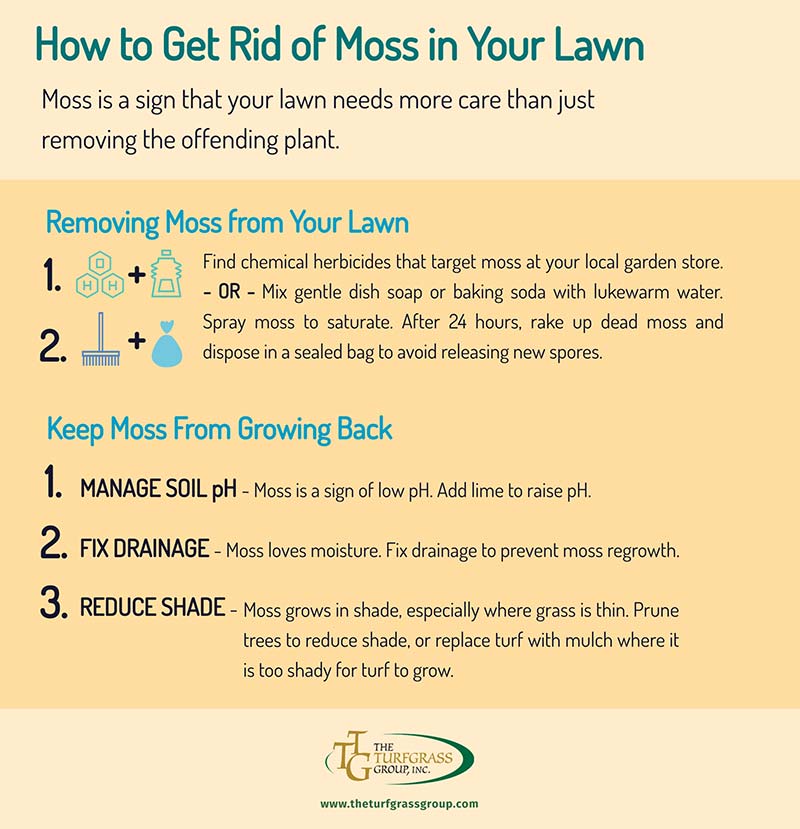
Image Source: theturfgrassgroup.com
How To Get Rid Of Moss On Lawn Fast & Naturally: Simple Steps for Permanent Control
Can you get rid of moss on your lawn naturally? Yes, you can! Getting rid of moss on your lawn quickly and naturally involves addressing the underlying causes and employing effective, eco-friendly methods. This comprehensive guide will walk you through the best way to remove moss and implement a sustainable moss control strategy for a lush, green, and healthy lawn.
Moss might look appealingly soft and green, but its presence on your lawn usually signals underlying problems. It thrives in conditions that grass struggles with, such as shade, poor drainage, compacted soil, and acidic soil. Tackling moss effectively means not just removing it, but also creating an environment where your grass can flourish instead. This is key to achieving permanent moss control.
Why Does Moss Take Over My Lawn?
Before we dive into moss removal, it’s crucial to pinpoint why moss has decided your lawn is its ideal home. Moss isn’t a weed; it’s a primitive plant that doesn’t have deep roots like grass. It reproduces via spores, which are spread by wind, water, and even animals. Its ability to grow in challenging conditions is what makes it so persistent.
Here are the common culprits behind moss infestations:
- Shade: Many lawns, especially those with mature trees, suffer from limited sunlight. Moss loves shady, damp areas where grass struggles to get enough light to thrive.
- Poor Drainage: Waterlogged soil is a haven for moss. If your lawn doesn’t drain well, water sits on the surface, creating the consistently moist environment moss craves.
- Soil Compaction: Heavy foot traffic, playing children, or even the use of lawn equipment can compact the soil. This restricts air, water, and nutrient flow to grass roots, weakening them and opening the door for moss.
- Low Soil Fertility: Grass needs nutrients to grow strong and outcompete other plants like moss. If your soil is lacking in essential nutrients, grass becomes weak and moss can easily take over.
- Acidic Soil (Low pH): Most lawn grasses prefer a slightly acidic to neutral soil pH (between 6.0 and 7.0). If your soil is too acidic (below 6.0), grass will struggle, and moss will happily grow.
- Infrequent Mowing and Lack of Aeration: Letting the grass grow too long can create shade, and neglecting aeration can worsen soil compaction.
Identifying the Root Causes for Effective Lawn Care Moss
To achieve lasting moss control, we must address these underlying issues. Simply killing moss on lawn without fixing the environment will only lead to its return. Let’s explore how to diagnose and correct these problems.
Sunlight and Shade Assessment
- Action: Observe your lawn throughout the day. Note which areas receive ample sunlight and which are consistently shaded.
- Solution: If shade is the primary issue, consider trimming lower branches of trees, thinning out dense foliage, or even opting for shade-tolerant grass varieties in these areas.
Drainage Evaluation
- Action: After a rainfall, check how long puddles remain on your lawn. If water stands for more than a few hours, you have a drainage problem.
- Solution: Aerating your lawn can help improve drainage. For severe issues, consider installing drainage systems like French drains or a sub-surface drainage system. Top-dressing with compost can also improve soil structure and drainage over time.
Soil Compaction Check
- Action: Try to push a screwdriver or a thin metal rod into the soil. If it’s difficult to insert more than an inch or two, your soil is likely compacted.
- Solution: Lawn aeration is the most effective way to combat soil compaction. This process involves removing small cores of soil from the lawn, allowing air, water, and nutrients to penetrate deeper.
Soil Fertility and pH Testing
- Action: Obtain a soil test kit from your local garden center or agricultural extension office. This will tell you the pH level and nutrient content of your soil.
- Solution: If your soil is too acidic, you’ll need to apply lime according to the soil test recommendations. If it lacks nutrients, a balanced fertilizer will be necessary.
Natural Methods for Moss Removal
Now that we’ve identified the causes, let’s explore natural moss removal techniques that are effective and environmentally friendly. These methods focus on either physically removing the moss or creating conditions unfavorable to its growth.
Manual Removal: The First Line of Defense
This is often the quickest way to clear visible moss.
- Tools: A stiff wire brush, a lawn rake with stiff tines, or a specialized moss rake.
- Process:
- Water the mossy areas lightly about an hour before you plan to rake. This softens the moss, making it easier to dislodge.
- Using your chosen tool, vigorously rake or brush the moss. Work in the opposite direction of the moss growth if possible. The goal is to pull out as much of the moss as you can.
- Gather the loosened moss and debris. Dispose of it properly. It’s best not to compost moss that may have gone to seed or is diseased.
- Repeat this process across all affected areas of your lawn.
The Role of Aeration and Scarifying in Moss Removal
Aeration and scarifying are crucial steps for effective moss removal and long-term moss control.
- Aeration: As mentioned earlier, aerating punches holes into the soil. This alleviates compaction, improves drainage, and allows air and water to reach grass roots. Healthy grass is your best defense against moss.
- Scarifying (Dethatching): Scarifying involves using a machine with rotating blades or tines to cut into the soil surface and remove thatch (a layer of dead grass and organic matter). A thick thatch layer can suffice as a growing medium for moss, especially in damp conditions. Scarifying also helps to loosen moss and debris, making it easier to remove.
Combined Approach for Moss Removal:
Many lawn care professionals recommend scarifying immediately after raking, or using a scarifier that also rakes up the loosened moss. This one-two punch tackles the moss physically and improves the underlying soil conditions.
Timing is Key: The best time to tackle moss is typically in spring or autumn when the lawn is actively growing. This allows the grass to recover and fill in any bare patches left after moss removal.
Natural Moss Killers and Treatments
While physical removal is essential, sometimes a little extra help is needed to kill moss on lawn. Fortunately, there are natural moss killer for grass options that are effective and safe for your garden.
Dish Soap: A Simple and Effective Moss Killer
- How it works: A surfactant in dish soap breaks down the cell walls of moss, causing it to dehydrate and die.
- Recipe: Mix 1-2 tablespoons of mild liquid dish soap with a gallon of water.
- Application:
- Pour the mixture into a spray bottle.
- Spray directly onto the mossy areas. Ensure good coverage.
- Be careful not to over-apply, as too much soap can harm grass. Test on a small patch first.
- After a few days, the moss should turn brown and brittle. You can then rake it away.
- Caution: Use mild, dye-free dish soap. Avoid detergents with bleach or other harsh chemicals.
Vinegar: Another Natural Option
- How it works: The acetic acid in vinegar acts as a natural herbicide, desiccating moss.
- Recipe: Use undiluted white vinegar (5% acidity). For tougher moss, you can use horticultural vinegar (10-20% acidity), but this is stronger and requires more caution.
- Application:
- Pour vinegar into a spray bottle.
- Spray directly onto the moss on a sunny, dry day.
- Vinegar can also kill grass, so apply it very carefully, targeting only the moss.
- After the moss dies, rake it away.
- Caution: Vinegar is acidic and can alter soil pH if used excessively. It’s best used as a spot treatment for stubborn moss patches.
Copper Sulfate: An Age-Old Remedy
- How it works: Copper sulfate is a chemical compound that is toxic to moss. It’s a traditional lawn moss treatment.
- Preparation: Typically available as granules or a powder. Follow product instructions carefully. A common mixture is 1 ounce of copper sulfate to 2 gallons of water.
- Application:
- Mix the copper sulfate thoroughly with water.
- Apply using a sprayer, ensuring even coverage.
- Apply during dry weather to prevent run-off.
- Caution: Copper sulfate can be harmful to pets and children if ingested. It can also stain concrete or paving. Do not over-apply, as excessive copper can be toxic to grass and beneficial soil organisms. It can also build up in the soil over time, so use it sparingly.
Iron-Based Moss Killers
- How it works: Iron sulfate is a common ingredient in many commercial moss killers. It works by oxidizing the moss, causing it to turn black and die. It also helps to provide iron to the grass, promoting lawn greening and strengthening it.
- Application: Available as granular or liquid formulations. Follow the manufacturer’s instructions for application rates and timing.
- Benefits: Besides killing moss, iron sulfate can also improve lawn color and health.
- Caution: Iron can stain concrete and paving. Avoid applying on very hot days.
Steps for Permanent Moss Control: Beyond Removal
Once you’ve removed the existing moss, the real work begins: prevent moss on lawn. This involves establishing a healthy lawn that can outcompete moss.
Improve Soil Conditions for Grass Health
- Aeration: Make aeration a regular part of your lawn care routine, at least once a year, especially if you have clay soil or high traffic. This is crucial for loosening compacted soil and improving drainage.
- Dethatching: Scarify your lawn annually or bi-annually to prevent thatch buildup. A healthy lawn should have minimal thatch.
- Soil pH Correction: If your soil test revealed it’s too acidic, continue to apply lime as recommended. Maintaining the correct pH ensures grass can access nutrients effectively.
- Fertilization: Feed your lawn with a balanced fertilizer in the spring and autumn. Healthy, well-fed grass is more resilient and better able to crowd out moss. Consider organic fertilizers for a more sustainable approach.
Sunlight Management
- Pruning: Trim tree branches to allow more sunlight to reach shaded areas of your lawn.
- Shade-Tolerant Grass: If significant portions of your lawn are heavily shaded, consider overseeding with grass varieties known to tolerate shade, such as Fescues.
Watering Practices
- Deep and Infrequent Watering: Water your lawn deeply but less often. This encourages grass roots to grow deeper, making them more drought-tolerant and less susceptible to stress that moss can exploit.
- Avoid Overwatering: Ensure your lawn isn’t constantly wet. Water in the morning so the grass blades have time to dry before evening, reducing the likelihood of fungal diseases and moss growth.
Mowing Height
- Mow Higher: Set your mower to a higher cutting height (around 2.5 to 3 inches). Taller grass shades the soil, keeping it cooler and moister, which helps grass roots. It also creates a denser turf that can better resist moss.
- Sharp Mower Blades: Ensure your mower blades are sharp. Dull blades tear grass, leaving it vulnerable to disease and stress.
Table: Natural Moss Removal and Control Strategies
| Problem | Natural Solution | How It Works | Best Time to Apply |
|---|---|---|---|
| Moss Overgrowth | Manual Raking/Brushing | Physically removes moss. | Spring/Autumn |
| Dish Soap Solution (1-2 tbsp per gallon water) | Surfactant breaks down moss cell walls. | Sunny, dry day | |
| Vinegar Solution (undiluted white vinegar) | Acetic acid desiccates moss. | Sunny, dry day | |
| Iron Sulfate (follow product instructions) | Oxidizes moss and provides iron for grass. | Spring/Autumn | |
| Compacted Soil | Lawn Aeration | Opens up soil for air, water, nutrient penetration, loosens soil. | Spring/Autumn |
| Poor Drainage | Lawn Aeration | Improves water flow through the soil. | Spring/Autumn |
| Top-dressing with Compost | Improves soil structure. | Spring/Autumn | |
| Acidic Soil (Low pH) | Lime Application (based on soil test) | Neutralizes soil acidity, allowing grass to thrive. | Autumn/Early Spring |
| Low Soil Fertility | Balanced Fertilization (e.g., organic compost, natural fertilizers) | Provides nutrients for strong grass growth. | Spring/Autumn |
| Shade | Pruning tree branches | Increases sunlight penetration. | Dormant season (late winter) |
| Overseeding with shade-tolerant grass varieties | Introduces grass better suited to low light conditions. | Autumn |
Frequently Asked Questions (FAQ)
Q1: Will killing moss kill my grass?
A1: Some natural moss killers, like vinegar, can kill grass if applied directly to it. Iron sulfate, when used correctly, is generally safe for grass and can even benefit it. Always follow application instructions carefully and test on a small area first if you’re unsure. The key is to target the moss.
Q2: How long does it take for natural moss killers to work?
A2: Results can vary depending on the product, the severity of the moss, and weather conditions. Typically, you’ll start seeing browning of the moss within a few days to a week. The complete process of killing and removal may take a couple of weeks.
Q3: Is there a best way to remove moss from my lawn?
A3: The best way to remove moss is a combination approach. First, physically remove as much as possible with raking or brushing. Then, use a natural moss killer to address any remaining moss. Finally, and most importantly, address the underlying causes like shade, compaction, or poor drainage to prevent its return.
Q4: Can I prevent moss from coming back?
A4: Yes, by implementing good lawn care practices. This includes proper watering, regular fertilization, aerating, dethatching, mowing at the correct height, and addressing any drainage or sunlight issues. A healthy, dense lawn is the best defense against moss.
Q5: What is the best time of year for moss treatment?
A5: The best times for lawn care moss treatment and prevention are usually spring and autumn. These are the periods when your grass is actively growing and can recover from treatment. Addressing the underlying issues during these times is also most effective.
Q6: Can I use bleach to kill moss?
A6: While bleach can kill moss, it is highly toxic to grass and other plants. It will also likely damage your soil’s ecosystem. It is not recommended for lawn care. Stick to safer, natural alternatives.
By understanding the root causes of moss growth and applying these natural removal and control strategies, you can effectively get rid of moss on your lawn and maintain a healthy, vibrant green space for years to come. Remember, consistent care and addressing the environment are the secrets to permanent moss control.