
Can you lime a lawn too often? Generally, it’s not advisable to lime a lawn too frequently, as excessive liming can raise your soil’s pH too high, which can be detrimental to grass health. The key is to follow a lawn liming schedule based on your soil’s needs.
A healthy, vibrant lawn isn’t just about mowing and watering. It’s also about the soil beneath the grass. Soil pH is a crucial factor that dictates how well your grass can access essential nutrients. When soil becomes too acidic, the availability of these nutrients decreases, leading to a struggling lawn. This is where lime comes in. Lime for acidic soil is a common amendment that helps bring the soil pH back into the optimal range for turfgrass.
This guide will walk you through everything you need to know about liming your lawn, from determining when and how often to do it, to the best practices for application.
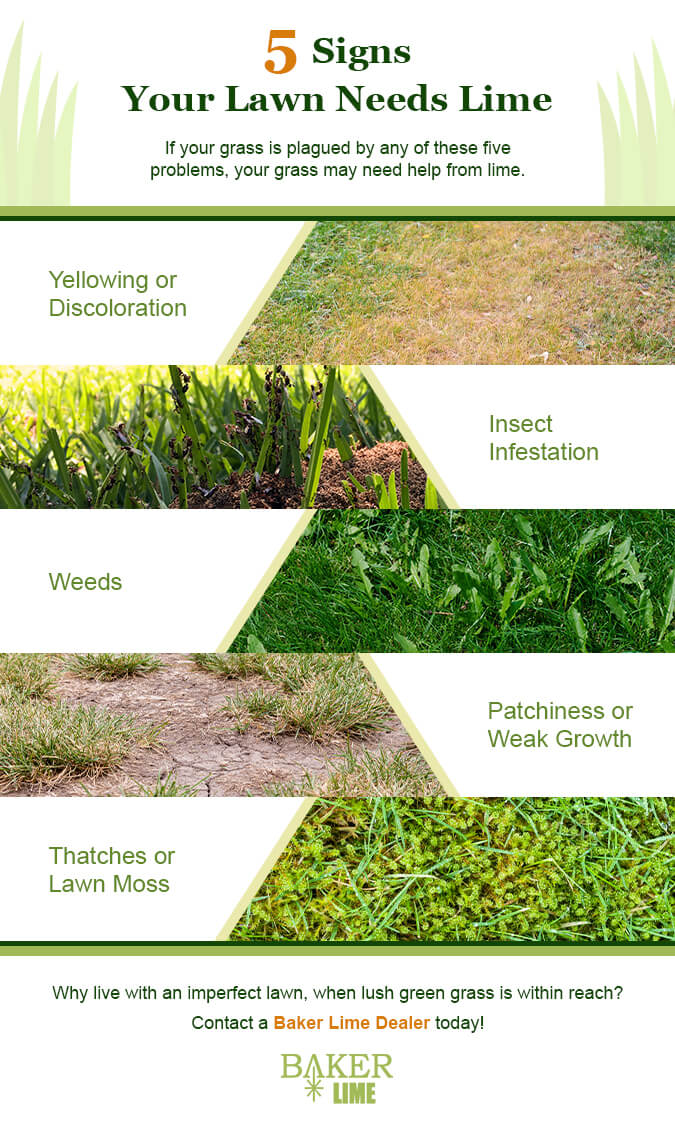
Image Source: www.bakerlime.com
Why Liming Your Lawn Matters
Benefits of Liming Lawn are numerous and directly impact the health and appearance of your turf. By adjusting soil pH, liming unlocks a cascade of positive effects:
- Improved Nutrient Availability: Grass needs a balanced diet of nutrients like nitrogen, phosphorus, and potassium. In acidic soil, many of these essential elements are “locked up” and unavailable to the grass roots. Liming raises the pH, making these nutrients accessible and allowing your grass to absorb them efficiently.
- Enhanced Soil Microbial Activity: Healthy soil is teeming with beneficial microorganisms that play vital roles in nutrient cycling and soil structure. Acidic conditions can suppress the activity of these microbes. Lime creates a more favorable environment for them to thrive, leading to a more biologically active and healthier soil ecosystem.
- Better Fertilizer Efficiency: Even if you’re applying high-quality fertilizers, their effectiveness can be compromised in acidic soil. When you lime, you improve nutrient uptake, meaning your fertilizers work harder and you get more value from your investment in lawn feeding.
- Reduced Aluminum and Manganese Toxicity: In highly acidic soils, aluminum and manganese can become more soluble and reach toxic levels for grass. These metals can interfere with root growth and overall plant health. Liming helps to reduce their solubility, mitigating potential toxicity.
- Improved Soil Structure: While not the primary effect, some forms of lime can help improve soil aggregation, leading to better aeration and water infiltration. This is particularly beneficial in clay soils that tend to become compacted.
Grasping Soil pH: The Foundation of Lawn Health
Before you reach for the lime spreader, it’s essential to understand your lawn’s current soil conditions. This is where lawn pH testing becomes indispensable.
What is Soil pH?
Soil pH is a measure of the acidity or alkalinity of the soil. It’s measured on a scale from 0 to 14, with 7 being neutral.
- Acidic Soil: pH below 7.
- Neutral Soil: pH of 7.
- Alkaline Soil: pH above 7.
Most turfgrasses thrive in a slightly acidic to neutral pH range, typically between 6.0 and 7.0.
Why is Lawn pH Testing Important?
- Accurate Diagnosis: Without testing, you’re essentially guessing. Soil pH testing provides concrete data about your soil’s condition, allowing you to make informed decisions about liming.
- Preventing Over-Liming: As mentioned earlier, over-liming can be harmful. Testing ensures you only apply lime when necessary and in the correct amounts.
- Targeted Fertilization: Knowing your soil pH helps you choose the most effective fertilizers and soil amendments. Some fertilizers can also affect soil pH, so understanding your baseline is crucial for long-term lawn management.
How to Test Your Lawn’s pH
There are several ways to test your lawn’s soil pH:
- DIY Test Kits: These kits are readily available at garden centers and online. They typically involve mixing a soil sample with water and a reagent, then comparing the color change to a chart. While convenient and inexpensive, they are generally less precise than laboratory tests.
- pH Meters: Electronic pH meters can provide a more immediate reading. However, accuracy can vary depending on the quality of the meter and proper calibration.
- Professional Laboratory Testing: This is the most accurate method. You collect soil samples from different areas of your lawn and send them to a local cooperative extension office or a private soil testing lab. They will provide a detailed report on your soil’s pH, nutrient levels, and often include specific recommendations for amendments, including liming.
When to collect soil samples for testing: The best time to collect soil samples is in the spring or fall, after the lawn has been mowed but before new growth begins or after the growing season has ended. Avoid testing immediately after applying any fertilizers or amendments, as this can skew the results.
Deciphering Your Lawn’s Liming Needs: How Often to Lime Lawn
The question of “how often to lime lawn” is directly tied to your soil’s pH and its buffering capacity. There isn’t a one-size-fits-all answer; it’s a dynamic process.
Factors Influencing Liming Frequency
- Initial Soil pH: If your soil is highly acidic (pH 5.0 or lower), it will likely require more frequent liming initially to bring it into the desired range.
- Soil Type:
- Sandy soils have a lower buffering capacity and can change pH more quickly. They may require more frequent liming, but smaller applications.
- Clay soils have a higher buffering capacity and resist pH changes. They may require less frequent liming, but larger applications when needed.
- Rainfall and Irrigation: Heavy rainfall can leach calcium and magnesium from the soil, which can contribute to soil acidification over time. Excessive irrigation can also have a similar effect.
- Fertilizer Use: Some fertilizers, particularly ammonium-based ones, can contribute to soil acidity over time.
- Local Conditions: Different regions have naturally varying soil pH levels due to underlying geology and climate.
Establishing a Lawn Liming Schedule
A lawn liming schedule is typically based on the results of your soil tests.
- For Highly Acidic Soils (pH below 5.5): You might need to apply lime every 6-12 months until the pH is corrected. Once the desired pH is reached, you can transition to a less frequent schedule.
- For Moderately Acidic Soils (pH 5.5-6.0): Applying lime every 1-2 years is often sufficient.
- For Slightly Acidic Soils (pH 6.0-6.5): Liming may only be necessary every 2-3 years, or even less frequently, depending on other factors.
- For Neutral to Alkaline Soils (pH 7.0+): Liming is generally not needed and could be detrimental.
Remember: Regular soil testing (every 2-3 years) is the best way to fine-tune your lawn liming schedule.
The Best Time to Lime Lawn: Timing is Everything
The best time to lime lawn is generally when the grass is dormant or during a period of slow growth, allowing the lime to work into the soil without immediately affecting the grass blades.
Seasonal Considerations
- Fall: This is often considered the ideal time to lime a lawn. The soil is typically moist, and there’s ample time for the lime to react with the soil and begin adjusting the pH before the next growing season. Grass roots continue to grow into the fall, helping to incorporate the lime.
- Early Spring: Liming in early spring, before active growth begins, is another good option. This allows the lime to start working as the grass begins to green up.
- Avoid Hot, Dry Periods: Applying lime during hot, dry weather can stress the grass. The lime needs moisture to dissolve and move into the soil.
- Avoid Winter: Applying lime when the ground is frozen or covered in snow is ineffective, as the lime will not be able to penetrate the soil.
When to Apply Lime to Grass: Practical Application Tips
When considering when to apply lime to grass, focus on the soil’s needs, not just the calendar.
- After Aeration: Aerating your lawn before liming creates small holes in the soil, allowing the lime to penetrate more effectively and reach the root zone more quickly.
- When the Grass is Dry: Ensure the grass blades are dry when you apply lime. This prevents the granular lime from sticking to the blades, which can cause temporary discoloration.
How to Lime a Lawn: A Step-by-Step Approach
Knowing how often to lime is one part of the equation; knowing how to do it correctly is the other. How to lime a lawn correctly ensures effectiveness and avoids potential issues.
What You’ll Need
- Lime: Choose the type of lime appropriate for your needs (see below).
- Spreader: A broadcast spreader (rotary spreader) or a drop spreader. Broadcast spreaders are generally preferred for even coverage over larger areas.
- Gloves and Eye Protection: To protect yourself from dust.
- Soil Test Results: To determine the amount of lime needed.
Types of Lime
- Ground Agricultural Limestone (Pulverized Limestone): This is the most common and cost-effective type. It’s made from finely ground limestone rock. Its effectiveness depends on particle size; finer particles react faster with the soil.
- Pelletized Lime: This lime has been processed into small pellets, making it easier to handle and spread with less dust. While easier to apply, it may react slightly slower than finely ground lime.
- Hydrated Lime (Quicklime): This is a more caustic form of lime and can burn grass if not applied very carefully and in very small amounts. It’s generally not recommended for DIY lawn care. Stick to agricultural or pelletized lime.
- Dolomitic Lime: Contains both calcium and magnesium. If your soil test indicates a deficiency in magnesium, dolomitic lime is a good choice.
- Calcitic Lime: Primarily provides calcium. If your soil has adequate magnesium levels, calcitic lime is suitable.
Determining How Much Lime for Lawn
The amount of lime to apply depends entirely on your soil test results and the type of lime you are using. Your soil test report will provide specific lime application rates based on your soil’s pH and buffering capacity.
- General Guideline (for slightly acidic soil, pH 5.5-6.0): A common recommendation might be around 50 pounds of agricultural lime per 1,000 square feet. However, this is a very general figure and your soil test is the definitive guide.
- Factors Affecting Application Rates:
- Target pH: If your soil is very acidic, you’ll need more lime than if it’s only slightly acidic.
- Buffer pH: This indicates the soil’s resistance to pH change. Soils with a higher buffer pH require more lime to achieve the same pH increase.
- Lime Particle Size: Finer lime reacts faster, meaning you might need less frequent applications of finely ground lime compared to coarser forms.
Always refer to your soil test recommendations. Applying too much lime can cause more harm than good.
Application Steps
- Calibrate Your Spreader: Before you start, ensure your spreader is calibrated to apply the correct amount of lime. Most lime bags will have spreader settings recommendations, or you can find calibration guides online.
- Apply Evenly: Walk at a consistent pace and overlap your spreader passes slightly to ensure uniform coverage. Avoid dumping large amounts in one spot.
- Spread Over Dry Grass: Apply the lime when the grass blades are dry to prevent temporary discoloration.
- Water Lightly (Optional): A light watering after application can help move the lime into the soil, but it’s not always necessary, especially if rain is expected.
- Clean Up: Sweep any stray lime off hard surfaces like sidewalks and driveways to prevent staining.
Lawn Care for pH Balance: Beyond Liming
Maintaining lawn care for pH balance involves more than just occasional liming. It’s about creating a holistic approach to soil health.
The Role of Fertilizers
As mentioned, some fertilizers can influence soil pH.
- Acidifying Fertilizers: Ammonium sulfate and urea can lower soil pH over time. If you frequently use these, you may need to adjust your liming schedule accordingly.
- Neutral or Buffering Fertilizers: Some fertilizers are formulated to have a minimal impact on soil pH.
Organic Matter: The Soil’s Best Friend
Incorporating organic matter, such as compost, into your soil is one of the best ways to improve its overall health and buffering capacity. Organic matter helps to:
- Improve soil structure.
- Increase water retention.
- Provide slow-release nutrients.
- Buffer against rapid pH fluctuations.
Top-dressing your lawn with compost annually can significantly contribute to long-term soil health and lawn pH balance.
Overseeding and Soil Amendments
When overseeding your lawn, consider adding lime or other amendments to the seedbed if your soil tests indicate a need. This provides an excellent opportunity to directly improve the soil where new grass will establish.
Common Mistakes to Avoid When Liming Your Lawn
- Over-Liming: Applying too much lime can raise the pH too high, making nutrients like phosphorus and micronutrients unavailable to the grass, leading to deficiencies.
- Liming Without Testing: Applying lime without knowing your soil’s pH is a shot in the dark and can be counterproductive.
- Using the Wrong Type of Lime: Stick to agricultural or pelletized lime for lawns. Avoid hydrated lime.
- Applying Lime When Grass is Wet: This can cause temporary leaf scorch or discoloration.
- Not Calibrating the Spreader: Inconsistent application leads to uneven results and potential over-application in some areas.
Frequently Asked Questions About Liming Your Lawn
How often should I lime my lawn?
The frequency of liming depends on your soil’s pH and type. Generally, for acidic soils, liming every 1-2 years is common, but it’s best to follow your soil test recommendations. Regularly testing your soil every 2-3 years will help you fine-tune your lawn liming schedule.
What is the best time of year to lime a lawn?
Fall is often considered the best time because the soil is moist, and the lime has time to work before the next growing season. Early spring before active growth begins is also a good option.
Can I lime my lawn too much?
Yes, you can lime your lawn too much. Excessive liming can raise the soil pH too high, making essential nutrients unavailable to your grass and potentially causing nutrient deficiencies or toxicities. Always follow lime application rates based on soil tests.
What are the benefits of liming my lawn?
The benefits of liming lawn include improving nutrient availability, enhancing soil microbial activity, increasing fertilizer efficiency, and reducing the toxicity of aluminum and manganese in acidic soils.
How do I know if my lawn needs lime?
The most reliable way to determine if your lawn needs lime is through lawn pH testing. If your soil test results show a pH below 6.0-6.5, your lawn likely needs lime.
What kind of lime should I use for my lawn?
For lawns, it’s best to use ground agricultural limestone or pelletized lime. Avoid hydrated lime, as it can be too caustic. If your soil test shows a magnesium deficiency, use dolomitic lime; otherwise, calcitic lime is suitable.
How much lime do I need for my lawn?
The amount of how much lime for lawn depends on your soil’s pH level and its buffering capacity, as indicated by your soil test. Your soil test report will provide specific lime application rates per 1,000 square feet.
Does liming a lawn help with moss?
Yes, liming can help reduce moss growth. Moss often thrives in acidic soil conditions. By raising the soil pH, you create an environment less favorable for moss and more favorable for healthy turfgrass.
Can I apply lime and fertilizer at the same time?
It’s generally recommended to wait a few weeks between applying lime and most fertilizers, especially nitrogen-based ones. However, some fertilizers are formulated with lime or are pH neutral. Always check the product labels and your soil test recommendations.
By following these guidelines and paying close attention to your soil’s specific needs through regular testing, you can ensure your lawn receives the right amount of lime at the right time, promoting a lush, healthy, and vibrant turf.