
Can you use Epsom salt on your lawn? Yes, you can use Epsom salt on your lawn, and it can offer several benefits, primarily due to its magnesium content.
Epsom salt, scientifically known as magnesium sulfate, is a compound that has been used in gardening for a long time. It’s a readily available and affordable Epsom salt fertilizer that can significantly improve your lawn’s health. Many gardeners ask, “What is Epsom salt for lawns?” It’s a natural mineral that provides essential nutrients to your grass. This guide will delve into how much Epsom salt to use on your lawn, the advantages it offers, and the best ways to apply it.
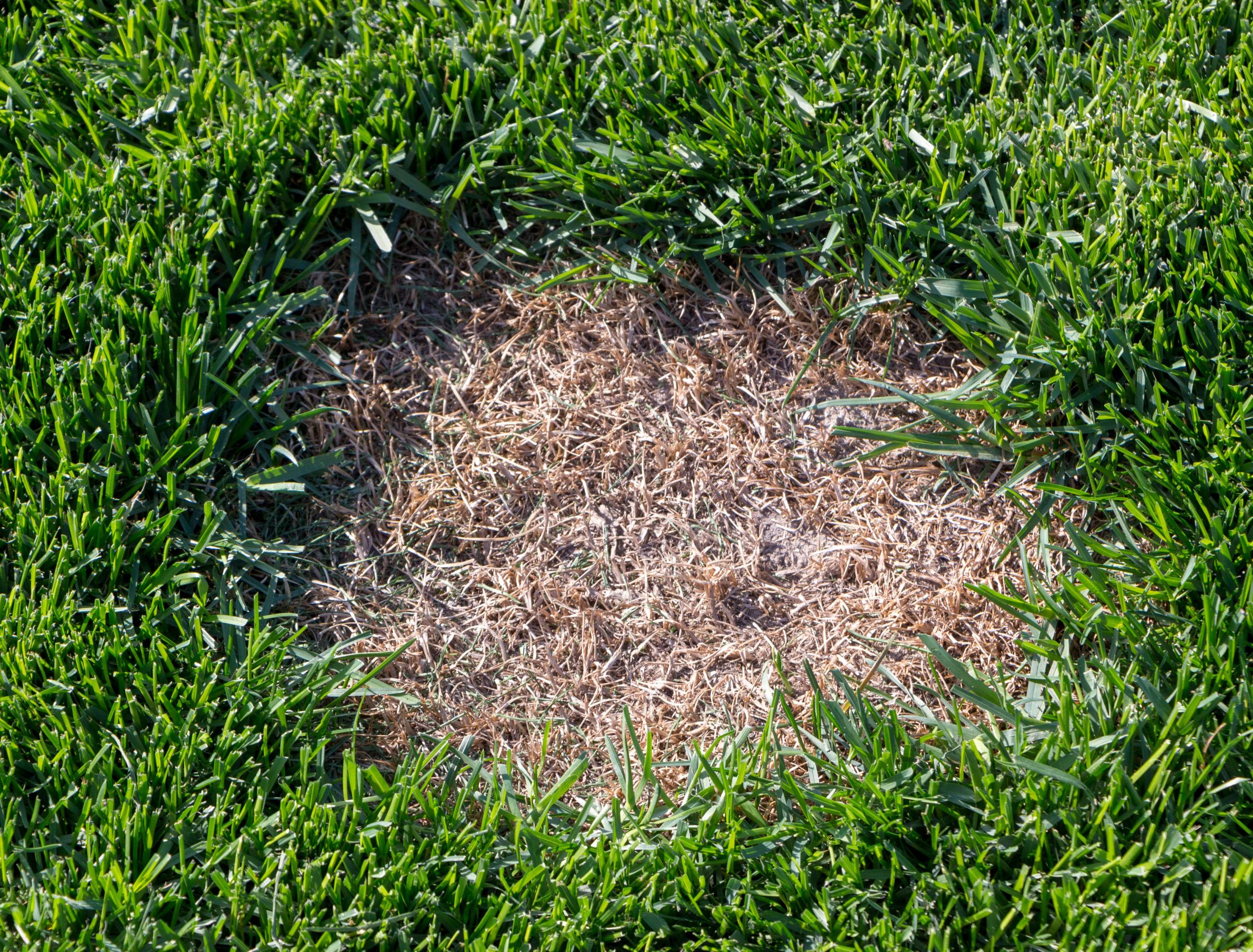
Image Source: static1.backyardbossimages.com
The Science Behind Epsom Salt for Your Lawn
Your lawn needs more than just nitrogen to thrive. While nitrogen is crucial for green, leafy growth, other nutrients play vital roles in overall plant health. Magnesium, the primary component of Epsom salt, is a central atom in chlorophyll. Chlorophyll is the pigment in plants that captures sunlight, which is essential for photosynthesis – the process by which plants convert light energy into food.
When your lawn lacks magnesium, it can manifest in several ways, including yellowing of the grass blades (chlorosis), stunted growth, and reduced vigor. Applying magnesium sulfate lawn treatments can correct these deficiencies.
Benefits of Epsom Salt for Grass
Using Epsom salt for your lawn offers a range of advantages:
- Enhanced Photosynthesis: As mentioned, magnesium is a key component of chlorophyll. More chlorophyll means your grass can absorb more sunlight, leading to a healthier, greener lawn. This is one of the primary benefits of Epsom salt for grass.
- Improved Nutrient Uptake: Magnesium helps plants absorb other essential nutrients from the soil, such as phosphorus and nitrogen. This leads to more efficient nutrient utilization and overall better growth.
- Stronger Root Development: Adequate magnesium levels contribute to the development of robust root systems. Stronger roots anchor the grass, help it withstand stress from drought or heavy foot traffic, and improve its ability to access water and nutrients.
- Increased Disease Resistance: Healthy, well-nourished grass is less susceptible to diseases and pest infestations. Epsom salt can indirectly contribute to a more resilient lawn.
- Correction of Magnesium Deficiencies: In soils that are deficient in magnesium, Epsom salt provides a direct and easily absorbed source of this vital mineral. This can be particularly helpful in sandy soils, which tend to leach nutrients more quickly.
- Soil Aeration Aid: Some gardeners find that using Epsom salt can help break up compacted soil, allowing for better air and water penetration. This acts as an effective Epsom salt soil amendment.
- Potential for Weed Control: While not its primary function, a healthier, denser lawn created by Epsom salt treatments can naturally outcompete weeds, making them less likely to establish. This is a subtle form of Epsom salt for weed control.
- Solving Brown Spots: If your lawn is developing brown spots, a common cause can be magnesium deficiency or compacted soil. Applying Epsom salt can help address these issues, making it an effective solution for Epsom salt for brown spots lawn.
How Much Epsom Salt For Lawn? Determining the Right Amount
The question of “how much Epsom salt for lawn” is crucial. Too little might not yield results, while too much can potentially harm your grass. The general consensus for application is:
1 to 2 pounds of Epsom salt per 1,000 square feet of lawn.
It’s important to remember that this is a guideline, and the exact amount can depend on your soil type, the current health of your lawn, and whether you are addressing a specific issue like brown spots.
How to Apply Epsom Salt to Lawn
Applying Epsom salt correctly ensures it reaches the grass roots and is absorbed efficiently. Here are the common methods:
1. Dissolving in Water (Most Recommended)
This is the most popular and effective method.
Materials Needed:
- Epsom salt (magnesium sulfate)
- Water
- Garden hose with a sprayer attachment (preferably a fertilizer or granular spreader attachment) or a watering can.
- Measuring cup or scale
Steps:
- Measure the Epsom Salt: For a typical application of 1-2 pounds per 1,000 sq ft, you’ll need to calculate the amount for your lawn’s size. For example, if your lawn is 2,000 sq ft, you’ll need 2-4 pounds of Epsom salt.
- Dissolve the Salt: In a watering can or a hose-end sprayer tank, mix the measured Epsom salt with water. A good ratio is about 1 gallon of water per pound of Epsom salt to ensure it dissolves thoroughly. Stir well until the salt is completely dissolved. If using a hose-end sprayer, follow the manufacturer’s instructions for mixing.
- Apply to the Lawn:
- Hose-End Sprayer: Attach the sprayer to your garden hose and apply the solution evenly over your lawn. Walk at a consistent pace to ensure uniform coverage.
- Watering Can: If you don’t have a sprayer, you can use a watering can. Ensure you have enough water to dilute the Epsom salt mixture significantly and cover the area.
- Water the Lawn: After applying the solution, water your lawn thoroughly with plain water. This helps to wash any residual salt off the grass blades and encourages it to move into the soil where the roots can absorb it. This step is vital to prevent leaf burn.
2. Dry Application (Use with Caution)
While possible, dry application is generally less recommended because it can be harder to achieve uniform coverage, and the salt may not dissolve immediately, potentially burning the grass blades if not watered in thoroughly.
Steps:
- Measure: Measure the Epsom salt according to the 1-2 pounds per 1,000 sq ft recommendation.
- Mix with Fertilizer (Optional but Recommended): If you plan to apply granular fertilizer simultaneously, you can mix the Epsom salt with it. This helps distribute the Epsom salt more evenly.
- Spread: Use a broadcast spreader or a drop spreader to apply the dry Epsom salt evenly across the lawn.
- Water Immediately and Thoroughly: This is the most critical step for dry application. As soon as you finish spreading, water your lawn deeply and thoroughly. Ensure the salt dissolves and washes into the soil. If the lawn remains dry after application, the salt crystals can draw moisture from the grass blades, leading to browning or burning.
How Often to Use Epsom Salt on Lawn
The frequency of Epsom salt application depends on your lawn’s needs and soil conditions.
- General Lawn Health: For general Epsom salt for lawn health, applying it once or twice a year, typically in the spring and fall, is sufficient. This provides a good boost of magnesium without overdoing it.
- Addressing Specific Issues (e.g., Brown Spots): If you are using Epsom salt to treat specific problems like brown patches or signs of magnesium deficiency, you might apply it more frequently. A common approach is to apply it every 4-6 weeks until the issue is resolved. However, always monitor your lawn’s response.
- Soil Testing: The best way to determine frequency is to get a soil test. A soil test will reveal nutrient deficiencies and pH levels, guiding you on the specific needs of your lawn.
Important Note: Avoid applying Epsom salt during hot, dry weather, as this increases the risk of grass burn. The best times are during cooler, overcast days or in the early morning before the sun gets intense.
What About Epsom Salt for Garden?
The benefits of Epsom salt extend beyond the lawn. In the broader Epsom salt for garden applications, it’s particularly valuable for plants that are heavy magnesium feeders, such as tomatoes, peppers, roses, and hydrangeas.
- Tomatoes and Peppers: Can help prevent blossom end rot, a common problem caused by calcium deficiency, which can be linked to magnesium imbalances.
- Roses: Promotes more blooms and healthier foliage.
- Hydrangeas: Can influence the color of hydrangeas. In acidic soil, magnesium helps produce blue flowers; in alkaline soil, it contributes to pink flowers.
The application for garden plants is similar to lawns: dissolved in water and applied as a foliar spray or soil drench. The amount can vary, but a common recommendation is 1-2 tablespoons of Epsom salt dissolved in a gallon of water, applied every 2-4 weeks.
Epsom Salt Soil Amendment
As a Epsom salt soil amendment, it works to improve the soil structure and nutrient availability. Magnesium is a cation, meaning it carries a positive charge. It helps to loosen clay soils by pushing apart the negatively charged clay particles. This improved soil structure allows for better aeration, water infiltration, and root penetration. Over time, this can lead to a healthier soil ecosystem, benefiting all plant life in the treated area.
When to Avoid Using Epsom Salt
While beneficial, Epsom salt isn’t a miracle cure for all lawn problems.
- Already High Magnesium Levels: If your soil test indicates high magnesium levels, adding more Epsom salt could be detrimental, potentially locking up other essential nutrients like calcium and potassium.
- High pH Soils: Epsom salt is slightly acidic, which can be beneficial in alkaline soils. However, in soils that are already acidic, adding more can lower the pH further, which might not be ideal for all grass types.
- Before Heavy Rain: Applying just before a heavy downpour might wash the dissolved salt too quickly through the soil profile, reducing its effectiveness.
Troubleshooting Common Issues
- Yellowing Grass: If your lawn is yellowing and a soil test confirms magnesium deficiency, Epsom salt can help. Apply as directed, and you should see improvement in a few weeks.
- Brown Spots: If brown spots are due to magnesium deficiency or compaction, Epsom salt can be effective. Ensure thorough watering after application. If brown spots persist, they might be caused by other issues like fungal diseases, grubs, or poor watering practices, requiring different treatments.
- Leaf Burn: This is usually caused by applying dry Epsom salt without adequate watering or by applying too strong a solution. If you notice browning blades, water the area heavily to flush the salt.
Lawn Care Best Practices with Epsom Salt
To maximize the benefits of Epsom salt for grass, integrate it into a comprehensive lawn care routine.
- Regular Mowing: Maintain proper mowing height for your grass type.
- Appropriate Watering: Water deeply and less frequently to encourage deep root growth.
- Seasonal Fertilization: Use a balanced fertilizer tailored to the season and your lawn’s needs. Epsom salt is a supplement, not a replacement for a complete fertilization program.
- Aeration: Regularly aerate compacted soil to improve air, water, and nutrient flow.
- Soil Testing: Perform soil tests periodically to monitor nutrient levels and pH.
Epsom Salt for Weed Control: A Natural Approach
While not a direct herbicide, Epsom salt can contribute to Epsom salt for weed control indirectly. A healthy, dense lawn is your best defense against weeds. By promoting vigorous grass growth through proper nutrient supply (including magnesium), Epsom salt helps your lawn outcompete weeds for sunlight, water, and nutrients. Weeds often thrive in stressed or sparse lawns. By strengthening your grass, you create a less hospitable environment for weed invasion.
Understanding Application Rates
To make it easier, here’s a quick reference table for common lawn sizes:
| Lawn Size (sq ft) | Epsom Salt (pounds) | Water for Dilution (gallons) |
|---|---|---|
| 500 | 0.5 – 1 | 0.5 – 1 |
| 1,000 | 1 – 2 | 1 – 2 |
| 2,000 | 2 – 4 | 2 – 4 |
| 5,000 | 5 – 10 | 5 – 10 |
Note: Always dissolve the Epsom salt thoroughly in water before application.
Frequently Asked Questions (FAQ)
Q1: Can I put Epsom salt directly on my grass?
A: It’s best to dissolve Epsom salt in water before applying it to your lawn. Applying it dry can potentially burn the grass if not immediately and thoroughly watered in.
Q2: What is the best time of year to apply Epsom salt to my lawn?
A: Spring and fall are generally the best times for a general application. Avoid application during extreme heat or drought.
Q3: How long does it take to see results from using Epsom salt on my lawn?
A: You might start seeing improvements in color and vigor within a couple of weeks, but it can take longer for significant changes, especially if addressing nutrient deficiencies.
Q4: Is Epsom salt safe for pets and children?
A: Yes, Epsom salt (magnesium sulfate) is generally considered safe for pets and children when used as directed. However, it’s always a good idea to keep pets and children off the lawn for a short period after application until it has been watered in and dried to prevent accidental ingestion of large quantities.
Q5: Can Epsom salt kill weeds?
A: Epsom salt is not a herbicide and will not directly kill weeds. Its benefit for weed control is indirect, by promoting a healthier, denser lawn that can better compete with weeds.
Q6: My lawn has white, crusty spots. Is this from Epsom salt?
A: White, crusty spots on the lawn could be a sign of salt buildup. This typically happens if Epsom salt (or other salts from fertilizers) is applied too heavily or not watered in properly. Ensure thorough watering after application and avoid over-application.
Q7: Can I mix Epsom salt with my regular lawn fertilizer?
A: Yes, you can often mix Epsom salt with granular fertilizers for a combined application. Ensure they are compatible and that you spread them evenly. However, if using liquid fertilizers, it’s often best to apply them separately to ensure proper absorption of each.
Q8: What is the difference between Epsom salt and regular salt for lawns?
A: Epsom salt is magnesium sulfate (MgSO₄). Regular salt, like sodium chloride (NaCl), is generally harmful to lawns, as it can dehydrate grass and increase soil salinity to toxic levels. Never use table salt or rock salt on your lawn for nutrient purposes.
By following these guidelines, you can effectively use Epsom salt to enhance your lawn’s health, leading to a greener, more vibrant, and resilient turf. Remember that consistent care and observation are key to a beautiful lawn.