
So, how much lime should you put on your lawn? The answer depends on your soil’s pH and the type of lime you’re using, but generally, you’ll apply between 5 to 10 pounds of granular lime per 100 square feet. Applying the correct amount of lime is crucial for a healthy, vibrant lawn.
Lawn care with lime is a fundamental aspect of maintaining a beautiful yard. It might seem straightforward, but getting the lawn lime application rate right is key. Too much or too little can cause problems. This guide will help you navigate the world of lawn care with lime, ensuring your grass gets the nutrients it needs and thrives. We’ll delve into soil pH and lime, the different types of lime, and the best practices for application.
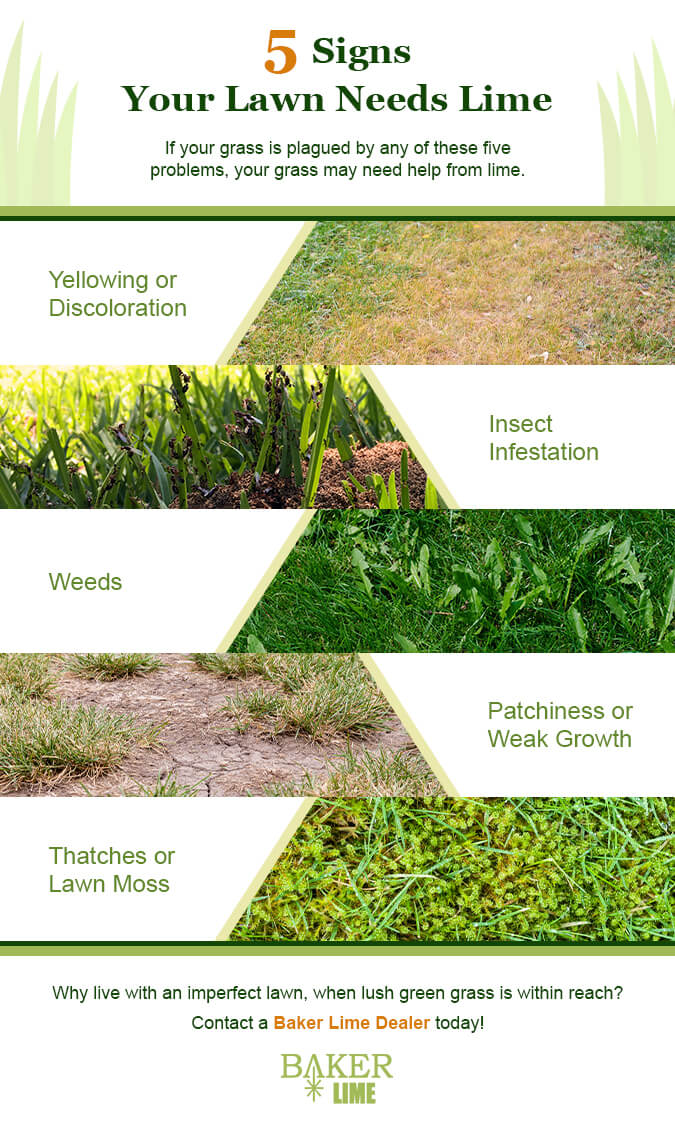
Image Source: www.bakerlime.com
Why Lime Your Lawn?
Your lawn’s soil is like a pantry for its roots. It holds water, nutrients, and air. Soil pH is a measure of how acidic or alkaline your soil is. This pH level directly impacts how well your grass can absorb the nutrients available in the soil.
- Ideal pH for Most Lawns: Most turfgrasses prefer a slightly acidic to neutral soil pH, typically between 6.0 and 7.0.
- Acidic Soil Problems: When soil becomes too acidic (low pH), it can lock up essential nutrients like phosphorus, calcium, and magnesium. These nutrients become unavailable to your grass, even if they are present in the soil.
- Benefits of Liming: Applying lime, a soil amendment containing calcium and/or magnesium, raises the soil pH. This process helps:
- Improve Nutrient Availability: By making essential nutrients more accessible to grass roots.
- Enhance Soil Structure: Lime can help bind soil particles together, improving drainage and aeration, especially in clay soils.
- Boost Beneficial Microorganisms: A balanced pH environment supports the activity of soil microbes that are vital for nutrient cycling and soil health.
- Reduce Aluminum Toxicity: In very acidic soils, aluminum can become soluble and toxic to grass roots, hindering growth. Lime neutralizes this aluminum.
Deciphering Your Soil’s Needs: Soil Testing for Lime
The most crucial step before you even think about how much lime to add to lawn is to test your soil. Guessing is not an option; it can lead to over-liming or under-liming, both of which can harm your lawn.
The Importance of Soil Testing
A soil test provides a detailed report on your soil’s nutrient levels, organic matter content, and, most importantly, its pH. This information is essential for determining if your lawn needs lime and how much.
How to Get a Soil Test
- DIY Test Kits: You can purchase home soil testing kits from garden centers or online. These kits are convenient but may not be as accurate or detailed as laboratory tests. They usually provide a general pH range.
- Local Extension Office: Many university extension offices offer soil testing services. You’ll typically receive a soil sample kit, instructions on how to collect samples, and mailing information. The results are usually comprehensive and come with specific recommendations for your lawn, including liming. This is the most recommended method for accurate results.
Collecting Soil Samples
- Collect from Multiple Areas: Take samples from several spots across your lawn to get an average reading. Avoid areas that are unusually wet, compacted, or recently fertilized.
- Depth Matters: Collect soil from the top 2-4 inches, which is where grass roots primarily grow.
- Avoid Contamination: Use clean tools and containers.
Once you have your soil test results, pay close attention to the pH reading. This will be your guide for how much lime to add to lawn.
Types of Lawn Lime: Dolomitic vs. Calcitic
Not all lime is created equal. The two main types of lime used for lawns are dolomitic lime for lawns and calcitic lime for lawns. The choice between them depends on your soil’s specific needs, particularly its magnesium levels.
Dolomitic Lime for Lawns
- Composition: Dolomitic lime contains both calcium carbonate and magnesium carbonate.
- Benefits: It’s excellent for lawns in areas with acidic soil and magnesium deficiency. If your soil test indicates low magnesium, dolomitic lime is the preferred choice as it will both raise the pH and provide essential magnesium.
- Application Rate: Because it contains both calcium and magnesium, its liming potential (or neutralizing power) is slightly higher than calcitic lime. This means you might need slightly less dolomitic lime for lawns to achieve the desired pH change.
Calcitic Lime for Lawns
- Composition: Calcitic lime primarily consists of calcium carbonate.
- Benefits: It’s ideal for soils that are acidic but already have adequate levels of magnesium. It will raise the pH and provide calcium.
- Application Rate: If your soil test shows sufficient magnesium, calcitic lime for lawns is a good option.
Which One Should You Choose?
Your soil test report will guide this decision. If your soil is deficient in magnesium, opt for dolomitic lime. If magnesium levels are adequate, calcitic lime will do the job effectively.
How Much Lime Should I Put On My Lawn? The Application Rate
This is the million-dollar question! The lawn lime application rate is not a one-size-fits-all answer. It depends on your soil’s current pH, the target pH you want to achieve, the type of lime you are using, and the particle size of the lime.
Factors Influencing the Amount of Lime
- Soil pH: The lower your soil pH, the more lime you’ll need to raise it.
- Target pH: Aiming for a pH of 6.5-7.0 is common for most lawns.
- Lime Type: Dolomitic lime generally has a slightly higher neutralizing capacity than calcitic lime.
- Lime Particle Size: Finer-ground limes work faster but are more prone to leaching. Coarser grinds work slower but last longer. Most granular lawn lime products are a good balance.
- Soil Type: Sandy soils require less lime than clay soils to achieve the same pH change because they have a lower cation exchange capacity (CEC). Clay soils have a higher CEC and can “hold onto” acidity more, requiring more lime.
General Application Guidelines (Per 1,000 sq ft)
These are general guidelines based on typical soil conditions and a target pH of 6.5. Always refer to your specific soil test recommendations.
| Current Soil pH | Target Soil pH | Type of Lime | Pounds of Lime per 1,000 sq ft |
|---|---|---|---|
| 5.0 | 6.5 | Dolomitic | 50-70 |
| 5.0 | 6.5 | Calcitic | 60-80 |
| 5.5 | 6.5 | Dolomitic | 35-50 |
| 5.5 | 6.5 | Calcitic | 40-55 |
| 6.0 | 6.5 | Dolomitic | 20-30 |
| 6.0 | 6.5 | Calcitic | 25-35 |
Important Note: It is generally recommended to apply lime in smaller, split applications rather than a single large dose. This allows the lime to react with the soil more effectively and reduces the risk of over-application. For example, if your soil test suggests applying 70 pounds of lime per 1,000 sq ft, consider applying 35 pounds in the fall and another 35 pounds in the spring.
Calculating for Your Lawn Size
Once you know the recommended rate per 1,000 sq ft, you can calculate for your entire lawn.
- Measure your lawn: Determine the total square footage of your lawn.
- Divide by 1,000: If your lawn is 5,000 sq ft, divide 5000 by 1000, which equals 5.
- Multiply by the rate: If the recommended rate is 50 lbs per 1,000 sq ft, multiply 5 by 50 lbs to get 250 lbs for your entire lawn.
When to Apply Lime: Best Time to Lime Lawn
The best time to lime lawn is generally when the grass is actively growing but not under extreme stress.
Fall Application
- Benefits: Fall is often considered the ideal time to apply lime. The soil is moist, and the cool temperatures encourage microbial activity, which helps the lime react with the soil. Over the winter, the lime has ample time to work into the soil and start adjusting the pH.
- Timing: Apply lime after the last mowing of the season but before the ground freezes.
Spring Application
- Benefits: Spring is another good time. The increased moisture and warmer temperatures can help the lime start to work.
- Timing: Apply lime after the snow melt and before the onset of hot, dry summer weather. Avoid applying lime when the ground is saturated or during a drought.
Avoiding Summer and Winter
- Summer: Avoid applying lime during hot, dry periods. The grass can be stressed, and the lime might not dissolve and react properly, potentially burning the grass.
- Winter: Do not apply lime to frozen or snow-covered ground. The lime will not be able to penetrate the soil and will be washed away when the snow melts.
Frequency of Application
The frequency of liming depends on your soil’s pH and how quickly it drifts back towards acidity. Generally, you may need to reapply lime every 1-2 years, but always rely on soil test results to determine the timing and amount.
Applying Lawn Lime: Techniques and Tools
Applying lime correctly is just as important as knowing how much to apply. Using the right equipment ensures even distribution and effective results.
Granular Lawn Lime
Granular lawn lime is the most common form available for homeowners. It’s easier to handle and spread than powdery lime. The granules are typically coated to reduce dust and designed to break down over time.
Lime Spreader Settings
To ensure an even application of granular lawn lime, a spreader is essential. You can use either a broadcast spreader or a drop spreader.
- Broadcast Spreader: These spreaders cast material in a wide arc. They are good for covering large areas quickly and evenly.
- Drop Spreader: These spreaders drop material in a straight line. They are useful for more precise applications, especially along edges and in smaller areas, but require more careful, overlapping passes to avoid striping.
Lime spreader settings vary significantly between brands and models. Always check the packaging of your granular lawn lime for specific spreader settings or recommendations. If the packaging doesn’t provide them, you may need to consult the spreader’s manual or the lime manufacturer’s website.
How to Use a Spreader:
- Calibrate the Spreader: Before filling, adjust the settings to the recommended rate. It’s a good idea to test the calibration on a small, paved area first to ensure accuracy.
- Fill the Spreader: Fill the hopper with the calculated amount of lime. Avoid overfilling.
- Spread Evenly:
- Broadcast Spreader: Start at the edge of your lawn and walk at a steady pace, slightly overlapping your passes to ensure complete coverage. Turn off the spreader when you turn around.
- Drop Spreader: Walk at a steady pace, overlapping each pass by about half the width of the spreader’s coverage to ensure uniform application.
- Clean Up: Clean your spreader thoroughly after use to prevent corrosion.
Spreading Powdery Lime (Less Common for Homeowners)
If you happen to use powdery lime, it is crucial to use a drop spreader designed for finer materials or apply it by hand very carefully to avoid dust and ensure even coverage. This type of lime is more likely to cause respiratory irritation and can be difficult to spread evenly.
What Happens After Liming?
Once you’ve applied lime, it’s not magic; it needs time to work.
Reaction Time
- Dissolving: The lime granules need to dissolve in moisture.
- Interaction: Once dissolved, the calcium and magnesium carbonates react with the soil acids. This reaction neutralizes acidity and begins to raise the soil pH.
- Timeframe: This process can take several weeks to a few months.
Follow-Up
- Watering: Light watering can help the lime dissolve and begin its work, especially if there isn’t much rain.
- Re-testing: It’s a good idea to re-test your soil’s pH about 6 months to a year after applying lime to see if further applications are needed.
Common Mistakes to Avoid with Lawn Lime
Even with the best intentions, mistakes can happen. Here are common pitfalls to steer clear of for effective lawn care with lime:
- Skipping the Soil Test: This is the most significant mistake. Applying lime without knowing your soil’s pH is like treating a patient without a diagnosis.
- Over-application: Applying too much lime can raise the soil pH too high (above 7.0), making nutrients like phosphorus, iron, and manganese unavailable, leading to nutrient deficiencies and poor grass health.
- Under-application: Not applying enough lime means your soil’s pH will remain too low, and the benefits of liming will not be realized.
- Applying at the Wrong Time: Liming during drought or on frozen soil reduces effectiveness and can harm the grass.
- Uneven Spreading: This results in patchy areas where the pH is corrected and areas where it is not, leading to inconsistent grass growth and color.
- Using the Wrong Type of Lime: Using calcitic lime when your soil is deficient in magnesium, or vice versa.
- Not Reading the Label: Always follow the product instructions for application rates and spreader settings.
Frequently Asked Questions About Lawn Lime
Q1: Can I lime my lawn in the summer?
While it’s not ideal, you can apply lime in the summer if absolutely necessary, but do so cautiously. Water the lawn lightly after application. Avoid applying during extreme heat or drought, as it can stress the grass. Fall and spring are generally the best times.
Q2: How often should I reapply lime?
The frequency depends on your soil type, climate, and grass species. Generally, liming is needed every 1-3 years, but always refer to your soil test results for precise timing.
Q3: What is the difference between granular lime and powdered lime?
Granular lime is processed into small pellets, making it easier to handle and spread evenly with a spreader. Powdered lime is finer and dustier, making it harder to apply evenly and potentially causing respiratory irritation. Granular lime is the preferred choice for most homeowners.
Q4: Will lime kill weeds?
Lime itself does not kill weeds. However, by improving soil health and grass vigor, a well-limed lawn can outcompete weeds, making them less prevalent over time.
Q5: How long does it take for lime to work?
It takes time for lime to react with the soil. You might start seeing subtle improvements in a few weeks, but significant pH changes can take several months. For best results, apply lime in the fall to allow it to work over winter.
Q6: What are lime spreader settings?
Lime spreader settings refer to the adjustments you make on your spreader to control the rate at which the product is dispensed. These settings vary by spreader model and the specific lime product being used. Always check the product packaging or spreader manual for guidance.
Q7: What is the difference between dolomitic lime and calcitic lime?
Dolomitic lime contains both calcium and magnesium carbonates, while calcitic lime primarily contains calcium carbonate. If your soil test shows a deficiency in magnesium, dolomitic lime is recommended. If magnesium levels are adequate, calcitic lime is a suitable choice.
By following these guidelines, you can effectively use lawn lime to create a healthier, more resilient lawn. Remember, soil testing for lime is the critical first step to ensure you’re providing your lawn with exactly what it needs. This detailed approach to lawn care with lime will yield a greener, lusher yard you can be proud of.