
Mushrooms popping up in your lawn can be a common, albeit unwelcome, sight. They are a sign that your soil is alive, but they can also indicate underlying issues that affect your grass’s health. What causes mushrooms in lawns? Mushrooms are the fruiting bodies of fungi that live underground. They typically appear when there’s a combination of moisture, organic matter, and favorable temperatures.
Can you get rid of mushrooms in your lawn permanently? While complete eradication can be challenging due to the extensive underground mycelial network, you can significantly reduce their appearance by addressing the conditions that promote their growth. This guide will walk you through effective strategies for mushroom control lawn and offer practical lawn care tips to maintain a healthy, mushroom-free yard.
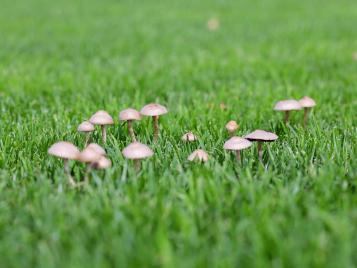
Image Source: www.lovethegarden.com
Why Do Mushrooms Appear in My Yard?
The presence of mushrooms in your yard isn’t usually a direct threat to your grass. However, they are often indicators of deeper soil issues. Think of them as a visual cue that something is going on beneath the surface.
Here are the primary reasons you might be seeing mushrooms:
- Excess Moisture: Fungi thrive in damp conditions. Overwatering, poor drainage, or consistently wet soil create an ideal environment for mycelium to grow and produce mushrooms.
- Abundant Organic Matter: Mushrooms are decomposers. They feed on decaying organic materials in the soil. This can include dead grass clippings, fallen leaves, buried wood or roots, and even pet waste.
- Thatch Buildup: A thick layer of thatch, which is a mat of dead and living grass stems, roots, and other organic debris on the soil surface, traps moisture and provides a food source for fungi.
- Compacted Soil: Heavily compacted soil restricts air and water flow. This can lead to waterlogging in certain areas, creating damp pockets where mushrooms can flourish.
- Shady Areas: Areas of your lawn that receive less sunlight tend to stay cooler and moister for longer periods, making them more susceptible to fungal growth.
- Underground Debris: Sometimes, mushrooms sprout from buried organic matter like old tree stumps, roots, or even forgotten construction debris.
Addressing the Root Causes for Effective Mushroom Control
Simply removing the visible mushrooms won’t solve the problem. You need to tackle the conditions that encourage their growth. This involves a multi-pronged approach focusing on soil health and moisture management.
Managing Soil Moisture and Drainage
Controlling the water in your lawn is crucial for mushroom control lawn.
- Water Wisely: Water your lawn deeply but less frequently. This encourages grass roots to grow deeper, making the lawn more drought-tolerant and less prone to surface dampness. Avoid light, frequent watering, which keeps the topsoil consistently wet. Water in the early morning so the grass has time to dry before evening.
- Check for Drainage Issues: If certain areas of your lawn remain waterlogged, you may have drainage problems. This could be due to compacted soil or an uneven grade.
- Improve Drainage:
- Aeration: This is one of the most effective ways to improve drainage and air circulation. Lawn aeration involves creating small holes in the soil, allowing water, air, and nutrients to penetrate more easily. This process helps alleviate soil compaction.
- Topdressing: After aeration, consider topdressing with a thin layer of compost or sand. This can further improve soil structure and drainage over time.
Tackling Thatch Buildup
A healthy lawn has a small amount of thatch, but when it gets too thick, it becomes a problem.
- Thatch Removal (Dethatching): Thatch removal is essential if the thatch layer is more than half an inch thick. You can do this using a power rake or a scarifier. This process removes the excess organic material, reducing moisture retention and the food source for fungi. It also allows for better air and water penetration to the soil.
- Mow Regularly: Don’t let grass clippings sit on the lawn in thick clumps. They can contribute to thatch. Mow your lawn often enough so that you’re only removing about one-third of the grass blade length at a time. Grasscycling (leaving finely chopped clippings on the lawn) is generally good, but not if it creates excessive matting.
Improving Soil Aeration
Good soil aeration is vital for a healthy lawn, and soil aeration benefits are numerous, including deterring mushrooms.
- Core Aeration: This mechanical process removes plugs of soil from your lawn. As mentioned, it directly combats compaction, which is a common culprit for persistent moisture and mushroom growth. The removed plugs break down naturally, returning organic matter to the soil.
- Frequency: Core aeration is typically recommended once a year, or more often in heavily used areas or if compaction is severe. The best time to aerate is during the active growing season for your grass type.
Dealing with Buried Organic Matter
If you suspect buried wood or other organic materials are the cause, you’ll need to address these directly.
- Locate and Remove: If possible, try to pinpoint the source of the mushrooms. This might involve digging around the affected area. If you find buried wood or stumps, removing them will eliminate the food source for the fungi.
- Break Down Slowly: For large stumps, it can be difficult to remove them entirely. You can try drilling holes into the stump and filling them with a nitrogen-rich fertilizer or compost to encourage faster decomposition. However, this will temporarily increase the organic matter, so be prepared for potential mushroom growth in the short term.
Lawn Fungus Treatment and Prevention Strategies
While mushrooms are visible, the underlying issue is a fungal growth. Applying a lawn fungus treatment can help manage the fungal activity.
Cultural Practices as Natural Mushroom Control
Many lawn care tips also serve as effective natural mushroom control lawn methods.
- Proper Fertilization: Feed your lawn with the right nutrients at the right times. A healthy, vigorously growing lawn is better able to outcompete fungi. Avoid over-fertilizing, which can lead to rapid, weak growth that is more susceptible to disease and thatch buildup.
- Overseeding: Filling in thin or bare patches with grass seed can help create a denser lawn, reducing the space available for weeds and fungi to establish.
- Sunlight: In very shady areas, consider trimming overhanging tree branches to allow more sunlight to reach the grass. For extremely shady spots where grass struggles, consider shade-tolerant ground cover plants instead of turf.
Chemical Treatments (Use with Caution)
If cultural practices aren’t enough, you might consider chemical interventions. However, it’s important to remember that chemicals can harm beneficial soil organisms.
- Fungicides: There are commercially available fungicides that can be applied to your lawn. These are often broad-spectrum treatments.
- How they work: Fungicides kill or inhibit the growth of fungi. Some are preventative, while others are curative.
- Application: Always follow the product label instructions carefully regarding dosage, application method, and safety precautions. It’s often best to target specific areas where mushrooms are a recurring problem.
- Consider the “Antifungal for Grass”: When choosing a product, look for one specifically labeled for lawn use and effective against common lawn fungi. Some might be described as an “antifungal for grass.”
Organic Solutions for Mushroom Control
For those who prefer natural methods, there are organic mushroom killer options.
- Cornmeal: A popular organic treatment is cornmeal. It acts as a natural fertilizer for beneficial soil microbes that can outcompete the pathogenic fungi causing mushrooms. Sprinkle cornmeal liberally over affected areas.
- Beneficial Microbes: You can also purchase products containing beneficial microbes designed to combat fungal diseases in the soil. These can help rebalance the soil ecosystem.
- Manual Removal: While not a long-term solution, you can physically remove mushrooms by hand or with a spade. Dispose of them in a sealed bag to prevent spore dispersal.
Differentiating Mushroom Types and What They Indicate
Not all mushrooms in your lawn are the same, and their appearance can sometimes offer clues about the soil conditions.
Fairy Rings
These are circles or arcs of mushrooms, often accompanied by darker green, faster-growing grass in the ring and a dead or brown patch inside or outside the ring.
- Cause: Fairy rings are caused by the outward growth of the underground fungal mycelium. As it grows, it decomposes organic matter, which can initially fertilize the grass (causing the green ring) and then deplete nutrients or create hydrophobic conditions (causing the brown ring).
- Treatment:
- Aeration: Helps break up the dense mycelium.
- Watering: Water the affected area deeply and frequently to encourage grass growth within the ring.
- Fertilization: Apply a nitrogen-rich fertilizer to the entire lawn, including the ring, to promote uniform growth.
- Topdressing: As mentioned, topdressing after aeration can help.
- Fungicides: In severe cases, a lawn fungus treatment may be necessary, but cultural practices are often sufficient.
Individual Mushrooms or Clusters
These are the more common instances where you see mushrooms scattered across the lawn, often in clusters.
- Cause: This is typically due to localized pockets of decaying organic matter and moisture. This could be from old roots, buried wood, or simply a concentration of thatch and dampness.
- Treatment:
- Locate and Remove Source: If possible, identify and remove any buried debris.
- Thatch Removal: Dethatch the lawn if thatch is a contributing factor.
- Aeration: Improves overall soil health.
- Water Management: Ensure proper watering practices.
When to Seek Professional Help
If you’ve tried several of these methods and are still struggling with persistent mushroom growth, it might be time to consult a professional. A lawn care specialist can:
- Diagnose Specific Issues: They can identify underlying soil problems or specific types of fungi affecting your lawn.
- Recommend Tailored Treatments: They can suggest the most appropriate lawn fungus treatment or antifungal for grass based on your lawn’s specific needs.
- Implement Advanced Solutions: They have access to professional-grade equipment and products that can be more effective.
Summary of Key Lawn Care Tips for Mushroom Control
| Strategy | Description | How it Helps Control Mushrooms |
|---|---|---|
| Water Wisely | Water deeply and infrequently, preferably in the morning. | Reduces surface moisture, making the environment less hospitable for fungi. |
| Lawn Aeration | Create small holes in the soil to improve air and water penetration. | Alleviates soil compaction, reduces waterlogging, and allows the soil to dry out more effectively. |
| Thatch Removal | Remove excess thatch layer (over ½ inch) using a power rake or scarifier. | Eliminates a primary food source and moisture trap for fungi. |
| Improve Drainage | Address areas that stay waterlogged through aeration or grading adjustments. | Prevents consistently damp soil conditions. |
| Clear Debris | Remove any buried wood, roots, or organic waste from the soil. | Eliminates specific food sources for fungi. |
| Mow Properly | Mow frequently enough to avoid thick clumps of grass clippings. | Prevents added organic matter from contributing to thatch and fungal growth. |
| Fertilize Smart | Fertilize according to your grass type’s needs, avoiding over-fertilization. | Promotes a healthy, dense lawn that can outcompete fungi. |
| Organic Control | Use cornmeal or beneficial microbial products. | Introduces beneficial organisms that compete with or break down pathogenic fungi. |
| Chemical Control | Use a targeted lawn fungus treatment or antifungal for grass as a last resort, following label directions. | Kills or inhibits fungal growth, but should be used cautiously to protect soil health. |
Frequently Asked Questions (FAQ)
Q1: Are the mushrooms in my lawn poisonous?
While many lawn mushrooms are harmless to your grass, some can be toxic if ingested by pets or children. It’s best to assume all mushrooms are potentially harmful and keep pets and children away from them. Always dispose of them safely.
Q2: Can I just kick the mushrooms over?
Kicking over or removing mushrooms by hand can prevent them from spreading spores, but it doesn’t address the underlying fungal growth in the soil. The mushrooms will likely return until the environmental conditions that favor them are corrected.
Q3: How long does it take to see results after aerating or dethatching?
You should notice improved soil health and potentially a reduction in mushroom activity within a few weeks to a couple of months after core aeration or dethatching, especially if combined with proper watering and fertilization. Consistent application of good lawn care tips is key.
Q4: Is it always a bad sign if I have mushrooms?
Mushrooms are often a sign of a healthy soil ecosystem, as they indicate the presence of beneficial fungi and organic matter. However, excessive or frequent mushroom growth can point to imbalances, such as too much moisture or compaction, which can negatively impact your grass over time. It’s about managing them so they don’t become a nuisance or a symptom of a larger problem.
By implementing these comprehensive strategies, you can effectively manage and reduce mushroom growth in your lawn, leading to a healthier, more beautiful, and enjoyable outdoor space.