
Can you get rid of mushrooms in a lawn naturally? Yes, you absolutely can! While mushrooms might seem like an unwelcome guest, they are often a sign of a healthy, albeit sometimes damp, soil ecosystem. However, if you’re looking for a pristine lawn free of these fungal fruiting bodies, a natural approach is often best for your lawn’s overall health and the environment. This comprehensive guide will walk you through how to manage and remove mushrooms from your lawn using natural methods, addressing common causes and offering preventative strategies.
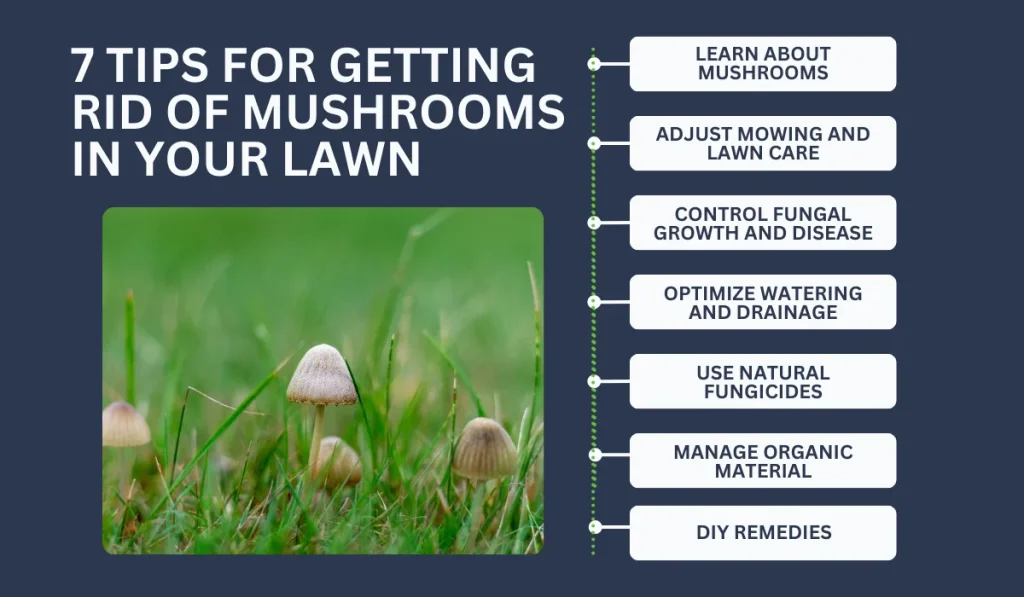
Image Source: sodlawn.com
Why Do Mushrooms Appear in My Lawn?
Mushrooms are the reproductive structures of fungi. Their appearance in your lawn usually indicates that there’s a good source of organic matter in the soil that the fungi are breaking down. This is often a good thing for soil health, but the visible mushrooms can be unsightly and, in some cases, a sign of underlying lawn issues.
Here are some common reasons you might see mushrooms:
- Decomposing Organic Matter: This is the most frequent culprit. Buried tree stumps, old roots, animal feces (like dog or deer droppings), thatch buildup, or even grass clippings left on the lawn can provide food for fungi. The mushrooms pop up as a result.
- Excessive Moisture: Fungi thrive in damp conditions. Overwatering, poor drainage, or prolonged periods of rain can create the ideal environment for mushroom growth.
- Shady Areas: Areas of your lawn that receive less sunlight tend to stay moister for longer, encouraging fungal activity.
- Compacted Soil: Compacted soil hinders water drainage, leading to consistently damp conditions that fungi love.
- Healthy Soil Biology: Sometimes, mushrooms are simply a sign of a robust soil biome, meaning your soil is rich in nutrients and organic material.
Identifying the Cause is Key
Before you can effectively tackle fungus on grass or removing toadstools, it’s crucial to identify why they are appearing. Addressing the root cause is far more effective than just removing the visible mushrooms.
Common Causes and What They Signal:
- Buried Wood: You might see clusters of mushrooms, often in a ring or arc. This means there’s decaying wood beneath the soil.
- Animal Waste: Small clusters or solitary mushrooms can appear where pets or wildlife have left droppings.
- Thatch Buildup: A thick layer of thatch (dead grass material) can hold moisture and provide food for fungi, leading to widespread mushroom growth.
- Poor Drainage: If mushrooms are concentrated in low-lying areas after rain, it points to a drainage problem.
Natural Methods for Removing Mushrooms
The goal of natural mushroom removal is to eliminate the conditions that promote their growth rather than using harsh chemicals. Here’s how you can achieve organic mushroom removal:
1. Manual Removal (The Quickest Fix)
The most immediate way to get rid of mushrooms is to simply pick them.
- How to do it:
- Wear gloves.
- Gently twist and pull each mushroom from the ground.
- Try to remove the entire mushroom, including the base or mycelium, if possible.
- Dispose of the mushrooms in a sealed bag. Do not compost them, as they can spread spores.
- Why it works: This physically removes the fruiting bodies, making your lawn look tidier. It doesn’t solve the underlying problem, but it’s a necessary first step for aesthetic reasons and to prevent spore dispersal.
2. Address Thatch Buildup
Excessive thatch can smother your grass and create a damp environment perfect for fungi.
- How to do it:
- Dethatching: Use a mechanical dethatcher (rentable from garden centers) or a stiff rake. For smaller lawns, a strong manual rake can work.
- Timing: The best time to dethatch is during your lawn’s active growing season (spring or fall for cool-season grasses, summer for warm-season grasses).
- After dethatching: Rake up and dispose of the loosened thatch.
- Why it works: Removing thatch improves air circulation, allows water and nutrients to reach the soil, and eliminates a primary food source for fungi.
3. Improve Soil Aeration
Compacted soil is a common contributor to damp conditions and mushroom growth. Aeration helps alleviate this.
- How to do it:
- Core Aeration: This is done with a machine that pulls out plugs of soil. This is the most effective method.
- Spike Aeration: Simpler machines or tools can poke holes into the soil.
- Timing: Aerate when your grass is actively growing.
- Frequency: Once a year or every other year, depending on soil compaction.
- Why it works: Aeration allows air, water, and nutrients to penetrate the soil more easily, promoting healthier root growth and reducing waterlogging that encourages fungal growth control.
4. Manage Watering Practices
Overwatering is a primary driver for mushroom growth.
- How to do it:
- Water Deeply and Infrequently: Aim to water your lawn only when it shows signs of stress (e.g., wilting or a dull greyish color).
- Timing: Water in the early morning. This allows the grass blades to dry off before nightfall, reducing the risk of fungal diseases.
- Check Drainage: Ensure your sprinklers aren’t creating constantly soggy spots. Adjust sprinkler heads if necessary.
- Why it works: Reducing excess moisture removes the ideal conditions for fungi to thrive. This is a crucial part of lawn care tips for overall lawn health improvement.
5. Improve Sunlight Exposure
Shady areas are prone to staying wet longer, promoting mushroom growth.
- How to do it:
- Trim Trees and Shrubs: Prune branches that overhang your lawn to allow more sunlight to reach the grass.
- Consider Shade-Tolerant Grasses: If a particular area is consistently shady and problematic, consider overseeding with a grass type that tolerates shade well.
- Why it works: Increased sunlight helps the soil and grass dry out more quickly after rain or dew, making it less hospitable to fungi.
6. Address Buried Organic Matter
If you suspect buried wood or other organic debris is the cause, you’ll need to remove it.
- How to do it:
- Locate the Source: Observe where the mushrooms are appearing most frequently. If they form rings or arcs, it often indicates buried wood.
- Excavate: Carefully dig up the suspected organic material. This might involve removing a section of your lawn.
- Remove and Replace: Remove the debris and refill the hole with fresh topsoil.
- Why it works: This directly removes the food source for the fungi.
7. Increase Lawn Health and Density
A thick, healthy lawn is naturally more resistant to fungal issues.
- How to do it:
- Proper Mowing: Mow at the highest recommended setting for your grass type. This encourages deeper root growth.
- Fertilization: Use a balanced, slow-release fertilizer appropriate for your grass type and the season. Healthy turf crowds out weeds and fungi.
- Overseeding: Fill in thin spots with new grass seed to create a denser lawn.
- Why it works: A strong turf canopy shades the soil, reducing moisture evaporation and suppressing weed growth, which can also contribute to fungal problems. This is a core aspect of preventing lawn fungi.
8. Natural Fungicides (Use Sparingly)
While the goal is natural control, in some persistent cases, you might consider natural fungicides. However, these are generally less effective for mushrooms themselves and more for actual lawn disease treatment.
- Baking Soda Solution: A solution of baking soda and water can sometimes help deter fungal growth.
- Recipe: Mix 1 tablespoon of baking soda with 1 gallon of water.
- Application: Lightly spray the affected areas. Test on a small patch first, as too much can harm grass.
- Why it works (limited): Baking soda can alter the soil pH, making it less favorable for some fungi. However, its effectiveness against established mushroom colonies is debated.
Specific Mushroom Types and Their Control
While the general principles apply, recognizing different types of fungal activity can help tailor your approach.
Fairy Rings
These are circular patterns of mushrooms. They can be caused by buried wood or simply a buildup of organic matter in the soil.
- Natural Treatment:
- Break the Ring: Drive a shovel into the ground around the ring to disrupt the mycelium.
- Water Management: Ensure the area isn’t staying excessively wet.
- Aeration and Dethatching: These practices help break down the organic matter over time.
- Deeper Mowing: If the ring is in a grassed area, mowing slightly higher can help the grass in the ring area become more resilient.
Brown Patch
While not a mushroom itself, brown patch is a common lawn disease treatment target. It’s caused by a fungus (Rhizoctonia solani) that thrives in specific conditions, often related to moisture and temperature.
- Natural Prevention/Treatment:
- Watering: Avoid watering in the evening.
- Air Circulation: Prune shrubs, aerate the soil.
- Proper Fertilization: Avoid over-fertilizing, especially with high-nitrogen fertilizers in hot weather.
- Resistant Grass Varieties: Choose grass types known for brown patch resistance.
What Not to Do
- Avoid Chemical Fungicides for Mushrooms: Most chemical mushroom killer for lawns are designed for specific lawn diseases, not for the visible mushroom bodies themselves. They can harm beneficial soil organisms and are often unnecessary when addressing the underlying causes.
- Don’t Leave Mushrooms on the Lawn: While picking them doesn’t solve the problem, leaving them to decay can spread spores and attract more fungal activity.
- Don’t Rely on Salt: While salt can kill fungi, it will also kill your grass and severely damage your soil for years to come.
Table: Natural Lawn Mushroom Control Strategies
| Problem | Natural Solution | How it Works |
|---|---|---|
| Thatch Buildup | Dethatching | Removes food source, improves air/water penetration. |
| Soil Compaction | Core Aeration | Improves drainage, air circulation, root health. |
| Overwatering | Deep, infrequent watering; morning watering | Reduces moisture, making conditions less favorable for fungi. |
| Buried Organic Matter | Excavation and removal | Eliminates the food source for fungi. |
| Shady Areas | Pruning trees, shade-tolerant grasses | Increases sunlight, helps soil dry faster. |
| Poor Air Circulation | Pruning, dethatching, aeration | Promotes faster drying of grass and soil. |
| Thin Lawn | Proper mowing, fertilization, overseeding | Creates a dense turf that shades soil and outcompetes fungi. |
| Aesthetic Unpleasantness | Manual removal of mushroom caps | Immediate visual improvement, prevents spore spread. |
Frequently Asked Questions (FAQ)
Q1: Are lawn mushrooms dangerous to pets or children?
A1: Most mushrooms that grow in lawns are not poisonous, but it’s impossible to tell just by looking. To be safe, it’s best to remove any mushrooms from your lawn if you have pets or small children who might be tempted to eat them.
Q2: Will these natural methods get rid of all mushrooms forever?
A2: Natural methods aim to create conditions that are less favorable for mushrooms. Fungi are a natural part of the soil ecosystem. While you can significantly reduce their occurrence, complete eradication is unlikely and often unnecessary. The goal is management.
Q3: How long does it take to see results?
A3: Results will vary depending on the severity of the issue and the specific methods you employ. Addressing underlying causes like thatch or poor drainage can take time. You might see a reduction in mushrooms within a few weeks to a couple of months as you implement better lawn care tips.
Q4: Can I just leave the mushrooms alone?
A4: If the mushrooms don’t bother you aesthetically and you’re confident they aren’t poisonous, you can leave them. They are a sign of healthy soil. However, if you want a manicured lawn, removal and addressing the cause is necessary.
Q5: My lawn has brown patches. Is this related to mushrooms?
A5: Brown patches can be a symptom of various lawn disease treatment issues, including fungal infections like brown patch. While mushrooms and brown patches are both fungal, a brown patch is a direct sign of disease affecting the grass itself, whereas mushrooms are the reproductive bodies of fungi decomposing organic matter. Addressing moisture and air circulation can help with both.
Conclusion
Getting rid of lawn mushrooms naturally is about fostering a healthy lawn environment. By focusing on proper mowing, watering, aeration, and thatch management, you can effectively discourage fungal growth. Remember, a healthy, dense lawn is your best defense against many lawn problems, including unsightly mushrooms. Embrace these lawn care tips for a greener, healthier, and mushroom-free yard.