
Can you get rid of lawn moths naturally? Yes, you can effectively combat lawn moths using a variety of natural, eco-friendly methods. These approaches focus on creating a healthy lawn ecosystem that is less inviting to moth larvae and more supportive of their natural predators.
Lawn moths, often seen fluttering around your grass in the evenings, might seem like a harmless nuisance. However, their larval stage, commonly known as sod webworms or cutworms, can wreak havoc on your lawn, causing unsightly brown patches and weakened grass. Fortunately, you don’t need harsh chemicals to win the battle against these pests. Embracing natural lawn care methods is not only better for the environment but also promotes a more resilient and vibrant turf. This guide will walk you through easy, effective, and natural ways to get rid of lawn moths and their damaging larvae.
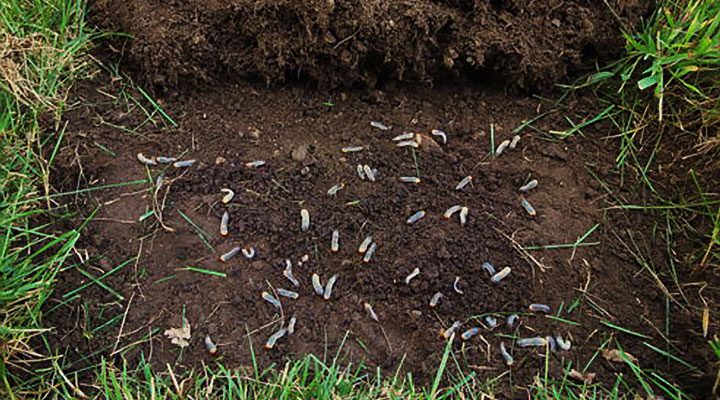
Image Source: safeguardpestcontrol.com.au
Fathoming Lawn Moth Infestations
Lawn moths themselves are not typically the culprits of lawn damage. The real troublemakers are their offspring: the caterpillars or larvae. These hungry munchers feed on grass blades and roots, leading to stressed and dying grass. Identifying an infestation early is key to managing it naturally.
Spotting the Signs of Trouble
- Brown Patches: Irregular, dry-looking patches that expand over time are a tell-tale sign.
- Wilting Grass: Even with adequate watering, your grass might appear droopy and weak.
- Increased Bird Activity: Birds are natural predators of lawn moth larvae and will often congregate in infested areas to feed.
- Visible Caterpillars: In severe cases, you might see the small, segmented caterpillars themselves, especially in the early morning or late evening, or after rain.
Identifying the Culprits: Sod Webworms vs. Cutworms
While both are caterpillar pests, they have slightly different habits:
- Sod Webworms: These are small, greenish or brownish caterpillars with distinct spots. They create silk tunnels in the soil or thatch layer, emerging at night to feed on grass blades. Their feeding damage often results in a “scorched” appearance.
- Cutworms: These are typically larger, smoother caterpillars that curl into a “C” shape when disturbed. They are infamous for “cutting” young plants and grass blades at the soil line.
Natural Strategies for Lawn Moth Control
The core of natural lawn pest control lies in creating an environment that discourages moths from laying eggs and supports the natural enemies of their larvae.
Promoting a Healthy Lawn Ecosystem
A strong, healthy lawn is naturally more resistant to pests. Focus on these fundamental practices:
- Proper Mowing: Mow at the correct height for your grass type. Taller grass shades the soil, keeping it cooler and moister, which is less appealing to egg-laying moths. Avoid cutting more than one-third of the grass blade at a time.
- Adequate Watering: Water deeply and infrequently. This encourages deeper root growth, making the grass more resilient. Overwatering can create a favorable environment for some pests, while underwatering stresses the grass, making it more susceptible.
- Fertilization: Use organic fertilizers to provide slow-release nutrients. This promotes steady growth without excessive flushes that can attract pests.
Introducing Beneficial Nematodes
One of the most powerful allies in your natural pest control arsenal is beneficial nematodes. These microscopic, soil-dwelling roundworms are natural parasites of various insect larvae, including sod webworms and cutworms.
How Nematodes Work:
- Search and Destroy: Different species of beneficial nematodes target different pests. When applied to the soil, they actively seek out their insect hosts.
- Infection: Upon finding a suitable host larva, the nematodes enter its body through natural openings.
- Rapid Reproduction: Inside the host, the nematodes reproduce rapidly, consuming the larva from within and killing it.
- Release and Repeat: As the host larva dies, the new generation of nematodes is released into the soil to find more prey.
Applying Beneficial Nematodes:
- Timing is Crucial: Apply nematodes when soil temperatures are between 50°F and 85°F (10°C and 29°C) and when the larvae are actively feeding. This often occurs in late spring and early fall.
- Soil Moisture: The soil must be moist for nematodes to survive and move. Water the lawn thoroughly before application and keep it moist afterward.
- Application Method: Nematodes are typically mixed with water and applied using a hose-end sprayer or a watering can. Ensure even distribution.
- Storage: Keep nematodes refrigerated until ready to use. Follow package instructions for mixing and application.
The Power of Milky Spore Lawn
Milky spore lawn treatments are a highly effective biological control for Japanese beetle grubs, which can also damage lawns and are often found alongside other turf pests. While primarily targeting grubs, a healthy lawn resistant to one pest is generally healthier overall.
What is Milky Spore?
Milky spore is a naturally occurring soil bacterium, Bacillus popilliae. It infects and kills Japanese beetle grubs. The spores remain dormant in the soil and only become active when ingested by a grub.
How it Works:
- Ingestion: Grubs consume the milky spore bacteria while feeding on grass roots.
- Germination and Infection: Once ingested, the spores germinate inside the grub’s digestive system.
- Spore Production: The bacteria multiply, eventually filling the grub with a milky white spore mass.
- Death and Release: The infected grub dies, releasing millions of new milky spore spores into the soil, ready to infect the next generation of grubs.
Applying Milky Spore:
- Patience is Key: Milky spore takes time to establish in the soil. It typically requires two applications, spaced a year or two apart, for effective long-term control.
- Timing: Apply when grubs are present, usually in late summer or early fall when they are feeding close to the surface.
- Coverage: Ensure even application across the affected areas. The granules need to come into contact with the soil.
- Soil Conditions: Apply to moist soil.
Harnessing the Capabilities of Diatomaceous Earth
Diatomaceous earth lawn applications can offer a mechanical means of pest control. This natural powder is made from fossilized aquatic organisms called diatoms.
How Diatomaceous Earth Works:
- Microscopic Sharpness: Diatomaceous earth has incredibly sharp, microscopic edges.
- Dehydration: When insects, including the larvae of lawn moths, crawl over DE, these sharp edges scratch their exoskeletons. This damage causes the insects to lose moisture and dehydrate.
- Non-Toxic to Humans and Pets: Food-grade diatomaceous earth is safe for use around people and animals.
Applying Diatomaceous Earth:
- Targeted Application: Apply directly to affected areas, especially around the base of grass blades where larvae might be found.
- Dry Conditions: DE is most effective when the soil is dry. Reapply after rain.
- Frequency: It needs to be reapplied periodically, especially after heavy rain or irrigation, as it is water-soluble.
- Caution: Avoid inhaling the dust when applying.
The Role of Bacillus Thuringiensis in Lawn Care
Bacillus thuringiensis lawn (Bt) is a naturally occurring soil bacterium that produces proteins toxic to certain insect larvae. Different strains of Bt target different types of insects.
Bt and Lawn Moths:
- Specific Strains: Look for Bt strains specifically labeled for caterpillars or lepidopteran larvae (the order moths and butterflies belong to). Bacillus thuringiensis var. kurstaki (Btk) is commonly used for caterpillar control.
- Ingestion: Bt works only when the insect ingests it. Caterpillars chew on grass treated with Bt, consuming the bacterium.
- Gut Disruption: Once inside the caterpillar’s gut, the Bt proteins are activated, causing the gut lining to rupture and the insect to stop feeding and die.
Applying Bacillus Thuringiensis:
- Timing: Apply when you first notice young caterpillars feeding. The younger the larvae, the more susceptible they are to Bt.
- Coverage: Ensure thorough coverage of the affected lawn areas.
- Reapplication: Bt breaks down in sunlight, so reapplication may be necessary every few days if an infestation persists.
- Safety: Bt is safe for humans, pets, birds, and beneficial insects that do not ingest it.
Crafting Homemade Lawn Pest Sprays
For a more immediate solution, you can create a homemade lawn pest spray using common household ingredients. These are generally less potent than commercial products but can be effective for minor infestations.
Simple Neem Oil Spray:
- Neem Oil Lawn Treatment: Neem oil is a powerful natural insecticide, fungicide, and miticide derived from the neem tree. It works by disrupting insect hormones, acting as an antifeedant, and suffocating soft-bodied insects.
- Recipe:
- 1 tablespoon of pure, cold-pressed neem oil
- 1 teaspoon of mild liquid soap (like pure castile soap)
- 1 quart (approx. 1 liter) of warm water
- Instructions: Mix the neem oil and soap together first, then add the warm water and stir well. Pour into a spray bottle.
- Application: Spray directly onto the affected areas of the lawn, ensuring good coverage of grass blades and soil. Apply in the early morning or late evening to avoid harming beneficial insects and to prevent leaf scorch. Reapply every 7-14 days as needed.
Garlic and Chili Pepper Spray:
- Recipe:
- 1 whole bulb of garlic, blended with 1 cup of water
- 1 tablespoon of cayenne pepper powder or a few hot peppers, blended with 1 cup of water
- 1 teaspoon of mild liquid soap
- 1 gallon (approx. 4 liters) of water
- Instructions: Combine the garlic and chili pepper mixtures. Add the soap and then the gallon of water. Stir well.
- Application: Strain the mixture through cheesecloth to prevent clogging your sprayer. Apply to affected areas. This spray acts as a repellent.
Cultivating Companion Planting for Lawns
While traditional companion planting involves rows of vegetables, you can adapt the principles to your lawn by planting certain flowers and herbs around its borders or in adjacent garden beds. This approach focuses on attracting beneficial insects that prey on lawn pests.
Plants That Attract Natural Predators:
- Dill: Attracts ladybugs, lacewings, and hoverflies, which feed on caterpillars and other pests.
- Fennel: Similar to dill, it attracts beneficial insects.
- Yarrow: Provides nectar and pollen for predatory wasps and flies.
- Marigolds: Known to repel some nematodes and attract pollinators.
- Mint: Can deter some pests, but plant it in containers as it can be invasive.
Natural Grub Control and Lawn Moth Management
Many of the methods for controlling lawn moth larvae also fall under the umbrella of organic grub control, as grubs and caterpillars share some vulnerabilities.
Integrated Pest Management (IPM) Approach:
A successful natural lawn care strategy often combines several methods. This Integrated Pest Management (IPM) approach is more effective and sustainable.
- Monitor Regularly: Keep an eye on your lawn for early signs of trouble.
- Identify the Pest: Correctly identifying the pest (sod webworm, cutworm, grub) ensures you use the most effective natural control.
- Use Biological Controls: Introduce beneficial nematodes or milky spore as preventative or treatment measures.
- Apply Natural Sprays: Use homemade or commercially available organic sprays as needed for active infestations.
- Encourage Biodiversity: Plant attractive flowers and herbs to bring in beneficial insects.
Seasonal Strategies for Lawn Moth Prevention
Implementing natural lawn care practices consistently throughout the year will build a resilient lawn, making it less susceptible to infestations.
Spring: Preparation and Early Defense
- Aerate and Dethatch: Improve soil aeration and reduce thatch buildup, which can harbor pests.
- Apply Milky Spore: If Japanese beetles are a problem in your area, this is a good time to apply or reapply milky spore.
- Monitor for Early Larvae: Look for signs of young caterpillars feeding.
Summer: Active Management and Prevention
- Proper Watering and Mowing: Maintain a healthy lawn that can withstand some pest pressure.
- Introduce Beneficial Nematodes: Late spring and early summer are prime times for nematode application as soil temperatures rise and larvae become active.
- Apply Bt: If you see young caterpillars, a targeted Bt spray can be effective.
Fall: Preparing for the Next Season
- Apply Milky Spore: This is an ideal time to treat for Japanese beetle grubs.
- Monitor for Late Season Activity: Some moth species may have multiple generations.
- Overseed Thin Areas: Healthy grass will outcompete weeds and pests.
Winter: Dormancy and Soil Health
- Focus on Soil Health: While pests are dormant, focus on building soil health through organic matter.
- Plan for Spring: Review what worked and what didn’t for next year’s strategy.
Frequently Asked Questions (FAQ)
Q1: How do I know if my lawn has lawn moths?
A1: Signs include brown, patchy areas, wilting grass that doesn’t respond to watering, increased bird activity, and the occasional sighting of small caterpillars or moths in the evening. A simple turf damage test involves cutting the bottoms off two tin cans, pushing them a few inches into the soil in affected areas, filling them with water, and waiting 15-20 minutes. If larvae are present, they will float to the surface.
Q2: Are beneficial nematodes safe for my pets and children?
A2: Yes, beneficial nematodes are microscopic organisms that are completely harmless to humans, pets, birds, and beneficial insects. They specifically target insect larvae.
Q3: How long does it take for natural lawn moth treatments to work?
A3: The speed of results can vary. Beneficial nematodes can start working within days, though a full population establishment for long-term control can take a season. Milky spore can take 2-3 years to become fully effective. Bt works within a few days of ingestion. Natural sprays offer more immediate but shorter-lived results.
Q4: Can I combine different natural treatments?
A4: Yes, a combination of natural treatments is often the most effective approach. For example, using beneficial nematodes and encouraging beneficial insects through companion planting can create a robust defense system. Ensure you follow application instructions for each product.
Q5: When is the best time to apply treatments for lawn moths?
A5: The best time depends on the life cycle of the lawn moth larvae. Generally, late spring through early fall is when larvae are most active and susceptible. Applying beneficial nematodes when soil temperatures are between 50-85°F and larvae are feeding is ideal. For Bt, apply when you see young caterpillars.
Q6: Will diatomaceous earth harm earthworms?
A6: Food-grade diatomaceous earth is generally considered safe for earthworms when used as directed. However, excessive application or using industrial-grade DE could be harmful. Apply it judiciously and avoid saturating the soil.
By adopting these natural and easy-to-implement strategies, you can effectively manage lawn moth infestations, protect your turf, and contribute to a healthier environment. A proactive approach focused on soil health and biodiversity is your best bet for a naturally beautiful and pest-free lawn.