
Can I spread dirt on my lawn? Yes, you absolutely can and often should spread dirt on your lawn to improve its health and appearance. This process, often referred to as topdressing, is a cornerstone of excellent lawn care, helping to level the ground, enrich the soil, and encourage thicker, greener grass.
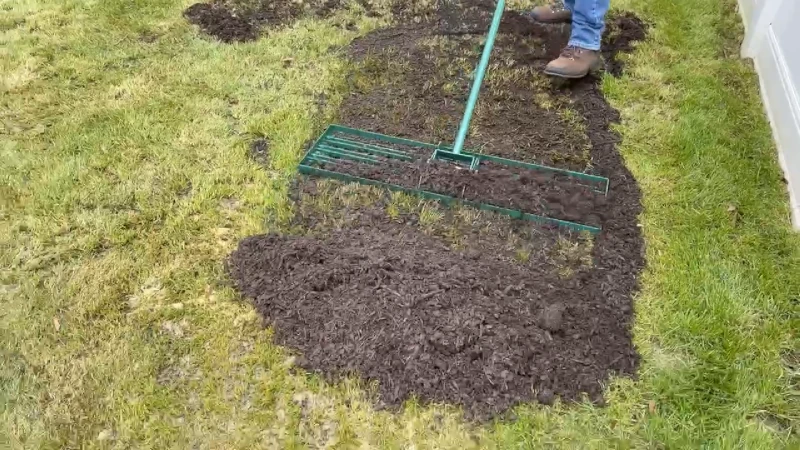
Image Source: landzie.com
Revitalizing Your Lawn with a Layer of Soil
A healthy, vibrant lawn is the envy of any neighborhood. While regular mowing, watering, and fertilizing are crucial, the foundation of a great lawn lies beneath the surface – in the soil. Spreading dirt on your lawn, or topdressing, is a powerful technique that addresses common lawn issues and promotes vigorous growth. It’s a process that involves carefully applying a thin layer of soil, compost, or other soil amendments to the existing lawn. This not only improves the aesthetics by lawn leveling and filling bare spots but also significantly enhances the soil’s quality, leading to a more resilient and lush turf.
Why Topdressing is a Game Changer for Your Lawn
Topdressing isn’t just about aesthetics; it’s a fundamental lawn care tip that nurtures your turf from the roots up. By carefully applying soil, you’re essentially providing a nutrient boost and improving the growing environment for your grass. This practice is particularly beneficial for lawns that have become thin, uneven, or are struggling with poor soil conditions.
Key Benefits of Spreading Dirt on Your Lawn:
- Improves Soil Structure: Adding a layer of good quality soil can break up clay soil, improving drainage and aeration, or help sandy soil retain moisture and nutrients.
- Enhances Nutrient Content: When using nutrient-rich materials like compost, you directly feed your lawn, promoting healthier and stronger grass growth.
- Levels the Surface: Topdressing is an excellent way to smooth out minor bumps, depressions, and uneven areas, creating a more uniform and appealing lawn.
- Fills Bare Spots: A thin layer of soil can help revive areas where grass has died out, providing a suitable medium for grass seed germination.
- Suppresses Thatch: Over time, a buildup of dead organic matter, known as thatch, can suffocate your lawn. Topdressing can help to break down thatch and prevent its excessive accumulation.
- Increases Water Retention: Many soil amendments, especially compost, improve the soil’s ability to hold water, making your lawn more drought-tolerant.
Choosing the Right Dirt: What to Spread on Your Lawn
The “dirt” you spread is crucial. Not all soil is created equal, and using the wrong material can do more harm than good. The best materials are finely screened and blended to provide optimal benefits without introducing weed seeds or creating drainage problems.
Common Topdressing Materials:
- Screened Topsoil: This is often the go-to for lawn leveling. It’s usually a blend of sand, silt, and clay, screened to remove large debris and rocks. High-quality screened topsoil provides a good balance of drainage and moisture retention.
- Compost: Applying compost is one of the most beneficial topdressing methods. Compost is decomposed organic matter, rich in nutrients and beneficial microorganisms. It dramatically improves soil structure, fertility, and water-holding capacity.
- Sandy Loam: A mix of sand, silt, and clay in roughly equal proportions. Sandy loam offers excellent drainage and aeration while retaining enough moisture and nutrients for healthy grass growth.
- Compost & Topsoil Blend: Often, a mixture of screened topsoil and compost (e.g., 70% topsoil, 30% compost) provides the best of both worlds – structure from the topsoil and nutrients/organic matter from the compost.
Important Consideration: Always ensure the material you choose is free from weed seeds, disease pathogens, and harmful chemicals. Purchasing from reputable garden centers or soil suppliers is recommended.
When is the Best Time to Spread Dirt on Your Lawn?
Timing is everything in lawn care. The ideal time to spread dirt on your lawn depends on your grass type and the season. Generally, you want to topdress when your grass is actively growing, allowing it to recover quickly from any temporary smothering.
Best Times for Topdressing:
- Cool-Season Grasses (e.g., Kentucky Bluegrass, Fescue, Ryegrass): The best times are early fall (September-October) and early spring (March-April). Fall is particularly ideal as it allows the soil to settle and the grass to establish before winter.
- Warm-Season Grasses (e.g., Bermuda, Zoysia, St. Augustine): Late spring or early summer, when the grass is actively growing and temperatures are warm, is the best period.
Avoid topdressing during extreme heat or drought conditions, as this can stress your lawn.
Methods for Spreading Dirt on Your Lawn: Step-by-Step Guidance
Spreading dirt effectively requires a bit of technique. The goal is to apply a thin, even layer that doesn’t smother the existing grass.
Method 1: Manual Spreading (For Smaller Lawns)
This method is suitable for smaller lawns or for addressing specific bare spots.
What You’ll Need:
- Wheelbarrow
- Shovel
- Garden rake or landscaping rake
- Leaf blower (optional, for cleanup)
- Your chosen topdressing material
Steps:
- Prepare the Lawn: Mow the lawn to a slightly lower height than usual, but not so low that you scalp the grass. This makes it easier to work and allows the new soil to reach the crowns of the grass plants. Remove any debris like leaves or twigs.
- Load the Wheelbarrow: Fill your wheelbarrow with your topdressing material. Don’t overload it; a manageable amount is key.
- Distribute Small Piles: Transport the wheelbarrow to your lawn and dump small, manageable piles of the soil every few feet across the area you intend to topdress. Avoid dumping large mounds.
- Spread the Material: Use your shovel and rake to spread the soil. Start by gently raking the soil out from the piles. Aim for a layer no more than ¼ to ½ inch thick.
- Work it In: Use a rake to gently work the soil into the turf. You want the soil to reach the base of the grass blades. If using a push broom, you can also sweep it back and forth to help distribute the soil evenly.
- Rake Smooth: Once spread, use the rake to smooth out any remaining clumps or unevenness.
- Water Gently: Lightly water the newly topdressed area. This helps settle the soil and encourages grass to grow.
Method 2: Using a Spreader (For Larger Lawns)
For larger areas, mechanical spreaders can save time and effort, ensuring a more uniform application.
What You’ll Need:
- Broadcast spreader (rotary spreader) or drop spreader
- Shovel
- Rake
- Wheelbarrow
Steps:
- Mow and Clear: Mow your lawn to a slightly shorter height and clear any debris.
- Load the Spreader: Fill the hopper of your broadcast or drop spreader with your screened topsoil or compost blend. Adjust the spreader settings according to the manufacturer’s recommendations for your specific material and the desired application rate (typically ¼ inch thick).
- Calibrate the Spreader: Before spreading, it’s a good idea to test your spreader on a hard surface like a driveway to ensure the material is being dispensed at the correct rate.
- Apply Evenly: Walk at a steady pace, overlapping your passes slightly to ensure complete coverage.
- Broadcast Spreaders: These cast material in a wide arc. Start at one edge of the lawn and walk in straight lines, turning the spreader off when you reach the end before turning around.
- Drop Spreaders: These drop material directly below the spreader. They require more precise walking in straight lines to ensure even coverage.
- Rake if Necessary: If you notice any clumping or uneven distribution, use a rake to smooth out the layer.
- Water: Water the lawn lightly to help settle the new soil.
Method 3: Aeration and Topdressing (The Power Duo)
Combining aeration and topdressing is arguably the most effective way to improve compacted or stressed lawns. Aeration creates small holes in the soil, which allows the topdressing material to penetrate deeper, reaching the root zone more effectively.
What You’ll Need:
- Core aerator (rented or owned)
- Topdressing material
- Spreader or shovel/rake
- Wheelbarrow
Steps:
- Aerate the Lawn: Use a core aerator to pull out small plugs of soil. Aerate in two perpendicular directions (e.g., north-south and then east-west) for maximum benefit. Let the aerator plugs dry and break down on the surface for a day or two, or lightly rake them into smaller pieces if you prefer.
- Apply Topdressing: While the holes from aeration are still open, use a spreader or shovel and rake to apply your topdressing material. The material will fall into the aerator holes, providing direct soil enrichment where it’s most needed.
- Work it In: Use a rake to lightly brush the topdressing material into the holes and across the surface.
- Water: Water the lawn to help the soil settle and encourage new growth.
Addressing Specific Lawn Problems with Topdressing
Spreading dirt is a versatile solution for various lawn woes.
Lawn Leveling: Smoothing Out Bumps and Dips
Uneven lawn surfaces are not only unsightly but can also pose tripping hazards. Topdressing is an excellent way to achieve lawn leveling.
For Depressions (Dips):
- Fill the depression with your screened topsoil or a compost/topsoil blend.
- Build up the level gradually over several applications, allowing grass to grow through each layer.
- For deeper dips, you might need to lightly incorporate some grass seed with the soil.
For High Spots (Bumps):
- While you can’t easily “add” soil to high spots, you can remove some of the existing turf and soil to lower the bump before topdressing the surrounding area to match. Alternatively, plan to topdress the entire lawn to gradually build up the lower areas to the level of the high spots.
Filling Bare Spots: Rejuvenating Thin or Damaged Areas
Filling bare spots is a common reason for topdressing. This process helps create a welcoming environment for new grass to grow.
- Prepare the Spot: Loosen the soil in the bare patch with a rake. Remove any dead grass, weeds, or debris.
- Add Soil: Apply a ½-inch layer of screened topsoil or a good quality topsoil/compost mix directly into the bare spot and slightly around its edges.
- Incorporate Seed: Lightly rake the soil to create a good seedbed. Mix your chosen grass seed with the top layer of soil. A good blend is about 75% topsoil and 25% compost for bare spots.
- Cover Lightly: Gently rake the seeded area to lightly cover the seeds with soil.
- Water Consistently: Keep the area consistently moist until the grass seed germinates and is established.
Improving Soil Quality: Enhancing Drainage and Fertility
Over time, soil can become compacted or depleted of nutrients. Soil amendment through topdressing can counteract these issues.
- For Compacted Soil: Core aeration followed by topdressing with a sandy loam or compost blend will improve aeration and drainage. The added organic matter helps to loosen heavy clay soils.
- For Sandy Soil: Topdressing with compost will significantly improve water and nutrient retention.
- For Nutrient Depletion: Regularly applying compost as a topdressing will replenish essential nutrients and promote healthy microbial activity.
Overseeding After Topdressing: A Powerful Combination
For a truly lush lawn, consider overseeding after you’ve completed your topdressing. This involves sowing new grass seed over your existing lawn to thicken it and introduce improved grass varieties.
- Topdress First: Apply your chosen topdressing material as described above.
- Seed the Lawn: Spread a high-quality grass seed evenly over the topdressed area. Choose a seed mix that suits your climate and existing lawn type.
- Rake and Roll (Optional): Gently rake the seeded area to ensure good seed-to-soil contact. You can also lightly roll the lawn to press the seeds into the soil, further improving grass seed germination rates.
- Water Consistently: Keep the seeded areas moist. This usually means light, frequent watering for the first few weeks until the new grass is well-established.
Lawn Care Tips for a Healthy, Topdressed Lawn
After you’ve spread the dirt, a few key lawn care tips will ensure your efforts pay off.
- Watering: Water the lawn thoroughly after topdressing to settle the soil and provide moisture for existing grass and any new seed. For established lawns, adjust your watering schedule as needed based on weather conditions.
- Mowing: Avoid mowing for a few days after topdressing, especially if you’ve overseeded, to allow the new grass to establish. When you do mow, ensure your mower blades are sharp.
- Fertilizing: If you haven’t already fertilized that season, consider a balanced lawn fertilizer a few weeks after topdressing and overseeding to support new growth.
- Weed Control: Keep an eye out for weeds and address them promptly. Pre-emergent herbicides can be applied before significant weed growth, but always check product labels for compatibility with recent topdressing or overseeding.
- Monitor and Repeat: Observe your lawn’s progress. You may need to topdress again in future years to maintain its health and appearance.
How Much Dirt Should You Spread? The ¼ Inch Rule
A common and effective guideline is to apply a layer of topdressing material that is no more than ¼ to ½ inch thick.
Why this thickness?
- Grass Respiration: Thicker layers can smother grass by blocking sunlight and preventing air circulation, which is vital for grass to breathe.
- Root Growth: Grass roots need to access air and water. A thick layer can hinder their ability to grow through the new material.
- Even Distribution: Thin layers are easier to spread evenly and work into the existing turf.
Calculating the Amount:
To estimate how much material you’ll need, measure the area of your lawn (length x width = square feet).
- A ¼-inch layer over 1,000 sq ft requires approximately 0.7 cubic yards of material.
- A ½-inch layer over 1,000 sq ft requires approximately 1.4 cubic yards of material.
It’s often better to apply thinner layers more frequently than one thick layer.
Common Mistakes to Avoid When Spreading Dirt
Even with good intentions, some mistakes can hinder your topdressing efforts.
- Applying Too Thick a Layer: This is the most common mistake and can suffocate your grass. Stick to the ¼ to ½ inch rule.
- Using Unscreened or Poor-Quality Soil: This can introduce weed seeds, rocks, or debris that will negatively impact your lawn.
- Topdressing During Extreme Heat or Drought: This puts unnecessary stress on your lawn.
- Not Raking Properly: Leaving large clumps of soil can lead to uneven growth and smothering.
- Forgetting to Water: Watering helps settle the soil and encourages healthy growth.
- Ignoring Aeration: While not always necessary, aerating before topdressing significantly boosts the effectiveness, especially for soil compaction issues.
Frequently Asked Questions About Spreading Dirt on Your Lawn
Q1: Can I spread dirt on my lawn in the summer?
A1: It’s generally best to avoid spreading dirt during the peak heat of summer. The best times are during the active growing seasons of spring and fall for cool-season grasses, and late spring/early summer for warm-season grasses. If you must do it in summer, choose a cooler, overcast day and water thoroughly.
Q2: How often should I topdress my lawn?
A2: The frequency depends on your lawn’s condition. Healthy lawns might only need it every 1-3 years. Lawns with significant issues like soil compaction, unevenness, or thinning might benefit from annual topdressing, especially when combined with overseeding.
Q3: Will spreading dirt kill my grass?
A3: If done correctly with a thin layer (¼ to ½ inch) of quality material, it should not kill your grass. However, applying a thick layer or using poor-quality soil can suffocate and damage your lawn.
Q4: What is the difference between topsoil and compost?
A4: Topsoil is typically a mixture of sand, silt, and clay, screened for consistency. It provides structure and a growing medium. Compost is decomposed organic matter, rich in nutrients and beneficial microbes. It improves soil fertility, structure, and water retention. A blend often offers the best benefits.
Q5: Can I use garden soil from my garden bed for topdressing?
A5: It’s not ideal. Garden soil can be denser and may contain weed seeds or diseases. Always use screened topsoil or a specific topdressing mix designed for lawns to ensure the best results and avoid introducing problems.
Conclusion: The Path to a Lush, Vibrant Lawn
Spreading dirt on your lawn, when done thoughtfully and correctly, is a highly effective lawn care tip that pays dividends in the form of a thicker, greener, and healthier turf. By selecting the right materials, employing proper techniques like aeration and topdressing, and paying attention to the timing and thickness of application, you can transform your lawn from ordinary to extraordinary. Remember, a healthy lawn starts with healthy soil, and topdressing is a direct investment in that foundation. Whether you’re lawn leveling, filling bare spots, or simply enriching your soil, the act of spreading dirt is a powerful tool in your arsenal for achieving that coveted lush yard.