
Getting rid of clover in your lawn permanently is a common lawn care goal for many homeowners. While clover can add a bit of green and fix nitrogen, it often spreads aggressively, creating an uneven and sometimes unsightly appearance. The short answer to permanently eradicating clover involves a multi-pronged approach focusing on lawn health, targeted treatments, and ongoing prevention.
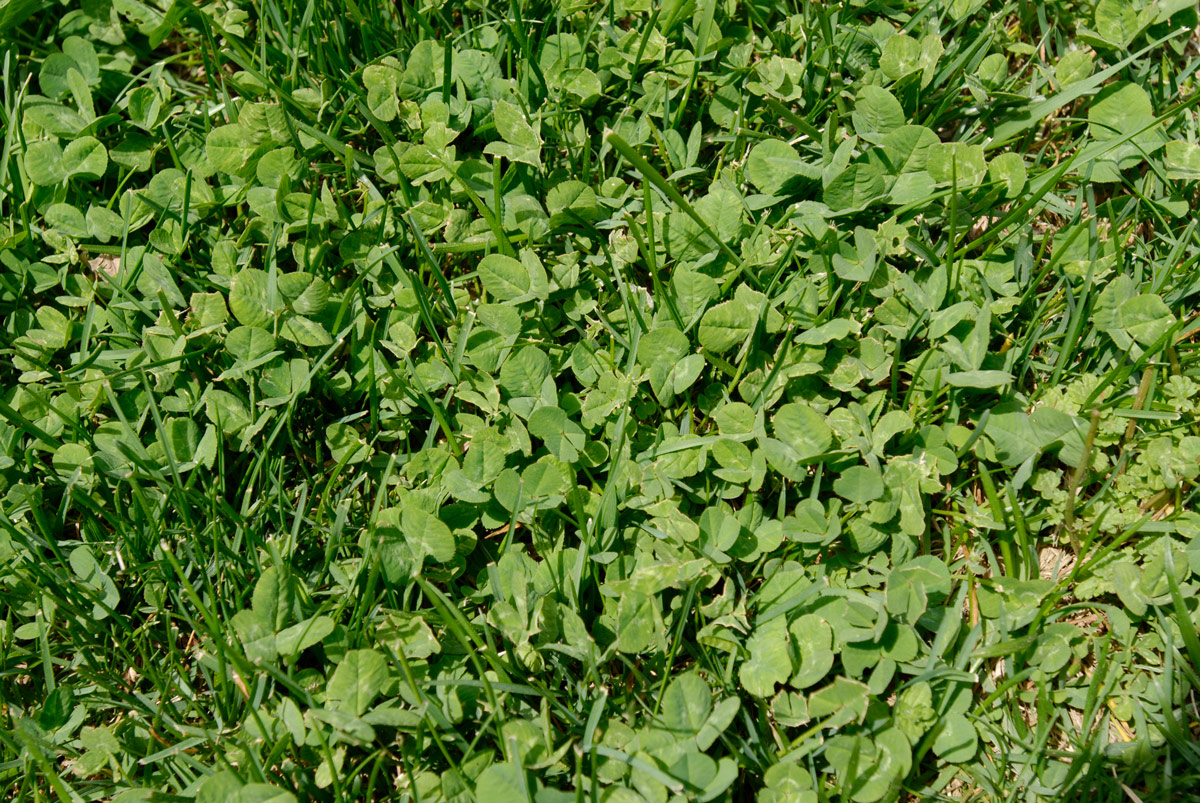
Image Source: naturalawn.com
Why Clover Takes Over Your Lawn
Before diving into solutions, it’s helpful to grasp why clover thrives in certain lawn conditions. Clover, particularly white clover (Trifolium repens), is a hardy perennial weed. It has a shallow root system that allows it to spread rapidly via stolons, which are horizontal stems that root at the nodes. This ability to spread horizontally is a key factor in its ability to create dense patches.
Several factors contribute to a favorable environment for clover:
- Low Nitrogen Levels: Clover is a legume. This means it has a symbiotic relationship with bacteria in the soil that can convert atmospheric nitrogen into a form plants can use. This is why clover often appears in lawns where the grass is struggling due to a lack of nitrogen. The grass is weak, leaving an opening for the more resilient clover to move in.
- Compacted Soil: Compacted soil restricts grass root growth, making it harder for grass to establish and compete. Clover, with its shallower root system, can often thrive in these conditions.
- Poor Drainage: Areas with poor drainage and consistently moist soil can also encourage clover growth.
- Infrequent Mowing: Mowing your lawn too short weakens the grass, making it susceptible to weed invasion. Clover, being low-growing, can tolerate closer mowing than many turfgrass species.
- Over-Seeding with Clover: In some cases, clover may have been intentionally introduced into lawn seed mixes for its nitrogen-fixing properties. While this can be beneficial in moderation, it can also lead to an overabundance if not managed.
Tackling the Clover Infestation: Your Options
When you face a significant clover infestation, you’ll need a strategy. There are several effective methods, ranging from manual removal to chemical solutions. The best approach often combines several tactics.
Manual Clover Removal
For smaller infestations or for those who prefer an organic approach, manual clover removal is a viable option.
Tools for Manual Removal
- Dandelion Weeder or Dandelion Puller: These tools are designed to get under the roots of weeds. Look for one with a forked end that can grip the clover’s taproot.
- Garden Trowel or Spade: A small trowel can be useful for loosening the soil around the clover patch before pulling.
- Gloves: Protect your hands, especially if you’re dealing with a large area.
The Process of Manual Removal
- Water the Area: Gently water the lawn a day or two before you plan to pull clover. Moist soil makes it easier to extract the entire root system.
- Get a Good Grip: Firmly grasp the clover at its base, as close to the soil as possible.
- Wiggle and Pull: Gently wiggle the clover plant back and forth while pulling upwards. The goal is to extract the entire root. If you only get the leaves, the plant will likely grow back.
- Remove the Roots: Examine the roots you’ve pulled. If you see a significant taproot or stolons, ensure you’ve removed as much as possible.
- Fill the Hole: After removing the clover, the bare spot can invite new weeds. Fill the hole with a bit of topsoil or compost.
- Reseed or Overseed: Immediately sow grass seed in the disturbed area to help the turf fill in quickly.
Pros of Manual Removal:
- Environmentally friendly.
- No chemicals are used.
- Effective for small, isolated patches.
Cons of Manual Removal:
- Labor-intensive, especially for large areas.
- Can be difficult to remove the entire root system, leading to regrowth.
- May leave bare spots that need immediate attention.
Chemical Control: Lawn Weed Killers
For more extensive clover problems, chemical treatments, often referred to as lawn weed killer, can be highly effective. The key is to use a product specifically designed for broadleaf weed control, as grass is a monocot and clover is a dicot (broadleaf).
Choosing the Right Lawn Weed Killer
- Selective Herbicides: These are formulated to kill broadleaf weeds like clover, dandelions, and plantain without harming most lawn grasses.
- Active Ingredients: Look for products containing active ingredients such as:
- 2,4-D: A common and effective herbicide.
- Mecoprop (MCPP): Often used in combination with 2,4-D.
- Dicamba: Another effective broadleaf herbicide.
- Trimec: A popular combination of 2,4-D, MCPP, and Dicamba.
- Quinclorac: Effective against crabgrass and also some broadleaf weeds like clover.
Application Tips for Lawn Weed Killer
- Read the Label: This is crucial. Always follow the manufacturer’s instructions for application rates, timing, and safety precautions.
- Timing is Key: The best time to apply herbicides is when weeds are actively growing and the weather is mild (between 60-85°F or 15-29°C). Avoid applying before rain, as it can wash the product away.
- Targeted Application: Apply the herbicide directly to the clover. Avoid spraying desirable grasses if possible, though most selective herbicides are designed to minimize damage.
- Multiple Applications: It may take more than one application to completely eradicate clover, especially if it’s a dense infestation. Allow at least 2-4 weeks between treatments.
- Spot Treatment: For spot treatment, use a sprayer and focus only on the clover patches. This conserves product and minimizes exposure to other plants.
Considerations for Clover and Dandelion Control
Many homeowners struggle with both clover and dandelions simultaneously. Fortunately, many broadleaf weed control products are effective against both. When looking for a dandelion and clover control solution, prioritize products that list both as target weeds on their labels.
Organic Clover Eradication
For those seeking organic clover eradication, the focus shifts to strengthening the lawn and using natural methods.
Natural Methods for Clover Control
- Corn Gluten Meal: Applied in early spring, corn gluten meal acts as a pre-emergent herbicide, inhibiting root formation in germinating seeds. It also provides nitrogen to the lawn. For existing clover, its effect is less direct but can help by suppressing new growth.
- Vinegar (Acetic Acid): Household vinegar can kill clover on contact. However, it is a non-selective herbicide, meaning it will kill any plant it touches, including grass. It also only affects the top growth and may not kill the roots, leading to regrowth. Use with extreme caution and only on a calm day.
- Boiling Water: Similar to vinegar, boiling water can kill clover instantly. It’s a good option for small, isolated patches, but it will also kill grass.
- Herbal or Essential Oil-Based Herbicides: Some commercially available organic herbicides utilize essential oils like clove oil or citrus oils. These also work by contact and may require repeat applications.
Enhancing Lawn Health for Organic Eradication
The most sustainable way to organically combat clover is by creating a dense, healthy lawn that can outcompete weeds.
- Proper Fertilization: Feed your lawn with organic fertilizers that release nutrients slowly. This promotes deep root growth in grass, making it more resilient.
- Optimal Mowing Height: Mow your lawn at the recommended height for your grass type. Taller grass shades out weed seeds and encourages deeper root systems.
- Aeration: Core aeration helps to relieve soil compaction, allowing grass roots to grow more freely.
- Overseeding: Regularly overseeding your lawn, especially in the fall, helps to fill in thin spots and maintain turf density.
Clover Patch Treatment Strategies
A clover patch treatment often involves a combination of the above methods. If you have a large, dense clover patch, you might:
- Initial Manual Removal: Pull out as much clover as you can manually.
- Spot Treatment: Apply a selective broadleaf herbicide to any remaining clover in the patch.
- Soil Amendment: Add some compost or good quality topsoil to the treated area.
- Reseeding: Sow appropriate grass seed for your climate and grass type.
- Mulching (Optional): A light layer of straw can help retain moisture and protect the new seed.
Clover Prevention in Lawns: The Long-Term Game
Once you’ve dealt with the existing clover, the focus must shift to clover prevention in lawns. This is the key to achieving a truly “permanent” solution.
Key Prevention Strategies
- Maintain a Healthy, Dense Lawn: This is the number one rule. A thick turf acts as a natural barrier against weeds.
- Proper Watering: Water deeply and less frequently to encourage deep root growth. Avoid shallow, frequent watering that favors shallow-rooted weeds.
- Adequate Sunlight: Ensure your lawn gets the sunlight it needs. Trim overhanging branches if necessary.
- Soil Testing: Get your soil tested annually. This tells you about nutrient levels and pH. Adjustments based on the test results will significantly improve grass health.
- Correct Fertilization Practices: Use a balanced fertilizer program tailored to your lawn’s needs. Avoid over-fertilizing, which can sometimes encourage weed growth. Fertilizing in the fall is particularly important for building a strong root system for the following spring.
- Mowing Height: Never cut your grass too short. The ideal height varies by grass type, but generally, 3-4 inches is recommended for most cool-season grasses. This helps the grass shade out weed seedlings.
- Aeration and Dethatching: Periodically aerate your lawn to prevent soil compaction and dethatch to remove the layer of dead grass and organic matter that can suffocation grass roots and harbor pests and diseases.
- Overseeding: Overseeding annually, especially in the fall, is crucial for filling in any thin areas and ensuring a dense turf. Choose a high-quality grass seed mix suitable for your region.
What About Clover Infestation Solutions?
Addressing a clover infestation isn’t a one-time fix. It requires ongoing vigilance and a commitment to good lawn care practices. Think of it as managing a chronic condition rather than curing an acute illness. The best way to kill clover is to create an environment where grass thrives and clover cannot easily establish itself.
Frequently Asked Questions About Clover in Lawns
Can I use household cleaners to kill clover?
While some household cleaners like vinegar can kill clover on contact, they are generally not recommended for widespread lawn use. Vinegar is non-selective and can harm or kill your grass. It also doesn’t usually kill the roots, meaning the clover will likely grow back. Specialized lawn weed killers are much more effective and targeted.
Is clover bad for my lawn?
Clover itself isn’t inherently “bad” for a lawn. It’s a nitrogen-fixer, which can add nutrients to the soil. However, it tends to spread aggressively and can dominate a lawn, creating an uneven appearance. When clover becomes the dominant plant, it indicates an underlying issue with the grass’s ability to thrive.
When is the best time to treat clover?
The best time to treat clover with herbicides is when the clover is actively growing and the weather is mild, typically in the spring or fall. Avoid applying herbicides when temperatures are very high (over 85°F or 29°C) or when rain is expected soon after application.
How do I get rid of clover without killing my grass?
To get rid of clover without harming your grass, you must use a selective broadleaf weed killer. These products are formulated to target weeds with broad leaves, like clover, while leaving most lawn grasses unharmed. Manual removal is also an option that won’t harm your grass if done carefully.
Will killing clover permanently remove it?
While you can effectively kill existing clover, achieving permanent removal requires ongoing prevention. A healthy, dense lawn is the best defense against any weed, including clover. By creating an environment where grass thrives, you naturally suppress clover growth.
Is there an organic way to permanently remove clover?
The most effective “permanent” organic solution involves creating a highly competitive and healthy lawn. This means focusing on proper mowing, watering, fertilization, and aeration. While organic treatments like corn gluten meal can help suppress new growth, a robust turf is the ultimate organic defense.
By following these comprehensive strategies, you can effectively manage and minimize clover in your lawn, working towards a lush, healthy, and uniformly green turf. Remember that consistency in your lawn care practices is the key to long-term success.