
Can you stop dogs from pooping on your lawn? Yes, you can! This guide will show you how to keep your yard clean and free of unwanted dog waste. We’ll explore effective strategies, from training and deterrents to natural solutions.
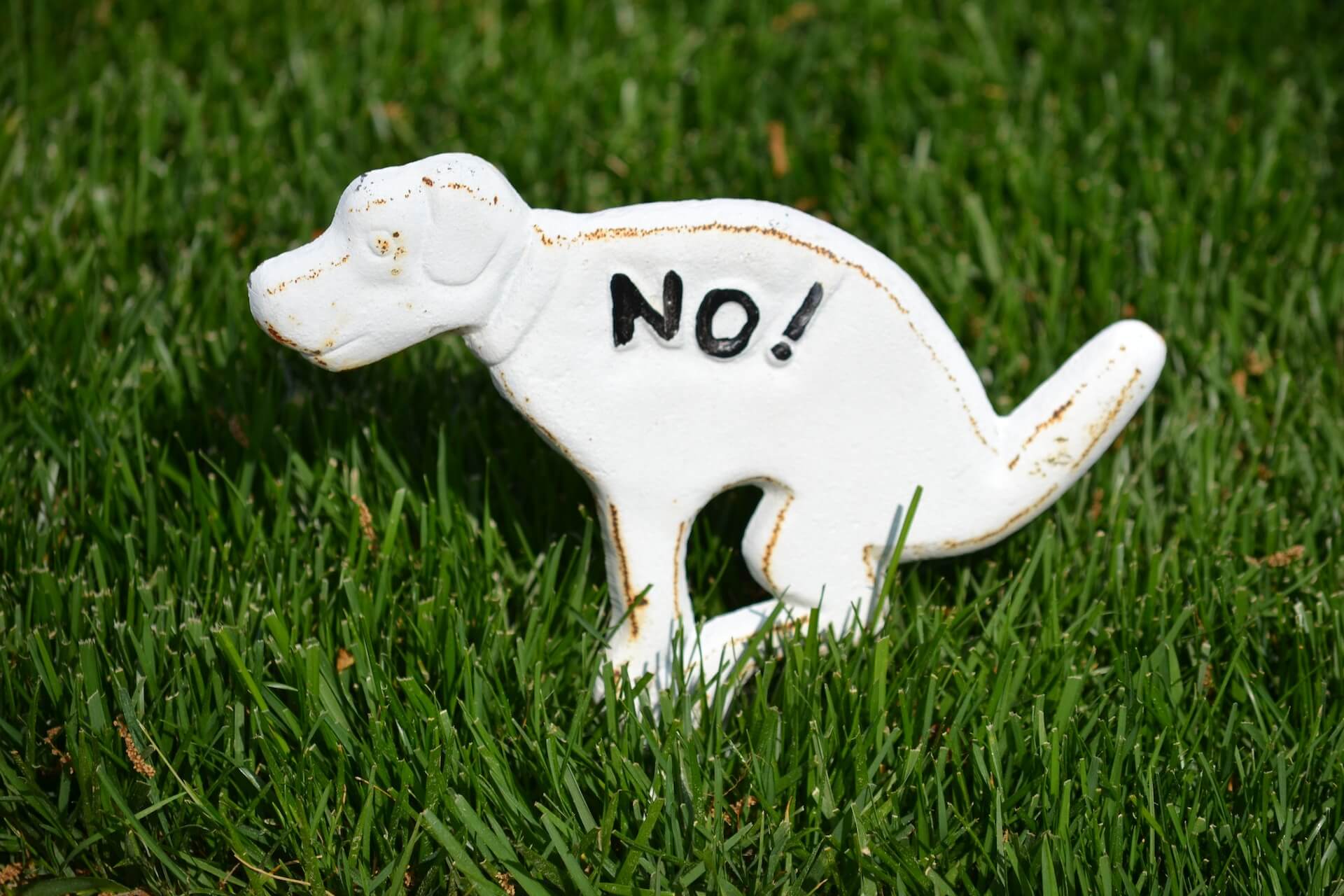
Image Source: www.boredpanda.com
Why Do Dogs Poop on Lawns?
Dogs often choose lawns for many reasons. It’s a soft, comfortable surface for them. Also, if other dogs have visited your lawn, the scent left behind can attract them. This is especially true if your lawn has been marked as a territory by other dogs. Your lawn might be a convenient stop on a popular walking route for local dog owners. They might not be aware or simply not caring about the mess left behind. Sometimes, dogs might feel insecure or need to go when they are in an unfamiliar environment.
The Social Aspect of Dog Pooping
Dogs are social animals. They often leave their scent as a way to communicate. This is similar to how they might lift their leg to mark territory. Pooping in a familiar or frequently visited area is part of their natural behavior. It’s like leaving a message for other dogs.
Convenience and Comfort
For dogs, a soft, grassy area is simply more pleasant than hard pavement. It’s easier on their paws and provides a good grip. This makes your lawn an appealing spot for them to relieve themselves.
Effective Strategies for Lawn Protection
Keeping your lawn pristine requires a multi-faceted approach. You need to combine deterrents with training and consistent effort.
1. Reinforce Good Behavior with Pet Training
Good pet training is key to managing your own dog’s habits and discouraging neighborhood dogs.
House Training Puppies: A Solid Foundation
Proper house training puppies is the first step. A well-trained puppy is less likely to have accidents indoors or outdoors in inappropriate places.
- Establish a Routine: Take your puppy out frequently, especially after waking up, after eating, and after playing.
- Positive Reinforcement: Reward your puppy with praise and treats immediately after they eliminate in the designated spot.
- Supervision: Keep a close eye on your puppy when they are outside.
- Clean Accidents Thoroughly: If an accident happens indoors, clean it up immediately with an enzymatic cleaner to eliminate odors that might attract them back.
Training Your Own Dog
Even adult dogs can benefit from reinforcement. If your dog tends to poop in certain areas of your yard, redirect them to a designated potty spot.
- Designated Potty Area: Create a specific spot in your yard for your dog to do their business.
- Leash Training: Keep your dog on a leash when in the yard initially, guiding them to their potty spot.
- Consistent Rewards: Continue to reward them for using the designated area.
2. Utilizing Dog Deterrents
When your own training efforts are not enough, or you’re dealing with neighborhood dogs, dog deterrents come into play. These methods aim to make your lawn less appealing to dogs.
Natural Deterrents: Safe and Effective
Many natural options can make your lawn less attractive without harming pets or the environment.
Vinegar Spray
- How it works: The strong smell of vinegar is off-putting to dogs.
- Application: Mix equal parts white vinegar and water. Spray it around the perimeter of your lawn and any areas where dogs frequently defecate.
- Frequency: Reapply after rain or every few days to maintain effectiveness.
- Caution: Test on a small area of your lawn first to ensure it doesn’t damage the grass.
Ammonia Spray
- How it works: Ammonia mimics the smell of urine, which can actually attract some dogs. However, when used in diluted forms and with caution, the strong smell can be a deterrent for others. Ammonia spray is best used with caution and thorough research.
- Application: Dilute ammonia with water (e.g., 1 part ammonia to 10 parts water). Spray lightly around the affected areas.
- Frequency: Reapply periodically.
- Caution: Ammonia can be harmful if ingested by pets or humans. It can also burn grass if applied undiluted. Use sparingly and with extreme caution. It’s generally recommended to start with less potent natural deterrents.
Citrus Peels
- How it works: Dogs dislike the strong scent of citrus fruits like lemons, oranges, and grapefruits.
- Application: Scatter citrus peels around your lawn.
- Frequency: Replace peels as they dry out.
Coffee Grounds
- How it works: The strong aroma and slightly acidic nature of coffee grounds can deter dogs.
- Application: Sprinkle used coffee grounds around your lawn.
- Frequency: Replenish as needed.
Spicy Peppers or Cayenne Pepper
- How it works: Dogs have sensitive noses and will avoid the irritation caused by spicy peppers.
- Application: Sprinkle cayenne pepper or finely chopped chili peppers around your lawn.
- Frequency: Reapply after rain.
- Caution: This can be irritating to dogs if they ingest it or get it in their eyes. Use with caution and consider if this is the best option for your situation.
Commercial Dog Repellents
There are various dog repellents available commercially that are designed to deter dogs.
- Scent-Based Repellents: These often contain ingredients like essential oils (e.g., citronella, eucalyptus) or other strong-smelling natural compounds that dogs find unpleasant.
- Granular Repellents: These can be sprinkled around the lawn and work similarly to scent-based repellents.
- Electronic Deterrents: These devices emit ultrasonic sounds that are unpleasant to dogs but inaudible to humans.
Ultrasonic Bark Control
While primarily used for barking, some ultrasonic bark control devices can also deter dogs from entering or lingering in an area. They emit a high-frequency sound when they detect a dog.
- Pros: Discreet, humane, and can cover a specific area.
- Cons: Effectiveness can vary depending on the dog and placement of the device. Some dogs may become accustomed to the sound.
Scat Mats
Scat mats are physical barriers designed to make an area uncomfortable for dogs.
- How they work: These are typically plastic mats with raised, blunt spikes. When a dog steps on them, the spikes make the area unpleasant, encouraging them to leave and avoid it in the future.
- Placement: Place them in areas where dogs are frequently pooping.
- Pros: A humane physical deterrent.
- Cons: Can be visually unappealing and might not be effective for all dogs.
3. Physical Barriers for Lawn Protection
Sometimes, the most straightforward approach is to create a physical barrier. This is a crucial aspect of backyard dog proofing.
Fencing
A sturdy fence is the most effective way to prevent all animals, including dogs, from entering your yard.
- Types of Fencing: Consider chain-link, wooden, or vinyl fences. The height and sturdiness should be appropriate to deter determined dogs.
- Gaps: Ensure there are no gaps at the bottom of the fence that a dog could squeeze through. Burying the fence slightly or adding wire mesh at the base can help.
Temporary Barriers
For specific areas or when a full fence isn’t feasible:
- Edging and Low Fencing: Small decorative fences or garden edging can signal to dogs that this is a boundary.
- Netting or Wire: You can temporarily cover vulnerable garden beds or specific lawn sections with netting or chicken wire until they are less attractive.
4. Cleaning Up Promptly and Thoroughly
This might seem obvious, but it’s a critical part of lawn protection.
- Remove Dog Waste Immediately: If you own a dog, pick up after them as soon as possible. This reduces the odor that might attract other dogs.
- Use Enzymatic Cleaners: For any accidents (whether your dog’s or a neighbor’s), use an enzymatic cleaner. These cleaners break down the organic matter and eliminate odors that attract dogs back to the same spot.
5. Communication with Neighbors
If the problem stems from neighborhood dogs, a friendly conversation can be very effective.
- Polite Approach: Approach your neighbors kindly and explain the issue. They might not be aware their dog is causing a problem.
- Offer Solutions: You could suggest keeping their dog on a leash during walks or offer to share information about effective deterrents.
Managing Off-Leash Dogs
Dealing with off-leash dogs can be challenging. Here are some strategies:
Signs to Display
- “No Dog Pooping” Signs: While not always legally enforceable, polite signs can inform people about your expectations.
- “Private Property” Signs: These can also deter people from allowing their dogs onto your lawn.
Deterrents for Off-Leash Dogs
The deterrents mentioned earlier are also effective for off-leash dogs:
- Scat Mats and dog repellents can make your lawn less inviting.
- Citrus peels or vinegar spray are good for creating an aromatic barrier.
Specific Scenarios and Solutions
Let’s look at some common situations and how to tackle them.
Scenario 1: My Own Dog Poops in the Wrong Spot
- Solution: Focus on pet training and house training puppies. Create a designated potty area and use positive reinforcement. If the behavior persists, consult a professional dog trainer to rule out any underlying issues.
Scenario 2: Neighbor’s Dog Constantly Poops on My Lawn
- Solution:
- Start with a friendly chat with your neighbor.
- Implement natural deterrents like vinegar spray or citrus peels.
- Consider scat mats in problem areas.
- If the problem continues, a fence or a commercial dog repellent might be necessary.
Scenario 3: Strays or Unknown Dogs are the Culprits
- Solution:
- Physical barriers are your best bet, especially a good fence.
- Widespread application of natural deterrents around the perimeter of your lawn.
- Ultrasonic bark control devices might help deter them from lingering.
Troubleshooting Common Deterrent Issues
Sometimes, deterrents don’t work as expected.
My Dog Ignores the Vinegar Spray
- Possible Reasons: The concentration might be too weak, or the dog might be accustomed to the smell.
- Troubleshooting: Increase the concentration slightly (but cautiously), reapply more frequently, or try a different deterrent. Ensure you are cleaning up any existing mess thoroughly with an enzymatic cleaner.
The Scat Mats Aren’t Working
- Possible Reasons: The dog might be stepping over them or not finding them sufficiently uncomfortable.
- Troubleshooting: Ensure the mats are placed correctly and cover the entire area. Try using them in conjunction with a scent-based deterrent.
My Lawn is Damaged by Deterrents
- Possible Reasons: Using undiluted products or certain ingredients can harm grass.
- Troubleshooting: Always dilute sprays as recommended and test on a small patch first. Switch to milder, natural options like citrus peels or coffee grounds.
Maintaining Your Pristine Lawn
Consistency is key to successful lawn protection.
Regular Checks
Walk your lawn daily to spot any new deposits and address them promptly.
Seasonal Considerations
- Spring: After winter, the ground is often more appealing for dogs. Reapply deterrents as weather permits.
- Summer: Dogs will be outside more, so be vigilant. Heat can sometimes increase urine odor, making areas more attractive.
- Fall: As leaves fall, they can cover up any deterrents you’ve applied. You may need to reapply more often.
- Winter: While dogs may be less active, frozen ground can still be a target.
Frequently Asked Questions (FAQ)
Q1: Are ammonia sprays safe for dogs?
A1: Ammonia sprays, especially when undiluted or used frequently, can be harmful to dogs. They can irritate their respiratory system and skin. It’s best to use them with extreme caution, highly diluted, and only if other methods fail. Natural deterrents are generally safer.
Q2: How often should I reapply natural deterrents like vinegar spray?
A2: Natural deterrents, especially sprays, lose their potency over time and when exposed to the elements. It’s advisable to reapply them every few days or after it rains to maintain their effectiveness.
Q3: Can ultrasonic devices harm my dog or other pets?
A3: Most ultrasonic devices are designed to be inaudible to humans and generally considered safe. However, some highly sensitive dogs might react to them. It’s always a good idea to observe your dog’s behavior when first using such a device.
Q4: What is the best way to get rid of dog poop odor from my lawn?
A4: The most effective way to eliminate dog poop odor is by using an enzymatic cleaner specifically designed for pet waste. These cleaners break down the odor-causing organic compounds, rather than just masking them.
Q5: Can I train my dog not to poop on the lawn at all?
A5: You can train your dog to use a designated potty area in your yard, which is a form of lawn protection. However, it’s not realistic to expect a dog to never have the urge to poop on grass if it’s readily available and appealing. The goal is to direct their behavior to appropriate areas.
Q6: Are there any legal actions I can take if my neighbor’s dog keeps pooping on my lawn?
A6: Local ordinances regarding pet waste and leash laws vary. You may want to check your local city or county regulations. Typically, a friendly conversation is the first step, but if the issue persists, you might be able to file a complaint with animal control, especially if it violates local laws.
By implementing a combination of these strategies, you can effectively prevent dogs from pooping on your lawn and maintain a clean, enjoyable outdoor space. Remember that consistency and a bit of patience are your greatest allies in this endeavor.