
Is your lawn looking sad and brown? You’re not alone. Many homeowners face a dying lawn at some point. This guide will help you figure out what’s wrong and how to fix it.
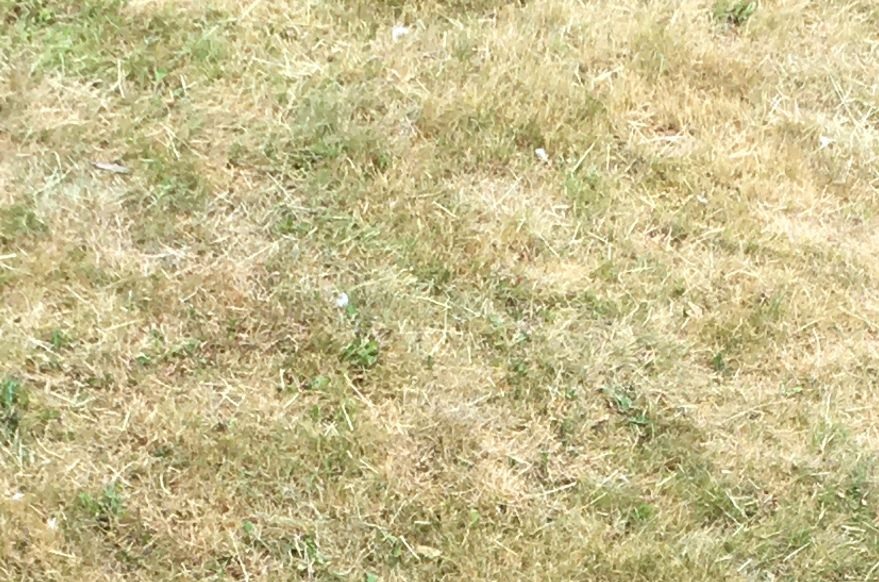
Image Source: www.lawnweedexpert.co.uk
Deciphering the Causes of a Failing Lawn
A dying lawn is a common frustration for many homeowners. The causes can be varied, from simple neglect to more complex issues. Let’s break down the most frequent culprits behind your wilting grass.
Environmental Stressors
Your lawn is a living thing, and it reacts to its surroundings. Extreme weather can take a serious toll.
Heat and Drought
When temperatures soar and rain is scarce, your grass can easily become stressed.
- Signs: Grass blades may turn a dull green, then bluish-green, before fading to brown. You might see grass wilting in the afternoon heat, even if it seems okay in the morning. Footprints might stay imprinted in the grass long after you walk on it.
- Why it happens: Grass needs water to survive. During hot, dry periods, the soil dries out, and the grass roots can’t absorb enough moisture to keep the plant alive.
- Solutions:
- Water deeply and less often: Aim for about 1 inch of water per week, delivered in one or two deep watering sessions. This encourages roots to grow deeper.
- Water in the early morning: This is the best time to water to minimize evaporation and reduce the risk of fungal diseases.
- Mow higher: Taller grass shades the soil, keeping it cooler and reducing moisture loss.
- Consider drought-tolerant grass types: If you live in a dry climate, choosing grass species that naturally require less water can save you a lot of trouble.
Freezing Temperatures and Frost
While less common for widespread browning, sudden freezes can damage grass, especially if it’s not properly prepared.
- Signs: Brown or straw-like patches, particularly after an unexpected late frost or early freeze.
- Why it happens: Cold temperatures kill the grass blades. If the roots are still alive, new growth can emerge in warmer weather.
- Solutions:
- Prepare for winter: Ensure your lawn is healthy going into the fall. Fertilize appropriately to promote root growth.
- Avoid walking on frozen grass: This can break brittle blades and damage the underlying plant.
Watering Woes: Too Much or Too Little
Proper watering is crucial for a healthy lawn, but getting it wrong can be detrimental.
Overwatering Lawn
It might seem counterintuitive, but giving your lawn too much water can be just as bad as not giving it enough.
- Signs: Yellow patches on lawn, a spongy feel to the turf, increased fungal growth, and shallow root systems. You might see a bluish-green tint to the grass before it turns yellow or brown.
- Why it happens: Constantly wet soil suffocates the grass roots by depriving them of oxygen. It also creates a perfect environment for fungal diseases to thrive.
- Solutions:
- Follow the deep and infrequent watering rule: Aim for 1-1.5 inches of water per week, applied in one or two sessions.
- Check soil moisture: Stick a screwdriver or a soil probe into the ground. If it goes in easily, the soil is moist. If it’s difficult, it’s time to water.
- Ensure good drainage: If your lawn holds water for extended periods after rain or watering, you might have drainage issues that need addressing.
Underwatering Lawn
This is perhaps the most common reason for a browning lawn, especially during summer.
- Signs: Grass wilting, turning a dull, bluish-green, then straw-like brown. The grass will feel dry and brittle. You might notice lawn brown spots that expand over time.
- Why it happens: Lack of sufficient water prevents the grass from photosynthesizing and maintaining its structure, leading to dehydration and death.
- Solutions:
- Water deeply and consistently: As mentioned earlier, aim for 1-1.5 inches of water per week.
- Adjust watering based on weather: Water more during hot, dry spells and less during cooler, wetter periods.
- Mulch mowing: Leaving grass clippings on the lawn can help retain soil moisture.
Nutrient Deficiencies and Imbalances
The food your lawn eats – fertilizer – plays a critical role in its health.
Lawn Fertilizer Issues
Using the wrong fertilizer, applying it incorrectly, or skipping it altogether can lead to problems.
- Signs:
- Nitrogen deficiency: Uniform yellowing of the entire lawn, starting with older leaves.
- Phosphorus deficiency: Purplish tint to the grass blades, poor root development.
- Potassium deficiency: Yellowing or browning along the edges of the grass blades.
- Fertilizer burn: Yellow patches on lawn or streaks that appear shortly after fertilizing. This happens when fertilizer is applied too heavily or when the grass is already stressed and dry.
- Why it happens: Grass needs essential nutrients like nitrogen, phosphorus, and potassium to grow strong and healthy. A lack of these nutrients, or an excess, can cause damage.
- Solutions:
- Get a soil test: This is the most accurate way to determine what nutrients your lawn is lacking. Contact your local extension office for a soil testing kit.
- Choose the right fertilizer: Based on your soil test, select a balanced fertilizer. Look at the N-P-K numbers on the bag.
- Apply fertilizer correctly: Follow the instructions on the fertilizer packaging. Water your lawn before and after applying granular fertilizer to prevent burn.
- Timing is key: Fertilize at the appropriate times for your grass type and climate. Typically, this is in the spring and fall.
Pests and Diseases: The Invisible Invaders
Sometimes, the culprit isn’t the environment or your care, but microscopic organisms or tiny creatures.
Lawn Pest Control
Insects can wreak havoc on a lawn, feeding on roots or blades.
- Common Pests:
- Grubs: These C-shaped larvae feed on grass roots, causing brown, dead patches that can be easily pulled up like a carpet. You might see increased bird or animal activity as they dig for grubs.
- Chinch Bugs: These small insects suck the sap from grass blades, causing yellow or brown patches that often start in sunny areas and spread outwards.
- Sod Webworms: The larvae of these moths feed on grass blades, creating brown, irregular patches.
- Signs of Pest Infestation:
- Irregularly shaped brown or yellow patches that don’t respond to watering or fertilization.
- Grassy areas that feel spongy and lift easily.
- Visible insects on the grass blades or in the thatch layer.
- Increased activity of birds, raccoons, or skunks digging in the lawn.
- Solutions:
- Identify the pest: Proper lawn pest control starts with knowing what you’re dealing with. Look closely at the grass and soil for insects.
- Cultural practices: Healthy, well-maintained lawns are more resistant to pests. Aeration, proper watering, and avoiding over-fertilization can help.
- Beneficial nematodes: These microscopic worms can be applied to the soil to naturally control grub populations.
- Insecticides: If the infestation is severe, you may need to use an insecticide. Choose one that targets the specific pest you have and follow application instructions carefully. Consider organic or less toxic options first.
Lawn Disease Identification
Fungi are the most common cause of lawn diseases, often thriving in moist conditions.
- Common Diseases:
- Dollar Spot: Small, straw-colored spots, about the size of a silver dollar, often with a sunken appearance. Can be caused by a lack of nitrogen or drought stress.
- Brown Patch: Circular to irregular patches of brown, dead grass, often with a darker green or black border. Thrives in hot, humid weather.
- Red Thread: Pinkish-red threads appear on grass blades, giving the lawn a faded or rusty appearance. Often occurs in cool, wet weather with low nitrogen levels.
- Pythium Blight (Damping-off): Affects young seedlings and established grass, causing wilting, slimy patches, and rapid death. Favored by high temperatures and humidity.
- Signs of Fungal Disease:
- Distinct patterns of discoloration (spots, rings, patches).
- Fungal growth (like white, powdery mildew or cottony threads) may be visible in the early morning.
- Grass blades may feel slimy or sticky.
- Solutions:
- Improve air circulation: Prune nearby shrubs or trees that may be blocking airflow.
- Proper watering: Avoid watering in the evening. Water deeply and infrequently.
- Fertilize appropriately: A healthy lawn is less susceptible to disease. Ensure balanced fertilization.
- Remove thatch: Excessive thatch can trap moisture and harbor diseases.
- Fungicides: For severe outbreaks, a fungicide may be necessary. Lawn disease identification is key here to select the right product.
Soil Problems: The Foundation of Your Lawn
The condition of your soil directly impacts your grass’s ability to thrive.
Soil Compaction Lawn
When soil becomes too dense, grass roots struggle to grow and access air, water, and nutrients.
- Signs:
- Slow recovery after stress (drought, foot traffic).
- Water pooling on the surface after rain or watering.
- Grass thinning out, especially in high-traffic areas.
- Difficulty pushing a screwdriver or soil probe into the ground.
- Why it happens: Heavy foot traffic, the use of heavy equipment, and even frequent mowing can compress the soil over time.
- Solutions:
- Aeration: This is the primary solution for soil compaction lawn. Aeration involves removing small plugs of soil from the lawn, allowing air, water, and nutrients to penetrate more easily.
- Reduce traffic: Limit heavy foot traffic and the use of heavy machinery on your lawn, especially when the soil is wet.
- Top-dressing: Adding a thin layer of compost after aeration can help improve soil structure.
Poor Soil Drainage
If water sits on your lawn for hours after rain, your soil likely has poor drainage.
- Signs: Standing water, soggy soil, increased incidence of fungal diseases, and a shallow root system.
- Why it happens: Heavy clay soils, compacted soil, or a high water table can all contribute to poor drainage.
- Solutions:
- Aeration: Can help temporarily improve drainage by creating channels for water.
- Improve soil structure: Incorporating organic matter (like compost) through aeration and top-dressing can improve the soil’s ability to absorb and drain water.
- Consider drainage solutions: For severe cases, you might need to install French drains or amend the soil with sand and organic matter.
Mowing Mistakes
How you mow your grass can also contribute to its demise.
- Mowing too short: This stresses the grass, makes it more susceptible to drought and weeds, and exposes the soil to the sun, which can dry it out.
- Using dull mower blades: Dull blades tear the grass blades rather than cutting them cleanly. This leaves ragged edges that can turn brown and are more prone to disease.
- Mowing wet grass: This can lead to clumping, uneven cutting, and the spread of fungal diseases.
- Solutions:
- Mow at the correct height: Consult recommendations for your specific grass type. Taller is generally better.
- Sharpen your mower blades regularly: Aim to sharpen them at least once a year, or more often if you have a large lawn or notice ragged cuts.
- Mow when the grass is dry.
Thatch Buildup
Thatch is a layer of dead and living plant material that accumulates between the green grass blades and the soil surface.
- Signs: A spongy, springy feel to the lawn, increased susceptibility to pests and diseases, and difficulty for water and nutrients to reach the roots.
- Why it happens: Natural process, but excessive thatch can occur when grass is growing rapidly or when decomposition is slow.
- Solutions:
- Dethatching (Power Raking): This process removes the excess thatch layer. It’s best done in the spring or fall when the grass is actively growing.
- Aeration: Helps improve decomposition by allowing air and beneficial microorganisms to reach the thatch layer.
- Adjust fertilization: Avoid over-fertilizing with nitrogen, which can promote excessive top growth and thatch.
Mechanical Damage
Damage from tools, equipment, or even pets can create entry points for disease and pests.
- Signs: Circular dead spots from weed whackers, ruts from heavy machinery, or urine spots from pets.
- Solutions:
- Be careful with equipment: Keep weed whackers and edgers away from tree trunks and grass blades.
- Address pet issues: Train pets to use a designated area of the yard or rinse urine spots immediately with water.
- Repair damage promptly: Fill in ruts and reseed bare patches.
Diagnosing Your Lawn’s Ailment: A Step-by-Step Approach
When you see lawn brown spots or widespread grass wilting, you need a systematic approach to find the cause.
Step 1: Observe the Pattern
The way the damage appears on your lawn can tell you a lot.
- Uniform Browning: Often indicates a widespread issue like drought, heat stress, or a broad fungal disease.
- Irregular Brown or Yellow Patches: Can point to pest infestations (like grubs or chinch bugs), localized disease, or uneven watering.
- Circular or Ring-Shaped Patches: Frequently a sign of fungal diseases like brown patch or fairy ring.
- Spots in High-Traffic Areas: Suggests soil compaction or wear and tear.
- Spots Where Pets Urinate: Clearly indicates pet damage.
Step 2: Check the Soil Moisture
This is one of the easiest and most common culprits.
- How to Check: Dig a small hole a few inches deep or use a soil probe. Feel the soil. Is it bone dry, slightly moist, or soggy?
- Interpretation:
- Dry: Likely underwatering lawn.
- Soggy/Waterlogged: Potentially overwatering lawn or poor drainage.
- Moist: If the grass is still wilting, the problem might be elsewhere (pests, disease, compaction).
Step 3: Inspect for Pests
Get down on your hands and knees.
- What to Look For:
- Grubs: Carefully lift a section of turf. Look for white, C-shaped grubs in the soil.
- Chinch Bugs: Part the grass blades at the edge of a brown patch. Look for tiny, black insects with white markings. A good way to spot them is by placing a white piece of paper or a can with both ends removed into the turf and filling it with water. The bugs will float to the surface.
- Other Insects: Examine the blades of grass for any visible insects.
Step 4: Look for Signs of Disease
This requires a closer inspection of the grass blades and overall turf.
- What to Look For:
- Spots on Blades: Are there distinct patterns of discoloration on individual grass blades?
- Fungal Growth: In the early morning, do you see any fuzzy or web-like growth on the grass?
- Texture: Does the grass feel slimy or unusually matted?
Step 5: Examine Your Mowing Habits
Review your recent mowing practices.
- Mowing Height: Are you mowing too low?
- Blade Sharpness: When was the last time your mower blades were sharpened?
- Timing: Were you mowing during wet conditions?
Step 6: Consider Recent Treatments
Think about anything new you’ve done to the lawn.
- Fertilizer Application: Did you fertilize recently? Could it have been too much?
- Pesticide or Herbicide Application: Did you use any chemicals? Could there have been an accidental over-application or misidentification of the target pest/weed?
Step 7: Evaluate Soil Conditions
If the above steps don’t reveal the culprit, it might be time to look at the soil itself.
- Thatch Layer: Measure the depth of the thatch layer.
- Compaction: Try to push a screwdriver into the soil.
Repairing and Revitalizing Your Lawn
Once you’ve identified the problem, you can take action.
Addressing Environmental Stress
- Drought: Implement deep, infrequent watering.
- Heat: Mow higher, ensure adequate watering, and consider shade solutions for particularly vulnerable areas.
Correcting Watering Issues
- Overwatering: Reduce watering frequency and duration. Ensure your irrigation system is not set to water too often. Check for clogs or misaligned sprinkler heads.
- Underwatering: Increase watering frequency and duration until the grass recovers, then adjust to a deep, infrequent schedule.
Nutrient Management
- Soil Test Results: Apply the recommended fertilizers and amendments based on your soil test.
- Fertilizer Burn: Water the affected area thoroughly to help flush out excess fertilizer. New grass will need to be reseeded in the spring or fall.
Lawn Pest Control Strategies
- Targeted Treatment: Use specific insecticides for identified pests, following label instructions carefully.
- Beneficial Insects and Nematodes: Encourage natural predators or introduce beneficial organisms to control pest populations.
- Preventative Measures: Maintain a healthy lawn, which is naturally more resistant to pests.
Combating Lawn Diseases
- Cultural Practices: Implement the solutions mentioned earlier (improved drainage, proper watering, dethatching).
- Fungicides: Apply the appropriate fungicide based on your lawn disease identification. Timing and application are critical.
Improving Soil Health
- Aeration: Core aeration is one of the best things you can do for a lawn suffering from soil compaction lawn. It creates space for air, water, and nutrients. The lawn aeration benefits are numerous, including improved root growth and better water infiltration.
- Dethatching: Remove excess thatch if it’s more than ½ inch thick.
- Top-dressing: After aeration and dethatching, apply a thin layer of compost or a quality topsoil mix to further improve soil structure and fertility.
Mowing Best Practices
- Adjust Mowing Height: Raise your mower deck to the highest recommended setting for your grass type.
- Sharpen Blades: Keep mower blades sharp for clean cuts.
- Mow Dry: Avoid mowing when the grass is wet.
Long-Term Lawn Health Strategies
Preventing problems is always easier than fixing them.
- Regular Soil Testing: Test your soil every 1-2 years to monitor nutrient levels and pH.
- Proper Watering Schedule: Develop a consistent watering routine that suits your climate and grass type.
- Seasonal Fertilization: Feed your lawn at the right times of the year.
- Regular Aeration and Dethatching: Make these part of your annual lawn care routine to prevent soil compaction and thatch buildup.
- Overseeding: Fill in thin or bare spots with new grass seed, especially in the fall, to create a denser, healthier turf.
- Choose the Right Grass Type: Select a grass variety that is well-suited to your climate, soil conditions, and intended use of the lawn.
Frequently Asked Questions (FAQ)
Q1: My lawn has many yellow patches on lawn. What could be the cause?
Yellow patches can be caused by several factors: overwatering lawn, underwatering lawn, nutrient deficiencies (especially nitrogen), fungal diseases, or pest infestations. Examine the patches for signs of insects or disease, and check your watering habits. A soil test can help identify nutrient issues.
Q2: Is it normal for my lawn to turn brown in the summer?
It can be normal for some grass types to go dormant and turn brown during periods of extreme heat and drought. However, if you are watering adequately and the grass is still turning brown, it could indicate a problem like pests, disease, or improper mowing.
Q3: How often should I aerate my lawn?
Core aeration is typically recommended once a year, or every two years, for most lawns. The best time to aerate is during the active growing season for your grass type – spring or fall for cool-season grasses, and late spring or early summer for warm-season grasses. The lawn aeration benefits are significant for combating soil compaction lawn.
Q4: What should I do about lawn brown spots that appear after fertilizing?
These lawn brown spots are likely due to fertilizer burn. Water the affected areas thoroughly to help wash away the excess fertilizer. If the grass is severely damaged, you may need to reseed those areas in the fall or spring. Always follow fertilizer application instructions carefully and water before and after applying granular fertilizers.
Q5: My lawn feels spongy. What does this mean?
A spongy lawn is often a sign of excessive thatch buildup. Thatch is a layer of dead and living organic matter between the grass blades and the soil. If it’s more than half an inch thick, it can create a spongy feel, suffocate the grass roots, and make the lawn more prone to disease and drought. Dethatching is necessary to address this.
Q6: How do I know if I have a lawn pest control issue or a disease issue?
Lawn disease identification usually involves looking for distinct patterns of discoloration, spots on blades, or visible fungal growth. Lawn pest control issues are often indicated by visible insects, damaged roots (grubs), or patches that can be easily pulled up. Checking for insects by parting the grass or using a water flotation method is key.
Q7: Can I revive a lawn that has many brown and dead-looking areas?
Yes, in many cases. If the roots are still alive, the grass can often recover with proper care. Identify the cause of the browning and address it. For widespread dead patches, overseeding or resodding might be necessary.
By systematically diagnosing the problem and applying the appropriate solutions, you can bring your lawn back to life and maintain its health and beauty.