
When can you expect to see green shoots from your newly sown lawn? Generally, lawn seeds can take anywhere from 5 days to 4 weeks to germinate and sprout, with full lawn establishment often requiring several months. This timeframe is influenced by numerous factors, including grass type, soil conditions, weather, and proper care.
Creating a lush, green lawn from seed is a rewarding process, but it requires patience and knowledge. Many factors come into play, from the moment you scatter the seeds to the first time you can safely mow. This guide will walk you through the entire journey, covering everything from initial germination to a fully established lawn.
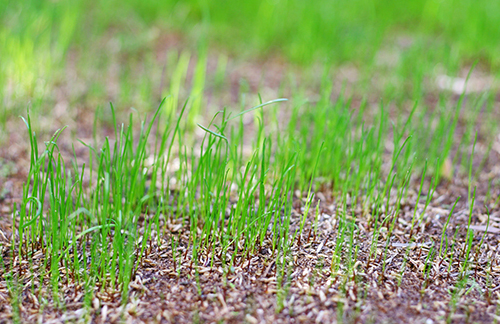
Image Source: www.thegrassmaster.com
The Journey of a Seed: From Dormancy to Life
A grass seed is a tiny package of potential life. Inside, it holds an embryo and a food source, all protected by a seed coat. For this potential to be realized, the seed needs the right conditions.
Germination Time: The First Sign of Life
Germination time is the period from when a seed is sown until the first sprout emerges from the soil. This is the most critical initial phase.
-
Typical Germination Times by Grass Type:
Grass Type Average Germination Time (Days) Perennial Ryegrass 5 – 10 Fine Fescue 7 – 21 Tall Fescue 7 – 21 Kentucky Bluegrass 14 – 28 Fineleaf Ryegrass 7 – 14 Bentgrass 10 – 21 Warm-Season Grasses 10 – 30 Note: These are average times. Actual germination can be faster or slower depending on environmental factors.
-
What Triggers Germination?
Several factors must align for germination to occur:- Moisture: Seeds need consistent moisture to soften their seed coat and activate metabolic processes.
- Temperature: Each grass species has an optimal soil temperature for grass to germinate.
- Oxygen: Seeds require oxygen for respiration, which is essential for growth.
- Light (sometimes): While most lawn grasses don’t need light to germinate, some specialty seeds might.
Seedling Development: The Fragile Beginnings
Once the seed sprouts, it enters the seedling development phase. This is when the first root (radicle) and the first shoot (coleoptile) emerge.
- Root Development: The radicle grows downwards, anchoring the seedling and searching for water and nutrients.
- Shoot Growth: The coleoptile pushes upwards through the soil, carrying the first leaves. Once it breaks the surface, the leaves unfurl.
- Vulnerability: Seedlings are incredibly delicate during this stage. They are susceptible to drying out, heavy foot traffic, and disease.
Factors Affecting Growth: More Than Just Water
The speed and success of your lawn’s growth depend on a variety of influences. Some are within your control, while others are environmental.
The Importance of Soil Temperature for Grass
Soil temperature for grass is paramount for germination. If the soil is too cold, seeds will remain dormant. If it’s too hot, they can be damaged.
- Cool-Season Grasses: These thrive in cooler temperatures. Optimal soil temperatures for germination are typically between 50°F and 65°F (10°C and 18°C).
- Warm-Season Grasses: These grasses require warmer soil. Optimal soil temperatures for germination are usually between 70°F and 85°F (21°C and 29°C).
You can check soil temperature using a simple soil thermometer.
Watering Requirements: The Lifeline of New Grass
Proper watering is perhaps the most critical element in encouraging seed germination and seedling survival.
- Post-Seeding: Immediately after seeding, water the area gently but thoroughly. The goal is to moisten the soil without causing the seeds to wash away.
- During Germination: Keep the top inch of soil consistently moist. This might mean watering lightly several times a day, especially in hot or windy conditions. Avoid letting the soil surface dry out.
- After Sprouting: As seedlings grow, you can gradually reduce the frequency of watering but increase the duration. Aim to water deeply to encourage the roots to grow deeper into the soil.
- Avoid Overwatering: Waterlogged soil can prevent oxygen from reaching the roots and promote fungal diseases.
Sunlight and Shade
Most lawn grasses need at least 4-6 hours of direct sunlight per day to thrive.
- Full Sun: Areas receiving ample sunlight will generally see faster growth.
- Partial Shade: Some grass types are more tolerant of shade, but growth may be slower.
- Deep Shade: Very few grass species can survive in deep shade.
Soil Quality and Preparation
The foundation of a healthy lawn is good soil.
- Soil Type: Loamy soil is ideal, providing a good balance of drainage and moisture retention.
- pH Level: Most grasses prefer a slightly acidic to neutral pH (6.0-7.0).
- Nutrients: Healthy soil contains essential nutrients for plant growth. If your soil is poor, consider amending it with compost or a starter fertilizer.
- Compaction: Compacted soil makes it difficult for roots to penetrate and can hinder germination. Aerating the soil before seeding can help.
Seed Viability: The Life Within the Seed
Seed viability refers to the percentage of seeds in a packet that are alive and capable of germinating.
- Age of Seed: The older the seed, the lower its viability tends to be. Always check the packaging date.
- Storage Conditions: Seeds stored in cool, dry conditions maintain viability longer than those stored in hot, humid environments.
- Seed Type: Some grass species have shorter viable periods than others.
Planting Season for Grass
Choosing the right planting season for grass is crucial. This ensures that the germination and early growth stages coincide with favorable temperatures and moisture levels.
- Cool-Season Grasses: The best time to plant is late summer to early fall (August to October). This allows the grass to establish before winter and be ready for spring growth. Spring planting (March to May) is also an option, but it requires more vigilant watering during summer heat.
- Warm-Season Grasses: These are best planted in late spring to early summer (May to July), when soil temperatures are consistently warm enough for germination and growth.
Lawn Establishment: From Seedling to Mature Grass
Lawn establishment is the process by which the newly seeded grass develops into a dense, self-sustaining turf. This takes significantly longer than initial germination.
Grass Growth Stages
Lawn grass goes through several distinct grass growth stages after sprouting.
- Germination: The seed sprouts and the first root and shoot emerge.
- Seedling Stage: The young grass plant has a few leaves and a shallow root system. It is still very vulnerable.
- Juvenile Stage: The grass plant develops more leaves and a more robust, though still relatively shallow, root system. It can tolerate slightly more stress.
- Establishment: The root system deepens, and the grass begins to spread via rhizomes or stolons (depending on the species). The turf becomes denser and more resilient. This is when you can start to treat it more like a mature lawn.
- Mature Turf: The grass has a deep, well-established root system and forms a dense, uniform cover. It can withstand regular mowing, foot traffic, and environmental stresses.
Time to Mow: The First Cut
Knowing when to mow for the first time is important. Mowing too early can damage young grass.
- When to Mow: Wait until the new grass reaches about one-third taller than its ideal mowing height. For most grasses, this means waiting until the blades are around 3 inches tall.
- How to Mow:
- Use a sharp mower blade. A dull blade tears grass, leaving it susceptible to disease.
- Mow at the highest setting for the first few mows.
- Never remove more than one-third of the grass blade height in a single mowing.
- Avoid mowing when the grass is wet.
Fertilization Schedule
Fertilizer plays a role in establishment, but it needs to be timed correctly.
- Starter Fertilizer: Many seed mixes include a starter fertilizer, or you can apply one when you seed. These are typically low in nitrogen and higher in phosphorus, which promotes root development.
- First Feeding: Wait until the new grass has been mowed at least twice before applying a general lawn fertilizer. This usually occurs 4-6 weeks after germination.
Expected Timelines for Lawn Establishment
The total time to achieve a reasonably established lawn varies by grass type and conditions.
- Perennial Ryegrass: Can establish relatively quickly, with good coverage in 6-8 weeks.
- Tall Fescue: Takes longer to establish, often requiring 2-3 months for good coverage.
- Kentucky Bluegrass: Known for its slow establishment, it can take 1-2 years to become fully dense and resilient, though visible growth appears sooner.
- Warm-Season Grasses: Can establish within a single growing season, especially when planted in late spring or early summer.
Table: General Lawn Establishment Timelines
| Grass Type | Visible Growth (Sprouts) | Mowable (First Cut) | Reasonably Established | Fully Established & Dense |
|---|---|---|---|---|
| Perennial Ryegrass | 5-10 days | 3-4 weeks | 6-8 weeks | 8-12 weeks |
| Fine Fescue | 7-21 days | 4-5 weeks | 8-10 weeks | 12-16 weeks |
| Tall Fescue | 7-21 days | 4-6 weeks | 8-12 weeks | 12-18 weeks |
| Kentucky Bluegrass | 14-28 days | 6-8 weeks | 12-16 weeks | 1-2 years |
| Fineleaf Ryegrass | 7-14 days | 3-4 weeks | 6-8 weeks | 8-12 weeks |
| Bentgrass | 10-21 days | 4-6 weeks | 8-10 weeks | 10-14 weeks |
| Warm-Season Grasses | 10-30 days | 4-6 weeks | 8-10 weeks | 10-14 weeks (per season) |
Note: These are estimates. Consistent care and optimal conditions can speed up the process, while poor conditions will slow it down.
Troubleshooting Common Issues
Even with the best intentions, you might encounter problems.
Patchy Growth
- Causes: Uneven seed distribution, inconsistent watering, poor soil contact, varying soil temperature for grass.
- Solutions: Overseed thin areas after addressing the cause. Ensure good seed-to-soil contact by raking gently.
Slow Germination
- Causes: Cold soil temperatures, lack of moisture, old seed (low seed viability), incorrect planting season for grass.
- Solutions: Be patient. Check soil moisture and temperature. Consider overseeding with fresh seed if necessary.
Seed Washed Away
- Causes: Heavy rainfall immediately after seeding, watering too aggressively.
- Solutions: Use a seed starter mulch to hold seeds in place. Apply water gently. Consider hydroseeding for slopes.
Frequently Asked Questions (FAQ)
Q1: How long does it take for grass seed to sprout?
Grass seed can sprout as quickly as 5 days for some varieties like Perennial Ryegrass, while others, like Kentucky Bluegrass, may take up to 28 days.
Q2: When can I walk on my new lawn?
It’s best to avoid walking on newly seeded areas as much as possible. You should wait until the grass is well-established, typically 4-6 weeks after germination, and has been mowed at least once or twice.
Q3: My grass seed isn’t growing, what’s wrong?
Several factors could be at play:
* Temperature: The soil might be too cold or too hot for the specific grass type.
* Moisture: The soil may be too dry or too wet.
* Seed Quality: The seed viability might be low due to age or poor storage.
* Soil Contact: Seeds might not be in good contact with the soil.
* Weed Competition: Weeds could be outcompeting the grass seedlings.
Q4: How often should I water new grass seed?
Keep the top inch of soil consistently moist. This might mean watering lightly several times a day for the first week or two, depending on weather conditions.
Q5: Can I plant grass seed in the fall?
Yes, fall is an ideal planting season for grass for cool-season grasses, as it allows them to establish roots before winter. Spring is also a good time.
Q6: What is the best fertilizer for new grass seed?
A starter fertilizer, rich in phosphorus, is best for promoting root growth in the early stages. After the grass has been mowed a few times, you can switch to a balanced lawn fertilizer.
Q7: How long until my new lawn is fully established?
Full lawn establishment can take anywhere from a few months for faster-growing grasses like Ryegrass to over a year for slower varieties like Kentucky Bluegrass.
By following these guidelines and being patient, you can successfully grow a beautiful and healthy lawn from seed. Remember that consistent care tailored to your specific grass type and local climate is key to achieving the best results.