
The question of how often should you mow your lawn in spring is a common one for homeowners eager to get their lawns looking their best. Generally, you should start mowing your lawn in spring when the grass begins to grow actively, typically between March and May depending on your climate, and the frequency of lawn mowing springtime will be dictated by how quickly your grass grows. A good rule of thumb is to mow when the grass has grown about one-third longer than its ideal height.
As winter’s chill recedes, the dormant grass in your yard awakens. Spring is a vital season for nurturing a healthy, vibrant lawn. One of the most frequent and crucial tasks during this time is mowing. But when should you start, how often should you do it, and what are the best practices? This guide will delve deep into spring lawn care mowing, helping you establish the perfect grass cutting schedule spring for your turf.
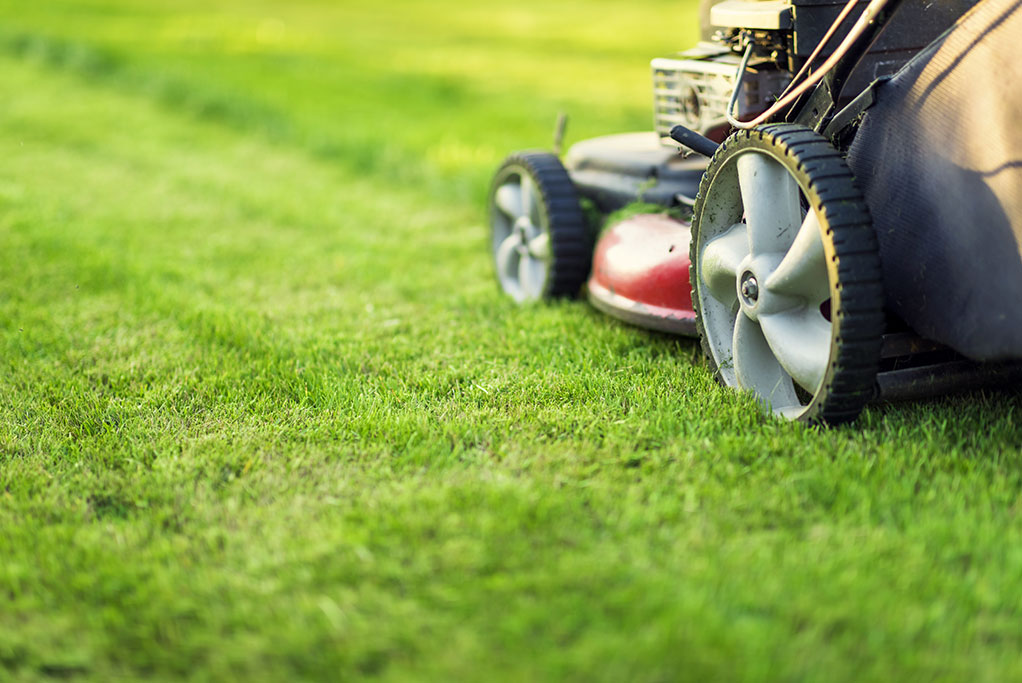
Image Source: www.powerproequipment.com
When to Start Mowing Your Lawn in Spring
The most important factor in when to start mowing lawn spring is observing your grass. Don’t rely solely on the calendar. Your grass will tell you when it’s ready. Look for active growth. This usually happens when soil temperatures consistently reach above 50-55°F (10-13°C) for several days. In many regions, this translates to sometime in March, April, or even early May.
Signs your lawn is ready for its first spring mow:
- Visible Growth: The grass blades are noticeably longer, usually reaching about 3-4 inches in height.
- Green Color: The lawn is transitioning from its dormant brown or straw-like color to a vibrant green.
- Spring Growth Spurts: You observe rapid growth, especially after a period of rain and sunshine.
Important Note: Avoid mowing a wet lawn. Wet grass clumps badly, can clog your mower, and can spread diseases. Wait until the grass blades are dry.
Determining Lawn Mowing Frequency in Spring
Lawn mowing frequency spring isn’t a fixed schedule; it’s a dynamic response to your grass’s growth rate. The general guideline is to follow the “one-third rule.” This means never removing more than one-third of the grass blade’s height in a single mowing.
Why the One-Third Rule is Crucial:
- Reduces Stress: Cutting too much at once stresses the grass, making it vulnerable to diseases, pests, and drought.
- Encourages Healthy Growth: It promotes deeper root development and denser top growth.
- Prevents Scalping: Removing too much blade can expose the soil, leading to browning and weed invasion.
So, if your ideal mowing height is 3 inches, you should mow when the grass reaches approximately 4.5 inches. This might mean mowing once a week, or it could be more or less frequent depending on weather conditions, grass type, and fertilization.
Factors Influencing Spring Mowing Frequency
Several factors will influence how often to cut grass spring:
- Grass Type: Cool-season grasses (like fescues, ryegrass, and Kentucky bluegrass) tend to grow faster in cooler spring temperatures than warm-season grasses (like Bermuda, Zoysia, and St. Augustine), which are just starting to wake up.
- Temperature and Rainfall: Warm, moist spring days are prime growing conditions. If you have a lot of sunshine and regular rain, your grass will grow faster, requiring more frequent mowing.
- Fertilization: If you’ve applied nitrogen-rich fertilizer in early spring, expect accelerated growth and a need for more frequent mowing.
- Soil Health: Healthy soil supports vigorous grass growth.
Tracking Your Lawn’s Growth
To accurately determine your grass cutting schedule spring, keep an eye on your lawn’s growth. You can do this by:
- Visual Inspection: Regularly walk your lawn and observe how quickly the grass is getting taller.
- Measuring: Use a ruler or tape measure to check the height of the grass blades.
Once you’ve established your ideal mowing height, start measuring. When the grass reaches about one-third taller than that, it’s time to mow.
Best Time to Mow Lawn Spring
The best time to mow lawn spring is generally in the late morning or early afternoon.
Why Late Morning/Early Afternoon is Ideal:
- Dry Grass: By late morning, any dew that accumulated overnight has usually evaporated, ensuring the grass is dry. Mowing dry grass prevents clumping and reduces the risk of spreading fungal diseases.
- Grass Has Recovered: The grass has had a chance to absorb sunlight and replenish energy stores after the night. Mowing during peak heat can stress the grass.
- Allows for Recovery: Mowing in the afternoon gives the grass blades time to heal before the cooler evening temperatures arrive, which can help prevent disease.
Times to Avoid:
- Early Morning: Grass is often still wet with dew.
- Late Evening: Mowing too close to dusk can leave grass vulnerable to disease overnight.
- Midday Heat: During hot spring days, mowing can stress the grass, potentially causing browning or damage.
Ideal Mowing Height in Spring
The ideal mowing height spring depends on your grass type and the specific conditions. However, a general recommendation for most cool-season grasses in spring is around 3 inches. For warm-season grasses, it might be slightly lower, closer to 1-2 inches, as they become more active later in spring.
Why Height Matters:
- Root Development: Taller grass blades encourage deeper root systems, making the lawn more resilient to drought and heat.
- Shading Out Weeds: Taller grass blades shade the soil, preventing weed seeds from germinating.
- Disease Prevention: Mowing at the correct height prevents exposing the soil (scalping) and allows for better air circulation, reducing disease risk.
Maintaining Ideal Mowing Height:
- Adjust Your Mower: Set your mower deck to the recommended height for your grass type.
- Mow Regularly: By mowing frequently according to the one-third rule, you can maintain the ideal height without removing too much at once.
- Don’t Bag Clippings (Usually): Grass clippings are a natural source of nitrogen and other nutrients. Leaving them on the lawn (mulching) can significantly benefit your lawn’s health and reduce the need for fertilizer. Ensure clippings are small enough to decompose quickly and don’t smother the grass.
Mowing Height Recommendations by Grass Type (General)
| Grass Type | Ideal Spring Mowing Height | Notes |
|---|---|---|
| Kentucky Bluegrass | 2.5 – 3.5 inches | Can tolerate slightly lower heights but prefers being a bit taller. |
| Perennial Ryegrass | 2 – 3 inches | Grows quickly and benefits from frequent mowing. |
| Fine Fescues | 2.5 – 4 inches | Generally prefer slightly higher mowing heights. |
| Tall Fescue | 3 – 4 inches | Excellent shade tolerance and drought resistance when mowed higher. |
| Bermuda Grass | 0.5 – 1.5 inches | Primarily a warm-season grass, mowing height can vary. |
| Zoysia Grass | 1 – 2 inches | Another warm-season grass that thrives with shorter mowing. |
| St. Augustine | 2.5 – 3.5 inches | Can be susceptible to chinch bugs if mowed too low. |
Always confirm the specific recommendations for your particular grass variety.
Spring Lawn Mowing Tips for a Healthy Yard
Beyond frequency and height, several spring lawn mowing tips can help you achieve a beautiful and healthy lawn.
1. Sharpen Your Mower Blades
This is perhaps the most critical tip for spring mowing. Dull blades tear grass blades, leaving ragged edges that turn brown and are more susceptible to disease.
Why Sharp Blades Matter:
- Clean Cut: Sharp blades make a clean cut, allowing the grass to heal quickly.
- Disease Prevention: Ragged cuts are entry points for fungal diseases.
- Aesthetics: A clean cut contributes to a more uniform, healthy-looking lawn.
How to Check and Sharpen:
- Visual Check: Look at the cut ends of the grass. If they are frayed or brown, your blades are dull.
- Feel: Carefully touch the blade edges. They should feel sharp, not rounded.
- Sharpening: You can sharpen blades yourself with a file or grinder, or have them professionally sharpened at a lawnmower service center.
2. Mulch Your Grass Clippings
As mentioned earlier, mulching grass clippings is highly beneficial.
Benefits of Mulching:
- Natural Fertilization: Clippings decompose, releasing nitrogen and other nutrients back into the soil.
- Moisture Retention: They help retain soil moisture.
- Reduces Waste: You don’t have to bag and dispose of grass clippings.
When NOT to Mulch:
- Excessive Clippings: If you’ve let the grass grow too long and are cutting off more than one-third, the clippings can be too large and smother the lawn. In this case, bag them or rake them up.
- Diseased Grass: If your lawn has a fungal disease, bagging clippings can prevent its spread.
3. Mow in a Different Pattern Each Time
Avoid mowing in the exact same pattern week after week.
Benefits of Varying Mowing Patterns:
- Prevents Compaction: Mowing in the same direction can compact the soil and wear down the grass in those tire tracks.
- Promotes Upright Growth: Changing direction encourages the grass blades to grow more upright and evenly.
- Aesthetic Appeal: Alternating patterns (striping) can create a visually appealing look.
Try mowing in a vertical pattern one week, a horizontal pattern the next, and then perhaps diagonal patterns.
4. Adjust Mower Height as the Season Progresses
While 3 inches is a good starting point for many cool-season grasses in spring, you might adjust slightly as temperatures warm up.
- Cooler Spring: A slightly taller cut (3-3.5 inches) can help keep the soil cooler and retain moisture, protecting the grass from early-season stress.
- Warmer Spring: As temperatures rise, you might consider slightly lowering the height, but always adhere to the one-third rule.
5. Fertilization and Mowing Synchronization
If you’re fertilizing your lawn in spring, coordinate your mowing schedule.
- Wait After Fertilizing: If you apply a granular fertilizer, it’s often best to wait a day or two after fertilizing to mow. This allows the fertilizer to start dissolving and getting into the soil, and it prevents the fertilizer granules from sticking to the mower or being thrown off the lawn.
- Avoid Mowing Before Rain: If rain is forecast immediately after fertilizing, hold off on mowing. The rain will help work the fertilizer into the soil.
6. Edge and Trim
Don’t forget to edge your lawn along sidewalks, driveways, and garden beds, and trim around obstacles. This creates clean lines and a polished look for your yard. Regular edging, done shortly after mowing, enhances the overall curb appeal.
The Importance of a Consistent Grass Cutting Schedule Spring
Establishing a consistent grass cutting schedule spring is key to long-term lawn health. It’s not just about appearances; it’s about promoting vigor and resilience.
Benefits of a Consistent Schedule:
- Prevents Stress: Regular mowing at the correct height prevents the shock associated with removing too much grass.
- Encourages Density: Frequent mowing stimulates the grass to produce more tillers (new shoots), resulting in a thicker, denser lawn.
- Weed Control: A healthy, dense lawn naturally crowds out weeds. Consistent mowing at the right height helps prevent weeds from going to seed.
- Improved Root System: By never removing too much foliage, you encourage the grass to invest energy in its root system, which is crucial for nutrient and water uptake.
Comprehending Lawn Mowing Frequency Spring: A Dynamic Approach
Determining lawn mowing frequency spring requires an adaptive strategy. It’s about observing your lawn’s needs and responding accordingly. Think of it as a conversation with your grass.
Key Takeaways for Spring Mowing Frequency:
- Start When It Grows: Wait until your grass is actively growing and has reached the appropriate height.
- The One-Third Rule: Never remove more than one-third of the grass blade’s height in a single mowing.
- Observe and Adapt: Pay attention to weather, fertilization, and grass type to adjust how often you mow.
- Quality Over Quantity: Focus on making clean cuts with sharp blades, not just on how much you cut.
Example Scenario:
Let’s say your ideal mowing height for your fescue blend is 3 inches.
- Week 1: You mow when the grass reaches 4 inches. You cut off 1 inch, leaving 3 inches.
- Week 2: Due to warm temperatures and rain, the grass grows to 4.5 inches by the end of the week. You mow again, cutting off about 1.5 inches, leaving 3 inches.
- Week 3: Growth is slower this week; the grass only reaches 3.75 inches. You mow, cutting off about 0.75 inches, leaving 3 inches.
In this scenario, your lawn mowing frequency spring was to mow once a week, but the actual amount cut varied based on growth.
Frequently Asked Questions (FAQ)
Q1: When should I first start mowing my lawn in spring?
A1: You should start mowing your lawn in spring when the grass has begun to grow actively and has reached a height of about 3-4 inches. Look for consistent soil temperatures above 50-55°F and visible signs of growth. Avoid mowing a wet lawn.
Q2: How often should I mow my lawn in spring?
A2: The frequency of mowing in spring is determined by your grass’s growth rate, not a fixed calendar schedule. Follow the “one-third rule” – never remove more than one-third of the grass blade’s height at a time. This might mean mowing once a week or more or less frequently depending on weather, fertilization, and grass type.
Q3: What is the best time of day to mow the lawn in spring?
A3: The best time to mow your lawn in spring is generally in the late morning or early afternoon. This ensures the grass is dry, reducing the risk of disease spread and mower clogs, and allows the grass to recover before the cooler evening temperatures. Avoid mowing during the hottest part of the day or when the grass is wet.
Q4: What is the ideal mowing height for my lawn in spring?
A4: The ideal mowing height for most cool-season grasses in spring is around 3 inches. For warm-season grasses, it might be closer to 1-2 inches. Always aim to leave at least two-thirds of the grass blade intact after mowing to avoid stressing the plant.
Q5: Should I bag my grass clippings in spring?
A5: It’s generally best to mulch your grass clippings in spring. They act as a natural fertilizer, returning valuable nutrients to the soil. However, if the clippings are very long and clumpy, or if your lawn has a disease, it’s better to bag them.
Q6: Is it okay to mow my lawn if there is dew on it?
A6: It’s best to avoid mowing your lawn when there is dew on it. Wet grass can clump badly, clog your mower, and make it easier to spread fungal diseases. Wait until the grass blades are dry.
Q7: My grass grew very quickly after I fertilized. What should I do?
A7: If your grass is growing rapidly after fertilization, it means the fertilizer is working. You will need to increase your mowing frequency to adhere to the one-third rule. Continue to observe your lawn and adjust your mowing schedule as needed.
Q8: How can I tell if my mower blades are sharp enough?
A8: You can tell if your mower blades are sharp by looking at the cut grass. If the tips of the grass blades are torn and ragged, or appear white or brown, your blades are dull. Sharp blades make a clean cut that heals quickly.
By following these guidelines and paying close attention to your lawn’s needs, you can ensure a healthy, beautiful, and resilient lawn throughout the spring season and beyond. Happy mowing!