
Can you stop dogs from pooping on your lawn? Yes, there are several effective strategies to discourage dogs from using your yard as a toilet. These methods range from physical barriers and scent deterrents to training your own dog and diligent cleanup.
Having your lawn become an unwanted doggy bathroom can be frustrating. It’s not just unsightly; it can also damage your grass, spread germs, and create unpleasant odors. Whether it’s neighborhood dogs or your own furry friend straying from their designated spots, there are ways to reclaim your green space. This comprehensive guide will walk you through various techniques and products to help you protect your yard and maintain its pristine condition. We’ll delve into dog deterrents, natural dog deterrents, lawn care for dogs, and discuss how dog training for lawn can play a crucial role.
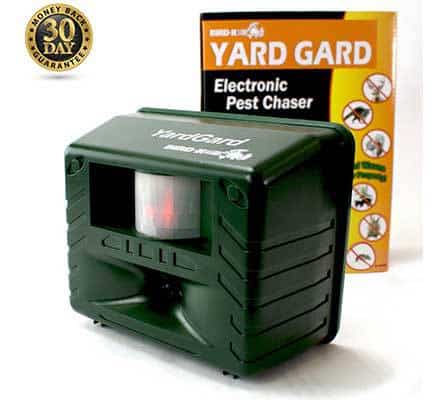
Image Source: bird-x.com
Why Do Dogs Poop on Lawns?
Before we dive into solutions, it’s helpful to understand why dogs choose lawns. Dogs often defecate in areas with soft soil and grass because it’s comfortable for them. Lawns can also be attractive scent markers. Many dogs are territorial, and they might be depositing their waste to claim or mark territory. Neighborhood dogs might be following scent trails left by other animals or dogs. For your own dog, it might be a habit or a sign they haven’t been properly trained for dog waste management.
Effective Strategies to Deter Unwanted Poop
There are many ways to make your lawn less appealing to canine visitors. These strategies often work best when combined.
Physical Barriers
Sometimes, the simplest solution is to physically prevent access.
Fencing Options
- Traditional Fencing: A sturdy fence is the most foolproof method. It completely blocks access to your yard. The height of the fence should be sufficient to deter jumping dogs.
- Temporary Fencing: For specific areas or during events, temporary fencing can be used. This is less permanent and can be moved as needed.
- Low Fencing or Edging: While not a complete barrier, decorative low fencing or sturdy edging can signal to dogs that this area is off-limits. Some dogs might still hop over, but it can deter casual passersby.
Strategic Planting
Certain plants can act as natural barriers or deterrents. We’ll discuss dog repellent plants in more detail later, but some can be used to line boundaries.
Scent-Based Deterrents
Dogs rely heavily on their sense of smell. Using scents they dislike can be a powerful way to keep them away.
Commercial Dog Repellent Sprays
These products are designed to emit odors that dogs find unpleasant.
- How They Work: Typically, these sprays contain ingredients like essential oils (citrus, eucalyptus, peppermint) or ammonia. Dogs have a much stronger sense of smell than humans, so even mild scents can be quite potent for them.
- Application: You’ll usually need to reapply these sprays regularly, especially after rain or watering, to maintain their effectiveness. Follow the product’s instructions carefully.
- Types: Look for sprays specifically formulated for outdoor use and for deterring dogs. Some are designed to be safe for lawns and plants.
Natural Dog Deterrents
Many homeowners prefer natural solutions to avoid chemicals.
- Citrus Peels: Dogs often dislike the smell of citrus. Scattering orange, lemon, or grapefruit peels around the perimeter of your lawn can help.
- Vinegar: The strong smell of vinegar can be off-putting to dogs. You can dilute white vinegar with water and spray it around your yard’s borders. Be cautious, as undiluted vinegar can harm plants and grass.
- Coffee Grounds: Used coffee grounds can also act as a deterrent. Sprinkle them around the edges of your lawn. They also have the added benefit of being a natural fertilizer.
- Essential Oils: Diluted essential oils of rosemary, citronella, or eucalyptus can be sprayed in areas you want to protect. Always dilute essential oils properly, as they can be too strong in concentrated form and potentially harmful.
Pee Pee Posts and Scent Markers
While it might seem counterintuitive, strategically placed pee pee posts can help redirect dog waste.
- Purpose: These posts are often made of wood or treated material and are designed to absorb and hold scents. The idea is to create an attractive, designated spot for dogs to relieve themselves, drawing them away from your lawn.
- How to Use: You can “prime” the post by rubbing it with a dog’s urine or feces (your own dog’s, of course, to avoid attracting unwanted animals). Place these posts in a corner of your yard or a specific area you designate as the “dog toilet.”
- Effectiveness: This method is most effective for training your own dog or for dogs who are frequently walked in the neighborhood and might be drawn to a consistent scent.
Odor Eliminators for Dog Urine
If dogs have already been using your lawn, the lingering scent can attract them back. Using an odor eliminator for dog urine is crucial.
- Enzymatic Cleaners: These cleaners break down the organic matter in urine, effectively removing the odor. They are safe for most lawn types.
- Application: Thoroughly wet the affected areas with the enzymatic cleaner. Allow it to air dry. For persistent odors, multiple applications may be necessary.
- Prevention: Cleaning up accidents promptly is key to preventing dog urination in the same spot.
Lawn Care for Dogs: Maintaining a Healthy Yard
A healthy, well-maintained lawn is more resilient and can better withstand occasional accidents. Good lawn care for dogs practices are essential.
Regular Mowing and Watering
- Mowing: Keep your grass at an appropriate height. Too short, and it can be more susceptible to damage from urine.
- Watering: Proper watering helps dilute urine and promotes grass growth, allowing it to recover from any potential burn marks.
Aeration and Fertilization
- Aeration: This process helps reduce soil compaction, allowing water and nutrients to reach the grass roots more effectively.
- Fertilization: A well-fertilized lawn is thicker and healthier, making it more resistant to damage from dog urine. Ensure you use a fertilizer safe for use around pets.
Specific Treatments for Urine Spots
- Repairing Damaged Areas: If urine spots have already killed the grass, you’ll need to repair them. Rake out the dead grass, loosen the soil, and reseed the area. Keep dogs off the treated spot until the new grass is established.
Dog Training for Lawn Success
The most effective long-term solution is proper dog training for lawn behavior, whether it’s for your own pets or teaching neighborhood dogs to respect your space.
Training Your Own Dog
- Designated Potty Area: Train your dog to use a specific area of your yard. When you take them out, lead them to this spot and use a command word like “go potty.” Reward them generously with praise and treats when they relieve themselves there.
- Leash Training: Always supervise your dog when they are in the yard, especially during the training phase. Use a leash to guide them to their designated spot.
- Consistency is Key: Stick to a routine. Take your dog out at consistent times, especially after waking up, after meals, and before bed.
- Addressing Accidents: If you catch your dog in the act of pooping on the lawn, interrupt them with a sound (like a clap) and immediately lead them to their designated potty area. Praise them if they finish there. Clean up any accidents thoroughly with an odor eliminator for dog urine.
Discouraging Neighborhood Dogs
This is more challenging but not impossible.
- Communicating with Neighbors: A polite conversation with neighbors about their dog’s habits can be effective. Perhaps they are unaware of the issue.
- Visible Deterrents: If conversations don’t work, you might need to employ more visible deterrents like fencing or scent repellents.
- Signage: A polite sign asking dog owners to refrain from letting their dogs defecate on your lawn can also be helpful.
Natural Dog Deterrent Plants
Some plants have scents or textures that dogs find unpleasant, making them excellent additions to your lawn’s defenses. Incorporating dog repellent plants can be a beautiful and functional way to protect your yard.
Plants to Consider
Here’s a look at some effective plants:
| Plant Name | Scent/Property | Placement Strategy |
|---|---|---|
| Coleus Canina | Pungent, often described as “stink weed.” | Plant along borders, pathways, and areas where dogs tend to frequent. |
| Rue | Bitter scent, strong aroma that dogs dislike. | Plant in borders or as a ground cover. Handle with care as it can cause skin irritation. |
| Pennyroyal | Strong minty scent; toxic if ingested in large quantities. | Plant in containers or small areas where it’s unlikely to be ingested. |
| Citronella Grass | Strong citrusy scent that repels many insects and dogs. | Plant in pots or along garden edges. |
| Lavender | Pleasant to humans, but many dogs dislike the scent. | Plant in borders or in garden beds near desired areas. |
| Rosemary | Strong, aromatic scent. | Plant in borders or as a ground cover. |
| Thyme | Pungent aroma. | Plant as a ground cover or in borders. |
- Important Note: While these plants can deter dogs, their effectiveness can vary. Some dogs are more sensitive to certain scents than others. It’s also crucial to ensure that any plants you choose are non-toxic to dogs, as some repellent plants can be harmful if ingested. Research each plant thoroughly.
Advanced Strategies and Products
Beyond the basics, there are more advanced methods and products for persistent problems.
Motion-Activated Sprinklers
These devices detect movement and release a burst of water.
- How They Work: When a dog enters the sensor’s range, it triggers a sprinkler head, startling the dog and creating a negative association with your lawn.
- Pros: Effective, humane, and doesn’t require constant reapplication.
- Cons: Can be triggered by other animals or even strong winds, potentially wasting water.
Ultrasonic Devices
These devices emit high-frequency sounds that are inaudible to humans but annoying to dogs.
- Effectiveness: Results can be mixed. Some dogs are deterred, while others may become accustomed to the sound.
- Placement: Ensure the device is placed strategically to cover the area you want to protect.
Professional Dog Waste Management
If you’re struggling to manage the problem, consider professional services.
- Pooper Scooper Services: Many services offer regular yard cleaning to remove pet waste, including from neighborhood dogs if you can identify them.
- Pest Control Services: Some pest control companies may offer dog repellents or barrier treatments.
Maintaining a Dog-Friendly Yard
While you’re focused on preventing unwanted messes, remember that if you have your own dogs, you need to provide for their needs too.
Designated Potty Areas
As mentioned in training, having a clearly defined potty spot for your own dogs is essential for good dog waste management. Make this area appealing with soft soil or mulch.
Regular Cleanup
Even with a designated spot, accidents can happen. Make it a habit to clean up your dog’s waste immediately. This is good lawn care for dogs and helps prevent the spread of parasites and diseases.
Choosing Dog-Safe Lawn Products
When fertilizing, pest treating, or using any lawn care products, always check that they are labeled as safe for pets.
FAQ: Your Burning Questions Answered
Q1: What is the most effective way to stop dogs from pooping on my lawn?
A1: A combination of methods usually works best. Physical barriers like fencing are highly effective. For scent deterrents, regular application of commercial or natural repellents, along with thorough cleaning of existing waste, is key. Consistent training for your own dogs is also crucial for long-term success.
Q2: Can I use urine repellent spray on my lawn?
A2: Yes, many urine repellent spray products are available specifically for outdoor use. They are designed to deter dogs with unpleasant scents. Ensure the product is safe for your lawn type and follow application instructions carefully, reapplying as needed, especially after rain.
Q3: Are natural dog deterrents really effective?
A3: Natural dog deterrents can be effective, especially when used consistently and in combination with other methods. Their scent strength can vary, and dogs may become accustomed to them over time. Citrus peels, vinegar diluted with water, and certain essential oils are popular choices.
Q4: How do I train my dog not to poop on the lawn?
A4: Dog training for lawn behavior involves establishing a designated potty area, rewarding them when they use it, and supervising them when they are outside. Interrupting them if they start to poop in the wrong spot and redirecting them to their designated area is also important. Consistency and positive reinforcement are vital.
Q5: What are some dog repellent plants I can use?
A5: Several dog repellent plants exist, including Coleus Canina, Rue, Pennyroyal, Citronella Grass, Lavender, Rosemary, and Thyme. These plants have scents that dogs typically dislike. It’s important to research their specific needs and ensure they are safe for pets if ingested.
Q6: How do I get rid of the smell of dog urine on my lawn?
A6: An odor eliminator for dog urine, particularly enzymatic cleaners, is the most effective way to neutralize the odor. These cleaners break down the urine’s organic compounds. Prompt cleanup and proper application of the cleaner are essential.
Q7: What is the best approach for lawn care for dogs?
A7: Lawn care for dogs involves maintaining a healthy lawn that can better withstand occasional urine damage. This includes regular mowing and watering, proper fertilization, and prompt cleanup of waste. Repairing any damaged spots immediately is also part of good care.
Q8: How can I prevent dog urination on my lawn if I don’t own a dog?
A8: For preventing dog urination from neighborhood dogs, consider using physical barriers like fencing, applying commercial or natural scent deterrents along the perimeter, and using motion-activated sprinklers. A polite sign might also help.
Q9: Are pee pee posts a good idea?
A9: Pee pee posts can be a useful tool for dog training for lawn areas, especially for your own dogs. They help create a designated spot for them to relieve themselves, drawing their attention away from other parts of the lawn. Priming them with scent can increase their effectiveness.
Q10: How often do I need to reapply scent deterrents?
A10: The frequency of reapplication depends on the product and environmental conditions. Most commercial and natural deterrents need to be reapplied every few days, or after rain or watering, to maintain their effectiveness. Always check the product label for specific recommendations.
By implementing a combination of these strategies, you can effectively protect your lawn and maintain a clean, enjoyable outdoor space. Patience and consistency are key, especially when dealing with animal behavior.