
Can you get rid of clover in your lawn? Yes, you can effectively eliminate clover from your lawn through a combination of proper lawn care practices, targeted treatments, and preventative measures. This guide will provide you with a comprehensive approach to achieving a clover-free, healthy lawn.
Clover in a lawn is a common concern for many homeowners. While it has some benefits, like fixing nitrogen in the soil, its prolific growth and distinct appearance often clash with the uniform look of a well-maintained turf. This guide offers solutions for natural clover removal and explains how to use a clover killer effectively. We’ll cover everything from pulling clover by hand to employing chemical solutions and discuss strategies for preventing clover in grass year after year.
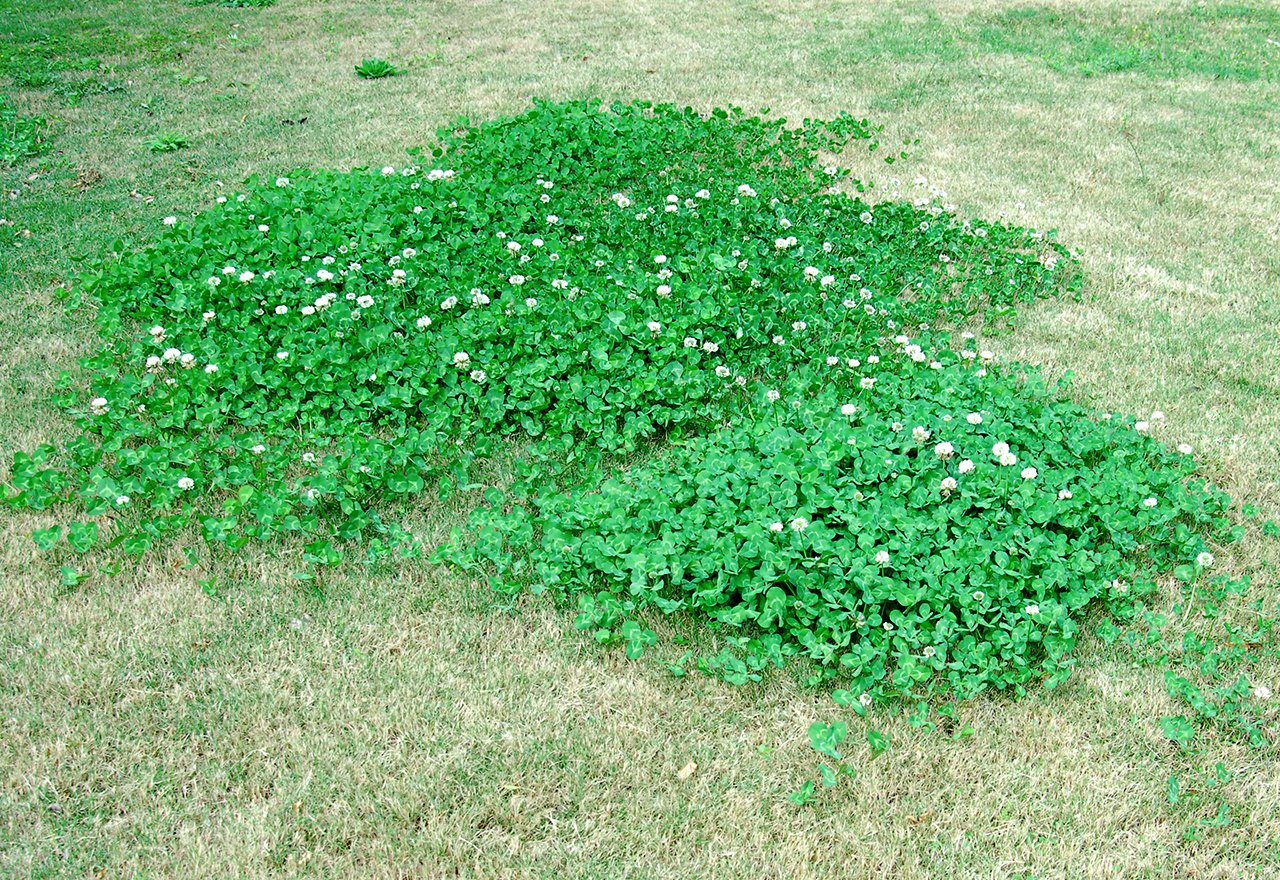
Image Source: cdn2.hubspot.net
Why Clover Thrives in Your Lawn
Before diving into removal methods, it’s helpful to grasp why clover plants often find your lawn an inviting place to grow. Clover, specifically white clover (Trifolium repens), is a low-growing plant with three leaves and often a white flower. It thrives in conditions that many turfgrass species struggle with.
Common Factors Favoring Clover Growth
- Poor Soil Fertility: Clover is a legume, meaning it has a symbiotic relationship with bacteria that can fix nitrogen from the air into the soil. This allows it to grow well even in soils low in nitrogen, which is often a limiting factor for healthy grass. Your grass, on the other hand, might be struggling due to a lack of nitrogen, making it thinner and more susceptible to weed invasion, including clover.
- Compacted Soil: Clover’s shallow root system can penetrate compacted soil more easily than the deeper roots of many turfgrass varieties. Compacted soil restricts air and water movement, stressing grass and creating an ideal environment for clover.
- Low Mowing Heights: Mowing your lawn too short weakens the grass. It reduces the grass’s ability to photosynthesize and compete for resources. Clover, with its low growth habit, can then outcompete the struggling turf.
- Drought Conditions: While grass often suffers during dry spells, clover can often tolerate drought conditions better due to its ability to fix nitrogen and its shallower root system that can access surface moisture.
- Uneven Watering: Inconsistent watering can stress grass, making it vulnerable. Clover can often adapt and survive in these fluctuating moisture levels.
Methods for Clover Removal
Eliminating clover requires a multi-pronged approach. You can choose between natural clover removal methods or opt for chemical solutions. A successful clover management plan often incorporates both.
Manual Removal: Pulling Clover
For smaller patches or a few scattered clover plants, pulling clover by hand is a viable option. This is a gentle, eco-friendly method that can be effective if done diligently.
Steps for Manual Removal:
- Timing is Key: It’s easiest to pull clover after a good rain or watering when the soil is moist and loosened. This helps ensure you get the entire root system.
- Get a Good Grip: Grasp the clover plant firmly at its base, as close to the soil surface as possible.
- Pull Steadily: Pull upwards with a steady, even pressure. Avoid yanking, which can break the root.
- Inspect the Roots: Check the pulled plant to ensure you have removed the entire root system. Clover can regrow from remaining root fragments.
- Dispose Properly: Place the pulled clover in a bag and dispose of it to prevent seeds from spreading.
- Fill the Hole: After pulling, fill any bare spots with good quality topsoil and reseed with your desired grass type.
Pros of Pulling Clover:
* Environmentally friendly.
* No chemicals involved.
* Immediate removal of visible clover.
Cons of Pulling Clover:
* Time-consuming for large infestations.
* May not be feasible for extensive areas.
* Requires repeated effort as new clover can sprout.
Natural and Organic Approaches
For those committed to organic lawn care clover removal, several natural methods can be employed. These focus on improving lawn health and creating an environment less favorable to clover.
1. Improving Lawn Health: The Foundation of Clover Management
The most sustainable way to combat clover is to cultivate a dense, healthy turf that can outcompete it.
- Proper Mowing: Mow your lawn at the higher end of the recommended range for your grass type (usually 3-4 inches). Taller grass shades the soil, preventing weed seeds from germinating and encouraging deeper root growth in your turf.
- Fertilization: Apply a balanced fertilizer at the appropriate times of the year for your grass type. This will help your grass grow vigorously and crowd out clover. Consider slow-release, organic fertilizers.
- Aeration: Core aeration helps alleviate soil compaction, improving air, water, and nutrient penetration to grass roots. This strengthens your turf and weakens weeds like clover.
- Overseeding: Regularly overseeding your lawn, especially in the fall, helps to fill in thin spots and create a denser turf that can choke out clover.
2. Corn Gluten Meal: A Natural Pre-Emergent
Corn gluten meal is an organic byproduct that acts as a pre-emergent clover control. It works by inhibiting root formation in seedlings.
- Application: Apply corn gluten meal in early spring before clover seeds germinate. It needs to be applied when the soil is dry, and then watered in after a few days. Avoid applying it if you plan to overseed immediately, as it can also inhibit grass seed germination.
- Effectiveness: Its effectiveness can vary, and it’s more of a preventative measure than a kill treatment for existing clover.
3. Vinegar (Horticultural Strength)
While household vinegar might not be strong enough, horticultural vinegar (20% acetic acid) can be a clover killer. However, it is a non-selective herbicide, meaning it will kill any plant it comes into contact with, including your grass.
- Application: Apply directly to the clover on a sunny, windless day. Be extremely careful not to spray it on your desirable grass.
- Caution: Use with extreme caution. It can damage your lawn if not applied precisely. It’s generally recommended for spot treatments only and may require repeat applications.
4. Boiling Water
A simple, natural clover removal method is to pour boiling water directly onto the clover plants.
- Application: Carefully pour boiling water over the clover patches. This will kill the plant, including its roots.
- Caution: Like vinegar, this is non-selective and will kill any grass or plant it touches. It’s best for very small, isolated patches.
Chemical Control Methods
When natural methods aren’t enough, chemical treatments offer more targeted and often faster results. These fall into two main categories: pre-emergent clover control and post-emergent clover treatment.
Pre-Emergent Clover Control
Pre-emergent clover control products are applied before clover seeds germinate, preventing them from establishing in your lawn.
- Timing: The critical window for pre-emergent application is typically in early spring, before soil temperatures consistently reach 50-55°F (10-13°C). Timing is crucial for effectiveness.
- Products: Look for herbicides containing active ingredients like trifluralin or prodiamine.
- Application: Follow product instructions carefully. You’ll usually need to apply it evenly across the lawn. It’s important not to disturb the soil after application, as this can break the protective barrier. Also, avoid overseeding for a specified period after application, as it can prevent grass seed germination.
Post-Emergent Clover Treatment
Post-emergent clover treatment is used to kill existing clover plants. These can be selective herbicides that target broadleaf weeds like clover without harming most grasses, or non-selective herbicides.
Selective Herbicides: The Preferred Choice
Selective herbicides are the most effective and practical choice for most homeowners. They are designed to kill broadleaf weeds while leaving turfgrass unharmed.
-
Active Ingredients to Look For: Common active ingredients in selective clover herbicides include:
- 2,4-D: A widely used broadleaf herbicide.
- MCPP (Mecoprop): Often found in combination with 2,4-D.
- Dicamba: Another effective broadleaf herbicide.
- Triclopyr: Particularly effective on woody plants and some tough broadleaf weeds.
- Quinclorac: Effective against crabgrass and some broadleaf weeds, including clover.
- Fluroxypyr: Works well on many broadleaf weeds.
-
Types of Application:
- Liquid Sprays: These are the most common. You can buy ready-to-use sprays or concentrates that you mix with water. Apply evenly using a broadcast spreader or a wand sprayer, ensuring complete coverage of the clover.
- Granular Weed and Feed Products: These combine fertilizer with a selective herbicide. They are convenient but can lead to uneven application if not spread carefully. When considering weed and feed for clover, ensure the product specifically lists clover as a target weed.
-
When to Apply:
- Spring: Apply in late spring when clover is actively growing and temperatures are consistently between 60-85°F (15-30°C). This is when the herbicide is most effective.
- Fall: Fall applications (September to October) are also very effective, as clover is storing energy for winter, making it more susceptible to herbicides. Fall is often considered the best time for chemical control of perennial weeds.
-
Application Tips for Post-Emergent Treatments:
- Read the Label: Always read and follow the product label instructions carefully. This is crucial for efficacy and safety.
- Targeted Application: For spot treatments, use a spray bottle and aim directly at the clover. This minimizes overspray onto desirable plants.
- Healthy Grass: Ensure your lawn is healthy and well-established. Stressed or newly seeded lawns can be damaged by herbicides.
- Weather Conditions: Avoid applying herbicides when the wind is strong (to prevent drift) or when rain is expected soon (as it can wash the herbicide away). Do not apply when temperatures are expected to exceed 85°F (30°C), as this can damage your turfgrass.
- Repeat Applications: Some stubborn clover may require a second application after 2-3 weeks.
Non-Selective Herbicides: Use with Extreme Caution
Non-selective herbicides, such as glyphosate, will kill all plant life they contact.
- Use Cases: These are generally not recommended for broad application on lawns unless you are preparing an area for a complete renovation.
- Spot Treatment: If used, they must be applied with extreme precision directly to the clover, avoiding any contact with desired grass or plants.
Preventing Clover in Grass
Preventing clover in grass is an ongoing process that focuses on maintaining a healthy, dense lawn that naturally crowds out weeds.
Key Preventative Strategies
- Promote Healthy Turf Growth:
- Fertilize Appropriately: Regular fertilization provides the nutrients grass needs to grow thick and healthy.
- Water Deeply and Infrequently: This encourages grass to develop deep root systems, making it more resilient to drought and competition.
- Mow High: As mentioned earlier, mowing at 3-4 inches is crucial for a strong lawn.
- Maintain Proper Soil pH:
- Clover, like many weeds, can tolerate a wide range of soil pH levels. However, most turfgrasses prefer a slightly acidic to neutral pH (typically 6.0-7.0).
- Test your soil’s pH regularly. If it’s too alkaline, adding sulfur can help lower it. If it’s too acidic, adding lime will raise it. Correcting soil pH ensures your grass has the best chance to thrive.
- Improve Soil Drainage and Reduce Compaction:
- Aeration helps prevent soil compaction.
- Ensure your lawn has adequate drainage to avoid waterlogged areas that can favor certain weeds.
- Overseed Annually:
- Filling in any bare or thin spots with new grass seed, especially in the fall, is a vital step in preventing clover in grass. A dense lawn leaves no room for clover to establish.
- Address Bare Spots Promptly:
- If you have bare patches from disease, grub damage, or heavy traffic, reseed them as soon as possible. Clover seeds will readily germinate in exposed soil.
Clover Management: A Long-Term Plan
Effective clover management isn’t about a single treatment but about consistent care. It involves understanding your lawn’s needs and adapting your practices.
Seasonal Approach to Clover Control
- Early Spring:
- Assess the clover situation.
- If necessary, apply a pre-emergent clover control product.
- Consider core aeration to combat soil compaction.
- Late Spring/Early Summer:
- Apply a post-emergent clover treatment if clover is actively growing and visible.
- Mow at the correct height.
- Water deeply.
- Summer:
- Continue proper mowing and watering. Avoid applying herbicides during extreme heat.
- Spot treat any new clover growth.
- Fall:
- This is an excellent time for overseeding to thicken your lawn.
- Apply a post-emergent clover treatment, as this is a highly effective period for killing perennial weeds.
- Fertilize according to your grass type’s needs.
Summary Table of Clover Removal Methods
| Method | Type | Pros | Cons | Best For |
|---|---|---|---|---|
| Pulling Clover | Manual | Eco-friendly, no chemicals, immediate | Time-consuming, labor-intensive, requires persistence | Small patches, scattered plants |
| Corn Gluten Meal | Natural Pre-emergent | Organic, prevents new growth | Only preventative, timing critical, can inhibit grass seed | Preventing new clover germination |
| Horticultural Vinegar | Natural Post-emergent | Organic, kills on contact | Non-selective, can kill grass, requires careful application | Very small, isolated patches, careful spot treatment |
| Boiling Water | Natural Post-emergent | Natural, kills on contact | Non-selective, can kill grass | Very small, isolated patches |
| Selective Herbicides | Chemical Post-emergent | Targets clover, safe for most grasses | Can require repeat applications, chemical use | Most lawn infestations, effective and targeted |
| Pre-Emergent Herbicides | Chemical Pre-emergent | Prevents germination | Timing critical, can inhibit grass seed, chemical use | Preventing clover before it starts |
Frequently Asked Questions (FAQ)
Q1: Can I use vinegar to kill clover?
A1: Yes, horticultural-grade vinegar (around 20% acetic acid) can kill clover. However, it is a non-selective herbicide, meaning it will also kill the grass it touches. Use it only for precise spot treatments.
Q2: When is the best time to apply a clover killer?
A2: For post-emergent treatments, late spring or early fall is ideal when clover is actively growing. For pre-emergent control, apply in early spring before germination.
Q3: Will pulling clover remove it permanently?
A3: Pulling clover can be effective, but it’s important to remove the entire root system. Clover can regrow from root fragments, so persistence is key. It’s also crucial to address the underlying reasons clover thrives in your lawn to prevent its return.
Q4: Is “weed and feed for clover” safe for my lawn?
A4: Many “weed and feed” products contain selective herbicides that are safe for most established lawns when used according to the label directions. Always check the product label to ensure it targets clover and is suitable for your specific grass type.
Q5: How can I prevent clover from coming back after treatment?
A5: The best prevention is to maintain a healthy, dense lawn through proper mowing, watering, fertilization, and overseeding. Addressing soil issues like compaction and poor fertility will also make your lawn less inviting to clover.
By following these comprehensive strategies, you can effectively eliminate clover from your lawn and cultivate a healthier, more attractive turf for years to come. Remember that consistency and a focus on overall lawn health are your greatest allies in this endeavor.