
Can you get rid of clover from your lawn? Yes, you can effectively get rid of clover from your lawn using a combination of manual removal, targeted herbicides, and practices that promote healthy grass.
Clover, particularly the common white clover (Trifolium repens), is a frequent visitor to many home lawns. While it has its benefits, like fixing nitrogen and attracting pollinators, most homeowners prefer a uniform green carpet of grass. Dealing with clover in grass can be frustrating, but with the right approach, you can reclaim your lawn. This guide will walk you through the most effective clover control methods, from manual clover removal to chemical solutions and natural approaches.
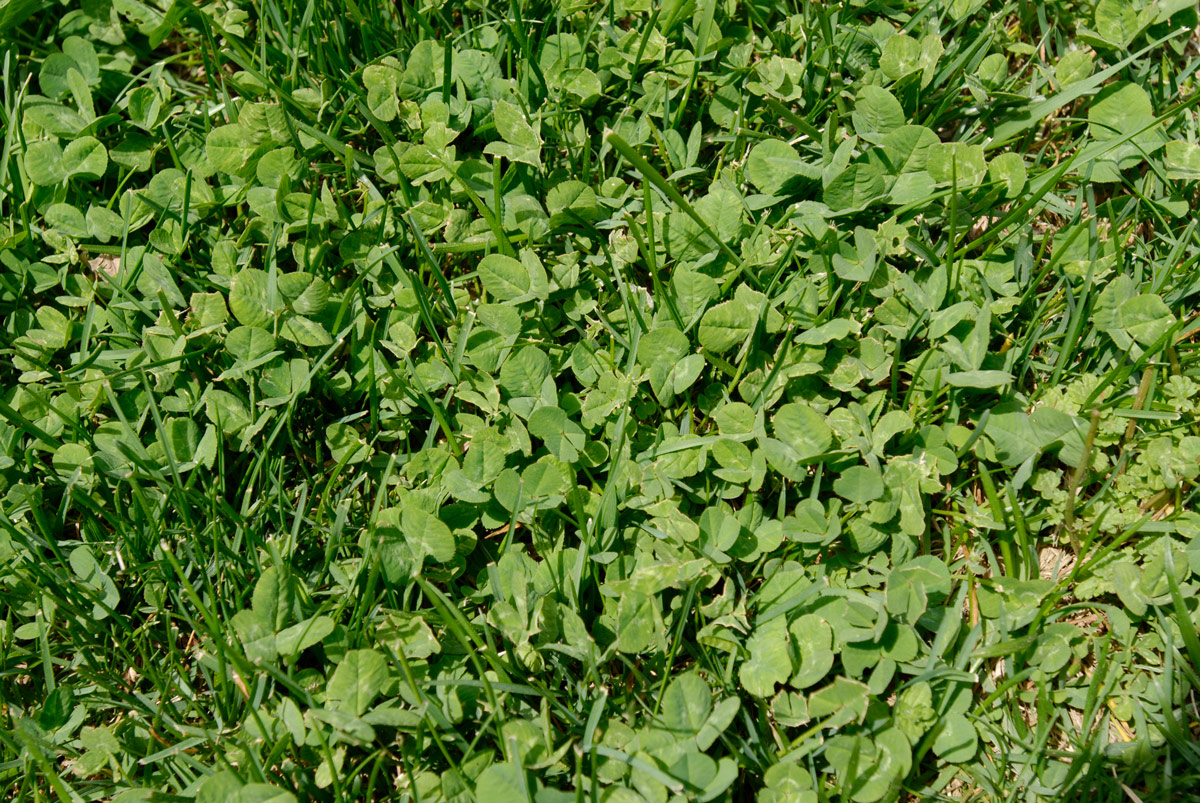
Image Source: naturalawn.com
Why Does Clover Appear in Lawns?
Before we dive into removal, it’s helpful to understand why clover thrives in certain lawn conditions. Clover plants are nitrogen-fixing legumes. This means they can pull nitrogen from the air and convert it into a form that plants can use. This ability often allows them to grow well in lawns with low soil fertility, where grass struggles to get enough nitrogen.
Here are common reasons clover takes over:
- Low Nitrogen Levels: As mentioned, if your lawn isn’t getting enough nitrogen, grass will be weaker, making it easier for clover to compete and spread.
- Compacted Soil: Clover has shallow roots that can penetrate compacted soil more easily than deep-rooted grass. Compacted soil also hinders grass growth by limiting air and water circulation to the roots.
- Poor Drainage: Clover can tolerate moist conditions better than some types of grass, so areas with poor drainage may become clover havens.
- Mowing Too High or Too Low: Mowing too low weakens grass, allowing clover to get more sunlight and spread. Mowing too high can shade out young grass.
- Soil pH Imbalances: Clover tends to prefer slightly acidic to neutral soil conditions, while some grasses prefer slightly different pH ranges.
Methods for Clover Removal
Getting rid of clover requires a multi-pronged approach. Combining several strategies will yield the best and most lasting results.
Manual Clover Removal
Sometimes, the most direct approach is the best. For small patches of clover, manual clover removal is a viable option.
Hand-Pulling
This is the simplest and most eco-friendly method, especially for young clover plants or isolated clusters.
- Best Time: Water the lawn thoroughly an hour or two before you plan to pull. This softens the soil and makes it easier to remove the entire root system.
- Tools: A trowel, dandelion digger, or a specialized weed-pulling tool can help loosen the soil around the roots.
- Technique: Grasp the clover plant firmly at the base. Wiggle it gently to loosen the roots and pull it straight up. Try to get as much of the root as possible, as clover can regrow from root fragments.
- Disposal: Dispose of the pulled clover in a sealed bag to prevent seeds from spreading.
- Follow-up: You may need to reseed bare spots left behind with grass seed to prevent new weeds from taking root.
Pros of Manual Removal:
- Environmentally friendly.
- No chemicals used.
- Effective for small infestations.
- Cost-effective.
Cons of Manual Removal:
- Time-consuming for larger areas.
- Difficult to remove all roots, potentially leading to regrowth.
- Can be physically demanding.
Chemical Control: Herbicides
Herbicides are often considered the best way to remove clover for more widespread infestations. However, it’s crucial to choose the right type of herbicide and apply it correctly.
Broadleaf Weed Herbicides
Clover is a broadleaf weed, so broadleaf herbicides are designed to target it without harming most turfgrasses.
- Selective Herbicides: These are formulated to kill broadleaf weeds while leaving grass unharmed. Look for active ingredients such as:
- 2,4-D: A common and effective herbicide for many broadleaf weeds.
- MCPP (Mecoprop): Often found in combination with 2,4-D.
- Dicamba: Another effective broadleaf killer.
- Triclopyr: Particularly good for tougher weeds and woody plants, but also effective on clover.
- Quinclorac: Effective against crabgrass but also controls clover.
- When to Apply: The best time to apply herbicides for white clover removal is when the clover is actively growing and the grass is not under stress (e.g., during dry or hot weather). Spring and early fall are generally ideal. Ensure temperatures are within the range specified on the product label.
- Application:
- Read the Label: Always follow the instructions on the herbicide product label precisely. This includes mixing ratios, application rates, and safety precautions.
- Spot Treatment: For scattered clover, spot treatment is more efficient and reduces chemical use.
- Even Coverage: Ensure thorough and even coverage of the clover plants. The herbicide needs to contact the leaves to be effective.
- Avoid Windy Conditions: Do not apply herbicides on windy days to prevent drift onto desirable plants or neighboring properties.
- Watering: Do not water your lawn for 24-48 hours after application, as this can wash away the herbicide.
Types of Herbicides:
- Liquid Herbicides: Can be applied with a hose-end sprayer or a pump sprayer.
- Granular Herbicides: Often combined with fertilizers, these are applied with a spreader.
Clover Killer for Lawns – Important Considerations:
- Grass Type: Some herbicides can damage certain grass types (e.g., St. Augustine or Centipede grass may be sensitive to some broadleaf herbicides). Always check the product label for compatibility with your lawn’s grass type.
- Temperature: Avoid applying herbicides when temperatures are above 85°F (29°C), as this can damage your grass.
- Rainfall: Check the forecast. If rain is expected within 24-48 hours, it might wash away the herbicide before it can work effectively.
- Pet and Child Safety: Keep pets and children off the treated lawn until the herbicide has dried and is no longer visible on the grass blades, and follow label instructions regarding re-entry times.
Pre-Emergent for Clover
While pre-emergent herbicides are primarily used to prevent weed seeds from germinating, they are generally less effective for established clover plants, which spread through rhizomes and stolons. However, some products may offer suppression of new clover seedlings. For controlling existing clover, post-emergent herbicides are usually the preferred chemical solution.
Natural and Organic Methods to Get Rid of Clover
For those who prefer to avoid synthetic chemicals, several natural clover control methods exist. These often focus on improving lawn health to outcompete the clover.
Killing Clover Naturally
- Corn Gluten Meal: This is a natural pre-emergent that can inhibit root formation in germinating seeds. It also acts as a mild fertilizer. It’s most effective when applied in early spring before clover seeds germinate. However, its effectiveness against established clover is limited.
- Vinegar (Horticultural Vinegar): Horticultural vinegar (acetic acid) can kill clover on contact. However, it’s a non-selective herbicide, meaning it will also kill grass and other plants it touches. It’s best used for spot treatment of clover in cracks in pavement or on patios, not on a lawn. Household vinegar is usually not strong enough.
- Boiling Water: Pouring boiling water directly on clover patches can kill them. Like vinegar, this is non-selective and will also kill grass. Use with extreme caution and only for very targeted removal in small areas.
Cultural Practices for Long-Term Clover Control
The most sustainable way to get rid of clover weeds permanently is to create an environment where grass thrives and clover struggles.
- Improve Soil Fertility:
- Soil Test: Get your soil tested to determine its nutrient levels and pH.
- Fertilize Appropriately: Based on the soil test, apply a balanced fertilizer. Focus on nitrogen, as low nitrogen is a primary reason clover thrives. Use a slow-release fertilizer to provide consistent nutrition to your grass.
- Adjust Mowing Practices:
- Mow Higher: Raise your mower blade. For most cool-season grasses, mowing at 3-3.5 inches is ideal. This shades the soil, preventing weed seeds from germinating and allowing grass to develop deeper roots.
- Sharp Mower Blades: Ensure your mower blades are sharp. Dull blades tear grass, making it susceptible to disease and stress, which clover can exploit.
- Water Wisely:
- Deep and Infrequent Watering: Water your lawn deeply but less often. This encourages grass to develop deep roots, making it more drought-tolerant and resilient. Avoid light, frequent watering, which favors shallow-rooted weeds like clover.
- Water in the Morning: Water early in the morning to allow the grass to dry off before nightfall, reducing the risk of fungal diseases.
- Aerate Your Lawn:
- Core Aeration: This process removes small plugs of soil, allowing air, water, and nutrients to reach the grass roots. It also helps alleviate soil compaction, which hinders grass growth and benefits clover. Aerate in the spring or fall.
- Overseed Thin Areas:
- Fill in Gaps: After removing clover or in thin patches, overseed with high-quality grass seed suitable for your climate. Dense, healthy grass is the best defense against weeds.
Combining Strategies for the Best Results
The most effective approach to lawn weed control for clover often involves a combination of methods.
- Assess the Infestation:
- Small Patches: Manual removal is a good starting point.
- Widespread Clover: Chemical treatment may be more efficient.
- Improve Lawn Health: Regardless of the removal method, focus on creating a dense, healthy lawn through proper fertilization, watering, mowing, and aeration. This is key for long-term clover control.
- Targeted Application: If using herbicides, spot-treat or apply to the affected areas according to label instructions.
- Preventative Measures: In subsequent years, maintain a robust lawn care program to prevent clover from re-establishing. Consider a pre-emergent for clover if germination is a significant issue, though its effectiveness is secondary to healthy turf.
Clover in Drought Conditions
Interestingly, clover often becomes more noticeable during droughts. This is because the grass becomes stressed and turns brown, while the clover, with its deeper roots and nitrogen-fixing ability, often remains green and healthy. This makes the clover patches stand out more prominently. During dry spells, it’s crucial to provide adequate, deep watering to your grass to help it withstand the stress and compete better.
Clover and Pollinators
It’s worth noting that white clover is a valuable food source for bees and other pollinators. If you have a large lawn or an area where attracting pollinators is desirable, you might consider leaving some clover patches or tolerating a small amount. However, if your goal is a uniform, clover-free lawn, the methods outlined above will help you achieve that.
What to Do After Clover Removal
Once you’ve successfully removed clover, the work isn’t over. The goal is to keep it from returning.
- Monitor: Regularly inspect your lawn for any signs of new clover growth.
- Overseed: Keep your lawn dense by overseeding in the fall. This fills in any thinning areas where weeds might try to establish.
- Soil Health: Continue to focus on building healthy soil through regular feeding and aeration.
- Weed Barriers: In extreme cases, dense, healthy grass acts as the best weed barrier.
Frequently Asked Questions (FAQ)
Q1: Will clover kill my grass?
No, clover typically does not kill grass. Instead, it competes with grass for resources like sunlight, water, and nutrients. In lawns with poor soil fertility or weak grass, clover can thrive and become dominant, making the lawn appear patchy or less uniform.
Q2: Is clover bad for a lawn?
From a cosmetic perspective, many homeowners find clover undesirable because it breaks up the uniform green appearance of a grass lawn. However, clover has benefits: it adds nitrogen to the soil, which can improve the growth of surrounding grass, and it provides a food source for pollinators. Whether clover is “bad” depends on your lawn care goals.
Q3: Can I use a weed killer that kills clover but not my grass?
Yes, this is the purpose of selective broadleaf herbicides. Look for products specifically labeled for broadleaf weed control in lawns. Always check the product label to ensure it is safe for your specific type of grass, as some herbicides can damage certain turf species.
Q4: How quickly do herbicides kill clover?
The speed at which herbicides kill clover can vary depending on the product, the size and health of the clover plants, and weather conditions. Generally, you may start to see wilting or yellowing within a few days to a week. Complete eradication can take several weeks, and a second application might be necessary for stubborn patches.
Q5: When is the best time of year to treat clover?
The best time to treat clover with herbicides is during its active growing period. This is typically in the spring when temperatures are mild (between 65-85°F or 18-29°C) and the grass is not stressed by heat or drought. Early fall is also an excellent time to treat clover as it prepares for winter, and the grass is often more resilient.
Q6: What are the pros and cons of killing clover naturally versus using chemicals?
- Natural Methods (e.g., hand-pulling, improving soil health):
- Pros: Environmentally friendly, safe for pets and children (once completed), cost-effective for small areas, promotes overall lawn health.
- Cons: Can be labor-intensive and time-consuming, may not be effective for large infestations, results can be slower, some natural products (like vinegar) can damage grass if not used carefully.
- Chemical Methods (herbicides):
- Pros: Highly effective and often faster than natural methods, efficient for large infestations, selective options won’t harm most grasses.
- Cons: Can be harmful to the environment if misused, potential risk to pets and children if not applied according to label, can damage desirable plants if drift occurs, may require multiple applications, ongoing cost.
By following these methods and focusing on creating a dense, healthy lawn, you can effectively manage and eliminate clover, achieving the lush green yard you desire.