
Is your lawn looking patchy with areas of brown spots or yellow patches? Lawns often die in patches due to a variety of issues, ranging from disease and insect problems to environmental stresses like drought or poor drainage.
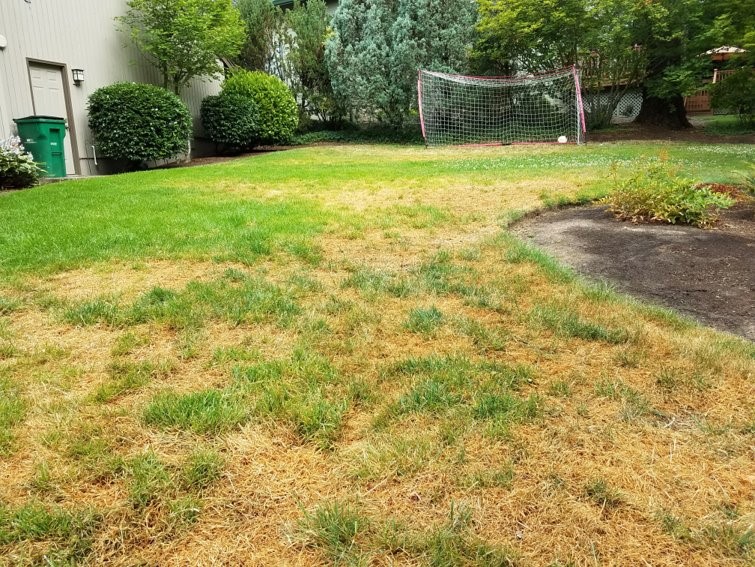
Image Source: www.landscapeeast.com
Deciphering the Patchy Lawn Puzzle
A healthy, uniformly green lawn is the dream of many homeowners. However, when sections of your turf begin to wither and die, leaving irregular dead areas, it’s a clear sign something is wrong. Pinpointing the exact cause is crucial for effective treatment. This guide will help you diagnose the common culprits behind your lawn’s patchy demise and provide clear, actionable solutions.
Common Culprits Behind Patchy Lawns
Several factors can contribute to your lawn developing unsightly patches. Let’s delve into the most frequent offenders.
Lawn Disease: The Silent Spoilers
Lawn disease is a prevalent cause of patchy growth. Fungal infections, in particular, thrive in certain conditions and can quickly spread, leaving behind distinctive patterns of damage.
Types of Fungal Diseases and Their Signs
-
Dollar Spot: Characterized by small, silver-dollar-sized dead spots. These spots may merge to form larger dead areas. You might see a cobweb-like growth on the grass blades in the early morning dew.
-
Brown Patch: This disease appears as circular or irregular patches of brown, wilted grass, often with a dark border. The center of the patch may recover, creating a “frog-eye” effect.
-
Pythium Blight (Damping-off): Affects grass seedlings and established turf, causing rapid wilting and death. Patches can appear water-soaked and greasy, especially in humid weather.
-
Red Thread: Identifiable by reddish-pink or tan threads (fungal mycelium) that appear on the grass blades. Affected areas turn a pale, straw-like color.
Factors Favoring Lawn Fungus
- Excessive Moisture: Overwatering, poor drainage, and prolonged periods of dew or rain create ideal conditions for fungal growth.
- Poor Air Circulation: Overly dense turf or surrounding dense shrubs can trap moisture and reduce airflow, promoting disease.
- Thatch Buildup: A thick layer of dead organic matter (thatch) can hold moisture and provide a breeding ground for fungi.
- Improper Fertilization: Both under- and over-fertilization can weaken grass and make it more susceptible to disease.
- Mowing Practices: Mowing too low, especially during stressful periods, can damage grass and open it up to infection.
Insect Infestation: The Underground and Surface Attackers
Insects are another major cause of patchy lawn damage. They can attack grass roots, stems, or blades, leading to wilting and death.
Common Lawn Pests and Their Damage
-
Grubs in Lawn: These are the C-shaped, white larvae of scarab beetles. They feed on grass roots, severing the plant’s connection to the soil. This damage often appears as irregular, brown patches that lift up easily like a carpet because the roots have been destroyed.
-
Chinch Bugs: Tiny insects that feed on grass blades, sucking out vital fluids. They are particularly fond of sunny, dry areas and often concentrate along sidewalks or driveways. Their feeding causes yellowing and browning that can progress into dead patches. You’ll often see increased damage during hot, dry weather.
-
Sod Webworms: The larvae of sod webworms feed on grass blades, causing chewing damage. This results in chewed-off blades that turn brown and die, creating brown or thinned patches.
-
Armyworms: These caterpillars can quickly defoliate large sections of lawn, leaving behind brown, ragged-looking areas. They are most active in late summer and fall.
-
Billbugs: Adults and larvae of billbugs feed on grass roots and crowns, causing wilting and death in patches. Damage is often seen in the spring and early summer.
Recognizing Insect Damage
- Root Damage: Patches that lift easily, similar to a carpet, are a strong indicator of root-feeding insects like grubs.
- Stippling or Chewing: Damaged grass blades with a chewed or stippled appearance suggest surface-feeding insects.
- Irregular Patterns: Insect damage often appears in irregular shapes and sizes, sometimes spreading outwards.
- Presence of Insects: Actively looking for the insects themselves, especially during their peak activity times, is key to identification.
Environmental Stressors: Nature’s Toll
Even without diseases or pests, your lawn can suffer from environmental factors that lead to patchy decline.
Heat Stress on Lawn
During hot, dry periods, grass can struggle to get enough water. This heat stress on lawn causes the grass to go dormant to conserve moisture.
- Wilting and Browning: Grass blades will curl or wilt, and the entire lawn may turn a dull brown.
- Patchy Appearance: Areas that receive more direct sun or are less well-watered will show signs of stress more quickly, leading to patchy browning.
- Recovery: Dormant grass will typically recover and turn green again once temperatures cool and moisture becomes available. However, prolonged stress can lead to permanent death.
Poor Drainage Lawn
Waterlogging is detrimental to grass roots. When you have poor drainage lawn, water sits on the surface or in the root zone for extended periods, suffocating the roots and creating conditions favorable for fungal diseases.
- Yellowing and Browning: Waterlogged areas often turn yellow or brown due to root rot and lack of oxygen.
- Mushy Soil: The soil in these areas will feel consistently wet and spongy.
- Increased Disease Susceptibility: Fungi that cause root rot thrive in these overly wet conditions.
Drought Conditions
Extended periods without adequate rainfall can severely stress your lawn, especially if it’s not adequately irrigated.
- Wilting and Browning: Similar to heat stress, drought causes grass to go dormant, leading to widespread browning.
- Uneven Watering: Areas that are naturally drier or receive less irrigation will develop patches of dead grass first.
Compacted Soil
Over time, soil can become compacted, especially in high-traffic areas. This restricts air, water, and nutrient movement to the grass roots.
- Slow Growth and Thinning: Compacted areas often exhibit slow growth and thinning turf.
- Increased Runoff: Water may not penetrate the soil effectively, leading to runoff and dry spots.
- Vulnerability: Weakened grass in compacted soil is more prone to disease and insect damage.
Over- and Under-Watering
The wrong watering schedule can be just as damaging as drought.
- Overwatering: Keeps the soil consistently saturated, promoting root rot and fungal growth, leading to yellowing and wilting in patches.
- Underwatering: Causes the grass to dry out and go dormant, resulting in brown, patchy areas, especially in sunny spots.
Chemical Damage
Accidental spills or improper application of herbicides, fertilizers, or other chemicals can burn grass and create dead spots.
- Distinctive Shapes: Chemical burns often appear in well-defined circular or irregular patterns corresponding to the spill or application area.
- Rapid Browning: The grass within the affected area will typically turn brown and die quickly.
Diagnosing Your Patchy Lawn: A Step-by-Step Approach
To effectively treat your patchy lawn, you first need to identify the cause. Here’s a methodical way to do it.
Step 1: Visual Inspection
Start by carefully observing the affected areas.
What to Look For:
- Pattern of Damage: Are the patches circular, irregular, or striped?
- Grass Blade Appearance: Are the blades chewed, yellowed, wilted, or entirely dead?
- Soil Condition: Is the soil dry, wet, compacted, or does it have a strange odor?
- Presence of Insects: Look closely at the grass blades and the soil surface for any signs of insect activity.
- Surrounding Environment: Note the proximity to sidewalks, driveways, trees, or areas with poor drainage.
- Time of Year: Certain diseases and pests are more prevalent during specific seasons.
Step 2: The “Pull Test” for Grubs
If you suspect root damage, perform the pull test.
- How to Do It: Grab a section of the dead or dying turf. If it lifts easily from the soil like a loose carpet, it’s a strong indicator of grub infestation. Healthy turf roots will hold the sod firmly in place.
- Confirmation: Dig up a small section of the affected area to look for C-shaped white grubs just below the surface.
Step 3: Checking for Surface Insects
To check for chinch bugs or sod webworms:
- Chinch Bugs: Push a section of metal sheeting (like an empty coffee can with both ends removed) a few inches into the soil in a suspected area. Fill it with water. Chinch bugs will float to the surface, making them easier to spot.
- Sod Webworms: In the evening, pour a soapy water solution over a small patch of lawn. Sod webworm larvae will surface to escape the irritant.
Step 4: Examining for Lawn Disease
- Fungal Signs: Look for any fuzzy white or grey growth on the grass blades (especially in the morning), or the characteristic patterns mentioned earlier (dollar spots, frog-eyes).
- Environmental Factors: Consider recent weather patterns (heavy rain, prolonged dew, high humidity) and your watering/mowing practices.
Step 5: Assessing Environmental Factors
- Drainage: Pour a bucket of water onto a dry, affected area. If the water pools and doesn’t drain within a few hours, you have a poor drainage lawn issue.
- Traffic: Are the patches in areas with high foot traffic or where heavy objects are placed? This could indicate compaction.
- Sunlight and Shade: Are the affected areas consistently exposed to intense sun or heavy shade?
Solutions for Patchy Lawns: Tailored Treatments
Once you’ve identified the likely cause, you can implement the appropriate fixes.
Addressing Fungal Diseases
- Improve Air Circulation: Aerate your lawn to reduce compaction and improve airflow. Trim overgrown shrubs or trees around the lawn’s edge.
- Proper Watering: Water deeply but infrequently, preferably in the morning. Avoid watering in the evening, as this leaves grass wet overnight.
- Reduce Thatch: Dethatch your lawn if the thatch layer is more than half an inch thick.
- Fertilize Correctly: Use a balanced fertilizer and avoid over-fertilization, which can stress the grass.
- Fungicides: For persistent or severe fungal infections, consider using a fungicide. Always follow product label instructions carefully.
Combating Insect Infestations
- Grub Control: Apply an insecticide specifically labeled for grub control. Timing is crucial; it’s often best to apply treatments when grubs are actively feeding. You can also use beneficial nematodes as a more organic solution.
- Chinch Bug Treatment: For chinch bug infestations, systemic insecticides are often effective. Ensure the product targets chinch bugs. Good watering practices can also help deter them.
- Sod Webworm and Armyworm Control: Insecticides labeled for caterpillars can be used. Encouraging natural predators like birds can also help.
- Billbug Control: Apply insecticides when adults are actively feeding or when young larvae are present.
Correcting Environmental Issues
-
Heat Stress and Drought:
- Water Wisely: Water deeply and less frequently to encourage deep root growth. Water during the cooler parts of the day.
- Mow Higher: Raise your mower blade to a higher setting. Taller grass shades the soil, retains moisture better, and protects the crowns from the sun.
- Avoid Foot Traffic: Reduce activity on the lawn during extreme heat and drought.
- Overseeding: In the fall, overseed drought-tolerant grass varieties in affected areas.
-
Poor Drainage Lawn:
- Improve Soil Structure: Aerate your lawn regularly to break up compacted soil and improve water infiltration.
- Amend Soil: For severe issues, incorporate organic matter like compost into the soil to improve drainage.
- French Drains or Grading: In extreme cases, consider installing French drains or regrading the area to redirect water away from the lawn.
-
Compacted Soil:
- Core Aeration: This is the most effective method for combating soil compaction. It pulls out plugs of soil, allowing air, water, and nutrients to reach the roots.
- Reduce Foot Traffic: Limit activity on high-traffic areas.
-
Chemical Damage:
- Flush the Area: If you’ve recently applied chemicals, water the affected areas thoroughly to help dilute them.
- Repair: Dead patches from chemical burns will need to be reseeded or sodded once the chemical has dissipated.
-
Thatch Buildup:
- Dethatching: Use a dethatching rake or a power dethatcher to remove excess thatch. This should be done when the grass is actively growing.
Restoring Damaged Lawn Areas
After addressing the underlying cause, you’ll need to repair the damaged patches.
Reseeding Bare Spots
- Prepare the Area: Loosen the soil in the bare patches with a rake. Remove any dead grass and debris.
- Choose the Right Seed: Select a grass seed mixture that matches your existing lawn and is suitable for your climate.
- Sow the Seed: Spread the seed evenly over the prepared soil, following the recommended seeding rate.
- Rake Lightly: Gently rake the seed into the soil to ensure good seed-to-soil contact.
- Water Consistently: Keep the seedbed consistently moist by watering lightly several times a day until the grass germinates and is established.
- Protect the Area: Prevent foot traffic on newly seeded areas until the grass is well-established (at least 3-4 inches tall).
Sodding Patches
For a quicker repair, sodding is an option.
- Prepare the Area: Clear the bare patch of debris and loosen the soil.
- Level the Ground: Ensure the soil level is even with the surrounding lawn.
- Lay the Sod: Place pieces of sod snugly together, ensuring good contact with the soil.
- Water Thoroughly: Water the newly laid sod immediately and deeply to help it establish roots.
- Keep Moist: Continue to water regularly until the sod is firmly rooted to the underlying soil.
Preventative Measures: Keeping Your Lawn Healthy
The best way to deal with patchy lawns is to prevent them from happening in the first place.
Regular Lawn Maintenance
- Proper Watering: Aim for deep, infrequent watering.
- Correct Mowing: Mow at the recommended height for your grass type and keep mower blades sharp.
- Fertilization: Feed your lawn with the right nutrients at the right times of year.
- Aeration: Aerate annually or bi-annually to combat soil compaction.
- Dethatching: Dethatch as needed to keep thatch buildup in check.
Vigilance and Early Intervention
- Regular Inspections: Walk your lawn regularly and inspect for any early signs of disease or pest infestation.
- Address Issues Promptly: The sooner you identify and treat a problem, the easier it will be to control and the less damage it will cause.
Frequently Asked Questions (FAQ)
Q1: My lawn has brown patches, but there are no visible insects. What could it be?
A1: Brown patches without visible insects can be caused by several factors. These include fungal diseases like brown patch or dollar spot, heat stress on lawn, poor drainage lawn, over- or under-watering, or even chemical damage from spills or improper applications. Inspect the grass blades and soil closely, and consider recent weather and your care practices.
Q2: Can I overseed my lawn in the summer to fix patchy areas?
A2: It’s generally not recommended to overseed cool-season grasses in the heat of summer, as the young seedlings are very susceptible to heat and drought stress. The best times for overseeding are typically early fall or early spring when temperatures are moderate and there’s adequate moisture.
Q3: How often should I water my lawn if I have patchy areas?
A3: Watering frequency depends on your grass type, climate, and soil conditions. However, for most lawns, it’s best to water deeply (about 1 inch of water per week) but infrequently, rather than shallowly and often. This encourages deeper root growth, making the lawn more resilient. If you have poor drainage lawn, you’ll need to water even less frequently to avoid waterlogging.
Q4: What are the signs of grubs in my lawn?
A4: The primary sign of grubs in lawn is irregular brown patches that feel spongy and lift easily from the soil like a carpet, because the grubs have eaten the grass roots. You might also notice increased activity from animals like birds or moles digging in your lawn, as they are trying to eat the grubs.
Q5: My lawn turns brown every summer. Is this normal?
A5: Some browning during periods of extreme heat and drought can be a sign of dormancy as a natural defense mechanism against heat stress on lawn. However, if the browning is severe, persistent, or occurs in specific patterns, it could indicate underlying issues like poor drainage lawn, insufficient watering, or nutrient deficiencies. Proper watering techniques, mowing at a higher setting, and improving soil health can help prevent excessive summer browning.
By carefully observing your lawn, diagnosing the cause, and implementing the correct treatments and preventative measures, you can restore your turf to its healthy, green glory and keep those unsightly patches at bay.