
You can fertilize your lawn typically 3 to 4 times per year, but this number can vary based on your grass type, climate, soil conditions, and the type of fertilizer you use.
Feeding your lawn is like giving it a healthy meal. Just like us, grass needs nutrients to grow strong, stay green, and fight off weeds and diseases. But how much is too much? And when should you do it? This guide will help you figure out the perfect lawn fertilization frequency for a beautiful, thriving lawn.
Image Source: www.canr.msu.edu
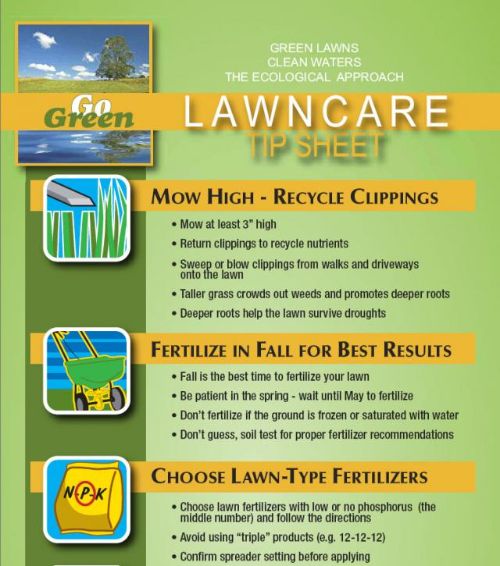
Deciphering Your Lawn’s Needs: Factors Influencing Fertilization Schedule
Several key factors dictate how often you should fertilize your lawn. Ignoring these can lead to over-fertilization, causing burn spots, weak growth, or nutrient runoff, or under-fertilization, resulting in a dull, sparse lawn.
Grass Type: The Foundation of Your Lawn Care
Different types of grass have different nutritional requirements and growth cycles. Knowing your grass type is the first step to creating an effective lawn care schedule.
-
Cool-Season Grasses: These grasses, like Kentucky bluegrass, perennial ryegrass, and fescues, thrive in cooler temperatures. They typically have two main growth spurts: one in the spring and another in the fall.
- Spring Fertilization: This application helps the grass recover from winter and prepare for active growth.
- Fall Fertilization: This is arguably the most crucial feeding for cool-season grasses, as it helps them store energy for winter and promotes root development.
- Summer: Be cautious with fertilization during hot summer months, as it can stress the grass. If you must fertilize, use a slow-release nitrogen product at a low nitrogen application rate.
- Late Fall (Dormant Feeding): This can be beneficial for cool-season grasses to provide nutrients for early spring green-up.
-
Warm-Season Grasses: These grasses, such as Bermuda grass, zoysia, and centipede grass, are most active during the warm summer months.
- Spring Fertilization: Wait until the grass has fully greened up and is actively growing. Early spring feeding can encourage weed growth before your grass is ready.
- Summer Fertilization: This is the prime time for feeding warm-season grasses. Multiple applications might be needed throughout the summer as they grow vigorously.
- Fall Fertilization: Avoid fertilizing warm-season grasses in the fall, as this can hinder their transition to dormancy and make them more susceptible to winter damage.
Fertilizing Bermuda grass is particularly important during its active growing season in the summer. It’s a heavy feeder and benefits from regular applications to maintain its dense, green appearance.
Climate and Local Weather Patterns
Your local climate plays a significant role in how often to fertilize grass.
- Regions with Distinct Seasons: Areas with cold winters and hot summers often follow the traditional cool-season/warm-season schedules.
- Mild Climates: In areas with less extreme temperature fluctuations, you might be able to fertilize more frequently, but always monitor the grass’s response.
- Drought Conditions: During periods of drought, it’s best to hold off on fertilizing. Fertilizer can exacerbate drought stress. Water your lawn deeply and infrequently if you must fertilize during dry spells.
Soil Health and Nutrient Levels
Healthy soil is the bedrock of a healthy lawn.
- Soil Test: The most accurate way to determine your lawn’s nutrient needs is through a soil test. Contact your local cooperative extension office for information on how to get your soil tested. A test will reveal deficiencies in essential nutrients like nitrogen, phosphorus, and potassium, as well as the soil’s pH.
- Soil pH: Most grasses prefer a soil pH between 6.0 and 7.0. If your soil is too acidic or too alkaline, nutrients won’t be available to the grass, no matter how much you fertilize. The soil test will guide you on whether you need to add lime (to raise pH) or sulfur (to lower pH).
Fertilizer Type: Slow-Release vs. Quick-Release
The type of fertilizer you choose significantly impacts lawn fertilization frequency.
- Quick-Release Fertilizers: These provide a rapid green-up but can also lead to quick nutrient depletion and a higher risk of burning the lawn if over-applied. They generally require more frequent applications at lower rates.
- Slow-Release Fertilizers: These are often preferred by homeowners and lawn care professionals. They release nutrients gradually over a longer period (e.g., 6-8 weeks or even longer), providing a steady supply of food to the grass. This reduces the risk of burning and allows for fewer applications. The slow-release fertilizer frequency is typically 2-3 applications per year for many grass types.
Establishing a Fertilization Schedule: When is the Best Time to Fertilize Lawn?
The best time to fertilize lawn depends on your grass type and geographic location. Here’s a general guideline:
Spring Lawn Fertilization
- Purpose: To kick-start growth after winter dormancy and build a strong foundation for the upcoming season.
- Timing for Cool-Season Grasses: Apply in mid-spring, usually around April or May, after the grass has started to green up but before the intense heat of summer arrives.
- Timing for Warm-Season Grasses: Wait until late spring or early summer when the grass has fully emerged from dormancy and is actively growing. Fertilizing too early can encourage weed growth.
Summer Fertilization
- Considerations: Summer can be stressful for lawns, especially cool-season grasses. Heat and drought can make them susceptible to damage from fertilizer.
- Cool-Season Grasses: If you fertilize, use a slow-release nitrogen product at a reduced rate and water thoroughly. Avoid fertilizing during extreme heat waves.
- Warm-Season Grasses: This is a prime feeding time. Apply fertilizer as needed throughout the summer, following the product’s instructions.
Fall Lawn Fertilization
- Purpose: Crucial for cool-season grasses to store energy for winter, promote root growth, and ensure early spring green-up.
- Timing for Cool-Season Grasses: The first application can be in early to mid-fall (September/October). A second application in late fall, just before the ground freezes (dormant feeding), is highly beneficial.
- Timing for Warm-Season Grasses: Avoid fertilizing in the fall. Let them go dormant naturally to prepare for winter.
Winter Fertilization (Dormant Feeding)
- Purpose: To provide a nutrient boost that will be available for early spring growth.
- Timing: Apply in late fall, after the grass has stopped growing but before the ground freezes solid. This is most beneficial for cool-season grasses.
How Often to Fertilize Grass: Putting It All Together
Let’s break down the lawn fertilization frequency based on common scenarios.
General Guidelines for Fertilization Frequency
- Cool-Season Grasses: 3-4 times per year is common.
- Early Spring
- Early Fall
- Late Fall (Dormant Feeding)
- Optional: Mid-Summer (use slow-release, low rate)
- Warm-Season Grasses: 2-3 times per year is usually sufficient.
- Late Spring/Early Summer
- Mid-Summer
- Late Summer (optional, depending on grass vigor and product used)
Example Lawn Care Schedule (Cool-Season Grasses)
| Season | Month Examples | Fertilizer Type Recommended | Key Purpose | Notes |
|---|---|---|---|---|
| Early Spring | April – May | Balanced (e.g., 10-10-10) or higher nitrogen | Green-up, recovery from winter, promote blade growth. | Wait until grass is actively growing. Avoid if weeds are already a problem, as it can also feed them. |
| Summer | June – August | Slow-release nitrogen, low nitrogen application rate | Maintain color and health during moderate temperatures. | Only fertilize if necessary. Use a slow-release product. Water thoroughly. Avoid fertilizing during extreme heat or drought. |
| Early Fall | September – October | Higher nitrogen, balanced (e.g., 20-5-10) | Root development, recovery from summer stress, prepare for winter. | This is a critical feeding for cool-season grasses. |
| Late Fall | November | High nitrogen, lower phosphorus/potassium | Winter hardiness, nutrient storage for early spring green-up (dormant feeding). | Apply after growth has stopped but before the ground freezes. This provides nutrients for the roots during the dormant period. |
Example Lawn Care Schedule (Warm-Season Grasses)
| Season | Month Examples | Fertilizer Type Recommended | Key Purpose | Notes |
|---|---|---|---|---|
| Late Spring | May – June | Balanced (e.g., 10-10-10) or higher nitrogen | Initiate active growth, encourage root development. | Wait until the grass is fully green and actively growing. |
| Mid-Summer | July – August | Higher nitrogen, balanced (e.g., 25-5-10) | Maintain vigorous growth and density. | Follow product instructions carefully. Ensure adequate watering. Fertilizing Bermuda grass often falls into this category for optimal performance. |
| Late Summer | August – September | Slow-release nitrogen | Maintain color and health as growth naturally slows. | Optional, depending on the lawn’s condition and desired appearance. Avoid heavy nitrogen applications late in the season. |
Achieving Optimal Results: Best Practices for Fertilization
Beyond the frequency, how you apply fertilizer is just as important.
Understanding Nitrogen Application Rate
The “N” in an N-P-K (Nitrogen-Phosphorus-Potassium) fertilizer analysis represents the percentage of nitrogen by weight. Nitrogen is the primary nutrient responsible for green growth and density.
- Recommended Nitrogen Rate: For most established lawns, a yearly nitrogen application of 0.75 to 1 pound of actual nitrogen per 1,000 square feet is generally recommended.
- Calculating Amount:
- If you have a 10-10-10 fertilizer, 10% is nitrogen.
- To apply 1 lb of nitrogen per 1,000 sq ft using 10-10-10, you need 10 lbs of product (1 lb N / 0.10 N content = 10 lbs product).
- Over-application Risks: Applying too much nitrogen can lead to:
- Lawn Burn: Brown, dead patches where the fertilizer was concentrated.
- Excessive Top Growth: Weak, spindly blades that are more susceptible to disease and drought.
- Shallow Root Systems: The grass focuses on blade growth at the expense of root development.
- Environmental Pollution: Excess nitrogen can leach into waterways.
Applying Fertilizer Correctly
- Use a Spreader: A broadcast spreader (for larger areas) or a drop spreader (for more precise application along edges) is essential for even distribution.
- Calibrate Your Spreader: Follow the fertilizer bag’s instructions for setting your spreader. Test it on a small, paved area first to ensure an accurate rate.
- Water In: Most fertilizers need to be watered in after application. This helps the nutrients reach the soil and reduces the risk of burning. Water until the fertilizer granules have dissolved.
- Avoid Fertilizing When Wet: Don’t apply fertilizer to a wet lawn (dew or recent rain), as it can stick to the blades and cause burning. It can also wash away.
- Sweep Off Hard Surfaces: If fertilizer lands on sidewalks or driveways, sweep it back onto the lawn. Fertilizer in waterways contributes to pollution.
The Role of Phosphorus and Potassium
While nitrogen gets much of the attention, phosphorus (P) and potassium (K) are also vital.
- Phosphorus (P): Crucial for root development, seedling growth, and flowering. Soil tests are the best guide for phosphorus needs, as excess can contribute to water pollution. Many starter fertilizers have higher phosphorus levels.
- Potassium (K): Important for overall plant health, disease resistance, drought tolerance, and winter hardiness. It helps regulate water within the plant.
Overseeding Frequency and Fertilization
Overseeding frequency can influence your fertilization strategy.
- Overseeding: This is the process of planting new grass seed into an existing lawn. It’s often done to thicken a lawn, introduce improved grass varieties, or repair bare patches.
- Fertilizing After Overseeding: It’s beneficial to apply a starter fertilizer when overseeding. This fertilizer typically has a higher phosphorus content to promote strong root establishment for the new seedlings.
- Fertilizing Existing Lawn Before Overseeding: If you plan to overseed in the fall, a good early fall fertilization of the existing lawn will help it recover from summer and be in better condition to receive the new seed.
Common Mistakes to Avoid
- Fertilizing Too Much: This is a very common mistake that can harm your lawn and the environment.
- Fertilizing at the Wrong Time: Applying fertilizer when the grass is dormant or stressed can be ineffective or damaging.
- Not Reading the Label: Always follow the specific instructions on the fertilizer packaging.
- Ignoring Soil Test Results: Relying solely on a schedule without considering soil needs can lead to imbalances.
- Using Only Quick-Release Fertilizers: While they offer fast results, they lack the long-term benefits and safety of slow-release options.
Frequently Asked Questions (FAQs)
Q1: Can I fertilize my lawn every month?
A1: Generally, no. Fertilizing every month is too frequent for most lawns and can lead to over-fertilization, resulting in burn, disease, and weak growth. Most lawns benefit from 2-4 applications per year, depending on grass type and climate.
Q2: What is the best fertilizer for my lawn?
A2: The “best” fertilizer depends on your grass type, soil test results, and the time of year. For established lawns, a balanced fertilizer (e.g., 10-10-10) or one with a higher nitrogen content (e.g., 20-5-10) is common. Using a slow-release nitrogen fertilizer is highly recommended for consistent feeding and reduced risk of burn. Always check your soil test for specific nutrient deficiencies.
Q3: How do I know if my lawn needs fertilizer?
A3: Signs your lawn might need fertilizer include a pale green or yellowish color, slow growth, thin patches, and reduced resilience to stress (like foot traffic or drought). However, relying on visual cues alone can be misleading. A soil test is the most reliable way to determine nutrient needs.
Q4: What happens if I fertilize my lawn too much?
A4: Over-fertilizing can cause lawn burn (brown, dry patches), excessive weak top growth, shallow root systems, increased susceptibility to pests and diseases, and can contribute to environmental pollution through nutrient runoff.
Q5: When should I fertilize my Bermuda grass?
A5: Fertilize Bermuda grass when it is actively growing. This typically means waiting until late spring or early summer, after the grass has fully emerged from dormancy and turned green. You can apply fertilizer throughout the summer, but avoid late-season applications in the fall as it can hinder winter dormancy.
By following this comprehensive guide, you can confidently determine the right lawn fertilization frequency and timing to keep your grass healthy, vibrant, and resilient throughout the seasons. Remember, a little knowledge goes a long way in achieving that perfect lawn.