
Image Source: greenpal-production.s3.amazonaws.com
How Do You Start A Lawn Care Business?
You start a lawn care business by developing a solid lawn care business plan, securing the necessary equipment for lawn care business, understanding the legal requirements for lawn care business, and effectively marketing a lawn care business to attract clients. Becoming a lawn care professional involves dedication to quality service and continuous learning.
Embarking on the journey of starting a landscaping business or a dedicated lawn care venture can be incredibly rewarding. It’s a path that offers independence, a chance to work outdoors, and the satisfaction of transforming and maintaining beautiful outdoor spaces. Many people wonder, “How do you start a lawn care business?” The answer lies in a structured approach, combining practical steps with strategic planning. This guide will walk you through each crucial stage, from initial concept to operational success.
Laying the Foundation: Your Lawn Care Business Plan
A lawn care business plan is your roadmap to success. It’s not just a document for potential investors; it’s your guide for making informed decisions. Think of it as the blueprint for your entire operation.
Defining Your Services and Target Market
What specific lawn maintenance services will you offer? This could range from basic mowing and trimming to more specialized services like aeration, fertilization, weed control, or even seasonal cleanups. Your target market will influence your service offerings. Are you aiming for residential homeowners, commercial properties, or perhaps a niche like condominium complexes?
- Core Services:
- Mowing
- Edging
- Trimming
- Blowing walkways and driveways
- Additional Services:
- Fertilization and weed control
- Aeration and overseeding
- Spring and fall cleanups
- Hedge trimming and pruning
- Mulching
- Leaf removal
- Snow removal (seasonal expansion)
Market Research: Know Your Competition and Customers
Before you invest heavily, research your local market. Who are your competitors? What are they charging? What services do they excel at? Equally important is understanding your potential customers. What are their needs and expectations regarding lawn care? This research will help you find your unique selling proposition.
Financial Projections and Funding
A critical part of your lawn care business plan involves detailing your lawn care business startup costs. This includes initial investments in equipment, insurance, marketing, and operational expenses. You’ll also need to project your revenue and expenses to understand your potential profitability. How will you fund these startup costs? Options include personal savings, loans from financial institutions, or even small business grants.
Gathering Your Arsenal: Equipment for Lawn Care Business
The right equipment for lawn care business is essential for efficiency and professionalism. While you can start with basic tools, investing in quality equipment will pay off in the long run.
Essential Equipment for a New Lawn Care Business
When you’re starting a landscaping business focused on lawns, you’ll need a reliable set of tools. Consider purchasing commercial-grade equipment for durability and performance.
- Mowers:
- Riding Mower: For larger properties, a zero-turn mower offers speed and maneuverability.
- Walk-behind Mower: A more affordable option for smaller yards and detailed work.
- Trimmers and Edgers:
- String Trimmer (Weed Eater): For trimming grass around obstacles and beds.
- Edger: To create clean, crisp lines along sidewalks, driveways, and garden beds.
- Blowers:
- Backpack Blower: Powerful and efficient for clearing debris quickly.
- Handheld Blower: Suitable for smaller areas.
- Hand Tools:
- Shovels
- Rakes
- Pruning shears
- Hedge trimmers
- Transportation:
- Trailer and Truck: To transport your equipment safely and efficiently.
- Safety Gear:
- Safety glasses
- Hearing protection
- Work gloves
- Steel-toe boots
Leasing vs. Buying Equipment
For lawn care business startup costs, consider whether to lease or buy your equipment. Leasing can reduce upfront expenses, allowing you to use newer equipment more frequently. However, buying offers ownership and can be more cost-effective in the long run if you plan to keep the equipment for an extended period.
Navigating the Legal Landscape: Legal Requirements for Lawn Care Business
Compliance with legal requirements for lawn care business is paramount to avoid penalties and ensure smooth operation. This often involves registering your business and obtaining necessary licenses and permits.
Business Registration and Structure
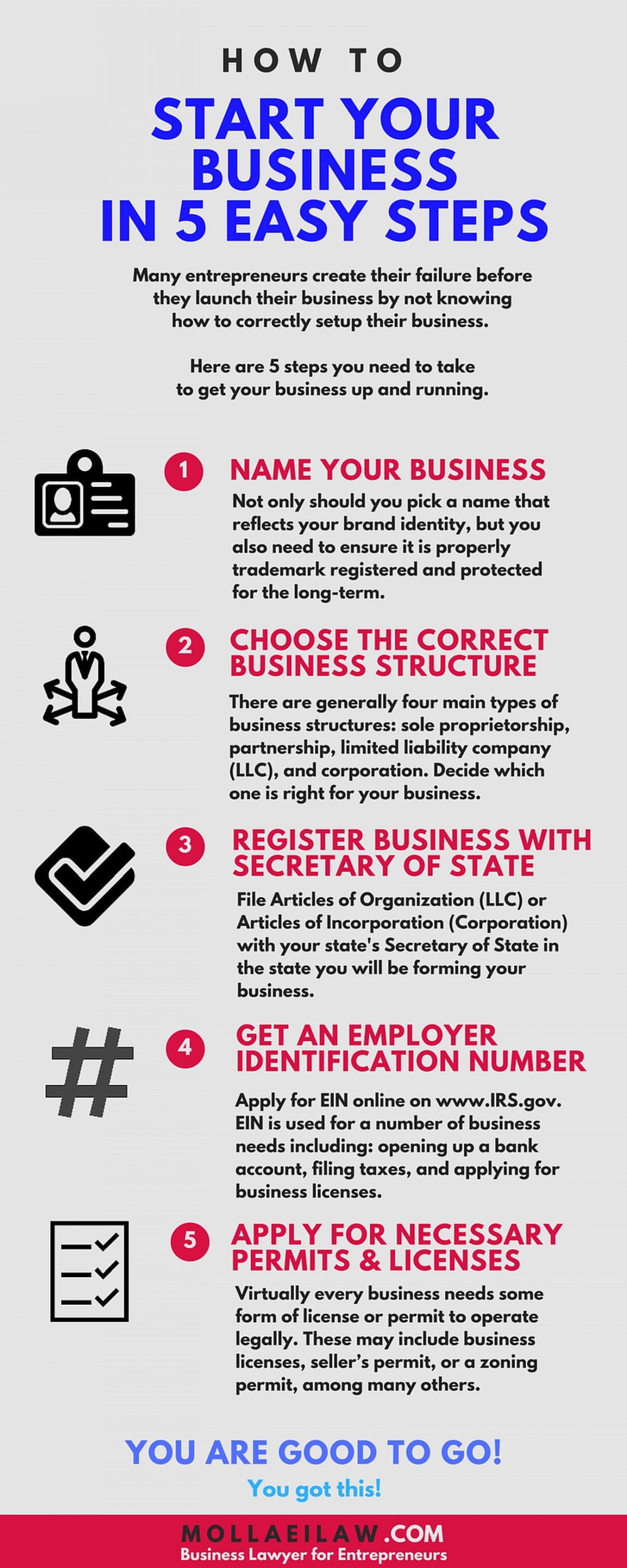
You’ll need to decide on a business structure. Common options include:
- Sole Proprietorship: Simple to set up, but you are personally liable for business debts.
- Partnership: Similar to a sole proprietorship, but with two or more owners.
- Limited Liability Company (LLC): Offers liability protection, separating personal assets from business debts.
- Corporation: More complex structure, offering the strongest liability protection.
Register your business name with your state and local government. You may also need an Employer Identification Number (EIN) from the IRS if you plan to hire employees.
Licenses and Permits
The specific licenses and permits required vary by state and locality. Common requirements include:
- General Business License: Most cities and counties require a basic business license to operate.
- Pesticulacides/Herbicide Applicator License: If you plan to offer chemical treatments like weed control or pest management, you will likely need an applicator license. This often involves passing an exam and continuing education.
- Contractor’s License: In some areas, lawn care and landscaping services may fall under contractor licensing requirements.
It’s crucial to contact your local city hall, county clerk’s office, and state department of agriculture or licensing boards to determine the exact requirements in your area.
Insurance: Protecting Your Business
Adequate insurance is non-negotiable for starting a landscaping business. It protects you from financial loss due to accidents, injuries, or property damage.
- General Liability Insurance: Covers third-party bodily injury or property damage caused by your business operations.
- Workers’ Compensation Insurance: Required if you have employees, covering medical expenses and lost wages if an employee is injured on the job.
- Commercial Auto Insurance: Covers vehicles used for your business.
- Inland Marine Insurance: Covers your equipment while it’s being transported.
Pricing Your Services: Pricing Lawn Care Services Strategically
Determining your pricing lawn care services is a delicate balance between being competitive and ensuring profitability.
Methods for Pricing Lawn Care Services
There are several common approaches to pricing:
- By the Hour: Charge a set rate for each hour worked. This is simple but can be unpredictable for clients.
- By the Job (Fixed Price): Provide a quote for the entire service before starting. This gives clients certainty but requires accurate estimation.
- Per Square Foot: Calculate pricing based on the size of the property. This is common for mowing.
Consider the following factors when setting your prices:
- Cost of Labor: Your hourly wage plus employee wages (if applicable).
- Equipment Costs: Depreciation, maintenance, and fuel.
- Overhead Expenses: Insurance, marketing, administrative costs.
- Market Rates: What are competitors charging?
- Perceived Value: What is the quality of your service worth to the customer?
Creating Service Packages
Offering tiered service packages can cater to different customer needs and budgets. For example:
- Basic Maintenance: Weekly mowing, trimming, and blowing.
- Seasonal Care: Includes basic maintenance plus spring/fall cleanups and aeration.
- Premium Care: Comprehensive services, including fertilization, pest control, and shrub trimming.
Finding Your First Clients: How to Get Lawn Care Clients
Attracting your first clients is vital for generating revenue and building a reputation. Effective marketing a lawn care business is key here.
Local Marketing Strategies
Focus on reaching people in your service area.
- Door-to-Door Flyers: Distribute professional-looking flyers in your target neighborhoods.
- Vehicle Wraps/Decals: Turn your work vehicles into mobile billboards.
- Yard Signs: Ask satisfied clients if you can place a sign in their yard for a period.
- Local SEO: Optimize your website and online listings (Google My Business) so people searching for “lawn care near me” can find you.
- Community Involvement: Sponsor local events or join local business associations.
- Referral Programs: Encourage existing clients to refer new customers with incentives.
Digital Marketing
In today’s world, an online presence is crucial.
- Professional Website: Showcase your services, pricing, testimonials, and contact information.
- Social Media Marketing: Use platforms like Facebook and Instagram to share before-and-after photos, tips, and promotions. Engage with local community groups online.
- Online Advertising: Consider Google Ads or social media ads targeting your local area.
Building Relationships and Trust
Becoming a lawn care professional means building trust with your clients. Excellent customer service, reliability, and consistent quality are your best marketing tools. Respond promptly to inquiries, arrive on time, and communicate clearly.
Mastering Your Craft: Becoming a Lawn Care Professional
Becoming a lawn care professional is more than just owning equipment; it’s about expertise, dedication, and continuous improvement.
Education and Training
While formal education isn’t always required, learning about turf management, proper mowing techniques, pest and disease identification, and plant health is invaluable. Many states offer certification programs for pesticide applicators, which can enhance your credibility.
Building a Reputation for Quality
- Attention to Detail: Mow at the correct height, edge meticulously, and leave properties spotless.
- Reliability: Show up on time for scheduled appointments and complete jobs efficiently.
- Customer Communication: Keep clients informed about services, schedules, and any potential issues.
- Professionalism: Maintain a clean appearance, well-maintained equipment, and a professional demeanor.
Scaling Your Business
Once established, consider how you want to grow. This might involve hiring employees, expanding your service area, or adding more specialized services like landscape design or installation. Each step requires careful planning and reinvestment.
Frequently Asked Questions (FAQ)
Q1: What are the typical lawn care business startup costs?
A: Lawn care business startup costs can vary widely but typically range from $2,000 to $10,000 or more, depending on the quality and quantity of equipment purchased, insurance, licensing fees, and initial marketing efforts.
Q2: Do I need special licenses to start a lawn care business?
A: It depends on your location and the services you offer. You will likely need a general business license. If you plan to apply pesticides or herbicides, an applicator license is usually required. Always check with your local and state authorities.
Q3: How do I determine pricing for my lawn care services?
A: You can price lawn care services by the hour, by the job, or by the square foot. Consider your costs (labor, equipment, overhead), competitor pricing, and the value you provide. Offering service packages can also be beneficial.
Q4: What is the most important piece of equipment for a lawn care business?
A: While a good mower is crucial, reliability and efficiency are key. A commercial-grade mower, whether a riding mower for larger areas or a robust walk-behind, is often considered the most important initial investment.
Q5: How do I get lawn care clients when I’m just starting?
A: Focus on local marketing efforts like flyers, yard signs, vehicle advertising, and excellent word-of-mouth referrals. Building a professional website and utilizing local SEO are also vital for attracting how to get lawn care clients.
Starting a lawn care business is a tangible goal that, with diligent planning and execution, can lead to a thriving and satisfying career. By following these steps, you’ll be well on your way to becoming a lawn care professional and building a successful enterprise.