
The typical lawn mower can travel between 1 mph and 5 mph, with most lawn mower speed falling around 2-3 mph for push mowers and 3-5 mph for riding mowers. This guide will explore the nuances of lawn mower speed, covering everything from the simple push mower to the powerful zero-turn mower. We’ll delve into the average lawn mower mph for different types, discuss factors influencing speed, and help you determine how fast should a mower go for your specific needs.
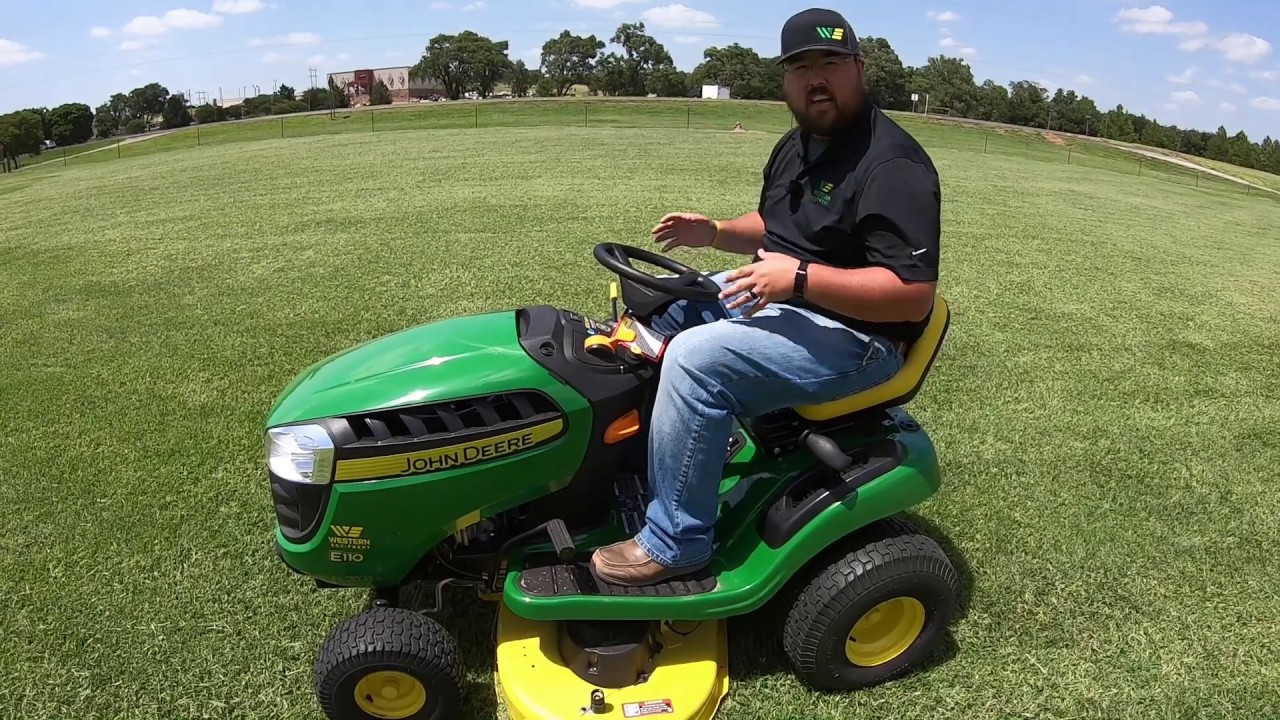
Image Source: i.ytimg.com
Deciphering Lawn Mower Speed: A Comprehensive Look
When you think about mowing the lawn, speed might not be the first thing that comes to mind. Yet, the pace at which your mower moves significantly impacts your mowing experience, efficiency, and even the quality of the cut. Understanding the various factors that contribute to a mower’s speed, and the differences between types, can help you make informed decisions whether you’re buying a new mower or simply curious about your current one.
The Pace of Progress: Comparing Mower Types
Lawn mowers come in many shapes and sizes, each designed for different lawn sizes and user preferences. The most common distinctions are between push mowers and riding mowers, and within those, between gas and electric power sources.
Push Mowers: The Classic Workhorse
Push mowers are the traditional choice for smaller to medium-sized lawns. They require the user to physically push them forward.
- Gas Push Mowers: These are generally the most powerful type of push mower. They offer a good balance of speed and torque.
- Typical Speed: The average lawn mower mph for a gas push mower typically ranges from 1.5 mph to 3.5 mph. Some higher-end models might offer slightly more.
- Factors Affecting Speed: Engine size, terrain (flat vs. hilly), grass length and thickness, and whether the mower has self-propulsion all play a role. Self-propelled gas mowers can often maintain a more consistent speed, sometimes closer to the higher end of this range.
- Electric Push Mowers (Corded and Cordless): Electric mowers are becoming increasingly popular due to their quieter operation and lower maintenance.
- Typical Speed: Electric push mowers generally have a slightly lower top speed than their gas counterparts, usually falling between 1 mph and 3 mph.
- Factors Affecting Speed: Battery power and charge level (for cordless), motor strength, and the same terrain and grass conditions apply. Corded electric mowers can offer a more consistent power delivery.
Riding Mowers: Covering More Ground
Riding mowers are designed for larger properties, allowing the operator to sit and steer. They offer a more comfortable and efficient way to mow expansive areas.
- Lawn Tractors: These are the most common type of riding mower. They resemble small tractors and are versatile enough for mowing and light yard work.
- Typical Speed: Lawn tractors typically have a top speed lawn mower range of 3 mph to 5.5 mph. Some models may offer higher speeds.
- Factors Affecting Speed: Engine horsepower, transmission type (manual or hydrostatic), tire size, and terrain are key determinants of speed. Hydrostatic transmissions allow for infinite speed adjustment within the mower’s range, offering a smoother experience.
- Zero-Turn Mowers: Known for their exceptional maneuverability, zero-turn mowers can pivot on their own axis, allowing them to cut around obstacles with precision.
- Typical Speed: Zero-turn mower speed is often significantly higher than traditional riding mowers. They can commonly reach 5 mph to 8 mph, with some high-performance models exceeding 10 mph.
- Factors Affecting Speed: Engine power, transmission quality (commercial-grade transmissions often allow for higher speeds), tire grip, and operator skill are crucial. The “zero-turn” capability doesn’t directly affect forward speed but impacts how quickly you can change direction and continue mowing.
Powering the Pace: Gas vs. Electric
The choice between gas and electric power influences not only the environmental impact and maintenance but also the mower’s performance and speed.
Gas Mowers: The Powerhouse
Gas engines have historically offered the most power, translating to potentially higher speeds and better performance in challenging conditions.
- Gas Mower Speed: Across all types (push and rider), gas mowers generally offer a wider speed range and the potential for higher top speeds compared to electric counterparts, particularly in the rider category.
- Push Gas Mowers: 1.5 mph – 3.5 mph.
- Riding Gas Mowers (Tractors): 3 mph – 5.5 mph.
- Zero-Turn Gas Mowers: 5 mph – 10+ mph.
- Benefits: More power for thick grass, ability to handle inclines better, no need to recharge, quick refueling.
- Drawbacks: Louder operation, emissions, more maintenance (oil changes, spark plugs), heavier.
Electric Mowers: The Quiet Revolution
Electric mowers are gaining ground, offering a cleaner, quieter, and often lighter alternative.
- Electric Mower Speed: While catching up, electric mowers, especially push models, tend to have a slightly lower top speed than comparable gas models.
- Push Electric Mowers: 1 mph – 3 mph.
- Riding Electric Mowers (less common, but growing): Speeds can vary widely, but many are comparable to gas tractors, often in the 3 mph – 5 mph range, though high-end models are emerging.
- Benefits: Quieter, no emissions, less maintenance, lighter weight (for push models), easier to start.
- Drawbacks: Limited run time (cordless), need for charging, potentially less power for very demanding conditions, higher upfront cost for some models.
Zero-Turn Mowers: A Special Case of Speed
Zero-turn mowers stand out in the speed department. Their unique steering system, which uses two independent levers to control the rear wheels, allows for incredible agility and faster mowing times.
- Zero Turn Mower Speed: As mentioned, these are the speedsters of the lawn mower world.
- Average MPH: Expect speeds between 5 mph and 8 mph for most residential zero-turn models.
- Commercial/High-End: These can easily push 10 mph or even 12 mph.
- Why are they faster?
- Powerful Engines: Often equipped with larger, more robust gas engines.
- Advanced Transmissions: Hydrostatic transmissions are standard and optimized for speed and responsiveness.
- Blade Speed vs. Ground Speed: The cutting deck spins its blades at a high RPM regardless of ground speed, ensuring a clean cut even at higher forward velocities. This is a key aspect of their lawn mower performance.
- Maneuverability: The ability to turn on a dime means less time spent repositioning and more time cutting.
Factors Influencing Lawn Mower Speed
Several elements can influence how fast your lawn mower actually travels across your yard. It’s not just about the manufacturer’s stated top speed; real-world conditions matter.
Engine Power and Size
The heart of any mower, the engine, dictates its potential speed and ability to maintain it.
- Gas Engines: Measured in cubic centimeters (cc) for smaller engines or horsepower (HP) for larger ones. Higher cc or HP generally means more power and a higher potential speed, especially when encountering resistance.
- Electric Motors: Measured in watts or volts/amperage. Similar to gas, higher wattage or voltage/amperage generally indicates a more powerful motor capable of higher speeds.
Transmission Type
The transmission connects the engine to the wheels and is a major factor in how speed is managed and delivered.
- Manual/Gear Transmissions: Found on some older or simpler riding mowers. They have fixed gears, similar to a car, requiring the operator to shift to change speed.
- Automatic/Friction Drive: Common on very basic self-propelled mowers. Speed is often controlled by a lever that adjusts how a belt engages with a wheel.
- Hydrostatic Transmissions: The most common and preferred type on modern riding mowers and zero-turn mowers. They use a hydraulic system to provide a continuous range of speeds. You adjust speed with a foot pedal or lever, allowing for smooth acceleration and deceleration, and the ability to precisely control how fast should a mower go for optimal cutting.
Terrain and Slope
The ground you’re mowing on has a significant impact.
- Flat, Smooth Surfaces: Mowers will perform at or near their advertised top speed.
- Uneven or Bumpy Ground: Can significantly slow down a mower, especially lighter push models. The suspension (or lack thereof) on riding mowers also plays a role.
- Inclines: Going uphill will naturally reduce your mower’s speed, requiring more power from the engine. Going downhill can increase speed, so caution and controlled braking are necessary.
Grass Conditions
The state of your lawn affects mower performance.
- Long, Thick Grass: Requires more power to cut, which can bog down an engine and reduce ground speed, especially on mowers with less power.
- Wet Grass: Can be heavier and more resistant to cutting, also potentially slowing the mower.
- Densely Packed Grass: Similar to thick grass, it demands more from the mower’s engine and cutting deck.
Mower Weight and Tire Grip
- Weight: Heavier mowers, particularly riders, often have more stable traction, allowing them to maintain speed better on various surfaces. Lighter push mowers can be easier to maneuver but may struggle for traction on slopes.
- Tire Tread and Pressure: Proper tire inflation and aggressive tread patterns can improve grip, preventing slippage and allowing the mower to move more efficiently.
Cutting Deck Engagement
When the mower blades are engaged, they draw power from the engine.
- Blades Engaged: Will generally reduce the maximum forward speed the mower can achieve, especially on less powerful models.
- Blades Disengaged: Allows the mower to travel at its maximum potential speed.
Optimizing Your Mowing Speed
Knowing how fast your mower goes is one thing; using that knowledge to mow efficiently is another.
Matching Speed to the Task
- For a Clean Cut: The goal isn’t always to go as fast as possible. Many mowers provide the cleanest cut at a moderate, consistent speed that allows the blades enough time to efficiently slice through the grass. Over-speeding can lead to uneven cuts, tearing rather than cutting the grass, and stressing the mower.
- For Efficiency: On large, open, flat areas with light grass, you might be able to utilize your mower’s higher speed settings to finish the job faster.
- For Maneuvering: Around obstacles, flower beds, or trees, a slower, more controlled speed is essential. This is where the maneuverability of a zero-turn mower truly shines, allowing quick turns without sacrificing cutting progress.
How Fast Should a Mower Go?
The ideal speed is a balance. For most push mowers, a comfortable walking pace (around 2-3 mph) is perfect. For riding mowers, it depends on the model and conditions, but typically you’ll find a good rhythm between 3-5 mph. Zero-turn mowers can often be pushed faster, but always prioritize a clean cut and safety over sheer speed.
Maintaining Your Mower for Optimal Performance
Regular maintenance is key to ensuring your mower operates at its best and maintains its intended speed.
- Sharpen Blades: Dull blades tear grass and make the engine work harder, reducing speed and cut quality.
- Check Oil and Air Filter (Gas Mowers): A well-lubricated and clean-filtered engine runs more efficiently.
- Keep it Clean: Remove grass clippings and debris from the deck and engine area to prevent overheating and ensure free movement.
- Tire Pressure: Ensure tires are properly inflated for optimal traction and handling.
Lawn Mower Speed Specifications: A Quick Reference
To help clarify, here’s a table summarizing typical speeds. Remember these are general estimates and can vary significantly by model and manufacturer.
| Mower Type | Typical Speed Range (mph) | Notes |
|---|---|---|
| Gas Push Mower | 1.5 – 3.5 | Self-propelled models are often at the higher end. |
| Electric Push Mower | 1 – 3 | Consistent power, especially corded models. |
| Gas Lawn Tractor | 3 – 5.5 | Hydrostatic transmission offers smooth speed control. |
| Gas Zero-Turn Mower | 5 – 10+ | High maneuverability and powerful engines contribute to higher speeds. |
| Electric Riding Mower | 3 – 5 (emerging) | Growing category, performance varies greatly by model. |
Beyond the MPH: Other Aspects of Lawn Mower Performance
While speed is important, several other aspects contribute to overall lawn mower performance:
- Cutting Width: A wider deck means fewer passes, reducing overall mowing time.
- Cutting Height Adjustment: The ease and range of height adjustment affect your ability to maintain the lawn at the desired length.
- Turning Radius: Crucial for maneuverability, especially in yards with many obstacles. Zero-turn mowers excel here.
- Ergonomics: Seat comfort, steering wheel feel, and control placement impact the user experience.
- Durability: The build quality and materials used determine how long the mower will last and its ability to withstand regular use.
Frequently Asked Questions (FAQ)
Q1: What is the average lawn mower mph?
The average lawn mower mph varies by type. Push mowers typically range from 1.5 to 3.5 mph, while riding mowers can go from 3 to 5.5 mph. Zero-turn mowers are the fastest, often reaching speeds of 5 to 10 mph or more.
Q2: Can I make my lawn mower go faster?
For most mowers, especially push models, modifications to significantly increase speed are not recommended and can void warranties or even be dangerous. Riding mowers with hydrostatic transmissions offer the most flexibility in speed control within their designed range. Altering the engine or transmission could compromise the mower’s ability to cut effectively and safely.
Q3: How fast does a zero-turn mower go?
Zero-turn mowers are designed for speed and agility. Their typical speed range is between 5 mph and 10 mph, with some high-performance or commercial models capable of exceeding 12 mph.
Q4: Does electric mower speed differ from gas mower speed?
Generally, yes. Electric push mowers often have a slightly lower top speed than gas push mowers. While electric riding mowers are improving, gas riding mowers, particularly zero-turn models, still tend to offer higher top speeds due to engine power and transmission technology.
Q5: What affects my lawn mower’s speed?
Several factors influence lawn mower speed, including engine power, transmission type, terrain (slopes, bumps), grass length and thickness, tire condition, and whether the cutting blades are engaged.
Q6: How fast should a mower go for the best cut?
The ideal mowing speed is not always the fastest speed. A moderate, consistent pace allows the mower blades enough time to cut the grass cleanly, preventing tearing and ensuring an even finish. For most mowers, this is around 2-3 mph for push models and 3-5 mph for riders.
This comprehensive guide should help you better grasp the various speeds associated with different lawn mower types and the factors that influence them. Happy mowing!