
Can you put lime on your lawn? Yes, you can, and often, you should! Lime is a vital soil amendment used to correct soil acidity and improve grass health. This comprehensive guide will delve into the “why” behind liming your lawn, explaining its benefits, how to determine if your lawn needs it, and the best practices for application.
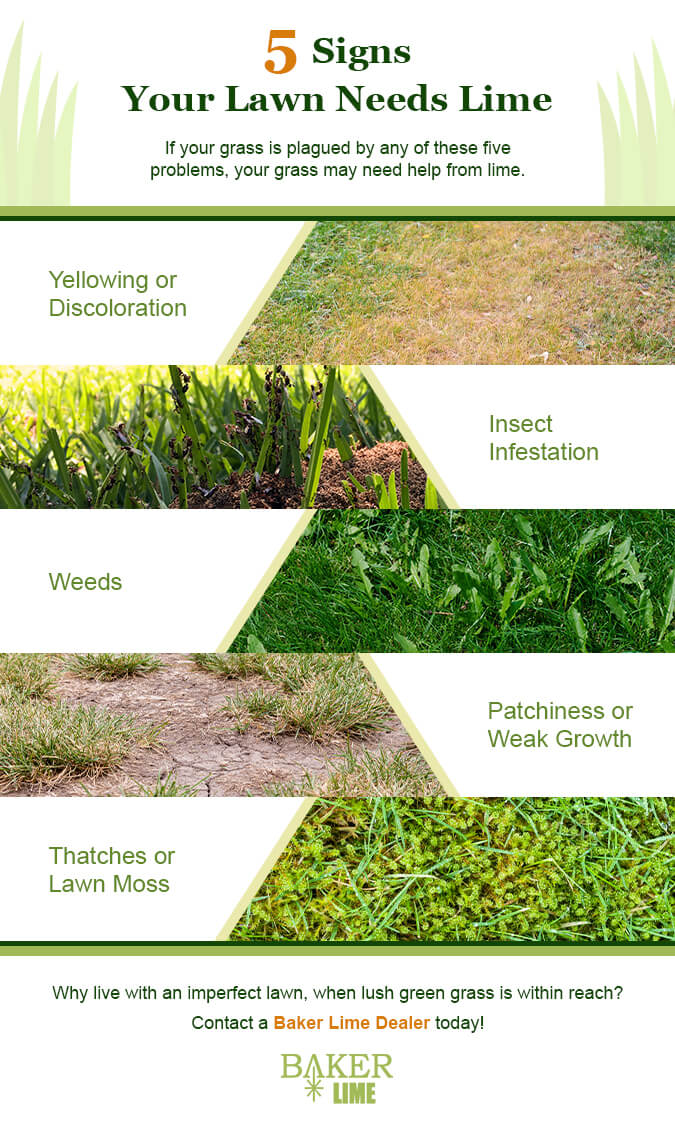
Image Source: www.bakerlime.com
The Crucial Role of Lawn pH
What is lawn pH? Lawn pH refers to the acidity or alkalinity of your soil. It’s measured on a scale from 0 to 14, with 7 being neutral. Values below 7 indicate acidic soil, and values above 7 indicate alkaline soil. Most turfgrasses thrive in a slightly acidic to neutral soil pH range, typically between 6.0 and 7.0.
Why does lawn pH matter for grass health? Soil pH directly impacts the availability of essential nutrients for your grass. When the pH is too low (too acidic), it can lock up vital nutrients like phosphorus, potassium, and calcium, making them unavailable for uptake by grass roots. This leads to nutrient deficiencies, stunted growth, and a weakened lawn susceptible to diseases and weeds. Conversely, overly alkaline soil can also hinder nutrient absorption, though this is less common in many regions. Maintaining the correct pH is a cornerstone of healthy, vibrant turf.
Deciphering Soil Acidity: When is Liming Necessary?
How do I know if my soil is too acidic? The most reliable way to determine if your lawn needs lime is through soil testing. Local agricultural extension offices or reputable garden centers offer affordable soil testing services. These tests will not only tell you your soil’s pH but also provide recommendations for specific nutrient needs and the type and amount of lime required.
What are the signs of acidic soil? While a soil test is definitive, several visual cues can suggest your soil might be too acidic:
- Poor grass growth: Despite adequate watering and fertilization, your lawn struggles to establish or maintain dense growth.
- Increased weed presence: Certain weeds, like clover, dandelions, and crabgrass, often thrive in more acidic conditions.
- Moss growth: Moss commonly colonizes areas where the grass is weak and the soil is acidic.
- Yellowing grass (chlorosis): This can indicate a deficiency in nutrients that are locked up by acidic soil.
- Compacted soil: Acidic soils can sometimes contribute to soil compaction, hindering root development and water penetration.
Common Causes of Soil Acidity
Several factors can contribute to soil acidity:
- Rainfall: In regions with high rainfall, essential alkaline minerals like calcium and magnesium can be leached out of the soil over time.
- Decomposing organic matter: As organic materials decompose, they release organic acids, which can lower soil pH.
- Nitrogen fertilizers: The overuse of certain nitrogen fertilizers can also contribute to soil acidification.
- Certain soil types: Some soils, particularly those with a high proportion of peat or sandy materials, are naturally more prone to acidity.
The Benefits of Liming Your Lawn
Lime acts as a soil amendment, primarily by neutralizing soil acidity. This process, often referred to as liming, brings the soil pH closer to the optimal range for grass growth. Here’s a breakdown of the key benefits:
1. Nutrient Availability Boost
- Unlocking essential elements: By raising the soil pH, lime makes vital nutrients like phosphorus, potassium, calcium, and magnesium more available for uptake by grass roots. This prevents nutrient deficiencies and promotes robust growth.
- Improving fertilizer efficiency: When nutrients are readily available, your fertilizers work more effectively, giving you more “bang for your buck.”
2. Enhanced Soil Structure and Microbial Activity
- Improved aeration and drainage: As soil pH increases, soil particles tend to aggregate, creating larger pore spaces. This leads to better aeration (oxygen availability for roots) and improved drainage, preventing waterlogged conditions.
- Stimulating beneficial microbes: A neutral soil pH fosters a healthy environment for beneficial soil microorganisms, such as bacteria and fungi. These microbes play a crucial role in nutrient cycling and breaking down organic matter, further enriching the soil.
3. Promoting Stronger Root Development
- Deeper root systems: When soil conditions are optimal, grass roots can grow deeper into the soil, making the lawn more resilient to drought and heat stress.
- Better water and nutrient uptake: Deeper roots can access more water and nutrients, leading to a healthier and more vigorous lawn.
4. Weed and Disease Resistance
- Creating an unfavorable environment for weeds: Many common lawn weeds prefer acidic soil. By raising the pH, you make the soil less hospitable to these unwanted plants, giving your grass a competitive advantage.
- Strengthening grass against disease: A healthy, well-nourished lawn with access to all necessary nutrients is inherently more resistant to common lawn diseases.
Types of Lime: What’s the Difference?
When you head to the garden center or farm supply store, you’ll encounter different types of lime. The most common forms are:
Agricultural Lime (Calcitic Lime)
- Composition: Primarily composed of calcium carbonate (CaCO₃).
- Benefits: Excellent source of calcium for plant nutrition. It’s effective at raising soil pH.
- Considerations: It acts more slowly than some other forms of lime.
Magnesium Lime (Magnesian Lime or Dolomitic Lime)
- Composition: A mix of calcium carbonate and magnesium carbonate (CaCO₃·MgCO₃). It is also known as dolomitic lime.
- Benefits: Provides both calcium and magnesium to the soil. Magnesium is a crucial component of chlorophyll, essential for photosynthesis.
- Considerations: If your soil already has sufficient magnesium levels (which can be determined by a soil test), using dolomitic lime might not be necessary and could lead to a magnesium imbalance. It also tends to react slightly faster than calcitic lime.
Pure Limestone
- Composition: Primarily calcium carbonate (CaCO₃).
- Benefits: Provides calcium and raises pH.
- Considerations: Similar to agricultural lime in its action.
Quicklime and Hydrated Lime
- Composition: These are processed forms of lime that are much more reactive. Quicklime is calcium oxide (CaO), and hydrated lime is calcium hydroxide (Ca(OH)₂).
- Benefits: They raise soil pH very rapidly.
- Considerations: These should NOT be used on established lawns. They are highly caustic and can damage or kill grass if applied incorrectly. Their use is generally limited to specific soil conditioning processes before planting.
Choosing the Right Lime:
Your soil testing results are the best guide. If your soil is deficient in magnesium, dolomitic lime is a good choice. If magnesium levels are adequate, calcitic lime (agricultural lime) is perfectly suitable.
The Science Behind Lime Application: How it Works
Lime works through a chemical reaction in the soil. The calcium and magnesium compounds in lime react with the acidic components of the soil. This reaction effectively neutralizes the excess hydrogen ions (H+) that cause acidity, thereby increasing the soil’s pH.
- Calcium Carbonate (CaCO₃) + 2H⁺ → Ca²⁺ + H₂O + CO₂
- Magnesium Carbonate (MgCO₃) + 2H⁺ → Mg²⁺ + H₂O + CO₂
Essentially, the calcium and magnesium ions from the lime replace the hydrogen ions on the soil’s cation exchange sites. These hydrogen ions then react with the carbonate ions to form water and carbon dioxide, removing acidity from the soil solution.
When and How to Apply Lime to Your Lawn
The timing and method of lime application are critical for success and to avoid harming your lawn.
Best Times for Lime Application
- Fall: This is often considered the ideal time. The soil is moist, and the soil microbes are still active enough to begin the breakdown process. The lime has several months to work before the peak growing season.
- Early Spring: Applying lime in early spring, before significant new growth begins, is also a good option.
- Avoid Peak Heat and Drought: Do not apply lime during hot, dry weather, as it can stress the grass.
How to Apply Lime: Step-by-Step
- Perform a Soil Test: As mentioned, this is the crucial first step. It tells you if you need lime and how much.
- Choose the Right Lime: Based on your soil test results, select either calcitic lime (agricultural lime) or dolomitic lime.
- Calculate the Amount: Follow the recommendations from your soil test. Over-liming can be as detrimental as under-liming.
- Use a Spreader: Lime is typically applied using a broadcast spreader (rotary or drop spreader).
- Broadcast Spreader: Distributes lime in a circular pattern. Adjust the spreader settings according to the lime product’s packaging or your soil test recommendations.
- Drop Spreader: Distributes lime in a narrow band directly below the spreader. This offers more precise application but can be slower.
- Apply Evenly: Walk at a steady pace and overlap your passes slightly to ensure uniform coverage. Uneven application can lead to localized areas of pH imbalance.
- Water In: Lightly water the lawn after application. This helps to wash the lime off the grass blades and move it into the soil, initiating the reaction.
Application Rates and Frequency
- Rate: Application rates vary significantly based on your soil’s current pH, desired pH, soil type, and the type of lime used. Soil tests will provide specific rates. A common recommendation might be 50-100 pounds of lime per 1,000 square feet per application, but always defer to your soil test.
- Frequency: Lime works slowly. It’s generally not recommended to apply more than 50 pounds per 1,000 square feet at one time. If a larger amount is needed, it’s better to split the application into two doses, with a few months between each. Most lawns only need liming every 1-3 years, depending on the soil’s buffering capacity and environmental factors.
What Happens if You Don’t Lime (When Needed)?
If your soil is too acidic and you neglect liming, your lawn will likely suffer.
- Poor Nutrient Uptake: Grass will struggle to absorb essential nutrients, leading to pale, weak growth.
- Increased Susceptibility: The lawn becomes more vulnerable to pests, diseases, and environmental stresses like heat and drought.
- Dominance of Weeds and Moss: Acid-loving weeds and moss will likely outcompete your grass, leading to a less attractive and less functional lawn.
- Wasted Fertilizer Investment: Fertilizers will be less effective, meaning you’re essentially throwing money away on nutrients your grass cannot utilize.
What Happens if You Over-Lime?
While beneficial when needed, applying too much lime or applying it too frequently can cause problems.
- Nutrient Lock-up: Over-liming can raise the soil pH too high, making certain nutrients, particularly micronutrients like iron, manganese, and zinc, unavailable to the grass. This can lead to yellowing (chlorosis) and stunted growth.
- Alkalinity Issues: Extremely alkaline soil can hinder the activity of beneficial soil microbes.
- Damage to Grass: In extreme cases, applying excessive amounts of highly reactive lime (like hydrated lime) can scorch and kill the grass.
Measuring Success: Monitoring Your Lawn’s Response
After applying lime, monitor your lawn for signs of improvement.
- Greener Color: You might notice a deeper, richer green color as nutrient uptake improves.
- Increased Growth Rate: The grass may start growing more vigorously.
- Reduced Weed and Moss Presence: As the grass strengthens, it can naturally suppress weeds and moss.
- Improved Density: A healthier lawn will become thicker and more dense.
It’s a good idea to re-test your soil annually or bi-annually to track pH changes and adjust your liming schedule as needed.
Frequently Asked Questions (FAQs)
Can I apply lime and fertilizer at the same time?
It’s generally not recommended to apply lime and synthetic nitrogen fertilizers simultaneously. While calcitic lime and some fertilizers are compatible, dolomitic lime can interfere with the availability of certain micronutrients when mixed directly with fertilizers containing phosphorus. It’s best to wait at least a week or two between applying lime and fertilizers for optimal results and to prevent potential nutrient imbalances. Organic fertilizers are often more forgiving.
How long does it take for lime to work?
Lime works gradually. It can take several months for the chemical reactions to occur and for the soil pH to begin changing. You typically won’t see significant results for 3-6 months, and the full effect might take up to a year. This slow action is why regular, smaller applications are preferred over a single large one.
Is lime safe for my pets and children?
Yes, agricultural lime, calcitic lime, and dolomitic lime are safe for pets and children once applied and watered into the soil. They are natural minerals. However, like any dusty substance, it’s advisable to keep pets and children off the lawn during the application process to avoid inhalation or contact with the dry product. Avoid quicklime and hydrated lime entirely for lawn use.
What is the difference between lime and limestone?
In the context of lawn care, the terms are often used interchangeably. Limestone is the raw material, a sedimentary rock rich in calcium carbonate. Agricultural lime is processed limestone, ground into a fine powder or granules for easier application and faster reaction in the soil. So, agricultural lime is essentially processed limestone.
How do I apply lime without a spreader?
While a spreader ensures the most even application, you can apply lime by hand if necessary, especially for smaller areas. Use a shovel or a bucket to scatter the lime evenly across the lawn. Be very careful to distribute it as uniformly as possible. Wearing gloves and a dust mask is highly recommended to avoid irritation.
Can I lime my lawn in the summer?
It’s generally best to avoid liming during the hottest parts of the summer. The stress of heat and potential drought can make the grass more vulnerable to any slight impact from the lime application. Fall and early spring are ideal, but if you must apply in summer, ensure the lawn is well-watered, and apply on a cooler day.
My soil test says my pH is too high. Should I add lime?
Absolutely not! If your soil pH is too high (alkaline), adding lime will only make the problem worse. You would need to use materials that lower soil pH, such as elemental sulfur, but this should only be done under the guidance of a soil test recommendation, as it can be a tricky process.
Conclusion
Understanding why lime on lawn is essential is the first step toward a healthier, more resilient turf. By correcting soil acidity and improving nutrient availability, lime application acts as a fundamental soil amendment that benefits grass health in numerous ways. Regular soil testing is your most valuable tool in determining if your lawn needs lime and guiding your application strategy. Whether you choose calcium carbonate, magnesium lime (dolomitic lime), or agricultural lime, a proper liming program, when needed, will contribute significantly to a beautiful and thriving lawn.