
Can you overseed your lawn too often? Yes, you can overseed your lawn too often, which can lead to a weakened, stressed turf. The ideal overseeding frequency is typically once a year, or even less frequently if your lawn is already in good condition.
Overseeding is a fantastic way to revitalize a tired lawn, thicken its appearance, and improve its overall health and resilience. But like any good thing, doing it too much can be detrimental. So, how often should you overseed your lawn, and what are the best times to do it? Let’s dive deep into the art and science of lawn overseeding.
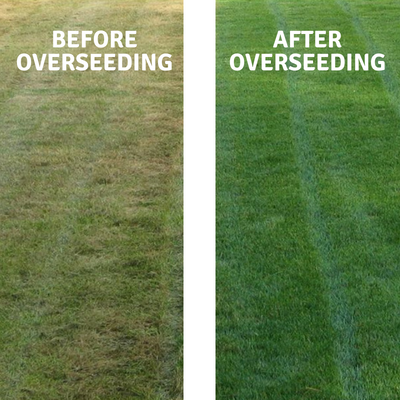
Image Source: www.turfunlimited.com
The Art of Overseeding: Why and When
Overseeding is the process of sowing grass seed directly into an existing lawn without tearing up the soil. This is different from reseeding, which usually involves preparing a bare seedbed. The primary goal of overseeding is to introduce new, often improved, grass varieties into your current turf.
Core Overseeding Benefits
- Thicker Turf: Fills in bare spots and thin areas, creating a denser, more appealing lawn.
- Improved Grass Varieties: Allows you to introduce more disease-resistant, drought-tolerant, or aesthetically pleasing grass types.
- Increased Resilience: A thicker lawn is better equipped to withstand pests, diseases, and environmental stresses like heat and drought.
- Weed Suppression: A healthy, dense turf crowds out weeds, making them less likely to establish.
- Enhanced Color: Can improve the overall uniformity and color of your lawn.
When to Overseed Lawn: The Crucial Timing
The best time to overseed your lawn depends heavily on your climate and the type of grass you have. There are two main windows:
1. Fall (The Premier Time)
For most cool-season grasses (like fescue, ryegrass, and bluegrass), fall is the ideal overseeding interval.
-
Why Fall?
- Cool Temperatures: New grass seedlings thrive in cooler weather.
- Moisture: Fall typically brings more consistent rainfall, aiding germination.
- Reduced Weed Competition: Summer annual weeds have died off, and winter annual weeds haven’t fully emerged.
- Reduced Stress: The lawn is recovering from summer heat, and the new grass doesn’t have to compete with intense heat and drought.
- Soil Warming: The soil retains warmth from the summer, providing a good environment for root development before winter.
-
Specific Timing: Aim for late summer to early fall, typically August through October in most northern climates. You want to give the new seedlings at least 4-6 weeks of good growing weather before the first hard frost.
2. Spring (A Secondary Option)
While fall is preferred, spring can also be a viable time for overseeding, particularly if you missed the fall window or have specific cool-season grass needs.
-
Why Spring?
- Warming Soil: As temperatures rise, seeds have a chance to germinate.
- Increased Rainfall: Spring often brings ample moisture.
-
Considerations for Spring:
- Weed Competition: Spring is prime time for weeds to germinate and grow. New seedlings will compete with a host of aggressive weeds.
- Heat Stress: The new, delicate seedlings may face the stress of rising summer temperatures before their root systems are fully established.
- Dormancy of Perennials: Overseeding cool-season grasses in spring means they’ll be actively growing alongside your established cool-season turf.
-
Specific Timing: Late spring, after the threat of frost has passed but before consistently hot weather sets in. This is often April to May in northern regions.
Warm-Season Grasses
If you have warm-season grasses (like Bermuda, Zoysia, or St. Augustine), the best time to overseed is late spring or early summer, when temperatures are consistently warm and the grass is actively growing. Overseeding with cool-season grass in the fall can provide winter color but will die off in the summer.
How Often Should You Overseed Your Lawn: The Frequency Debate
The question of how often to overseed grass is a critical one. There’s no single answer that fits every lawn, as it depends on the current state of your turf and your goals.
Overseeding Frequency: A General Guideline
- Once a Year: For most homeowners, overseeding once a year in the fall is sufficient to maintain a healthy, thick lawn. This is particularly true if your lawn is already in decent shape but could use a boost.
- Every Two Years: If your lawn is already very healthy, dense, and free of major issues, you might get away with overseeding every two years.
- More Than Once a Year (Rarely Recommended): Overseeding more than once a year is generally not recommended for a few key reasons:
- Stress on Existing Turf: The process of overseeding, especially if it involves aeration, can stress your current lawn.
- Competition for Resources: Two overseeding events in close succession means new seedlings are competing with each other and potentially the existing turf for sunlight, water, and nutrients.
- Unnecessary Expense: Overseeding requires seed, fertilizer, and labor. Doing it too often is an unnecessary drain on resources.
Factors Influencing Your Overseeding Schedule
Your overseeding schedule should be tailored to your specific lawn’s condition.
-
Lawn Age and Health:
- Newer Lawns: Might benefit from overseeding more frequently in their early years to establish a strong, dense turf.
- Established, Healthy Lawns: Require less frequent intervention.
- Thin or Damaged Lawns: May need overseeding more often, perhaps for a couple of consecutive years, to rebuild density.
-
Grass Type: Different grass types have different growth habits and tolerances. Some are more prone to thinning than others.
-
Environmental Conditions: Droughts, extreme heat, heavy foot traffic, or pest infestations can all contribute to lawn thinning, potentially increasing the need for overseeding.
-
Your Goals: Are you aiming for a golf-course-perfect lawn, or are you content with a reasonably healthy and attractive turf? Your aesthetic goals will influence how often to overseed grass.
Determining Your Lawn’s Needs
Before you grab a bag of seed, assess your lawn:
- Density Check: Walk across your lawn. Can you see a lot of soil between the grass blades? If yes, it’s a candidate for overseeding.
- Weed Presence: Are weeds taking over, or are they manageable? Overseeding can help suppress weeds, but if weeds are the primary problem, you might need to address that first.
- Disease and Pest History: Have you had recurring issues with diseases or grubs? Overseeding with more resistant varieties can help.
- Age of Lawn: Older lawns might have a higher percentage of older, less vigorous grass varieties that could benefit from rejuvenation.
The Process: Tips for Successful Overseeding
Simply scattering seed on top of your lawn won’t yield the best results. Proper preparation and post-seeding care are essential for successful lawn care overseeding.
Step-by-Step Overseeding Guide
- Mow Low and Bag Clippings: Mow your lawn a bit shorter than usual and bag the clippings. This allows better seed-to-soil contact.
- Aerate (Highly Recommended): Core aeration creates small holes in the soil, allowing seeds to fall into them and come into direct contact with the soil. This dramatically improves germination rates. If you don’t aerate, aim to break up soil compaction in other ways.
- Dethatch (If Necessary): If your thatch layer (dead grass matter between the soil and green grass blades) is more than half an inch thick, dethatch before aerating. Excessive thatch can prevent seeds from reaching the soil.
- Choose the Right Seed: Select a high-quality seed blend suited to your climate, light conditions (sun vs. shade), and existing grass type. Consider varieties with good disease and drought resistance.
- Spread the Seed: Use a spreader for even application. The amount of seed needed depends on the type of grass and the area you’re covering, but follow the manufacturer’s recommendations for overseeding.
- Rake and Lightly Cover: Lightly rake the seeded areas to ensure good seed-to-soil contact. A thin layer of compost or topsoil can also help retain moisture and protect the seeds.
- Fertilize: Apply a starter fertilizer specifically designed for new grass. This provides the necessary nutrients for germination and early growth.
- Water Consistently: Keep the seeded areas consistently moist, but not waterlogged. Light, frequent watering is key for germination. Once seedlings are established, gradually reduce watering frequency and increase duration.
- Avoid Heavy Traffic: Keep foot traffic and mowing off the new seedlings until they are well-established (usually around 4-6 weeks). Wait until the new grass is at least 3 inches tall before mowing, and never remove more than one-third of the blade length at a time.
Lawn Overseeding Tips for Maximizing Success
- Soil Testing: Before you start, get a soil test. This will tell you if you need to adjust your soil’s pH or add specific nutrients, which can significantly impact seed germination.
- Seed-to-Soil Contact is King: This cannot be stressed enough. If the seed isn’t touching the soil, it won’t grow. Aeration is your best friend here.
- Don’t Over-Apply Seed: Too much seed can lead to weak, spindly grass that is prone to disease. Follow recommended rates.
- Manage Existing Grass: If you have crabgrass or other annual weeds, consider applying a pre-emergent herbicide in the early spring. However, be aware that pre-emergents can also inhibit grass seed germination, so time your applications carefully.
- Patience is a Virtue: Grass seed takes time to germinate and establish. Don’t get discouraged if you don’t see results immediately.
Rethinking Your Lawn: Overseeding vs. Reseeding Frequency
While overseeding is about adding seed to existing turf, reseeding involves preparing a bare area by removing old grass and weeds, then sowing seed. The reseeding lawn frequency is usually much lower than overseeding. You typically only reseed an entire area if it’s severely damaged, diseased, or if you’re installing a new lawn.
When is Reseeding Appropriate?
- Extensive Weed Infestation: If weeds have taken over more than 50% of your lawn.
- Severe Pest or Disease Damage: If disease or grubs have killed large patches of your lawn.
- Poor Grass Quality: If your current grass is of a poor variety (like annual ryegrass) that you want to completely replace.
- New Lawn Installation: This is the most common scenario for reseeding.
Overseeding vs. Reseeding: A Practical Comparison
| Feature | Overseeding | Reseeding |
|---|---|---|
| Primary Goal | Thicken, improve, and rejuvenate existing lawn | Replace damaged or unwanted grass entirely |
| Preparation | Aeration, dethatching (if needed) | Tilling, grading, removing old turf, soil amendment |
| Seed-to-Soil | Achieved via aeration, raking, topsoil | Achieved by preparing a clean seedbed |
| Turf Disruption | Minimal to moderate | High, essentially creating a new lawn |
| Typical Frequency | Annually or biennially | Infrequently, only when a complete overhaul is needed |
| Seed Requirement | Less seed needed | More seed needed |
| Best Time | Fall for cool-season, late spring for warm-season | Similar timing to new lawn installation (spring/fall) |
The decision between overseeding and reseeding depends on the extent of the problem. For general lawn improvement, overseeding frequency should be viewed as a maintenance practice, while reseeding is a more intensive renovation.
Maintaining Your Overseeded Lawn
Once your overseeding efforts have taken root, ongoing lawn care overseeding is crucial for long-term success.
Post-Overseeding Care
- Mowing: Wait until the new grass is at least 3 inches tall. When you do mow, set your mower to a higher setting. Avoid scalping the lawn.
- Watering: Gradually transition to a deeper, less frequent watering schedule as the new grass establishes. Aim to water deeply enough to encourage deep root growth.
- Fertilizing: Continue with a regular fertilization program, but avoid high-nitrogen fertilizers on very young grass, as this can promote top growth at the expense of root development.
- Weed Control: Be cautious with herbicides on new grass. Many herbicides can damage or kill young seedlings. Wait until the new grass has been mowed at least 3-4 times before applying any weed control products.
- Traffic: Continue to limit heavy foot traffic on the newly overseeded areas until they are well-established.
Ideal Overseeding Interval Revisited
Considering all these factors, the ideal overseeding interval for a typical homeowner is once a year, in the fall for cool-season grasses. If your lawn is in excellent condition, you might extend this to every 18-24 months. For lawns that have suffered significant damage or thinning, you might overseed for two consecutive years, but then revert to a less frequent schedule.
The key is to observe your lawn’s response and adjust your overseeding frequency accordingly. It’s about consistent, thoughtful lawn care overseeding, not aggressive, overdone treatments.
Frequently Asked Questions (FAQ)
Q1: Can I overseed my lawn in the summer?
It’s generally not recommended to overseed cool-season grasses in the summer due to the extreme heat and potential drought stress. Warm-season grasses can be overseeded in late spring/early summer. If you must overseed cool-season grass in summer, use a high-quality, heat-tolerant perennial ryegrass and be prepared for intensive watering.
Q2: What is the best seed to use for overseeding?
The best seed depends on your climate, sun exposure, and existing grass type. For cool-season lawns, consider blends of fescue (tall fescue, fine fescue) and perennial ryegrass. Fine fescues are good for shade, while tall fescue and perennial ryegrass are more durable and tolerate traffic well. Always choose certified seed for purity and germination rates.
Q3: How soon can I walk on my newly overseeded lawn?
You can walk on the newly overseeded lawn, but try to minimize foot traffic as much as possible, especially during germination and early growth. Once the grass is established (after several mowings), normal traffic is usually fine.
Q4: My overseeded lawn is still thin. What went wrong?
Several factors can contribute to a thin overseeded lawn:
* Poor seed-to-soil contact
* Insufficient watering
* Mowing too soon or too short
* Heavy weed competition
* Using low-quality seed
* Extreme weather conditions
* Timing was off (e.g., overseeding too late in the fall)
Reviewing the overseeding tips and the lawn overseeding tips provided in this guide can help identify the cause and prevent it next time.
Q5: Should I overseed if I have a lot of weeds?
It’s generally better to address a significant weed problem before overseeding. You can use broadleaf weed killers that are safe for newly seeded areas (check labels carefully!) or manually remove weeds. If weeds are overwhelming, a complete renovation (reseeding) might be a better option. Overseeding can help suppress some weeds once the new grass establishes.
Q6: How do I know if I need to overseed?
Look for thinning areas in your lawn, bare patches, or a general decline in density. If you can easily see the soil surface between grass blades, it’s a good indicator that overseeding could benefit your lawn.
By following these guidelines and paying attention to your lawn’s specific needs, you can achieve a lush, healthy, and resilient turf through effective overseeding practices. Remember, consistency and the right timing are key to maximizing the benefits and avoiding common pitfalls.