
What are those fungi popping up in your backyard? Can you eat lawn mushrooms? While some mushrooms are edible, many lawn mushrooms are not, and it’s best to avoid consuming any found in your yard. Getting rid of mushrooms on a lawn is often about addressing the underlying conditions that allow them to thrive. This guide will help you tackle your backyard mushroom problem and promote a healthier lawn.
Mushrooms appearing on your lawn can be a unsightly and sometimes concerning issue. These fungal growths, often referred to as lawn fungi or lawn disease mushrooms, are a sign that your turf has the right conditions for them to flourish. This usually means there’s ample moisture, organic matter, and a suitable temperature. While some mushroom species are harmless, others can be toxic, making it important to address them promptly. This article will delve into effective strategies for lawn mushroom removal, helping you regain control and improve your lawn’s overall health.
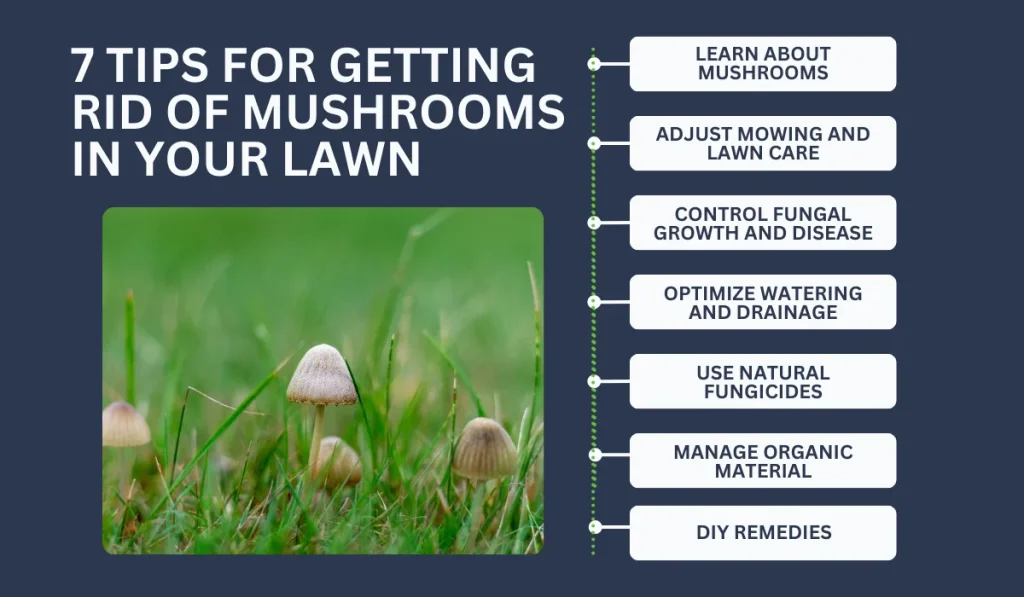
Image Source: sodlawn.com
Why Do Mushrooms Grow on Lawns?
Mushrooms are the fruiting bodies of fungi that live underground. They emerge when conditions are just right. Fungal networks, called mycelium, exist in the soil year-round. When moisture, temperature, and nutrient availability align, the mycelium produces the visible mushrooms.
Several factors contribute to mushroom growth:
- Excess Moisture: Fungi thrive in damp environments. Overwatering, poor drainage, and prolonged periods of rain can create ideal conditions.
- Organic Matter: Decaying organic material like thatch, dead grass, leaves, and animal waste provides food for fungi. A thick layer of thatch is a common culprit.
- Shady Areas: Shady parts of the lawn tend to stay moist longer, encouraging fungal growth.
- Soil Compaction: Compacted soil restricts air and water movement, leading to moisture buildup and providing a favorable environment for fungi.
- Warm Temperatures: Many fungi grow best in warm, humid weather.
Identifying the Cause for Mushroom Control Lawn
Before you can effectively implement mushroom control lawn strategies, it’s crucial to identify why the mushrooms are appearing. Is it a persistent issue in one area? Does it seem to follow heavy rains? Pinpointing the cause will guide your treatment plan.
Thatch Buildup
Thatch is a layer of dead and living grass stems, roots, and debris that accumulates between the green grass and the soil surface. A thin layer is normal, but when it gets too thick (over half an inch), it can suffocate the grass and hold excess moisture, creating a perfect habitat for fungi.
Poor Drainage
If your lawn stays soggy after rain or watering, poor drainage is likely a major factor. This can be due to compacted soil, heavy clay soil, or improper grading.
Watering Practices
Overwatering is a common mistake. Watering too frequently or for too long can saturate the soil, encouraging fungal growth.
Shade
Areas of the lawn that receive little sunlight will dry out more slowly, making them prone to mushroom outbreaks.
Animal Waste
Pet waste left on the lawn can decompose and provide nutrients that fuel fungal growth.
Methods for Lawn Mushroom Removal
Now that we know why mushrooms appear, let’s look at how to get rid of them. Our goal is not just to remove the visible mushrooms but to eliminate the conditions that allow them to grow. This is key to effective mushroom control lawn.
Physical Removal of Mushrooms
The most immediate way to deal with visible mushrooms is to remove them.
- Hand-Pulling: Wear gloves and pull the mushrooms out of the ground, ensuring you get the entire base.
- Scooping: Use a trowel or scoop to remove the mushrooms.
- Bagging and Disposal: Place the removed mushrooms in a sealed bag and dispose of them in the trash or a compost bin that will reach high temperatures. This prevents spores from spreading.
While physical removal gets rid of the immediate problem, it doesn’t address the root cause. It’s a temporary fix for your backyard mushroom problem.
Addressing Thatch
Reducing thatch is a vital step in lawn care mushrooms management.
- Dethatching: This process removes the excess thatch layer. You can do this with a rake, a power dethatcher, or a verticutter. Dethatching is best done in the spring or fall when the grass is actively growing.
- Aeration: Core aeration involves removing small plugs of soil from the lawn. This improves air and water circulation, breaks up thatch, and can help prevent future fungal growth. Aerate when your grass is actively growing (spring for cool-season grasses, late spring/early summer for warm-season grasses).
Improving Drainage
Good drainage is essential for a healthy lawn and eliminating lawn fungi.
- Aeration: As mentioned, aeration helps with drainage by allowing water to penetrate the soil more easily.
- Top Dressing: After aeration, you can top-dress the lawn with a thin layer of sand or compost. This helps to improve soil structure and drainage over time.
- Soil Amendments: For severely compacted or clay soils, incorporating organic matter like compost can improve drainage and aeration.
- Regrading: In severe cases, you may need to regrade the lawn to ensure water flows away from the house and other structures.
Adjusting Watering Practices
Proper watering is critical for healthy lawn health mushrooms.
- Water Deeply and Infrequently: Encourage deeper root growth by watering thoroughly only when the lawn needs it. Check soil moisture by inserting a screwdriver into the ground; if it goes in easily, the soil is moist enough.
- Water in the Morning: Watering early in the day allows the grass blades to dry before nightfall, reducing the risk of fungal diseases. Avoid watering in the evening.
- Use a Rain Gauge: Monitor how much water your lawn is actually receiving to avoid overwatering.
Managing Shade
If shade is a contributing factor, consider these options:
- Tree Pruning: Trim lower branches of trees to allow more sunlight to reach the lawn.
- Planting Shade-Tolerant Grass: If a particular area is persistently shady, consider overseeding with a grass variety that tolerates shade.
- Alternative Landscaping: For areas with dense shade, consider alternative landscaping such as ground cover, mulch beds, or shade-loving plants instead of grass.
Natural Mushroom Removal Lawn Techniques
For those who prefer organic and natural methods for their backyard mushroom problem, several options are available. These focus on restoring balance to the lawn ecosystem.
Cornmeal
Cornmeal acts as a natural fungicide. When applied to the lawn, it encourages the growth of beneficial soil microbes that compete with and suppress fungal pathogens.
- Application: Spread a generous amount of cornmeal evenly over the affected areas of the lawn. It can be applied dry.
- Frequency: Reapply every few weeks, especially after rain or if you see new mushrooms.
Baking Soda
Baking soda can alter the soil pH, making it less hospitable for many types of fungi.
- Mixture: Mix 1 tablespoon of baking soda with 1 gallon of water.
- Application: Spray the solution directly onto the mushrooms and the surrounding soil.
- Caution: Use sparingly, as excessive amounts can harm grass. Test on a small area first.
Vinegar Solution
Vinegar is acidic and can kill fungi.
- Mixture: Mix equal parts white vinegar and water.
- Application: Spray directly onto the mushrooms.
- Caution: Vinegar can also harm grass, so use it carefully and avoid spraying on healthy turf.
Enhancing Beneficial Soil Microbes
The presence of mushrooms often indicates an imbalance in the soil’s microbial community. Encouraging beneficial microbes can help suppress fungal growth.
- Compost Top-Dressing: Applying a thin layer of high-quality compost introduces beneficial bacteria and fungi to the soil.
- Beneficial Fungi Inoculants: You can purchase products containing beneficial fungi (like mycorrhizae) that can outcompete pathogenic fungi.
Chemical Treatments: Mushroom Killer Lawn Options
When natural methods aren’t sufficient, or for severe infestations, chemical treatments might be considered. It’s important to use these products responsibly and according to label instructions.
Fungicides
Fungicides are chemicals designed to kill fungi. There are different types of fungicides, some broad-spectrum and others targeted.
- Types:
- Contact Fungicides: These kill fungi on contact. They need to be applied directly to the mushrooms and surrounding affected areas.
- Systemic Fungicides: These are absorbed by the plant and provide protection from within. They are less common for general lawn mushroom removal and are usually reserved for specific plant diseases.
- Choosing a Fungicide: Look for products labeled for lawn fungi or mushrooms. Some common active ingredients include thiophanate-methyl, propiconazole, and chlorothalonil.
- Application:
- Always read and follow the product label instructions carefully.
- Apply when conditions are favorable for fungal growth but before the mushrooms become widespread.
- Ensure the fungicide is safe for your type of grass.
- Water the lawn after application if the label instructs it, as this can help the fungicide penetrate the soil.
Insecticides (Indirect Use)
While not directly killing mushrooms, insecticides can be useful if insects are feeding on organic matter that fungi also use, indirectly affecting the fungal ecosystem. However, this is rarely the primary solution for mushroom control.
Detergent Solution (Caution Advised)
Some sources suggest a solution of mild liquid dish soap and water can help break down the mycelium.
- Mixture: Mix 1-2 tablespoons of mild liquid dish soap with 1 gallon of water.
- Application: Spray directly onto the mushrooms and the soil.
- Caution: Use only mild, non-detergent soaps. Harsh detergents can damage grass. Test on a small area first.
Lawn Care Mushrooms: Prevention is Key
The best approach to dealing with mushrooms on your lawn is to prevent them from appearing in the first place. Good lawn care practices are the foundation of preventing lawn disease mushrooms.
Regular Maintenance
- Mowing: Mow your lawn at the correct height for your grass type. Taller grass shades the soil, keeping it moist longer.
- Fertilizing: Fertilize your lawn appropriately based on soil tests. Over-fertilizing can sometimes lead to excessive thatch.
- Watering: As discussed, adjust watering to be deep and infrequent, and water in the morning.
Soil Health
- Aeration: Aerate your lawn at least once a year to prevent compaction and improve drainage.
- Dethatching: Dethatch your lawn annually or as needed to keep thatch levels below half an inch.
- Composting: Regularly top-dress your lawn with compost to improve soil structure and microbial activity.
Debris Removal
- Leaf Removal: Rake leaves promptly in the fall.
- Pet Waste: Clean up pet waste regularly.
When to Call a Professional
If you have a persistent or widespread backyard mushroom problem, or if you’re unsure about the type of fungi you’re dealing with, it might be time to call a professional lawn care service. They have the expertise and equipment to diagnose the issue accurately and implement the most effective treatment plan.
Frequently Asked Questions About Lawn Mushrooms
Q1: Are lawn mushrooms dangerous to my pets or children?
A1: Some lawn mushrooms can be toxic if ingested. It’s best to keep pets and children away from any mushroom growths until they are removed. If you suspect ingestion, contact your veterinarian or poison control center immediately.
Q2: Can I just leave the mushrooms alone?
A2: While leaving them alone might seem like an option, mushrooms are a symptom of underlying conditions. They can spread spores and may indicate a more significant lawn health issue. Addressing them is generally recommended.
Q3: How long does it take for mushroom removal treatments to work?
A3: The effectiveness of treatments varies. Physical removal is immediate. Natural remedies like cornmeal may take a few weeks to show significant results. Chemical fungicides can work more quickly but require careful application. Improving lawn care practices is a long-term solution that takes time to show its full impact.
Q4: Will mushrooms return after treatment?
A4: Mushrooms can return if the underlying conditions that promote their growth are not corrected. Consistent good lawn care practices are the best defense against recurring mushroom problems.
Q5: What is the best time of year to treat for mushrooms?
A5: The best time to treat for mushrooms is when you first notice them, often after periods of rain and warm temperatures. However, preventative measures like aeration and dethatching are best done during the active growing seasons for your grass type.
Summary Table of Mushroom Control Strategies
| Strategy | Description | Effectiveness |
|---|---|---|
| Physical Removal | Hand-pulling or scooping mushrooms and disposing of them. | Immediate (visual), but does not prevent regrowth. |
| Thatch Management | Dethatching and aeration to reduce thatch layer and improve soil structure. | High (prevents habitat) |
| Drainage Improvement | Aeration, top dressing, soil amendments, and regrading to ensure water drains properly. | High (removes favorable conditions) |
| Watering Adjustments | Watering deeply and infrequently in the morning. | High (reduces moisture) |
| Shade Management | Tree pruning or planting shade-tolerant grass. | Moderate to High (reduces moisture in shady areas) |
| Natural Remedies | Cornmeal, baking soda, vinegar solutions to inhibit fungal growth. | Moderate (best for mild cases) |
| Chemical Fungicides | Applying specific lawn fungicides to kill fungi. | High (can be very effective) |
| Beneficial Microbes | Top dressing with compost or applying beneficial fungi inoculants. | Moderate to High (restores soil balance) |
| Debris Removal | Raking leaves, picking up pet waste. | Moderate (reduces food source) |
Getting rid of mushrooms on your lawn involves a multi-faceted approach. By understanding the causes and implementing consistent lawn care practices, you can effectively manage and prevent these unsightly fungal guests, ensuring a healthier and more beautiful lawn. Remember, a healthy lawn is the best defense against many lawn disease mushrooms and other common lawn issues.