
Image Source: naturalawn.com
How To Remove Clover From A Lawn: Get A Perfect Yard
Can you kill clover with weed killer? Yes, you can kill clover with specific types of weed killer, often referred to as broadleaf weed killer or a dedicated clover killer. This guide will show you how to achieve a clover-free lawn and improve your overall lawn care.
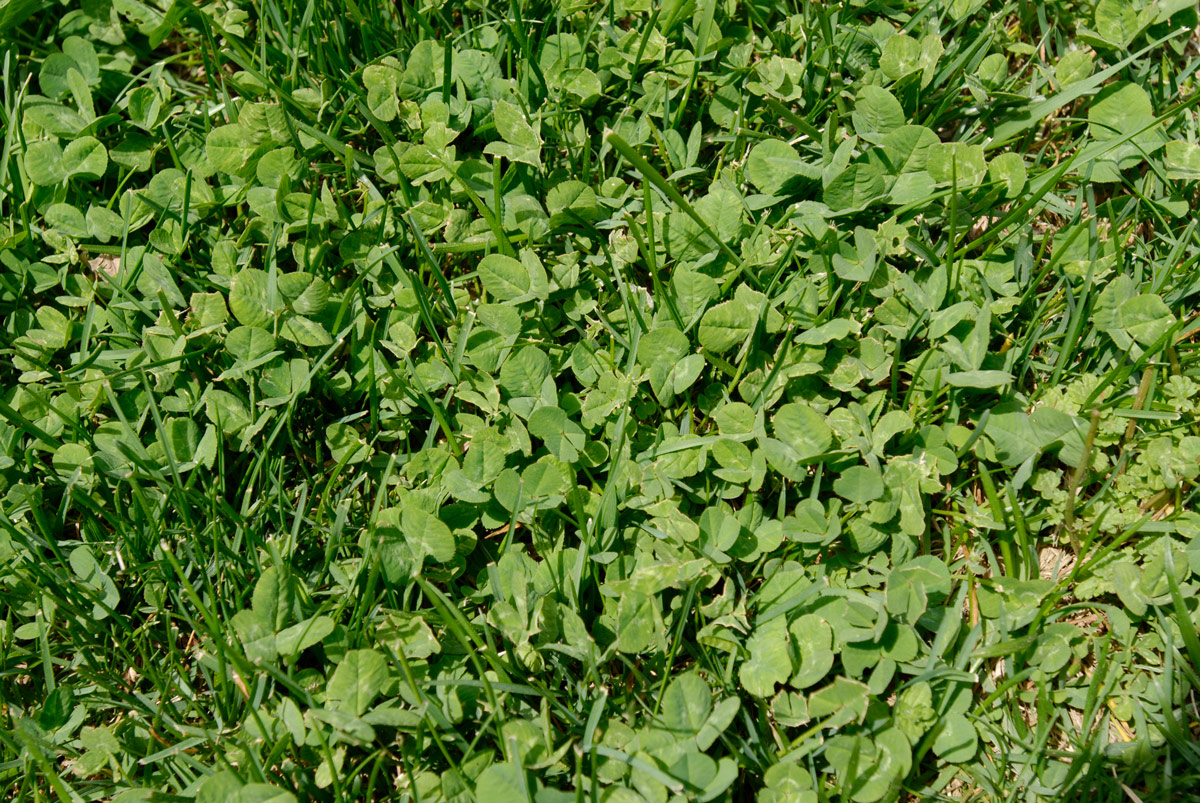
Clover, with its distinct trifoliate leaves and white flower heads, is a common sight in many lawns. While it has some benefits, like fixing nitrogen in the soil which can help grass grow greener, many homeowners find its aggressive growth and tendency to bloom unsightly. If you’re looking to get rid of clover and achieve that perfectly manicured look, you’ve come to the right place. This in-depth guide will cover everything you need to know about clover control, from identifying why it appears to the most effective methods for its removal.
Why Clover Invades Your Lawn
Before we dive into clover removal, it’s helpful to understand why this persistent plant likes your lawn so much. Clover thrives in conditions that often signal a less-than-ideal lawn environment. Fostering a healthy, dense turf is your first and best defense against clover.
- Poor Soil Fertility: Clover is excellent at fixing nitrogen. If your lawn soil is lacking in nitrogen, clover will happily step in to fill that void. It draws nitrogen from the air and converts it into a form that plants can use. This means the less nitrogen your grass has, the more appealing clover becomes.
- Compacted Soil: Compacted soil restricts root growth for grass, making it harder for your lawn to get the water and nutrients it needs. Clover, with its shallow root system, doesn’t mind compacted soil as much.
- Drought Conditions: Clover is more drought-tolerant than many common grass types. When your lawn suffers from dry spells, clover can often survive and even thrive while the grass struggles.
- Low Mowing Height: Mowing your grass too short weakens it. It also allows more sunlight to reach the soil surface, which clover loves.
- Infrequent Watering: Deep, infrequent watering encourages deep grass root growth. Shallow, frequent watering promotes shallow roots, making grass more susceptible to drought and competition from weeds like clover.
Methods for Clover Control
There are several effective ways to tackle clover in your lawn. The best approach often involves a combination of methods, focusing on improving your lawn’s health and using targeted treatments.
Manual Clover Removal
For small patches of clover, manual removal is a viable option.
Hand-Pulling
This method is best for young clover or when clover patches are scattered and not yet widespread.
- Best Time: Pull clover when the soil is moist. This makes it easier to get the entire root system.
- Technique: Use a trowel or a specialized weeding tool to gently loosen the soil around the clover. Grasp the plant near its base and pull upwards, trying to remove as much of the root as possible.
- Pros: No chemicals involved, environmentally friendly, and immediate results for small areas.
- Cons: Labor-intensive, can be difficult to get all the roots, and not practical for large infestations.
Digging
For larger, more established patches, digging might be necessary.
- Tools: A garden fork or a spade can be useful.
- Process: Carefully dig around the clover patch, aiming to lift the entire plant, including its roots. Dispose of the removed clover properly to prevent regrowth.
- Pros: Effective for removing larger clumps.
- Cons: Can disturb the surrounding lawn, leaving bare spots that weeds can then invade.
Natural Clover Removal Techniques
Many people prefer to avoid chemical treatments. Fortunately, there are natural ways to manage clover.
Improving Soil Health
- Aeration: Aerating your lawn helps to relieve soil compaction, allowing grass roots to grow deeper and stronger. This makes the lawn more competitive against clover.
- Dethatching: Thick thatch layers can smother grass and provide a favorable environment for clover. Dethatching removes this layer, allowing air, water, and nutrients to reach the soil.
- Fertilization: A balanced fertilization program tailored to your grass type will help your lawn outcompete clover. Focus on feeding the grass, not the weeds. A soil test can help you determine what nutrients your lawn needs.
Vinegar Solution (Use with Caution)
While vinegar can kill clover, it’s a non-selective herbicide. This means it will also kill your grass if you’re not careful.
- Composition: A solution of horticultural vinegar (20% acetic acid) is more effective than household vinegar (5%). You can also add a drop of dish soap to help it stick to the leaves.
- Application: Apply directly to the clover leaves on a sunny, dry day. Avoid spraying on windy days to prevent drift onto desirable grass.
- Limitations: Vinegar is a contact killer. It will likely kill the clover plant it touches, but it may not kill the roots, leading to regrowth. It’s best used for spot treatment on patios, driveways, or very small, isolated clover patches in the lawn where you can be precise.
Corn Gluten Meal
Corn gluten meal is a natural pre-emergent herbicide. It inhibits root formation in germinating seeds.
- Application: Apply corn gluten meal in early spring, before clover seeds (or grass seeds) have a chance to germinate. It also acts as a mild nitrogen fertilizer.
- Effectiveness: It’s most effective when applied consistently over several seasons and is more about preventing new clover than killing existing plants.
Boiling Water
Similar to vinegar, boiling water can kill clover on contact.
- Application: Carefully pour boiling water directly onto the clover patches.
- Caution: This will also kill any grass it touches. It’s best for hard surfaces or very small, targeted areas.
Chemical Clover Treatment
When natural methods aren’t enough, chemical treatments can be very effective for clover control.
Selective Broadleaf Weed Killers
These herbicides are designed to target broadleaf weeds, like clover, while leaving grasses unharmed.
- Active Ingredients: Look for products containing ingredients such as:
- 2,4-D: A common and effective herbicide for many broadleaf weeds.
- Dicamba: Works by mimicking plant growth hormones, causing uncontrolled growth in susceptible weeds.
- MCPP (Mecoprop): Effective against many common lawn weeds.
- Trimec: A combination of three different herbicides for a broader spectrum of weed control.
- Application: Always follow the label instructions carefully. Apply when the weeds are actively growing and the air is calm. Avoid applying if rain is expected within 24 hours.
- Timing: The best time to apply these herbicides is typically in the late spring or early fall when clover is actively growing and most susceptible.
Dedicated Clover Killer Products
Some products are specifically formulated to kill clover. These often contain specialized blends of herbicides that are particularly effective against this weed.
- Specific Formulations: These might include active ingredients that target clover’s unique biology. Always check the label to ensure it’s safe for your type of grass.
- Application: Similar to broadleaf weed killers, follow the label instructions precisely for application rates, timing, and safety precautions.
Using a Dandelion Killer
Many products marketed as dandelion killer are actually broadleaf weed killers that will also be effective against clover. If you have both dandelions and clover, a good dandelion killer can serve a dual purpose.
When to Apply Chemical Treatments
- Active Growth: Clover is most vulnerable when it is actively growing and before it sets seed.
- Temperature: Avoid applying herbicides when temperatures are very high (above 85-90°F or 30-32°C) as this can damage your grass and reduce the effectiveness of the herbicide.
- Rain: Do not apply if rain is expected within 24 hours, as this can wash the product away before it can work.
- Wind: Apply on a calm day to prevent drift onto desired plants or neighboring properties.
Post-Treatment Lawn Care
Once you’ve treated the clover, your job isn’t done. Proper lawn maintenance is crucial to prevent its return and to help your grass recover and thrive.
Watering
- Deep and Infrequent: Water your lawn deeply but infrequently. This encourages deep root growth, making your grass stronger and better able to compete with weeds. Aim for about 1 inch of water per week, delivered in one or two watering sessions.
- Early Morning Watering: Water in the early morning to minimize evaporation and reduce the risk of fungal diseases.
Mowing
- Proper Height: Mow your lawn at the higher end of the recommended range for your grass type. Taller grass shades the soil, making it harder for weed seeds to germinate and grow.
- Sharp Mower Blades: Always use sharp mower blades. Dull blades tear the grass, leaving it susceptible to disease and stress.
Fertilizing
- Regular Feeding: Continue a regular fertilization schedule based on your grass type and local conditions. A well-fed lawn is a healthy lawn, and healthy lawns are the best defense against weeds.
- Soil Testing: Periodically test your soil to ensure it has the right balance of nutrients. This will help you create an effective fertilization plan.
Overseeding
- Filling Gaps: If your clover treatment left any bare spots, overseed those areas with a high-quality grass seed appropriate for your region. A dense, healthy lawn is the best deterrent against weeds.
- Timing: The best time to overseed is typically in the fall, but some grass types can also be overseeded in the spring.
Strategies for Long-Term Clover Prevention
Preventing clover from returning is just as important as removing it in the first place. Focus on creating an environment where grass is the dominant plant.
- Healthy Turf: The most effective strategy for clover control is to maintain a dense, healthy lawn. Healthy grass will naturally crowd out weeds.
- Proper Watering Practices: Avoid shallow, frequent watering, which favors shallow-rooted weeds like clover.
- Correct Mowing Height: Keep your mower blades sharp and set at the appropriate height for your grass.
- Soil Aeration and Dethatching: Regularly address soil compaction and thatch buildup.
- Soil pH: Test your soil pH and amend it as necessary. Most turfgrasses prefer a slightly acidic to neutral pH (6.0-7.0). Clover, however, can tolerate a wider range of pH levels.
Identifying Clover
Before you can effectively treat clover, it’s important to be able to identify it accurately.
Common Characteristics of Clover
- Leaves: Clover typically has three leaflets (trifoliate), often with a lighter green or white marking in a “V” or crescent shape.
- Flowers: In late spring and summer, clover produces small, round, white, or pinkish flower heads. These can be a nuisance for landscapers and gardeners.
- Growth Habit: Clover is a low-growing, spreading plant. It has a stoloniferous growth habit, meaning it sends out runners (stolons) that root and form new plants.
Types of Clover to Watch For
While the common white clover ( Trifolium repens) is the most prevalent lawn weed, other types might appear:
- Red Clover (Trifolium pratense): Taller than white clover, with larger flower heads, often pink or purple.
- Alsike Clover (Trifolium hybridum): Similar to white clover but can grow taller and has pinkish-white flowers.
Clover vs. Grass
It’s important to distinguish clover from some types of grass that might have similar-looking leaves. Clover leaflets are typically rounded or oval, while grass blades are long and narrow.
Troubleshooting Common Issues
Even with the best efforts, you might encounter challenges in your clover removal journey.
- Regrowth: If clover regrows after treatment, it might be because the roots weren’t fully killed, or new seeds have germinated. Reapply the appropriate weed killer for clover or continue with manual removal.
- Yellowing Grass: If your grass turns yellow after treatment, it could be due to over-application of herbicide, improper timing, or an underlying issue with your lawn’s health. Always follow product instructions and consider the health of your grass.
- Persistent Clover: For very stubborn or widespread infestations, a professional lawn care service might be the most effective solution. They have access to a wider range of products and expertise.
Clover’s Place in a Sustainable Lawn
While the goal of this article is clover removal, it’s worth noting that in some lawn care philosophies, clover is not seen as entirely negative. Its nitrogen-fixing ability can reduce the need for synthetic fertilizers, and its low growth habit can help a lawn tolerate drought better. If you’re aiming for a more eco-friendly approach, you might consider managing clover rather than eliminating it entirely. However, for those who desire a uniform green carpet, targeted removal is the way to go.
Clover Treatment Table Summary
Here’s a quick reference table to help you choose the right approach for your clover control needs:
| Method | Effectiveness Against Clover | Impact on Grass | Best For | Notes |
|---|---|---|---|---|
| Hand-Pulling | Moderate | None | Small, scattered patches | Requires consistency; get the roots. |
| Digging | High | Minimal (if careful) | Larger, established patches | Can leave bare spots; reseed promptly. |
| Horticultural Vinegar | High (contact) | High | Very small, isolated spots (off-lawn) | Non-selective; kills all green tissue it touches. |
| Corn Gluten Meal | Low (pre-emergent) | None | Preventing new clover germination | Best applied in spring; acts as a mild fertilizer. |
| Boiling Water | High (contact) | High | Tiny spots on hard surfaces | Non-selective; kills all green tissue it touches. |
| Broadleaf Weed Killer | High | Low (if selective) | Widespread clover infestation | Choose products specifically labeled for clover or broadleaf weeds. |
| Dedicated Clover Killer | Very High | Low (if selective) | Stubborn clover problems | Always read and follow label directions precisely. |
Frequently Asked Questions (FAQ)
Q1: When is the best time to remove clover?
The best time to remove clover is when it is actively growing, typically in the late spring or early fall. This is when herbicides are most effective, and the grass is also healthy enough to withstand treatment.
Q2: Will a general weed killer kill clover?
Many general weed killers, especially those labeled as “broadleaf weed killer” or “dandelion killer,” will effectively kill clover. However, it’s crucial to use a product that is selective for broadleaf weeds if you want to avoid harming your grass.
Q3: How can I prevent clover from coming back?
The best prevention is to maintain a healthy, dense lawn. This involves proper mowing at a higher height, deep and infrequent watering, regular fertilization, and addressing soil issues like compaction through aeration.
Q4: Is clover bad for my lawn?
Clover is often considered a weed because it can be unsightly, especially when flowering, and it can spread aggressively. However, it does have benefits, such as fixing nitrogen in the soil, which can contribute to a greener lawn. Many people prefer to remove it for aesthetic reasons.
Q5: Can I use a lawn roller to flatten clover?
A lawn roller is not an effective method for removing clover. While it might temporarily flatten it, it won’t kill the plant, and the clover will likely resume its growth.
Q6: What if I have clover in my flower beds?
For flower beds, manual removal is usually the best option, as herbicides can damage or kill your desired plants. Be thorough in removing the roots to prevent regrowth.
By following these detailed steps and focusing on building a robust, healthy lawn, you can successfully tackle clover and enjoy a beautiful, weed-free yard. Consistent lawn care is the key to long-term success in your clover treatment efforts.