
Image Source: cdn.mos.cms.futurecdn.net
How Can I Kill Ants In My Lawn Safely?
To kill ants in your lawn safely, you can use a combination of natural deterrents, targeted treatments like ant bait, and proper lawn maintenance to make your yard less attractive to these common pests.
Ants are a common sight in many lawns, and while some species can be beneficial by aerating the soil, a large infestation can be a nuisance and even damage your grass. Fortunately, there are many safe and effective ways to manage them. This guide will walk you through various methods for lawn pest control, focusing on safety for your family, pets, and the environment.
Identifying Your Ant Invaders
Before you start an ant treatment, it’s helpful to know what kind of ants you’re dealing with. Different ant species have different habits and preferences, which can influence the best approach for eradication. Some common lawn ants include:
- Odorous House Ants: Often found nesting in soil, under rocks, or in decaying wood. They are known for the unpleasant smell they emit when crushed.
- Carpenter Ants: While they don’t eat wood, they excavate it to build nests, which can cause structural damage. In lawns, they might nest in stumps or dead trees.
- Fire Ants: These aggressive ants deliver a painful sting and build visible mounds in the soil. They are a significant concern due to their painful bites.
- Pavement Ants: Typically nest in cracks of sidewalks and driveways, but can also be found in lawns, especially in disturbed soil.
The Importance of Safety First
When dealing with any kind of ant killer or lawn pest control, safety is paramount. Always read and follow the instructions on product labels carefully. Keep children and pets away from treated areas until they are completely dry or safe. Consider the potential impact on beneficial insects, pollinators, and the overall ecosystem of your lawn.
Natural Approaches to Ant Eradication
Many gardeners prefer natural ant killer options that minimize the use of harsh chemicals. These methods often rely on disrupting the ants’ scent trails, creating an unappealing environment, or directly eliminating them.
1. Barrier Methods: Creating Ant-Proof Zones
Some natural substances can act as effective ant repellent, preventing them from entering or traversing specific areas of your lawn.
-
Diatomaceous Earth (Food Grade): This is a fine powder made from fossilized aquatic organisms. When ants come into contact with diatomaceous earth, its sharp edges scratch their exoskeletons, causing them to dehydrate and die.
- Application: Sprinkle a thin layer around ant mounds, entry points, or pathways. It’s most effective when dry. Reapply after rain.
- Safety: Food-grade diatomaceous earth is generally safe for pets and humans, but avoid inhaling the dust.
-
Borax and Sugar Mixture: Borax is a naturally occurring mineral that can be toxic to ants. Mixing it with a sweet substance like sugar attracts ants, leading them to consume the borax.
- Preparation: Mix one part borax with three parts sugar. Dissolve the mixture in a small amount of water to create a paste or liquid.
- Application: Place small amounts of this mixture in shallow containers or on pieces of cardboard near ant trails or mounds.
- Safety: While natural, borax can be toxic if ingested in large quantities by pets or children. Place baits in areas inaccessible to them.
-
Cinnamon: Ants dislike the strong scent of cinnamon and may avoid areas where it’s present.
- Application: Sprinkle ground cinnamon around ant mounds and pathways.
-
Vinegar: White vinegar can disrupt ant scent trails and kill ants on contact.
- Application: Mix equal parts white vinegar and water in a spray bottle. Spray directly on ants or apply to areas where they are active. The smell dissipates once dry.
-
Coffee Grounds: Some gardeners find that used coffee grounds can deter ants. The caffeine and rough texture might be off-putting.
- Application: Sprinkle used coffee grounds around the base of plants or near ant activity.
2. Direct Ant Killer Methods
When you need to tackle an ant colony directly, certain natural substances can be employed.
-
Insecticidal Soap: This is a potent natural ant killer that works by breaking down the ants’ outer protective layer, leading to dehydration.
- Preparation: You can buy commercial insecticidal soap or make your own by mixing one tablespoon of liquid castile soap or pure soap (not detergent) with one quart of water.
- Application: Spray directly onto ants. It’s most effective when the ants are thoroughly coated. This method is contact-based, meaning it kills ants it directly touches.
-
Boiling Water: For visible ant mounds, pouring boiling water directly onto them can be an effective, albeit direct, method of killing the ant colony.
- Application: Carefully pour boiling water directly into the ant mounds. You may need to repeat this process.
- Safety: Be extremely cautious when handling boiling water to avoid burns. This method can also harm grass and plants in the immediate vicinity.
Targeted Ant Treatment: Ant Bait
Ant bait is one of the most effective methods for controlling ant infestations because it targets the entire ant colony, including the queen.
How Ant Bait Works
Ant baits contain a slow-acting poison mixed with an attractant, usually a sweet substance. Worker ants find the bait, consume it, and carry it back to their nest to feed the rest of the colony, including the queen. This process can take a few days, but it ensures that the entire ant colony is eliminated from within.
Types of Ant Bait
- Gel Baits: These are sticky gels that ants readily consume. They are often used in targeted applications around entry points or near ant trails.
- Granular Baits: These are small granules that can be scattered in areas where ants are active. They are convenient for larger areas.
- Liquid Baits: These are liquid solutions that can be placed in small containers or applied to surfaces ants frequent.
Choosing the Right Ant Bait
- Active Ingredient: Look for baits containing ingredients like fipronil, hydramethylnon, or indoxacarb. These are generally effective and less harmful to non-target organisms when used correctly.
- Placement: Place ant bait stations near ant trails but out of reach of children and pets. Avoid spraying insecticides near bait stations, as this can deter ants from reaching the bait.
- Patience: It may take several days to a week or more to see a significant reduction in ant activity. Continue to replenish bait stations as needed.
Chemical Ant Killer Options (Use with Caution)
While natural methods are preferred by many, there are times when chemical ant killer products may be necessary for severe infestations. Always use these products judiciously and follow all safety instructions.
Insecticides for Lawn Pest Control
- Granular Insecticides: These can be spread over the lawn and watered in. They are effective against a broad range of insects, including ants. Look for products specifically labeled for ant control in lawns.
- Liquid Insecticides: These are diluted and applied with a sprayer. They can provide quick knockdown of ants but may require more frequent application.
- Insecticide Dusts: These are typically applied directly into ant mounds or entry points.
Application Tips for Chemical Insecticides
- Read the Label: This cannot be stressed enough. The product label is your guide to safe and effective use.
- Targeted Application: Apply insecticides only where ants are present, rather than broadcasting them over the entire lawn.
- Timing: Apply in the early morning or late evening when ants are most active and when temperatures are cooler. Avoid applying during windy conditions or when rain is expected.
- Protective Gear: Wear gloves, long sleeves, and pants when applying chemical insecticides.
Understanding Ant Colony Behavior and Lawn Health
Preventing ant infestations is often more effective than treating them. Healthy lawns are less attractive to many pest species, including ants.
Making Your Lawn Less Appealing to Ants
- Proper Watering: Avoid overwatering your lawn, as ants often thrive in moist soil. Water deeply and less frequently to encourage deeper root growth.
- Mow at the Right Height: Keep your grass at the recommended height for your grass type. Taller grass shades the soil, keeping it cooler and moister, which can be attractive to some ants.
- Remove Food Sources: Clean up fallen fruit, pet food, and other organic debris that can attract ants. Seal garbage cans tightly.
- Address Moisture Issues: Fix leaky faucets and irrigation systems that can create consistently damp areas.
- Clear Debris: Remove leaf litter, wood piles, and other debris where ants might nest or seek shelter.
Specific Ant Treatments for Different Situations
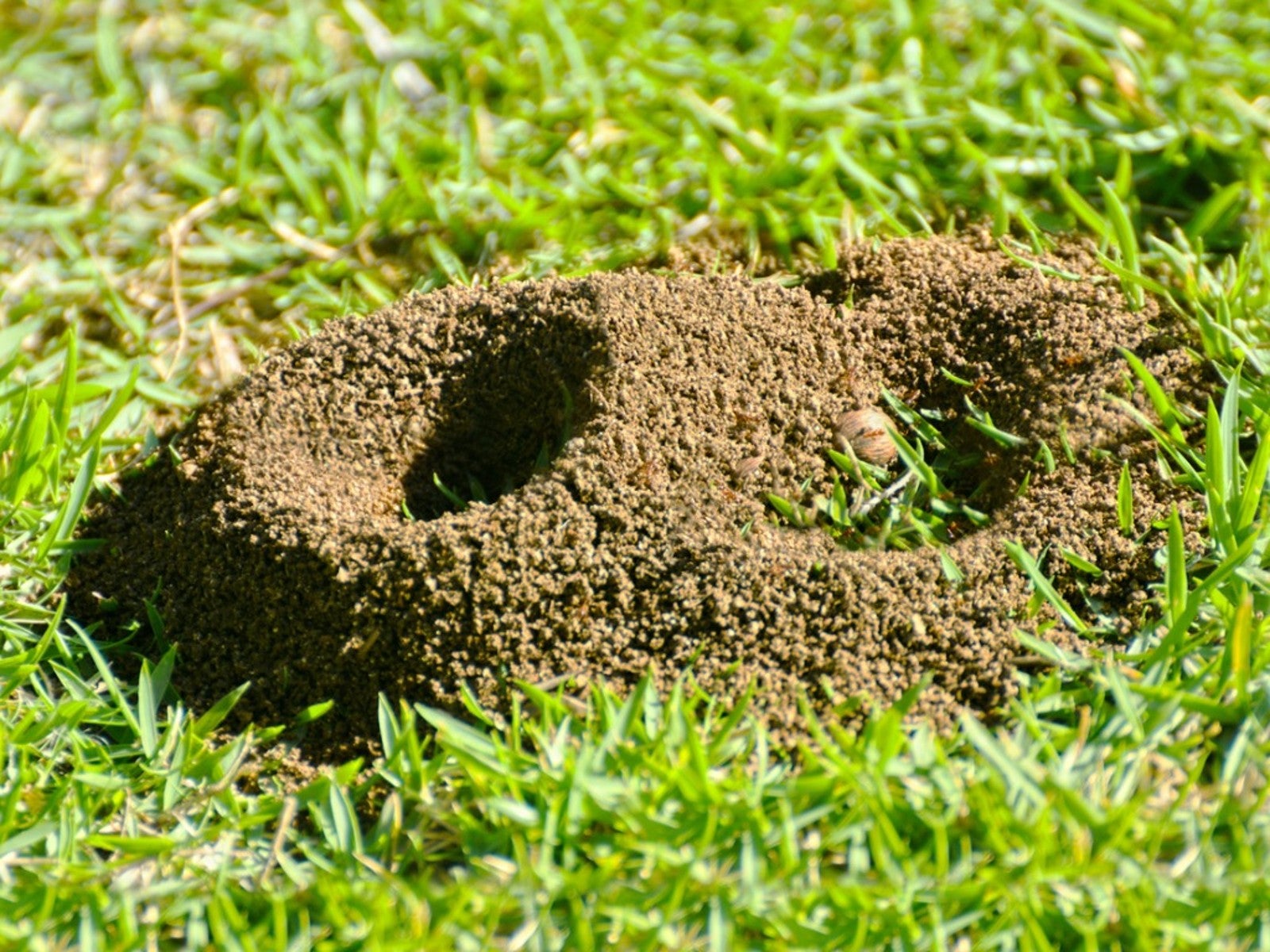
- Ant Mounds: For visible ant mounds, consider using granular ant killer products designed for direct application to mounds, or the boiling water method (with caution). Alternatively, ant bait placed near the mound can encourage foraging ants to carry the poison back to the colony.
- Trails: If you see ants trailing across your patio or lawn, use ant bait stations or spray insecticidal soap along their paths. Reapply as needed.
- Carpenter Ants: If you suspect carpenter ants, identify their nesting sites. These might be in decaying wood structures in your yard. Professional pest control might be necessary for significant infestations as they can cause structural damage.
Integrated Pest Management (IPM) for Ants
Integrated Pest Management (IPM) is a holistic approach to pest control that combines various strategies to manage pests effectively and sustainably. For ants, IPM involves:
- Monitoring: Regularly inspect your lawn for signs of ant activity.
- Identification: Determine the type of ant to choose the most appropriate treatment.
- Prevention: Implement cultural practices to make your lawn less inviting to ants.
- Mechanical/Physical Controls: Use methods like diatomaceous earth or barriers.
- Biological Controls: Encourage natural predators of ants if possible (though this is often difficult in typical home lawns).
- Chemical Controls: Use targeted, less-toxic chemical options as a last resort, applied precisely where needed.
When to Call a Professional
If you have a severe ant infestation, particularly with aggressive species like fire ants, or if you are unable to control the problem with DIY methods, it may be time to contact a professional lawn pest control service. They have access to specialized treatments and expertise to deal with difficult infestations safely and effectively.
Frequently Asked Questions (FAQ)
Q1: Can I kill ants in my lawn with just water?
A1: While a strong stream of water might disrupt ant activity temporarily, it will not kill the ant colony. Boiling water poured directly into mounds can kill ants, but it’s a harsh method that can damage your lawn and requires extreme caution.
Q2: How long does it take for ant bait to work?
A2: Ant bait typically takes several days to a week or more to effectively eliminate an ant colony. This is because the worker ants need time to carry the bait back to the nest and share it with the queen and other ants.
Q3: Is diatomaceous earth safe for my pets?
A3: Food-grade diatomaceous earth is generally considered safe for pets. However, avoid letting them inhale the dust, as it can be irritating to their respiratory system. Always ensure you are using the food-grade variety, not the kind used for swimming pool filters.
Q4: What is the best ant killer for fire ants?
A4: Fire ants are particularly aggressive and require specific treatments. Granular baits or dusts labeled specifically for fire ants are often the most effective. Targeting the mounds directly with an insecticide designed for fire ants is also a common approach. Always follow product instructions carefully for fire ant control.
Q5: How do I prevent ants from returning to my lawn?
A5: Consistent lawn maintenance is key. Keep your lawn healthy by watering properly, mowing at the correct height, and promptly cleaning up any food sources or debris. Applying a barrier treatment like diatomaceous earth around the perimeter of your lawn can also help deter ants.
By understanding ant behavior and utilizing a combination of safe, effective, and often natural methods, you can successfully manage ant populations in your lawn and enjoy a pest-free outdoor space.