
Does a lawn produce oxygen? Yes, a lawn does produce oxygen through photosynthesis, but the amount is relatively small compared to larger plants like trees.
The question of how much oxygen a lawn produces often sparks curiosity, especially as we become more aware of environmental contributions. While a healthy lawn is a vital part of our landscape, its role in oxygen generation is often overstated. This in-depth exploration will decipher the science behind grass oxygen production, explore the lawn photosynthesis rate, and compare it to other forms of vegetation, like trees vs grass oxygen. We will also delve into how much oxygen do plants make in general and specifically address the oxygen output of turfgrass. Furthermore, we’ll examine lawn gas exchange, plant respiration and oxygen, the benefits of grass carbon sequestration, and how lawns contribute to lawn air purification. Finally, we’ll explore the various factors affecting grass oxygen production.
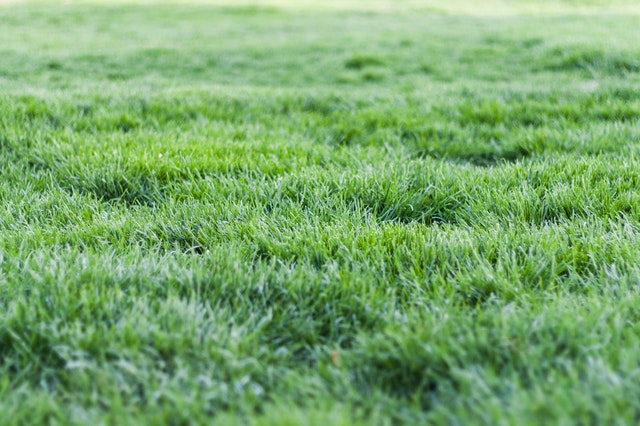
Image Source: www.lawnweedexpert.co.uk
Fathoming Grass Oxygen Production
Grass, like all green plants, is a remarkable organism capable of producing its own food and releasing oxygen as a byproduct through a process called photosynthesis. This fundamental biological process is what sustains life on Earth as we know it.
The Photosynthesis Process Explained Simply:
Photosynthesis is the magical way plants convert light energy into chemical energy. They take in carbon dioxide from the air, water from the soil, and energy from sunlight. Inside specialized parts of their cells called chloroplasts, these ingredients are transformed into glucose (a type of sugar) for the plant’s energy and growth, and oxygen, which is released back into the atmosphere.
The basic chemical equation for photosynthesis is:
6CO₂ (Carbon Dioxide) + 6H₂O (Water) + Light Energy → C₆H₁₂O₆ (Glucose) + 6O₂ (Oxygen)
This means for every molecule of glucose produced, six molecules of oxygen are released. It’s this oxygen release that makes plants so crucial for our breathing.
Deciphering Lawn Photosynthesis Rate
The lawn photosynthesis rate refers to how quickly grass plants convert carbon dioxide into energy and oxygen. This rate isn’t constant; it fluctuates based on several environmental and biological factors.
- Light Intensity: More sunlight generally means a higher photosynthesis rate, up to a certain point.
- Carbon Dioxide Levels: Higher CO₂ concentrations can boost photosynthesis.
- Temperature: Each grass species has an optimal temperature range for photosynthesis. Too hot or too cold, and the rate drops.
- Water Availability: Water is a key ingredient in photosynthesis. Drought-stressed grass will photosynthesize less.
- Nutrient Availability: Plants need nutrients from the soil to build the machinery for photosynthesis.
- Leaf Health and Age: Younger, healthy leaves are generally more efficient than older or damaged ones.
When we talk about a “lawn,” we’re usually referring to a dense covering of grass. While individual grass blades might have a lower oxygen output of turfgrass compared to a large leaf on a tree, the sheer number of blades in a well-maintained lawn can collectively contribute to oxygen production. However, the efficiency of this production needs context.
Trees vs Grass Oxygen: A Comparative Look
It’s essential to put the oxygen contribution of a lawn into perspective, especially when comparing it to other plant life. The common perception is that lawns are significant oxygen producers, but research often paints a different picture when compared to trees.
Why Trees Often Outperform Lawns:
- Leaf Surface Area: Trees have vastly larger leaf surface areas. A single mature tree can have hundreds of thousands of leaves, each performing photosynthesis. A lawn, while dense, has smaller individual blades.
- Biomass and Longevity: Trees are much larger and live much longer than individual grass blades. Their overall biomass (the total mass of organic matter) is significantly greater, meaning they have more photosynthetic material working over a longer period.
- Canopy Structure: Tree canopies create shade and a microclimate, but their primary contribution to oxygen comes from the sheer volume of foliage.
Quantifying the Difference:
Estimates vary widely, but many studies suggest that a single mature tree can produce as much oxygen in a year as a lawn of several hundred square feet. Some research indicates that a mature tree can produce 40-50 gallons of oxygen per day, which translates to over 17,000 gallons per year.
To produce the same amount of oxygen as one mature tree, you would likely need a very large area of lawn, possibly an acre or more, depending on the grass type and its health. This highlights that while lawns contribute, they are not the most efficient oxygen generators in our landscapes.
How Much Oxygen Do Plants Make?
The question of how much oxygen do plants make is broad because “plants” encompass everything from microscopic algae to giant sequoias. The answer is: it depends entirely on the plant’s size, species, health, and environment.
- Algae and Phytoplankton: These microscopic aquatic organisms are responsible for a significant portion of the Earth’s oxygen production, estimated to be between 50-80%.
- Forests: Forests, with their vast number of trees and diverse plant life, are major oxygen producers. They also play a crucial role in absorbing carbon dioxide.
- Grasslands and Lawns: As we’ve discussed, while they contribute, their output is more modest on a per-unit-area basis compared to forests.
- Indoor Plants: Even small houseplants contribute to oxygen production, though the amount is usually negligible in terms of significantly altering indoor air composition.
The efficiency of photosynthesis varies greatly. For instance, some fast-growing grasses might have a higher lawn photosynthesis rate during their peak growing season than some slower-growing trees. However, the cumulative effect of a large tree over its lifespan or a vast forest ecosystem is far more substantial.
Lawn Gas Exchange: The Two-Way Street
Lawn gas exchange is a critical aspect of how lawns interact with the atmosphere, and it’s not just about releasing oxygen. Plants engage in a constant exchange of gases with their surroundings, primarily through tiny pores on their leaves called stomata.
- Photosynthesis (Oxygen Release): As discussed, during photosynthesis, plants take in carbon dioxide (CO₂) and release oxygen (O₂). This happens during daylight hours when light is available.
- Respiration (Oxygen Consumption): All living organisms, including plants, respire. Plant respiration and oxygen is the process where plants break down sugars (produced during photosynthesis) to release energy for their metabolic processes. This process consumes oxygen and releases carbon dioxide. Respiration occurs continuously, day and night.
The Net Effect:
During the day, photosynthesis typically occurs at a much higher rate than respiration, leading to a net release of oxygen and a net uptake of carbon dioxide. At night, only respiration occurs, leading to a net consumption of oxygen and release of carbon dioxide.
For a lawn, the overall impact on air quality depends on the balance between photosynthesis and respiration across all its blades and roots. A healthy, actively growing lawn will generally have a net positive oxygen production during the day.
Oxygen Output of Turfgrass: What the Numbers Say
Pinpointing an exact figure for the oxygen output of turfgrass is challenging due to the variability in grass types, growth conditions, and measurement methods. However, some research provides insights.
Studies suggest that an average lawn might produce roughly 1-2 pounds of oxygen per 1,000 square feet per year. To put this into perspective, one pound of oxygen is about 8.6 cubic feet. So, a 1,000 sq ft lawn might produce about 8.6 to 17.2 cubic feet of oxygen annually.
Let’s compare this to human needs: an average adult human consumes about 10 cubic feet of oxygen per day. This means a 1,000 sq ft lawn would need to be maintained for over 250 years to produce enough oxygen for one person for a single day.
This isn’t to diminish the lawn’s role, but to highlight the scale of production. It underscores why large-scale vegetation, like forests, is so critical for global oxygen levels.
Plant Respiration and Oxygen: The Other Side of the Coin
We’ve touched on plant respiration and oxygen, but it’s worth reiterating its importance in the overall gas exchange. Respiration is the process plants use to convert stored energy (sugars) into usable energy for life functions.
- Energy for Growth: This energy fuels cell division, nutrient uptake, and repair.
- Oxygen Consumption: In this process, oxygen acts as an electron acceptor, combining with hydrogen to form water.
- Carbon Dioxide Release: Carbon dioxide is released as a waste product.
While photosynthesis is what gives plants their “producer” status regarding oxygen, respiration is the ongoing biological “consumer” process that all living cells undertake. The net contribution of oxygen from a plant or lawn is the difference between what it produces during photosynthesis and what it consumes during respiration over a 24-hour cycle.
Grass Carbon Sequestration: More Than Just Oxygen
Beyond oxygen production, grass plays a significant role in grass carbon sequestration. This is the process by which carbon dioxide is removed from the atmosphere and stored in plant tissues and the soil.
- Carbon in Biomass: As grass grows, it absorbs carbon dioxide and incorporates the carbon into its leaves, stems, and roots.
- Soil Carbon: When grass clippings decompose or when roots die and remain in the soil, the carbon they contain can become part of the soil organic matter. Healthy soil is a massive reservoir of carbon.
- Turfgrass Roots: The root systems of turfgrass can extend several inches into the soil, and this organic matter contributes to soil structure and carbon storage.
While the amount of carbon sequestered by a lawn might not be as dramatic as in a mature forest, collectively, the vast areas of turfgrass in urban and suburban environments do make a contribution to mitigating atmospheric carbon dioxide levels. This is often overlooked when focusing solely on oxygen output.
Lawn Air Purification: Beyond Oxygen Generation
Lawns contribute to lawn air purification in several ways, extending beyond their oxygen production.
- Dust and Particulate Matter: Grass blades, with their fine hairs and waxy surfaces, are effective at trapping airborne dust, pollen, and other particulate matter. This helps to clean the air we breathe.
- Cooling Effect: Through transpiration (the release of water vapor from leaves), lawns help cool the surrounding air, reducing the urban heat island effect. Cooler air can hold less moisture and can sometimes reduce the formation of certain air pollutants.
- Noise Reduction: The density of a lawn can also absorb and deflect sound waves, contributing to a quieter environment.
These benefits, combined with their aesthetic appeal and recreational value, contribute to the overall quality of life in developed areas.
Factors Affecting Grass Oxygen Production: A Deeper Dive
Several factors affecting grass oxygen production significantly influence its output.
1. Grass Species
Different grass species have varying photosynthetic rates and growth habits.
- Cool-Season Grasses (e.g., Kentucky Bluegrass, Fescue): Tend to grow actively in cooler temperatures (spring and fall) and have moderate photosynthetic rates.
- Warm-Season Grasses (e.g., Bermuda Grass, Zoysia Grass): Thrive in warmer temperatures and can have very high photosynthetic rates during their peak growing season. However, they go dormant in winter, ceasing photosynthesis.
2. Mowing Practices
How a lawn is mowed can impact its photosynthetic capacity.
- Mowing Height: Taller grass has more leaf surface area exposed to sunlight, potentially increasing photosynthesis. Mowing too short can reduce this surface area and stress the plant.
- Frequency and Sharpness of Blades: Frequent mowing of healthy grass can encourage tillering (producing more shoots), increasing leaf density. Sharp mower blades make cleaner cuts, reducing stress and disease susceptibility, which helps maintain photosynthetic efficiency.
3. Fertilization and Soil Health
Adequate nutrients are vital for photosynthesis.
- Nitrogen: A key component of chlorophyll, the pigment that captures light energy. Nitrogen fertilization can boost photosynthesis.
- Other Nutrients: Phosphorus, potassium, and micronutrients are also essential for healthy plant growth and efficient photosynthesis.
- Soil pH and Aeration: Proper soil pH ensures nutrient availability, and good aeration allows roots to access oxygen for respiration and absorb water and nutrients.
4. Water Availability
Water is a direct reactant in photosynthesis and is crucial for plant turgor, which keeps stomata open.
- Adequate Watering: Promotes healthy, continuous growth and photosynthesis.
- Drought Stress: Causes stomata to close to conserve water, significantly reducing photosynthesis and gas exchange.
5. Sunlight Exposure
Direct sunlight is the energy source for photosynthesis.
- Shade: Areas with heavy shade will have significantly lower photosynthesis rates compared to sunny areas.
- Cloud Cover: Reduces light intensity, temporarily lowering the photosynthesis rate.
6. Age and Health of the Lawn
- Young Grass: Actively growing young grass typically has a high photosynthetic rate as it establishes.
- Mature Grass: A well-established, healthy lawn will maintain a consistent photosynthetic rate.
- Diseased or Pest-Infested Grass: Damaged leaves and stressed plants have reduced photosynthetic capacity.
7. Clipping Management
- Leaving Clippings (Mulching): When grass clippings are left on the lawn, they decompose, returning nutrients to the soil, which can indirectly support photosynthesis. They also add organic matter, contributing to carbon sequestration.
- Removing Clippings: Removes nutrients and organic matter, requiring replenishment through fertilization.
Environmental Benefits Summary: A Broader Perspective
While the direct oxygen output of a lawn might be modest, its environmental benefits are multifaceted:
- Oxygen Production: Contributes to local air quality.
- Carbon Sequestration: Helps remove CO₂ from the atmosphere.
- Air Filtration: Traps dust and particulates.
- Cooling Effect: Reduces urban heat.
- Water Management: Can help with stormwater runoff absorption.
- Erosion Control: Roots stabilize soil.
- Biodiversity Support: Provides habitat for insects and other small organisms.
It’s important to balance the understanding of a lawn’s oxygen contribution with its other vital environmental roles.
Frequently Asked Questions (FAQ)
Q1: Do grass clippings produce oxygen?
Grass clippings, when they are part of a living plant, produce oxygen through photosynthesis. Once cut, they decompose, and during decomposition, they consume oxygen as microorganisms break them down.
Q2: Is a lawn better than concrete for air quality?
Yes, a lawn is significantly better for air quality than concrete. Lawns produce oxygen, trap dust, and help cool the environment. Concrete surfaces do not perform these functions and contribute to the urban heat island effect.
Q3: How often should I water my lawn for optimal photosynthesis?
Watering deeply and less frequently is generally better for lawn health, promoting deeper root growth and thus better nutrient and water uptake. The optimal frequency depends on your grass type, soil, and climate, but aim to water when the grass shows signs of stress (e.g., wilting, dull color).
Q4: Can I increase my lawn’s oxygen production?
You can increase your lawn’s potential oxygen production by ensuring it is healthy. This includes proper mowing height, regular but not excessive watering, appropriate fertilization, and good soil health.
Q5: Do artificial lawns produce oxygen?
No, artificial lawns are made of plastic and do not perform photosynthesis or produce oxygen. They also do not offer the other environmental benefits of living grass.
Q6: What is the primary role of a lawn in the environment?
While oxygen production is a benefit, the primary environmental roles of a lawn include carbon sequestration, air filtration, cooling the environment, and managing stormwater runoff.
By carefully tending to our lawns, we not only enhance their aesthetic and recreational value but also contribute positively to our local environment in various, interconnected ways.