
What is the ideal frequency for dethatching a lawn? The answer depends on several factors, but generally, you should consider dethatching your lawn when the thatch layer exceeds ½ inch in thickness. This is often once a year, but some lawns may need it more or less frequently.
A lush, green lawn is the envy of any neighborhood. Achieving that perfect turf requires consistent care, and a crucial, often overlooked, step in that process is managing thatch. If you’ve ever wondered, “How often should I dethatch my lawn?” you’re in the right place. This in-depth guide will explore everything you need to know about thatch, why it’s important to manage it, and the ideal thatch removal frequency to keep your grass healthy and vibrant.
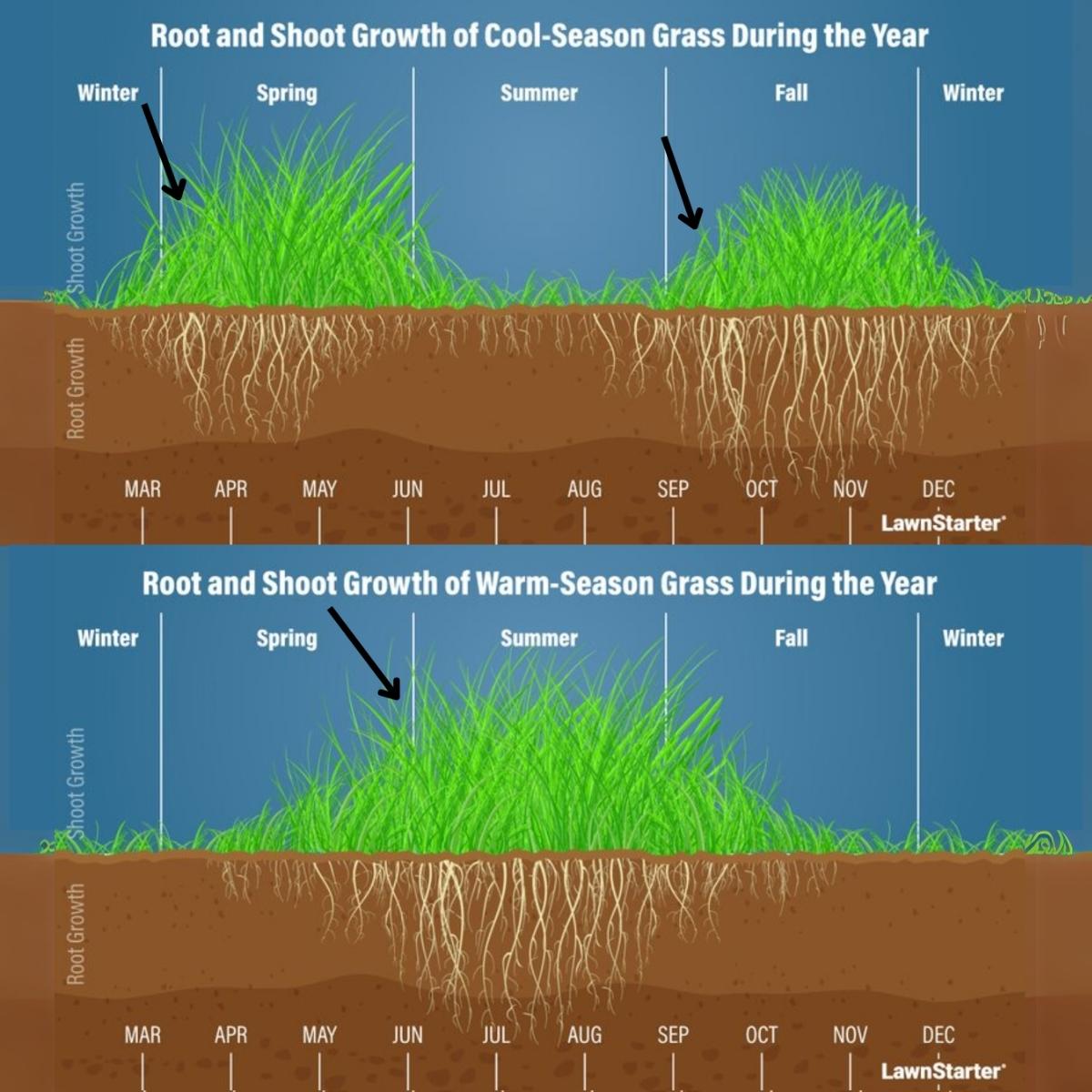
Image Source: www.lawnstarter.com
Deciphering Lawn Thatch
Before we dive into how often to dethatch, let’s first grasp what lawn thatch is. Thatch is a dense layer of dead and living shoots, stems, and roots that accumulates between the green grass blades and the soil surface. It’s a natural byproduct of grass growth, formed from organic materials that don’t decompose quickly.
Thatch Buildup Causes
Several factors contribute to excessive thatch buildup:
- Over-fertilization: Applying too much nitrogen can stimulate rapid grass growth, leading to more organic matter than the soil microbes can break down.
- Improper Mowing: Mowing too high can encourage the development of a denser crown and more stems. Mowing too low, conversely, can stress the grass, making it more susceptible to disease and thatch formation.
- Incorrect Watering: Deep, infrequent watering can encourage deep root growth but can also contribute to thatch if not balanced with proper soil aeration.
- Poor Soil Aeration: Compacted soil limits oxygen and microbial activity, hindering the decomposition of organic matter.
- Grass Type: Certain grass species, like Kentucky bluegrass, fescues, and bahiagrass, are more prone to thatch buildup than others, such as perennial ryegrass or zoysiagrass.
- Acidic Soil pH: Low soil pH can slow down microbial activity, preventing the breakdown of thatch.
Identifying Excessive Thatch
You can easily check for thatch buildup by simply parting the grass blades down to the soil surface. If you see a spongy, brownish layer that is more than ½ inch thick, it’s time to consider dethatching.
Why Dethatching is Essential for Lawn Health
A thin layer of thatch (less than ½ inch) can actually be beneficial, acting as a natural mulch, insulating the soil, and retaining moisture. However, when thatch becomes too thick, it creates a barrier that hinders essential lawn processes.
The Negative Impacts of Thick Thatch
- Restricts Water Penetration: Thick thatch acts like a sponge, holding water on the surface and preventing it from reaching the soil and roots. This can lead to shallow root systems and drought stress.
- Limits Nutrient Uptake: Fertilizers and soil amendments struggle to penetrate a dense thatch layer, meaning your grass roots don’t receive the nutrients they need.
- Provides a Haven for Pests and Diseases: The moist, dark environment within thick thatch is ideal for grubs, chinch bugs, and various fungal diseases.
- Reduces Air Circulation: Lack of air to the soil can suffocate grass roots and create anaerobic conditions, which are unfavorable for healthy growth.
- Deters Seed Germination: If you plan on overseeding, a thick thatch layer will prevent new grass seeds from making contact with the soil, drastically reducing germination rates.
How Often Should You Dethatch? Determining Your Lawn’s Needs
The question of how often to dethatch lawn is not a one-size-fits-all answer. It’s a decision based on observation and the specific conditions of your lawn.
Key Factors Influencing Dethatching Frequency
- Grass Type: As mentioned, some grasses naturally produce more thatch. Cool-season grasses like Kentucky bluegrass and fescues tend to thatch more than warm-season grasses.
- Fertilization Practices: Aggressive fertilization, especially with high-nitrogen products, will accelerate thatch buildup.
- Soil Conditions: Soil that is poorly aerated or has a slow decomposition rate will lead to faster thatch accumulation.
- Climate: Milder climates with longer growing seasons might see thatch build up faster than areas with harsh winters or short growing periods.
- Mowing Habits: Consistently mowing at the wrong height can contribute to thatch.
General Guidelines for Thatch Management
As a general rule, most lawns benefit from dethatching when the thatch layer reaches ½ inch. Here’s a breakdown of typical frequencies:
- Once a Year: Many lawns, especially those with susceptible grass types or aggressive fertilizing schedules, will need dethatching annually.
- Every 2-3 Years: Lawns with less aggressive grass types, managed with moderate fertilization, and good soil health might only need dethatching every couple of years.
- Less Than Once a Year (Rarely): If you have a very slow-growing grass in ideal soil conditions with minimal fertilization, you might find you don’t need to dethatch every year. However, it’s still crucial to monitor thatch levels.
The Importance of Monitoring Thatch
The most accurate way to determine how often to dethatch lawn is to check your thatch layer regularly. Grab a spade or trowel, dig up a small plug of turf, and examine the layer between the green grass and the soil. If it’s ¼ inch or less, you’re likely in good shape. If it’s between ¼ and ½ inch, keep an eye on it. Once it consistently exceeds ½ inch, it’s time for action.
When is the Best Time to Dethatch? Timing is Everything
Knowing when to dethatch is as crucial as knowing how often. Dethatching is a stressful process for your lawn, so timing it correctly minimizes damage and promotes quick recovery.
The Best Time to Dethatch
The optimal time to dethatch is during your lawn’s active growing season. This allows the grass to recover quickly from the stress of dethatching.
- Cool-Season Grasses (e.g., Kentucky Bluegrass, Fescue, Ryegrass): The best times are late summer to early fall (August to October) and early spring (March to May). Fall is often preferred because it allows the grass to establish before winter and recover before the peak heat of summer.
- Warm-Season Grasses (e.g., Bermuda, Zoysia, St. Augustine): The ideal window is late spring to early summer (May to July), after the grass has fully broken dormancy and is actively growing.
Times to Avoid Dethatching
- Drought Conditions: Never dethatch during a drought. Your grass is already stressed, and dethatching will only worsen its condition.
- Extreme Heat: Avoid dethatching during periods of extreme heat, as this further stresses the grass.
- Dormancy: Dethatching a dormant lawn is counterproductive; it won’t recover and will be susceptible to damage.
Dethatching vs. Aeration: What’s the Difference and When to Do Both?
Many homeowners confuse dethatching with aeration, but they are distinct processes that address different issues.
Dethatching
- Purpose: To remove the thick layer of dead organic matter (thatch) that sits on top of the soil.
- Tool: A dethatcher (also called a scarifier or power rake) with vertical blades that cut into the thatch layer and pull it to the surface.
- Effect: Exposes the soil, allowing water, air, and nutrients to reach the grass roots. It also removes matted grass clippings and debris.
Aeration
- Purpose: To relieve soil compaction and improve air, water, and nutrient penetration by creating small holes in the soil.
- Tool: An aerator, typically a core aerator that pulls out small plugs of soil, or a spike aerator that punches holes.
- Effect: Loosens compacted soil, allowing roots to grow deeper and improving the soil’s ability to absorb water and nutrients.
When to Do Which
- Thatch Buildup: If your primary concern is a thick, spongy layer of dead organic matter, dethatching is your priority.
- Compacted Soil: If your soil is hard, water runs off easily, and grass roots struggle to grow deeply, aeration is needed.
- Combined Issues: Often, compacted soil and thatch buildup go hand-in-hand. In these cases, it’s beneficial to perform both processes. A common approach is to aerate first, then dethatch. Aeration can help break up the thatch slightly, making dethatching more effective. Alternatively, dethatch first to remove the surface barrier, then aerate to further improve soil conditions. Always consult the specific needs of your lawn.
How to Dethatch Your Lawn: A Step-by-Step Guide
Once you’ve determined that dethatching is necessary and the time is right, here’s how to do it effectively.
Preparation is Key
- Mow the Lawn: Mow your grass to about 1 to 1.5 inches high. Shorter grass makes thatch removal easier and protects the crown of the plant.
- Clear Debris: Remove any sticks, leaves, or other surface debris from the lawn.
- Water the Lawn (Lightly): A day before dethatching, give your lawn a light watering. This can help the dethatcher blades penetrate more easily without tearing up the soil.
Dethatching Methods
There are two primary ways to dethatch your lawn:
Using a Power Dethatcher (Scarifier)
This is the most efficient method for larger lawns.
- Dethatching Equipment Rental: You can rent power dethatchers from most equipment rental centers. They come in various sizes and power sources.
- Operating the Dethatcher:
- Set the dethatcher to a shallow depth initially, just enough to engage the thatch.
- Work the dethatcher back and forth across the lawn in one direction.
- For heavily thatched areas, you may need to make a second pass in the perpendicular direction.
- Gradually increase the depth if needed, being careful not to damage the grass crowns.
- Collection: The dethatcher will rake up a significant amount of thatch and debris. You’ll need to rake and bag this material for disposal or composting.
Using a Lawn Rake (Manual Dethatching)
This method is suitable for smaller lawns or for spot dethatching.
- The Tool: Use a stiff, thatching rake (also known as a dethatching rake or spring-tooth rake). These rakes have closely spaced, flexible tines designed to pull up thatch.
- The Process:
- Work the rake across the lawn in short, firm strokes, pulling backward.
- Concentrate your effort on areas with the most visible thatch.
- This is labor-intensive but effective for small areas.
- Gather the loosened thatch into piles and remove it.
Post-Dethatching Care
Dethatching can leave your lawn looking rough, but proper follow-up care will help it recover and thrive.
- Clean Up Thatch: Rake up all the loosened thatch and debris. This material can be composted.
- Overseeding: If you have bare patches or thin areas, now is the ideal time for overseeding after dethatching. The exposed soil provides an excellent seedbed for new grass to germinate. Mix the thatch and soil removal with a thin layer of compost for added nutrients.
- Fertilize: Apply a balanced fertilizer to help the lawn recover and encourage new growth.
- Water Consistently: Water the lawn regularly, especially if you’ve overseeded. Keep the top inch of soil moist until new seeds germinate and young grass is established.
- Mow Properly: Resume regular mowing, but avoid cutting too much off at once.
Reducing Lawn Thatch for Long-Term Health
While dethatching is the solution for existing thatch, implementing practices to reduce lawn thatch can help prevent it from becoming a problem in the first place.
Ongoing Practices for Thatch Prevention
- Mow High: Set your mower to the higher end of the recommended range for your grass type. Taller grass develops a stronger root system and less surface thatch.
- Leave Grass Clippings: If you mow frequently and your clippings are small, leaving them on the lawn (grasscycling) actually helps return nutrients to the soil and encourages decomposition. Avoid leaving large clumps.
- Water Deeply and Infrequently: Encourage deep root growth by watering thoroughly but less often. This helps the soil microbes work more effectively at breaking down organic matter.
- Fertilize Responsibly: Use slow-release fertilizers and avoid over-fertilizing. Follow recommended application rates and timing for your grass type.
- Aerate Regularly: Aerating your lawn at least once a year (or more if you have compacted soil) significantly improves air and water penetration, aiding decomposition.
- Improve Soil Health: Test your soil pH regularly and amend it as needed. Healthy soil with a good balance of microorganisms is crucial for breaking down thatch. Adding compost can also improve soil structure and microbial activity.
- Choose the Right Grass: If you’re starting a new lawn or renovating, consider grass varieties known for their resistance to thatch buildup.
Preparing Your Lawn for Winter: The Role of Dethatching
Proper preparing lawn for winter is vital for its survival and health in the spring. Dethatching can play a role in this process.
Dethatching in the Fall
As mentioned, fall is an excellent time to dethatch cool-season grasses. By removing excess thatch before winter, you:
- Prevent Winter Damage: Thick thatch can trap moisture, which can freeze and damage grass crowns. It also provides insulation for pests that can overwinter and damage your lawn in the spring.
- Allow Nutrients to Reach Roots: Fertilizers applied in the fall can reach the roots more effectively when thatch is managed.
- Improve Snow Mold Resistance: A thatch-free surface can help prevent the development of snow mold, a fungal disease that thrives in damp, matted conditions under snow.
What About Warm-Season Grasses?
For warm-season grasses, it’s generally best to avoid dethatching in late fall. They are entering dormancy, and any stress from dethatching could hinder their ability to prepare for winter. Focus on other winter preparation tasks like final mowing and leaf removal for these types.
Dethatching Services Cost
If you prefer to leave the work to the professionals, you’ll want to know about dethatching services cost. The price can vary significantly based on several factors:
- Lawn Size: The larger your lawn, the more it will cost.
- Thatch Thickness: Heavily thatched lawns may require more passes or specialized equipment, increasing the price.
- Location: Labor costs and demand vary by region.
- Service Provider: Different companies have different pricing structures.
- Additional Services: Some companies may bundle dethatching with aeration, fertilization, or overseeding, which will affect the overall cost.
Average Cost Estimates:
- Small Lawns (under 5,000 sq ft): $100 – $250
- Medium Lawns (5,000 – 10,000 sq ft): $200 – $400
- Large Lawns (over 10,000 sq ft): $300 – $700+
When getting quotes, ensure you understand what the service includes and ask about their experience with thatch removal.
Frequently Asked Questions (FAQ)
Q1: How often should I dethatch my lawn?
A: You should dethatch your lawn when the thatch layer exceeds ½ inch. For most lawns, this means once a year, typically in the active growing season. However, the actual frequency depends on grass type, fertilization, and soil conditions. Regular monitoring is key.
Q2: Can I dethatch my lawn too often?
A: Yes, you can. Dethatching is stressful for grass. If done too frequently or at the wrong time of year, it can weaken the lawn. Stick to dethatching only when the thatch layer is problematic.
Q3: What happens if I don’t dethatch my lawn?
A: If thatch buildup is excessive (over ½ inch), it can lead to poor water and nutrient penetration, harbor pests and diseases, and hinder root growth, resulting in a less healthy and less resilient lawn.
Q4: Is it better to dethatch or aerate first?
A: It depends on your lawn’s condition. If thatch is the primary issue, dethatching is crucial. If soil compaction is the main problem, aeration is needed. Often, performing both is beneficial. Many recommend aerating first, then dethatching, as aeration can loosen thatch, making dethatching more effective. Alternatively, dethatch first to clear the surface, then aerate to improve soil.
Q5: What is the best time of year to dethatch?
A: The best time is during the active growing season for your grass type. For cool-season grasses, this is typically early spring or late summer/early fall. For warm-season grasses, late spring to early summer is ideal. Avoid extreme heat, drought, or when the grass is dormant.
Q6: How can I tell if my lawn has too much thatch?
A: Part the grass blades down to the soil. If you can feel a spongy, rubbery layer that is more than ½ inch thick, you have excessive thatch.
Q7: Can I use a regular lawn rake to dethatch?
A: For smaller lawns or minor thatch issues, a stiff thatching rake can be effective. However, for larger lawns or significant thatch buildup, a power dethatcher or scarifier is much more efficient.
Q8: What should I do after dethatching?
A: After dethatching, clean up the thatch, consider overseeding any bare spots, fertilize to promote recovery, and water consistently.
By understanding the causes of thatch, recognizing its impact, and following the guidelines for when and how often to dethatch, you can ensure your lawn remains healthy, lush, and resilient for years to come. Regular monitoring and proactive care are your best tools for achieving the lawn of your dreams.