
Can you get rid of clover in your lawn? Yes, you absolutely can! This guide will show you how to effectively remove clover and keep it from coming back, ensuring a lush, healthy lawn.
Clover, specifically white clover (Trifolium repens), is a common lawn invader. While it has some benefits, like fixing nitrogen in the soil, most homeowners prefer a uniformly green, weed-free lawn. Dealing with clover might seem like a losing battle, but with the right knowledge and approach, you can achieve clover removal and maintain a beautiful yard.
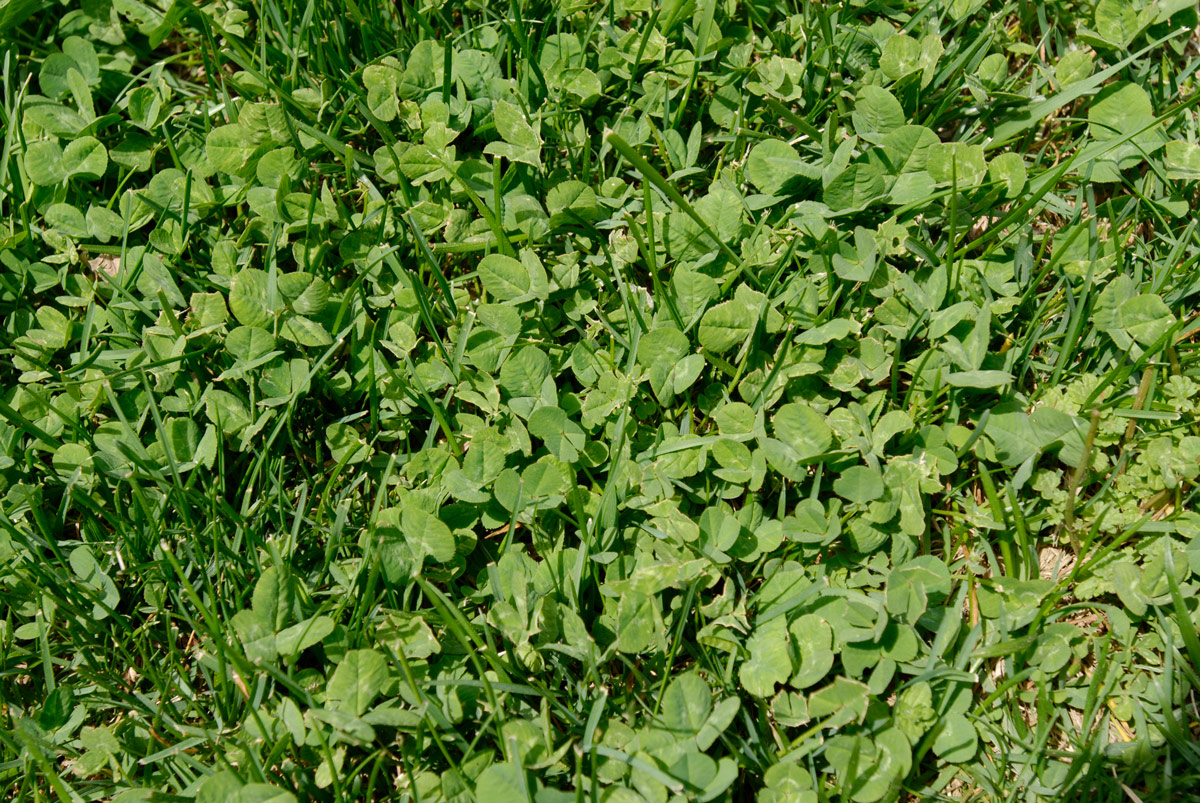
Image Source: naturalawn.com
Why Clover Takes Over Your Lawn
Before we dive into how to kill clover lawn, it’s helpful to understand why it thrives. Clover is a hardy, low-growing plant that spreads through runners (stolons). It loves compacted soil, areas that are frequently mowed too short, and lawns lacking essential nutrients. Its small, white flowers attract pollinators, but the prolific growth can outcompete your desirable grass species.
Identifying Clover in Your Lawn
White clover is easily recognizable by its three leaflets, often with a lighter green or white “V” or crescent shape on each. It has a round, dense growth habit and small, white, puffy flower heads in the summer. It tends to be a brighter green than most turfgrasses.
Methods for Clover Removal
There are several ways to tackle clover, ranging from manual removal to chemical treatments. The best time to kill clover is often during its active growth period, typically spring and fall.
1. Manual Clover Removal (The Organic Approach)
For smaller infestations or if you prefer a natural clover killer, manual removal is an option.
Digging Out Clover
- Tools: You’ll need a trowel, a garden fork, or a specialized weed puller.
- Process:
- Water the lawn thoroughly before you begin. This softens the soil, making it easier to pull the entire plant, including the roots and runners.
- Carefully dig around the clover patch, aiming to get as much of the root system as possible.
- Pull the clover straight up.
- Dispose of the pulled clover in a compost bin or trash bag. Don’t leave it on the lawn, as it can re-root.
- Fill the holes with topsoil and reseed with your desired grass seed to prevent new weeds from taking hold.
- Pros: Completely natural, no chemicals involved.
- Cons: Labor-intensive, time-consuming, and often impractical for large areas. It can also leave bare spots that are susceptible to new weed growth.
2. Chemical Clover Removal
Chemical treatments are generally more effective for widespread clover problems. The key is to use the right product at the right time.
Broadleaf Weed Killer
- What it is: Broadleaf weed killer is designed to target and kill plants with broad leaves, like clover, dandelions, and plantain, without harming grasses.
- How it works: These herbicides contain active ingredients that are absorbed by the leaves and translocated throughout the plant, disrupting its growth processes.
- Application:
- Read the Label: Always follow the manufacturer’s instructions precisely. Pay attention to application rates, timing, and safety precautions.
- Choose the Right Product: Look for products specifically labeled for clover control and safe for your turf type. Common active ingredients include 2,4-D, MCPP (mecoprop), and dicamba. Products containing quinclorac can also be effective.
- Spot Treat Clover: For smaller patches, using a ready-to-use spray bottle to spot treat clover is efficient. This minimizes chemical use and potential harm to surrounding grass.
- Broadcast Application: For larger infestations, you might need to use a hose-end sprayer or a granular spreader.
- Timing: Apply when clover is actively growing and temperatures are between 60-85°F (15-29°C). Avoid applying before or after rain, as it can wash the herbicide away or reduce its effectiveness. Do not mow your lawn 2-3 days before or after application, as this removes the leaf surface area that absorbs the herbicide.
- Important Note on Dandelions: If you also struggle with dandelion clover control, a broadleaf weed killer will often tackle both simultaneously.
Herbicides to Consider for Clover
- Triclopyr: Highly effective against clover and many other broadleaf weeds. It’s often found in combination products.
- Dicamba: Another effective broadleaf herbicide. It can be more volatile than others, so consider wind conditions when applying.
- Mecoprop (MCPP) & 2,4-D: These are common ingredients in many lawn weed killers. They work well on young, actively growing clover.
- Quinclorac: Particularly effective against crabgrass but also shows good activity on clover.
- Fenoxaprop-p-ethyl: This selective herbicide can be effective against clover and is safe for many types of grass.
3. Natural and Organic Clover Killing Methods
If you’re looking to remove clover organically, or seeking a natural clover killer, there are a few options, though they may require more persistence.
Vinegar
- What it is: Household vinegar (acetic acid) can kill plants on contact.
- How it works: The acetic acid burns the plant’s foliage.
- Application:
- Use horticultural vinegar (higher concentration, around 10-20%) for better results. Household vinegar (5%) might work but requires more applications.
- Spray directly onto the clover leaves, preferably on a sunny day.
- Be extremely careful not to get vinegar on your desired grass, as it will kill it too.
- Pros: Natural, readily available.
- Cons: Non-selective, meaning it will kill any plant it touches, including grass. It primarily kills the top growth and may not eliminate the roots, leading to regrowth. Multiple applications are usually necessary.
Boiling Water
- What it is: Hot water can scald and kill plants.
- How it works: The heat destroys plant cells.
- Application:
- Boil a kettle of water.
- Carefully pour the boiling water directly over the clover patches.
- Pros: Natural, no chemicals.
- Cons: Non-selective, will kill grass. It’s only practical for very small, isolated patches. Repeated applications may be needed.
Corn Gluten Meal (as a Pre-Emergent)
- What it is: Corn gluten meal is a natural byproduct of corn milling.
- How it works: When applied to soil, it inhibits root formation in germinating seeds. It’s considered a pre-emergent for clover.
- Application:
- Apply in early spring, before clover seeds (or grass seeds) have a chance to germinate.
- Apply at a rate of about 20 pounds per 1,000 square feet.
- Water it in lightly.
- Pros: Organic, acts as a fertilizer, helps prevent new weeds.
- Cons: Effectiveness can be variable. It needs to be applied at the correct time and watered in. It will also prevent desirable grass seed from germinating, so it cannot be used immediately after overseeding.
4. Cultural Practices for Long-Term Clover Control
The most sustainable way to manage clover is to create a lawn environment that discourages its growth. This focuses on improving your turf’s health.
Mowing Practices
- Mow High: Set your mower to the highest recommended setting for your grass type. Taller grass shades the soil, which discourages clover germination and growth. It also helps your grass outcompete weeds.
- Sharp Mower Blades: Ensure your mower blades are sharp. Dull blades tear grass, making it susceptible to disease and stress, which clover can exploit.
Watering
- Deep and Infrequent: Water your lawn deeply but infrequently. This encourages grass roots to grow deeper, making the turf more drought-tolerant and resilient. Shallow, frequent watering can favor shallow-rooted weeds like clover.
Fertilization
- Proper Nutrition: Feed your lawn with appropriate fertilizers based on soil tests. A healthy, well-fed lawn with the right balance of nutrients will be denser and better able to compete with weeds like clover. Clover thrives in nitrogen-deficient soils because it can fix its own nitrogen. By providing adequate nitrogen to your grass, you make the environment less favorable for clover.
Aeration
- Relieve Compaction: Compacted soil is a prime environment for clover. Aerating your lawn (removing small plugs of soil) helps to relieve compaction, improve air and water penetration, and encourage deeper root growth in your grass. Do this in the fall or spring when the grass is actively growing.
Overseeding
- Thicken Your Lawn: Overseeding with a high-quality grass seed, especially in the fall, can help thicken your lawn and fill in any thin or bare spots where clover might otherwise take hold.
How to Prevent Clover
Prevention is always better than cure. By implementing good lawn care practices, you can significantly reduce the chances of clover establishing itself.
- Maintain a Healthy, Dense Lawn: This is your first line of defense. A thick, vigorous lawn naturally crowds out weeds.
- Proper Soil pH: Get a soil test to ensure your soil pH is within the optimal range for your grass type. Most turfgrasses prefer a slightly acidic to neutral pH (6.0-7.0). Clover, on the other hand, can tolerate a wider range of pH levels and often thrives in less than ideal conditions for grass.
- Avoid Over-Fertilizing with Nitrogen: While your grass needs nitrogen, excessive application can sometimes create an imbalance that favors clover. Follow recommended fertilization schedules.
- Water Wisely: As mentioned, deep, infrequent watering promotes strong grass roots.
- Mow at the Correct Height: Never scalp your lawn. Mow high to shade the soil.
- Address Bare Spots Promptly: If you notice any bare patches, reseed them immediately to prevent weed seeds from germinating.
Combining Strategies for Optimal Clover Removal
Often, the most effective approach to clover removal involves a combination of methods.
- Assess Your Lawn: Determine the extent of the clover infestation.
- Choose Your Primary Method:
- For light infestations and a desire for organic methods: Manual removal combined with improved cultural practices.
- For moderate to heavy infestations: A targeted broadleaf weed killer or a systemic herbicide.
- Implement Cultural Practices: Regardless of your primary method, focus on improving lawn health through proper mowing, watering, and fertilization. This is crucial for long-term clover removal and prevention.
- Consider Pre-Emergent for Clover: If you’ve had significant issues in the past, a pre-emergent for clover applied in early spring can help prevent new seedlings from establishing.
Best Time to Kill Clover
The best time to kill clover with herbicides is when it is actively growing, typically in the spring and early fall.
- Spring: Apply herbicides when temperatures are consistently between 60-85°F (15-29°C), and clover has emerged and is actively growing. Avoid applying when temperatures are too high, as this can stress the grass and potentially damage it.
- Fall: This is often considered the ideal time to treat for broadleaf weeds like clover. Grasses are entering dormancy, while many broadleaf weeds are still actively growing and preparing for winter. This allows the herbicide to be more effectively absorbed by the weeds with less risk of damaging the turf. Apply in early fall when temperatures are still favorable for weed growth.
Crucial Considerations Before Applying Herbicides:
- Weather: Avoid spraying on windy days to prevent drift onto desirable plants or areas. Do not spray if rain is expected within 24 hours.
- Mowing: Do not mow your lawn for 2-3 days before or after applying a liquid herbicide. This ensures maximum leaf surface area for absorption.
- Turf Type: Ensure the herbicide is labeled as safe for your specific type of grass (e.g., fescue, Kentucky bluegrass, Bermuda grass).
Dealing with Dandelion and Clover Together
If your lawn is plagued by both dandelions and clover, you’ll want a treatment that handles both. Many broadleaf weed killer products are formulated to control a wide spectrum of common lawn weeds, including both dandelion clover control. Look for labels that specifically mention control of both. Applying in early fall is often highly effective for tackling both these persistent weeds.
Spot Treat Clover Effectively
When you only have a few clover patches, spot treat clover is the most efficient and environmentally friendly approach.
- Select Your Spot Treatment: This could be a ready-to-use spray bottle of broadleaf weed killer or a concentrated product mixed according to label instructions.
- Protect Surrounding Grass: If using a spray, use a shield (like a piece of cardboard) behind the target clover patch to prevent overspray onto the lawn.
- Apply Directly: Aim to coat the clover leaves thoroughly.
- Repeat if Necessary: Some stubborn clover may require a second application a couple of weeks later.
FAQ: Your Clover Questions Answered
Q1: Is clover bad for my lawn?
While clover fixes nitrogen and can attract pollinators, it’s often considered an undesirable weed because its growth habit can be patchy and uneven, and it can outcompete desirable grass species for resources.
Q2: Can I kill clover without killing my grass?
Yes, by using selective broadleaf weed killer products specifically designed for lawns. These herbicides target broadleaf weeds like clover while leaving grasses unharmed when used according to label directions.
Q3: How long does it take for clover killer to work?
Results can vary depending on the product and conditions. Typically, you’ll start to see wilting and discoloration of the clover within a few days to a week after application. Complete clover removal might take a couple of weeks and possibly a second application for stubborn patches.
Q4: What is the best natural clover killer?
While vinegar and boiling water can kill clover, they are non-selective. For a more effective organic approach, focus on improving lawn health through cultural practices and consider corn gluten meal as a pre-emergent for clover. For direct killing, repeated manual removal is the most reliable natural method.
Q5: Should I remove clover if it’s already in my lawn?
If your goal is a uniformly green, dense lawn, then yes, removing clover is advisable. If you don’t mind its presence, clover can contribute nitrogen to the soil, potentially reducing the need for fertilization, and it’s a good food source for pollinators.
By understanding the best methods and timing for clover removal, and by committing to improving your lawn’s overall health, you can effectively kill clover lawn and enjoy a beautiful, healthy landscape. Remember that persistence and consistent care are key to maintaining a weed-free and vibrant lawn.