
A healthy, green lawn requires a balanced feeding plan. For most cool-season grasses, fertilizing 3-4 times a year is ideal, while warm-season grasses often benefit from 2-3 applications.
Achieving a lush, vibrant lawn isn’t just about mowing and watering. It’s also about providing the right nutrients at the right times. The question of how many times should you fertilize your lawn is crucial for its health and appearance. Fertilizing too little can leave your grass looking weak and discolored, while fertilizing too much can harm your lawn and the environment. This guide will help you create the perfect lawn fertilization schedule tailored to your grass type and local climate.
Image Source: www.canr.msu.edu
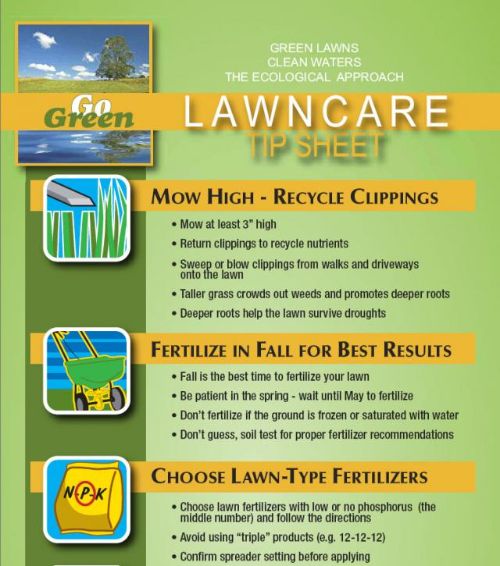
Deciphering Your Lawn’s Nutrient Needs
Your lawn’s grass is a living organism that needs food to grow strong roots, develop dense foliage, and resist pests and diseases. Fertilizers provide these essential nutrients. The primary macronutrients are nitrogen (N), phosphorus (P), and potassium (K), often represented by three numbers on fertilizer bags (e.g., 10-10-10).
- Nitrogen (N): This is the most important nutrient for green, leafy growth. It’s like protein for your grass.
- Phosphorus (P): Essential for root development and seedling establishment. It helps your grass grow a strong foundation.
- Potassium (K): Helps the grass cope with stress, like drought, heat, and cold. It’s like a vitamin for resilience.
Beyond these primary nutrients, grass also needs secondary macronutrients (calcium, magnesium, sulfur) and micronutrients (iron, manganese, zinc, etc.) in smaller amounts. A good fertilizer should provide a balanced mix, but understanding the nutrient needs lawn have will help you choose the right product and apply it correctly.
Factors Influencing Fertilizing Frequency
The ideal fertilizing frequency depends on several factors. Knowing these will help you customize your lawn care schedule.
Grass Type is Key
The most significant factor is your grass type. Grasses are broadly categorized into cool-season and warm-season types.
- Cool-Season Grasses: These grasses thrive in cooler temperatures (spring and fall) and go dormant in the heat of summer and the cold of winter. Examples include Kentucky bluegrass, perennial ryegrass, and fescues. They have a more active growth period and generally require more frequent feeding to maintain their vigor throughout their active seasons.
- Warm-Season Grasses: These grasses grow most actively during the hot summer months and go dormant in the winter. Examples include Bermuda grass, Zoysia grass, and St. Augustine grass. They have a shorter active growing season and typically need fewer fertilizer applications.
Soil Health and Type
The condition of your soil plays a vital role.
- Soil Testing: The most accurate way to determine your lawn’s nutrient needs is through a soil test. Your local cooperative extension office can perform these tests. They’ll tell you what nutrients are lacking and the soil’s pH level. Grass prefers a slightly acidic to neutral pH (6.0-7.0).
- Soil Composition: Sandy soils drain quickly and can lose nutrients faster than clay soils. You might need to fertilize more often on sandy soils. Compacted soils hinder nutrient uptake, so aeration is crucial.
Climate and Weather
Your local climate dictates the best fertilizer application schedule.
- Growing Seasons: Fertilizing should ideally coincide with your grass’s active growing periods. Fertilizing dormant grass is ineffective and can even be harmful.
- Rainfall: Excessive rainfall can wash away newly applied fertilizer, reducing its effectiveness and potentially polluting waterways.
- Heat: Avoid fertilizing during periods of extreme heat and drought, as this can stress the grass and lead to burn.
Fertilizer Type
The type of fertilizer you use also affects how often to fertilize grass.
- Quick-Release Fertilizers: These provide a rapid green-up but can burn the lawn if applied too heavily or too often. They require more frequent applications.
- Slow-Release Fertilizers: These release nutrients gradually over several weeks or months, providing a more consistent feeding and reducing the risk of burning. They are ideal for a less frequent lawn fertilization schedule.
A Tailored Lawn Fertilization Schedule: Cool-Season Grasses
For cool-season grasses, the goal is to feed them during their peak growth periods in spring and fall, with a lighter application in late spring/early summer to help them through the heat.
Spring Fertilization (Late March to May)
This is a critical feeding. Your lawn is emerging from dormancy and needs nutrients to start growing actively.
- Timing: Apply fertilizer when the grass has greened up and shows signs of active growth. Avoid applying before the final spring frost or when temperatures are consistently above 85°F (29°C).
- Nutrient Focus: A balanced fertilizer or one slightly higher in nitrogen (e.g., 20-5-10 or 24-0-6) is beneficial.
- Frequency: This is your first application of the year.
Early Summer Fertilization (Late May to June)
This application is more about maintenance and helping the grass withstand summer stress.
- Timing: Apply only if your grass is still actively growing. If you experience a prolonged dry spell or extreme heat, it’s best to skip this application.
- Nutrient Focus: Use a fertilizer with a lower nitrogen content and potentially more potassium to help with heat and drought tolerance. Slow-release nitrogen is preferred.
- Frequency: This is your second application.
Fall Fertilization (September to November)
Fall is arguably the most important time to fertilize cool-season grasses.
- Timing: Apply after the peak summer heat has passed, when temperatures are consistently cooler, but before the ground freezes.
- Nutrient Focus: A fertilizer with a higher nitrogen content and moderate potassium is ideal (e.g., 24-0-6 or similar). This promotes root growth and stores energy for winter.
- Frequency: This is your third application.
Late Fall/Dormant Feeding (November)
Some experts recommend a final application just before the ground freezes.
- Timing: Apply when growth has essentially stopped, but the ground is not yet frozen.
- Nutrient Focus: Focus on nitrogen, as it will be available for early spring growth when the soil thaws.
- Frequency: This can be your fourth application if conditions allow.
Table 1: Cool-Season Grass Fertilization Schedule
| Season | Timing | Nutrient Focus | Notes |
|---|---|---|---|
| Spring | Late March – May (when grass is green and growing) | Balanced or higher nitrogen (N) | Encourages vigorous leaf growth. |
| Early Summer | Late May – June (if actively growing and not too hot/dry) | Lower N, higher potassium (K) (slow-release N best) | Helps with heat/drought tolerance. Skip if stressed. |
| Fall | September – November (after summer heat, before ground freezes) | Higher N, moderate K | Crucial for root development and winter hardiness. |
| Late Fall | November (just before ground freezes, growth has stopped) | Nitrogen (N) | Provides early spring nutrition. |
A Tailored Lawn Fertilization Schedule: Warm-Season Grasses
Warm-season grasses have a different growth cycle, with peak activity in summer. They typically need fewer applications.
Late Spring/Early Summer Fertilization (May to June)
This is the most important feeding for warm-season grasses.
- Timing: Apply after the grass has fully greened up and is actively growing. Avoid fertilizing too early when it’s still waking up.
- Nutrient Focus: A fertilizer with a good amount of nitrogen (e.g., 16-4-8 or 21-7-14) will promote robust growth.
- Frequency: This is your first application.
Mid-Summer Fertilization (July to August)
A second application can help maintain color and density during the hottest months.
- Timing: Apply during active growth. Avoid fertilizing during severe drought.
- Nutrient Focus: Similar to the first application, a balanced or nitrogen-rich fertilizer is good. Slow-release options are beneficial.
- Frequency: This is your second application.
Fall Fertilization (September to October)
Some warm-season grasses can benefit from a late-season feeding.
- Timing: Apply before the grass starts to go dormant for the winter.
- Nutrient Focus: A fertilizer slightly higher in potassium can help the grass prepare for winter dormancy.
- Frequency: This is your third application if needed.
Table 2: Warm-Season Grass Fertilization Schedule
| Season | Timing | Nutrient Focus | Notes |
|---|---|---|---|
| Late Spring | May – June (after grass is fully green and growing) | Balanced or higher nitrogen (N) | Promotes initial growth and density. |
| Mid-Summer | July – August (during active growth) | Balanced or nitrogen-rich (slow-release N best) | Maintains color and vigor through heat. Avoid during drought. |
| Fall | September – October (before dormancy) | Moderate N, higher potassium (K) | Helps grass store energy for winter and prepare for dormancy. |
Determining the Best Time to Fertilize Lawn
Beyond seasonal timing, consider these points for the best time to fertilize lawn:
- After Mowing: Fertilize after mowing, so the fertilizer granules don’t stick to the grass blades and cause a burn.
- Before Rain: If possible, fertilize a day or two before a scheduled rain. The rain will help dissolve the fertilizer and carry it into the soil. However, if heavy rain is imminent, it might be better to wait to avoid runoff.
- Avoid Peak Heat: Never fertilize when temperatures are consistently above 85°F (29°C), especially for cool-season grasses. This can stress the grass and lead to “fertilizer burn.”
- Water In: If there’s no rain in the forecast, water your lawn lightly after fertilizing to help the nutrients reach the soil. About a quarter to a half-inch of water is usually sufficient.
What Happens if You Fertilize Your Lawn Too Much?
Fertilizing lawn too much can cause significant problems:
- Fertilizer Burn: Excess fertilizer salts draw moisture out of the grass blades, causing brown, scorched patches.
- Excessive Thatch: Too much nitrogen can lead to rapid growth and a buildup of thatch (dead organic matter), which can harbor pests and diseases and prevent water and air from reaching the roots.
- Weak Growth: Ironically, over-fertilizing can lead to weaker, more susceptible grass that is prone to disease and insect infestation.
- Environmental Damage: Excess fertilizer can leach into groundwater or run off into streams and lakes, contributing to water pollution and algal blooms.
- Increased Mowing: You’ll find yourself mowing much more frequently, which can be time-consuming and lead to other lawn care issues if not done correctly.
If you suspect you’ve fertilized too much, water the lawn thoroughly to help dilute the fertilizer. You might also need to rake out any dead grass.
Optimizing Your Lawn Care Schedule
Your lawn care schedule should integrate fertilization with other essential practices for optimal lawn feeding:
- Mowing: Mow regularly at the correct height for your grass type. Never remove more than one-third of the blade at a time.
- Watering: Water deeply and infrequently to encourage deep root growth.
- Aeration: Aerate your lawn at least once a year, especially if you have compacted soil. This improves air, water, and nutrient penetration.
- Dethatching: If thatch buildup exceeds ½ inch, dethatch your lawn to remove the excess organic matter.
- Weeding: Address weeds proactively before they compete with your grass for nutrients and water.
h4: Choosing the Right Fertilizer
When selecting a fertilizer, consider the N-P-K ratio and whether it’s quick-release or slow-release.
- Soil Test Results: Always refer to your soil test for specific nutrient deficiencies.
- Slow-Release: For a more consistent and forgiving fertilizer application schedule, opt for slow-release nitrogen. This is especially important if you’re new to fertilizing or have had issues in the past.
- Organic Fertilizers: These offer a gentler approach to feeding and can improve soil health over time. They typically release nutrients more slowly.
h5: Common Fertilizing Mistakes to Avoid
- Fertilizing Dormant Grass: Applying fertilizer when the grass isn’t actively growing wastes product and can harm the lawn.
- Over-Application: More is not better. Stick to recommended rates on the fertilizer bag.
- Applying to Wet or Dry Grass: Fertilizing on extremely wet or dry grass can lead to problems.
- Ignoring Soil Tests: Guessing your lawn’s needs can lead to imbalances.
- Not Watering In: Failing to water after fertilizing, if no rain is expected, can cause burn.
Frequently Asked Questions (FAQ)
How often to fertilize grass in the fall?
For cool-season grasses, fall is crucial. Aim for 1-2 applications, with the primary one in early to mid-fall and a potential dormant feeding in late fall. Warm-season grasses may benefit from one application in early fall before dormancy.
Can I fertilize my lawn in the summer?
Yes, but with caution. For cool-season grasses, only fertilize during the cooler parts of summer if the grass is actively growing and if you use a low-nitrogen, slow-release formula. For warm-season grasses, summer is an active growing period, so mid-summer fertilization is common. Always avoid fertilizing during extreme heat waves or drought.
What is the best fertilizer for my lawn?
The best fertilizer depends on your grass type, soil conditions, and the time of year. A soil test is the most accurate way to determine nutrient needs. Generally, a balanced N-P-K ratio or one tailored for specific growth stages (e.g., higher N in spring/fall for cool-season grasses) is recommended. Slow-release nitrogen is often preferred for more consistent feeding and to reduce the risk of burning.
Is it bad to fertilize your lawn too much?
Yes, fertilizing your lawn too much is detrimental. It can cause fertilizer burn, excessive thatch buildup, weaken the grass making it more susceptible to diseases and pests, and contribute to environmental pollution through runoff. It’s essential to follow recommended application rates and frequencies.
What is a good fertilizer application schedule?
A general fertilizer application schedule for cool-season grasses is 3-4 times a year: early spring, early summer (optional), fall, and late fall. For warm-season grasses, 2-3 applications are typical: late spring/early summer, mid-summer, and potentially early fall. Always adjust based on your specific grass type, climate, and soil conditions.
By following these expert tips and creating a thoughtful lawn fertilization schedule, you can ensure your lawn receives the optimal lawn feeding it needs to thrive, providing you with a beautiful and healthy green space. Remember that consistent, informed care is the key to a truly outstanding lawn.