
Knowing how much lime to put on your lawn is crucial for achieving a healthy, vibrant turf. Generally, the amount of lime needed depends on your soil’s current pH and the type of lime you are using. A soil test is the most reliable way to determine the precise lime application rate for your lawn.
A healthy lawn starts with healthy soil. Just like plants need the right nutrients, they also need the right soil conditions. One of the most important soil conditions for your lawn is its pH level. Lime is a common soil amendment used to raise the pH of acidic soil, making it more favorable for grass growth. But how much lime should you actually use? This guide will walk you through everything you need to know about lime application rate, soil pH adjustment, and ensuring your lawn thrives.
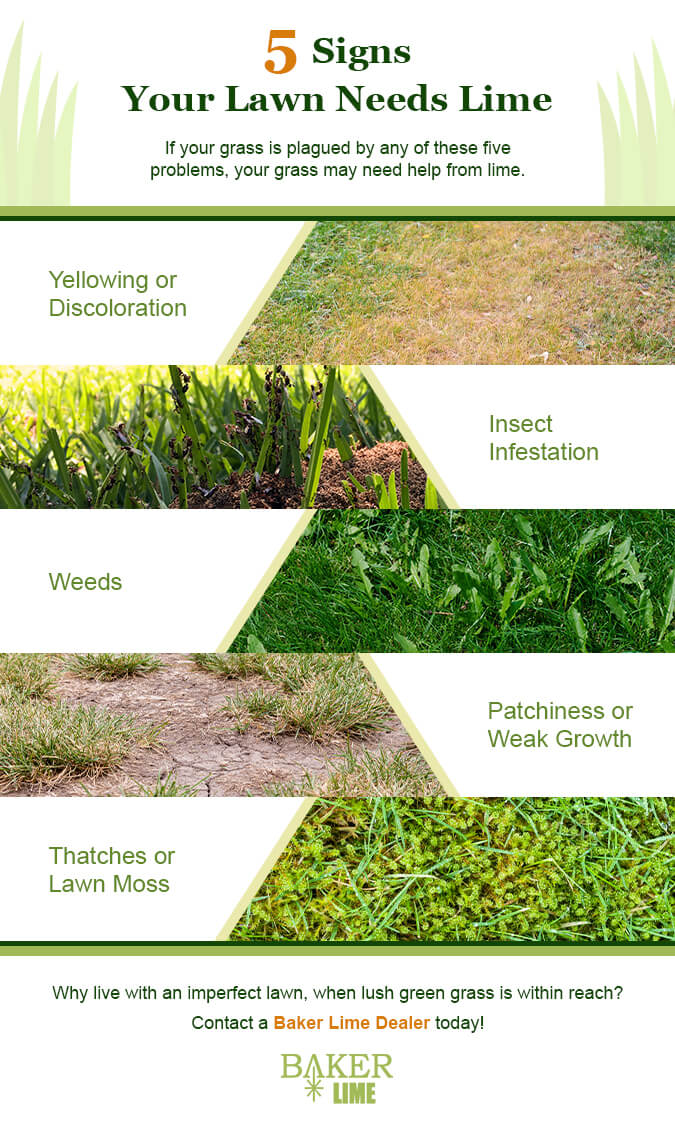
Image Source: www.bakerlime.com
Why is Soil pH Important for Your Lawn?
Soil pH is a measure of how acidic or alkaline your soil is. It’s measured on a scale from 0 to 14, with 7 being neutral. Anything below 7 is acidic, and anything above 7 is alkaline. Most turfgrasses prefer a slightly acidic to neutral pH, typically between 6.0 and 7.0.
How pH Affects Nutrient Availability
The soil pH level directly impacts the availability of essential nutrients to your grass. When the pH is too low (acidic), certain nutrients become “locked up” in the soil, making them unavailable for your grass to absorb, even if they are present. This can lead to nutrient deficiencies, even with regular fertilization.
For example, in highly acidic soils, phosphorus, calcium, and magnesium can become less available. Conversely, in highly alkaline soils, iron and manganese can be harder for grass to access.
How pH Affects Soil Microbes
Healthy soil is teeming with beneficial microorganisms, such as bacteria and fungi. These microbes play a vital role in breaking down organic matter and releasing nutrients. Soil pH significantly influences the activity and diversity of these microbes. Most beneficial soil microbes thrive in a pH range close to neutral. Acidic conditions can inhibit the activity of these important organisms, slowing down natural soil processes.
How pH Affects Weed Growth
Weeds often thrive in soil conditions that are less than ideal for turfgrass. Many common lawn weeds, such as dandelions and clover, prefer more acidic soil. By correcting your soil pH with lime, you create a more favorable environment for your grass and a less hospitable one for these unwanted invaders.
What is Soil pH Adjustment?
Soil pH adjustment is the process of altering the acidity or alkalinity of your soil to bring it into a more desirable range for your lawn. For most lawns, this means raising the pH of acidic soil. This is where lime comes in.
How Lime Works to Adjust Soil pH
Lime is a material that contains calcium carbonate (CaCO3) or calcium and magnesium carbonates (CaMg(CO3)2). When applied to acidic soil, the carbonates in lime react with hydrogen ions (H+) in the soil. These hydrogen ions are what make soil acidic. The reaction neutralizes these acids, effectively raising the soil pH.
The process isn’t instant. It takes time for the lime to dissolve and react with the soil. This is why applying lime regularly, according to a lawn liming schedule, is often recommended for maintaining optimal soil conditions.
Determining Your Lawn’s Soil pH
The most critical step before applying any lime is to know your soil’s current pH. You can’t effectively determine the lime application rate without this information.
The Importance of a Soil Test
A lime application test is the only reliable way to accurately determine your soil’s pH. Simply guessing can lead to over-liming (which can cause its own problems) or under-liming (meaning your lawn won’t benefit).
How to Get a Soil Test:
- Local Extension Office: Most universities with agricultural programs offer soil testing services through their Cooperative Extension offices. They provide kits and instructions on how to collect soil samples. This is often the most accurate and cost-effective method.
- Private Labs: Various private laboratories also offer soil testing.
- Home Test Kits: While readily available, home test kits can vary in accuracy. They can give you a general idea, but a professional test is always recommended for precise application rates.
Collecting Your Soil Sample:
- Sample Multiple Areas: Don’t just take one sample from your entire lawn. Collect samples from at least 5-10 different spots across your lawn, especially in areas where grass is struggling or growing exceptionally well.
- Sample Depth: For lawns, collect soil from the top 2-4 inches. This is the root zone where grass absorbs nutrients.
- Avoid Contamination: Use clean tools. Don’t collect soil from garden paths, compost piles, or near concrete.
- Mix Samples: Combine the soil from all your collected spots into a clean container or bag and mix them thoroughly. This creates a representative sample of your entire lawn.
- Follow Instructions: Carefully follow the instructions provided by the testing service for packaging and mailing your sample.
Interpreting Your Soil Test Results
Your soil test report will provide your soil’s pH, along with recommendations for nutrient deficiencies and, importantly, liming needs. It will usually specify the type of lime recommended and the amount to apply per 1,000 square feet.
Types of Lime for Lawns
Not all limestone for lawns is created equal. The two main types you’ll encounter are dolomitic lime and calcitic lime. The choice between them can depend on your soil’s nutrient status.
Dolomitic Lime vs. Calcitic Lime
- Dolomitic Lime: This type of lime contains both calcium carbonate and magnesium carbonate. If your soil test indicates a deficiency in magnesium, dolomitic lime is an excellent choice as it provides both calcium and magnesium. It generally reacts a bit slower than calcitic lime.
- Calcitic Lime: This lime primarily contains calcium carbonate. If your soil has adequate magnesium levels (or even high levels), calcitic lime is the preferred option. It tends to react more quickly with the soil than dolomitic lime.
The primary difference in application rate between the two is typically minor for a given pH target, but it’s always best to follow your soil test’s specific recommendation. The effectiveness of lime is measured by its “neutralizing value” or “calcium carbonate equivalent” (CCE). Most agricultural limes have a CCE of around 90-100%.
How Much Lime To Put On A Lawn: The Application Rate
The lime application rate is not a one-size-fits-all number. It’s determined by:
- Current Soil pH: How acidic is your soil? The more acidic, the more lime you’ll need.
- Target Soil pH: What pH are you trying to achieve? (Usually 6.0-7.0 for lawns).
- Type of Lime: As discussed, dolomitic and calcitic lime can have slightly different reactivities and nutrient content.
- Lime Quality: The fineness of the lime particles (CCE). Finer particles react faster.
- Soil Type: Clay soils have a higher “buffering capacity” than sandy soils, meaning they resist pH changes more. Therefore, clay soils often require more lime to achieve the same pH change as sandy soils.
General Guidelines for Lime Application Rate
While a soil test is paramount, here are some general guidelines. Always prioritize your soil test results.
| Current Soil pH | Target pH (e.g., 6.5) | Recommended Lime Application (per 1,000 sq ft) – Dry Granular Limestone |
|---|---|---|
| 5.0 | 6.5 | 5-10 lbs |
| 5.5 | 6.5 | 4-8 lbs |
| 6.0 | 6.5 | 2-5 lbs |
| 6.5 | 6.5 | 0-1 lbs (or none needed) |
Note: These are approximate figures. The actual amount can vary based on the factors mentioned above and the specific product’s guaranteed analysis.
Factors Influencing Application Amounts
- Sandy Soils: Require less lime than clay soils because they have a lower CCE and buffer capacity.
- Clay Soils: Need more lime to achieve the same pH change due to their higher buffering capacity.
- Organic Matter: Soils with high organic matter content often require more lime.
Applying Lime to Your Lawn
Once you know how much lime to apply, the next step is to apply it correctly. Proper application ensures the lime is distributed evenly and can start working effectively.
Using a Lime Spreader
The best way to apply granular lime is with a lime spreader. There are two main types:
- Broadcast Spreader: These spreaders spin a mechanism that casts the material outward in a circular pattern. They are good for covering large areas quickly.
- Drop Spreader: These spreaders drop the material directly in front of the spreader as you walk. They offer more precise application and are ideal for lawns with defined borders or when you want to avoid overlapping.
Lime Spreader Settings:
Almost every bag of lime will have a chart on the back or side indicating suggested spreader settings for various spreader models. These settings are usually a number or a dial position.
- Identify Your Spreader: Locate the brand and model of your spreader.
- Find the Chart: Look for the lime product’s recommendation for your spreader.
- Set the Dial: Adjust your spreader to the recommended setting.
- Calibrate (Optional but Recommended): For very precise applications, you can calibrate your spreader. Weigh a specific amount of lime, spread it over a known area (e.g., 100 sq ft) at the recommended setting, and measure how much you used. Adjust the setting if necessary.
The Process of Spreading Lime:
- Load the Spreader: Pour the calculated amount of lime into the spreader hopper. Do not overfill.
- Calibrate (if not done): Double-check your spreader settings.
- Start Spreading: Begin walking at a steady pace. If using a broadcast spreader, overlap your passes slightly to ensure even coverage. For drop spreaders, ensure the edge of the spread pattern aligns with the previous pass.
- Even Coverage is Key: Uneven application will lead to some areas receiving too much lime and others too little, potentially causing “hot spots” or ineffective treatment.
- Clean Up: Rinse your spreader thoroughly after use to prevent lime from corroding the metal parts.
Timing of Lawn Liming
The timing of lawn liming can influence its effectiveness and minimize any potential disruption to your lawn’s routine.
Best Time to Lime Lawn
The best time to lime lawn is generally when the grass is dormant or during periods of slow growth. This minimizes stress on the grass.
- Fall: This is often considered the ideal time. The cooler temperatures and increased moisture help the lime dissolve and begin reacting with the soil without stressing the grass. Plus, you’re preparing your lawn for the following spring.
- Early Spring: Applying lime in early spring, before significant new growth begins, is also a good option. The spring rains will help incorporate it into the soil.
- Avoid Peak Heat: Do not apply lime during hot, dry summer months when the grass is already stressed.
- Avoid Frozen Ground: Lime won’t be able to react properly if the ground is frozen.
Lawn Liming Schedule
Establishing a lawn liming schedule is important for long-term soil health. Soil pH doesn’t change overnight, and it will gradually revert to its natural state.
- Frequency: Most lawns benefit from liming every 6-12 months, depending on the soil’s acidity and buffer capacity. Your soil test report will often provide a recommended liming schedule.
- Small, Frequent Applications: It’s generally better to apply smaller amounts of lime more frequently rather than a large dose all at once. This allows the soil to adjust gradually and reduces the risk of over-application or shocking the grass. For instance, if your soil test indicates a need for 10 lbs of lime per 1,000 sq ft, consider applying 5 lbs in the fall and another 5 lbs in the spring over two years, rather than applying the full 10 lbs at once, unless specifically recommended.
Effects of Lime on Soil and Lawn Health
Applying lime correctly has numerous positive effects of lime on soil and, consequently, on your lawn.
Benefits of Proper Liming:
- Improved Nutrient Availability: As mentioned, raising pH makes essential nutrients like phosphorus, potassium, calcium, and magnesium more accessible to grass roots.
- Enhanced Fertilizer Efficiency: Fertilizers work best in a balanced pH environment. If your pH is too low, some of the nutrients in your fertilizer may be unavailable, essentially wasting your money.
- Healthier Root Development: Grass roots can grow deeper and stronger in soil with an optimal pH, leading to a more drought-tolerant and resilient lawn.
- Reduced Weed and Moss Growth: Many common lawn weeds and mosses prefer acidic conditions. Correcting the pH makes the environment less favorable for them and more favorable for desirable grass.
- Improved Soil Structure: Lime can help bind soil particles together, particularly in clay soils, improving aeration and drainage over time.
- Stimulated Microbial Activity: A balanced pH supports the beneficial microorganisms that break down thatch and organic matter, contributing to a healthier soil ecosystem.
Potential Drawbacks of Over-Liming
While beneficial, applying too much lime can be detrimental.
- Nutrient Imbalances: Excess lime can raise the pH too high, making certain nutrients (like iron and manganese) unavailable. This can lead to yellowing (chlorosis) in your grass.
- Reduced Nutrient Uptake: Even if nutrients are present, excessively high pH can hinder the grass’s ability to absorb them.
- Damage to Soil Microbes: Extreme pH levels, whether too low or too high, can harm beneficial soil microorganisms.
Always follow the recommendations from your soil test and the product manufacturer. It’s better to apply a little less than too much.
Frequently Asked Questions (FAQ)
Q1: Can I apply lime at the same time as fertilizer?
A1: It’s generally best to apply lime and fertilizer separately, with at least a few weeks between applications. This allows each product to work more effectively without interfering with the other. If your soil test shows a need for both, applying lime in the fall and fertilizer in the spring is a common practice.
Q2: Will lime kill grass?
A2: Lime will not kill grass if applied at the recommended rates and at the appropriate times. However, applying an excessive amount of lime, especially during hot, dry weather, can stress and potentially damage your lawn. Always follow application guidelines.
Q3: How long does it take for lime to work?
A3: The effects of lime are gradual. It can take several months for the lime to fully react with the soil and for you to see significant changes in soil pH. You might notice improvements in grass health over time, but actual pH adjustment happens over seasons.
Q4: Should I water my lawn after applying lime?
A4: Yes, lightly watering your lawn after applying lime can help wash the granules off the grass blades and move the lime into the soil, where it can start to react. However, avoid heavy watering that could wash the lime off the surface before it has a chance to integrate.
Q5: How do I know if my lawn needs lime?
A5: The most reliable way to know if your lawn needs lime is by conducting a soil test. Visually, lawns that are struggling to grow, have thin patches, are prone to moss or weeds, or have a pale green color might indicate acidic soil, but a test is necessary for confirmation and proper treatment.
Q6: What if my soil is alkaline?
A6: If your soil test reveals that your soil is alkaline (pH above 7.0), you will not want to apply lime. Instead, you might consider using elemental sulfur, acidifying fertilizers (like ammonium sulfate), or incorporating acidic organic matter like peat moss or pine needles to gradually lower the pH.
By following these guidelines, conducting regular soil tests, and understanding the effects of lime on soil, you can ensure you’re using the correct lime application rate and timing of lawn liming for a healthier, more resilient lawn. Remember, a little knowledge goes a long way in achieving lawn care success.