
A lawn water fountain pump moves water from a lower point to a higher point, creating the flowing water effect in your garden. It works by using an electric motor to spin an impeller, which pushes water through a pipe.
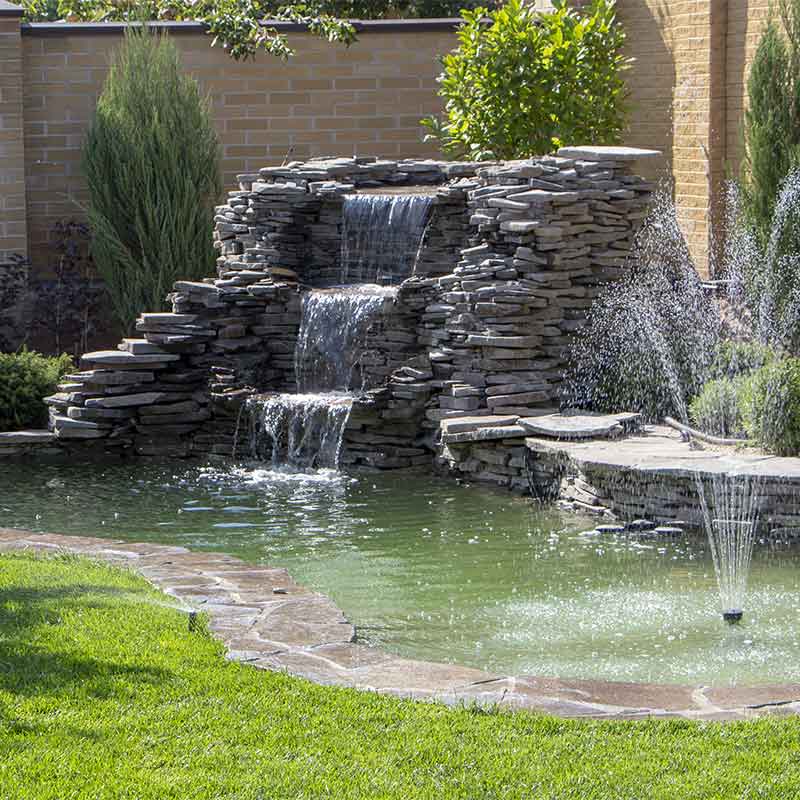
Image Source: www.solariverusa.com
The Heart of the Flow: Deciphering the Fountain Pump
Water fountains in gardens are a delight. They add beauty, calming sounds, and a touch of nature. But what makes them work? The magic behind a lawn water fountain lies in its pump. Without a reliable pump, your fountain would just be a still pool of water. This blog post will dive deep into how these essential devices function, from the simplest garden pump to more specialized units. We’ll explore the different types of pumps, their key components, and how they keep your water feature alive.
Types of Lawn Water Fountain Pumps
Lawn water fountain pumps come in various designs to suit different needs and water features. Knowing the types will help you choose the right one for your garden.
Submersible Pumps: The Silent Workhorses
Submersible pumps are the most common type for lawn fountains. As their name suggests, they are designed to be placed directly in the water. This has several advantages:
- Quiet Operation: Being submerged helps muffle the sound of the motor, leading to a quieter operation and allowing the soothing sound of the water to dominate.
- Cooling: The water surrounding the pump acts as a coolant, preventing the motor from overheating, especially during long periods of use.
- Efficiency: They are generally more energy-efficient because they don’t have to push water through long suction pipes, which can introduce air and reduce efficiency.
A typical submersible pump consists of a sealed motor housing, an impeller, and an outlet port. They are often designed with a durable casing to withstand continuous submersion.
External Pumps: For Specific Needs
While less common for typical lawn fountains, external pumps exist. These are placed outside the water feature and draw water through a suction hose. They are often used for larger, more complex water features or when a submersible unit is not practical. However, they require priming (filling the pump and hose with water before operation) and can be noisier as the motor is not submerged.
Key Components of a Lawn Water Fountain Pump
Every lawn water fountain pump, regardless of its specific design, shares fundamental components that enable it to move water.
The Motor: The Driving Force
The motor is the engine of the pump. It converts electrical energy into mechanical energy, which is used to turn the impeller.
- AC Pumps: Most common fountain pumps are AC pumps, meaning they run on alternating current. These typically connect to a standard household electrical outlet, often through a low-voltage transformer for safety.
- DC Pumps (Low Voltage): For safety and energy efficiency, many modern garden pumps are low voltage pump models. These run on direct current (DC) power, usually 12V or 24V. They are connected to a transformer that steps down the household AC voltage to a safe DC level. This makes them ideal for use in areas where children or pets might be present.
Direct Drive vs. Belt Drive
Most small fountain pumps, especially submersible pump models, utilize a direct drive pump system. This means the motor shaft is directly connected to the impeller. This design is simple, efficient, and has fewer parts to wear out. Belt-drive systems, more common in larger pumps, use a belt to connect the motor to the impeller, offering more flexibility in motor placement but adding complexity.
The Impeller: The Water Mover
The impeller is a rotating component with vanes or blades. As the motor spins the impeller, centrifugal force pushes the water outwards, creating pressure and driving it up through the outlet.
- Types of Impellers: Impellers can vary in design (e.g., open, semi-open, closed) depending on the pump’s intended use and the type of debris it might encounter. For clean water applications like most garden fountains, semi-open impellers are common.
The Housing and Seal: Protecting the Internals
The housing protects the motor and other internal components. For submersible pumps, this housing is watertight and durable, often made of sturdy plastic or stainless steel. A critical part of the housing is the seal, which prevents water from entering the motor.
The Outlet and Inlet: Water’s Pathway
The inlet is where water enters the pump, typically at the bottom. The outlet is where the pressurized water exits, directed towards the fountain’s nozzle or tubing.
How the Water Moves: The Pumping Mechanism
Let’s trace the journey of water through a typical fountain pump:
- Water Intake: The pond pump (often used interchangeably with fountain pumps, especially in larger setups) draws water into its inlet. If it’s a submersible unit, this happens directly from the body of water it’s placed in.
- Impeller Action: The electric motor spins the impeller at high speed.
- Centrifugal Force: As the impeller rotates, it forces the water in its vanes outward. This action creates a low-pressure zone at the center of the impeller, drawing in more water.
- Pressure Build-up: The water, propelled outwards by the impeller, gains kinetic energy and then converts this into pressure energy as it moves into the pump casing and towards the outlet.
- Water Discharge: The pressurized water is then pushed out of the pump’s outlet, usually through a hose or pipe, to the fountain’s nozzle, creating the desired water flow.
This continuous cycle of intake, impeller rotation, and discharge is what powers your water feature.
Powering the Pump: Electricity and Safety
The power source for a water feature pump is a crucial consideration.
Voltage and Transformers
As mentioned, most garden pump units operate on AC power. To ensure safety, especially with submersible units, these are typically connected to a low-voltage transformer. This transformer plugs into a standard outdoor-rated GFCI (Ground Fault Circuit Interrupter) outlet and converts the high household voltage (e.g., 120V or 240V) to a safe low voltage (e.g., 12V or 24V). This makes the entire system much safer to operate around water.
GFI/GFCI Protection: Essential Safety
Ground Fault Interrupter (GFI) or Ground Fault Circuit Interrupter (GFCI) outlets are mandatory for any outdoor electrical appliance, especially those used with water. These outlets are designed to detect even small imbalances in the electrical current, which could indicate that electricity is flowing to ground through water or a person, and they will shut off the power instantly, preventing electric shock. Always ensure your fountain pump is plugged into a properly installed GFCI outlet.
Beyond Basic Fountains: Specialized Pumps
While the principles are similar, some specialized pumps cater to unique needs.
Saltwater Pumps
For decorative ponds or water features that might be exposed to saltwater (though less common in typical lawns), saltwater pump models are designed with corrosion-resistant materials. Stainless steel, bronze, and specialized plastics are often used to prevent rust and degradation in saline environments.
Circulation Pumps
In larger water features, a circulation pump might be used to maintain water movement throughout the system. This can help prevent stagnation, improve oxygenation, and keep debris from settling. Often, a single submersible pump serves as both the primary fountain pump and the circulation pump.
Maintenance and Longevity
To ensure your lawn water fountain pump operates efficiently and reliably for years, regular maintenance is key.
Cleaning the Filter
Most submersible pumps have a pre-filter or screen to prevent larger debris from entering the pump and damaging the impeller. This filter should be cleaned regularly.
- How to Clean:
- Unplug the pump from the power source.
- Carefully remove the pump from the water.
- Gently remove the filter cover.
- Rinse the filter under clean running water, using a soft brush if necessary to remove stubborn debris.
- Reassemble the filter and return the pump to its water feature.
Inspecting the Impeller
Occasionally, debris can get past the filter and lodge in the impeller.
- How to Inspect:
- With the pump unplugged and removed from the water, carefully open the pump housing (refer to the manufacturer’s manual for specific instructions, as designs vary).
- Check the impeller for any obstructions.
- Remove any debris carefully. If the impeller appears damaged, it may need replacement.
Winterizing
In colder climates, it’s crucial to winterize your pump to prevent damage from freezing.
- Winterizing Steps:
- Unplug and remove the pump from the water.
- Drain all water from the pump housing and any attached tubing.
- Store the pump in a frost-free location, such as a garage or shed. Some users opt to keep it submerged in a bucket of water to keep seals moist, but ensure this bucket is then brought indoors to prevent freezing.
Troubleshooting Common Issues
Even with the best maintenance, problems can arise. Here are some common issues and their solutions:
Pump Not Running
- Check Power: Is the pump plugged in? Is the GFCI outlet tripped? Try resetting the GFCI.
- Check Transformer: Ensure the low-voltage transformer is plugged in and working. Some transformers have indicator lights.
- Obstruction: Is the impeller blocked? (See Maintenance section).
- Overheating: Has the pump overheated? Many pumps have thermal overload protection and will shut off. Allow it to cool down.
- Damage: Is there visible damage to the pump or cord?
Weak Water Flow
- Clogged Filter: The most common cause. Clean the filter.
- Partially Blocked Tubing: Check the tubing for kinks or blockages.
- Impeller Wear: Over time, impellers can wear down, reducing efficiency.
- Low Water Level: Ensure the water level is sufficient to cover the pump’s inlet.
Unusual Noises
- Air in the System: If the pump is not fully submerged or has air pockets, it can make a gurgling noise. Ensure it’s properly primed or submerged.
- Loose Impeller: If the impeller is loose on the motor shaft, it can cause rattling.
- Worn Bearings: In older pumps, worn motor bearings can cause whining or grinding sounds.
Choosing the Right Fountain Pump
Selecting the correct fountain pump is essential for the performance and longevity of your water feature. Consider these factors:
- Gallons Per Hour (GPH) or Liters Per Hour (LPH): This indicates the volume of water the pump can move per hour. The required flow rate depends on the size of your water feature and the desired effect.
- Head Height (or Lift): This is the maximum vertical distance the pump can push water. Ensure the pump’s head height rating exceeds the height from the water level to the highest point of your fountain.
- Wattage/Power Consumption: Consider the energy efficiency of the pump, especially if it will be running continuously. Low voltage pump models are generally more energy-efficient.
- Cord Length: Ensure the power cord is long enough to reach the nearest safe electrical outlet.
- Durability and Materials: Look for pumps made from robust materials that can withstand continuous operation and environmental conditions.
- Noise Level: If a quiet operation is important, consider submersible pumps and their noise ratings.
- Included Accessories: Some pumps come with multiple nozzle attachments for different spray patterns or built-in filters.
Frequently Asked Questions (FAQ)
Q1: Can I run my fountain pump 24/7?
A1: Yes, most modern lawn water fountain pump models are designed for continuous operation. However, ensure the water level is always sufficient to keep the pump submerged and prevent it from running dry, which can cause damage.
Q2: How often should I clean my fountain pump?
A2: It’s generally recommended to clean the filter at least once a month, or more often if your water feature has a lot of debris. Inspecting the impeller every few months is also a good practice.
Q3: What is the difference between a pond pump and a fountain pump?
A3: While the terms are often used interchangeably, pond pump units are typically designed to handle a greater volume of water and potentially more debris than smaller fountain pump units used for decorative fountains. However, many submersible pumps can effectively serve both purposes.
Q4: Do I need a special outlet for my fountain pump?
A4: Yes, any outdoor electrical appliance, especially those used with water, must be connected to a GFCI (Ground Fault Circuit Interrupter) protected outlet for safety.
Q5: Can I use a pump designed for freshwater in a saltwater environment?
A5: No, unless the pump is specifically designed as a saltwater pump, it’s not recommended. Freshwater pumps are not built to withstand the corrosive effects of saltwater and will likely fail quickly.
By understanding how your lawn water fountain pump works, you can better maintain it, troubleshoot common problems, and ensure your garden feature provides years of tranquil beauty and soothing sounds. From the fundamental principles of water movement driven by an impeller to the crucial safety aspects of power supply, each component plays a vital role in bringing your water feature to life.