
A healthy lawn can generally go without water for two to four weeks during periods of dormancy, but this varies greatly depending on grass type, climate, and soil conditions. Can you truly make your lawn survive without any watering? Yes, for a limited time, but it’s often at the expense of its green appearance and vigor.
When faced with drought conditions or water restrictions, many homeowners worry about their lawn’s survival. The question, “How long can a lawn go without water?” is a common one. The answer isn’t a simple number, as numerous factors influence a lawn’s resilience. Let’s delve into the science behind grass survival and explore what you can do to help your lawn weather dry spells.
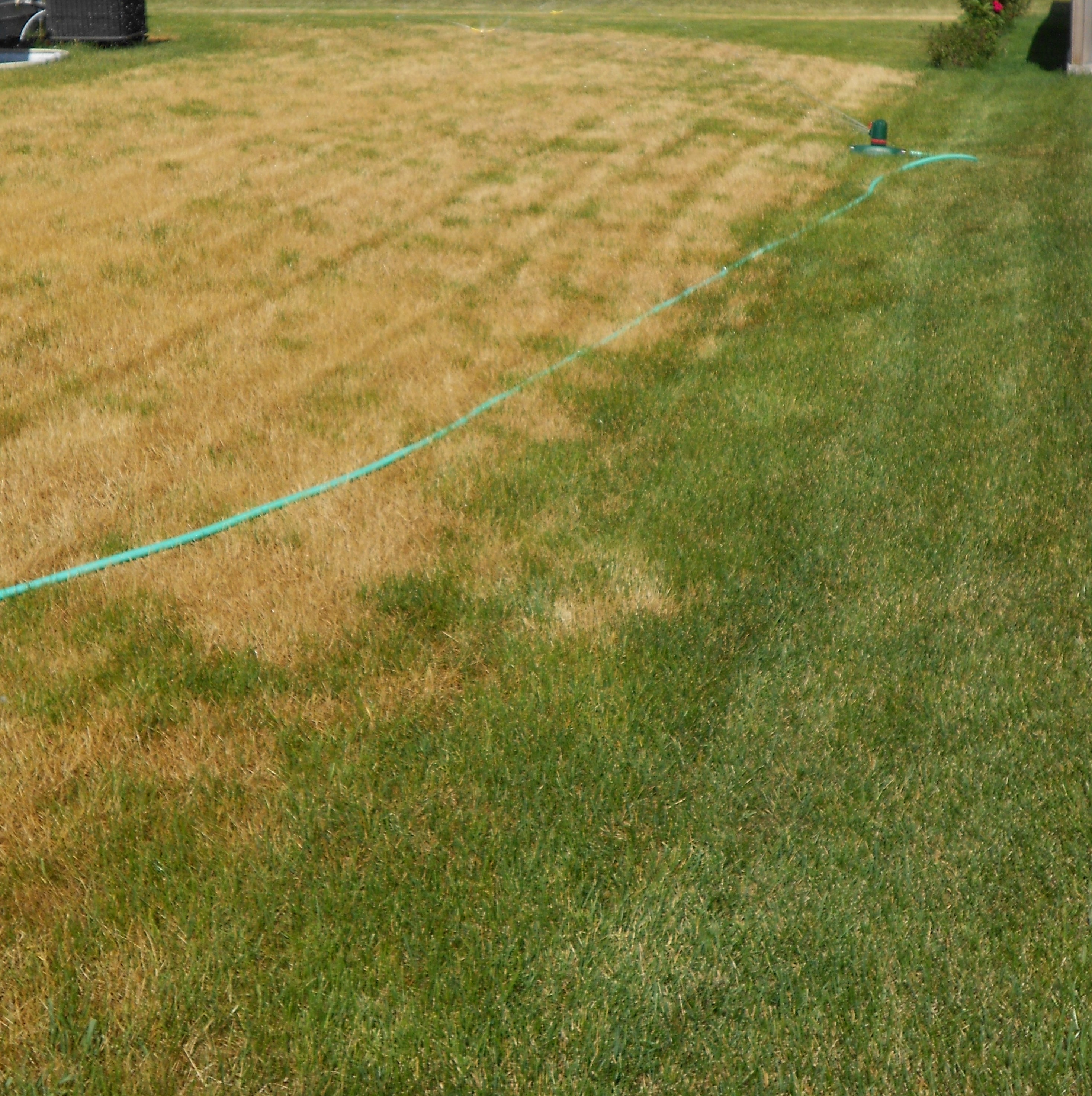
Image Source: extension.illinois.edu
Factors Influencing Lawn Water Needs
Several elements dictate how long your lawn can survive without supplemental watering. These include the type of grass, the soil’s ability to retain moisture, the current weather patterns, and how the lawn is maintained.
Grass Type and Drought Tolerance
The most significant factor determining how long a lawn can go without water is the drought tolerance of the grass species. Different types of grass have evolved to cope with arid conditions in varying ways.
-
Cool-Season Grasses: These grasses, such as Kentucky bluegrass, perennial ryegrass, and fescues, are common in cooler climates. They typically have shallower root systems and are less tolerant of prolonged dry periods. When water becomes scarce, they tend to go dormant rather than die.
- Kentucky Bluegrass: Known for its beautiful appearance but moderate drought tolerance. It can go dormant for a few weeks, turning brown.
- Perennial Ryegrass: Has a relatively shallow root system, making it less drought-tolerant than some other cool-season grasses.
- Fescues (Fine Leaf and Tall): Fine fescues are generally more drought-tolerant than Kentucky bluegrass and perennial ryegrass due to deeper root systems. Tall fescue has a good drought tolerance once established.
-
Warm-Season Grasses: These grasses, like Bermuda grass, Zoysia grass, St. Augustine grass, and centipede grass, thrive in warmer climates. They generally have deeper root systems, allowing them to access moisture deeper in the soil, making them more inherently drought-tolerant.
- Bermuda Grass: Highly drought-tolerant with an excellent ability to recover from dormancy.
- Zoysia Grass: Known for its dense growth and good drought tolerance, forming a thick mat.
- St. Augustine Grass: Moderately drought-tolerant, especially once established.
- Centipede Grass: Has a shallower root system than some other warm-season grasses but is still reasonably drought-tolerant.
Understanding your lawn’s grass type is the first step in assessing its ability to withstand dry spells.
Soil Type and Moisture Retention
The composition of your soil plays a crucial role in how long your lawn can retain moisture.
- Sandy Soils: These soils drain quickly, meaning water is not held for long. Lawns in sandy soil will require more frequent watering.
- Clay Soils: Clay soils are denser and retain moisture for extended periods. While this is beneficial during dry spells, excessive clay can lead to poor drainage and aeration issues.
- Loam Soils: A mix of sand, silt, and clay, loam soils generally offer a good balance of drainage and moisture retention, making them ideal for lawns.
The depth and health of your soil also matter. Compacted soil can prevent water from penetrating effectively, even if the soil type itself is good at holding moisture. Aerating your lawn can improve water infiltration and storage.
Environmental Conditions
Beyond soil and grass type, the environment in which your lawn exists significantly impacts its irrigation needs.
- Temperature: Higher temperatures increase evaporation rates from the soil surface and transpiration from the grass blades. This means lawns in hot weather will dry out much faster.
- Humidity: Low humidity also contributes to faster drying.
- Wind: Windy conditions can significantly increase the rate at which grass loses moisture through transpiration, leading to faster wilting.
- Sunlight: Lawns exposed to full sun will experience more intense drying than those in shaded areas.
Lawn Maintenance Practices
Your lawn maintenance routine can also affect its resilience during dry periods.
- Mowing Height: Mowing your grass higher is one of the most effective ways to improve drought tolerance. Taller grass shades the soil, reducing evaporation and keeping the soil cooler. It also encourages deeper root growth. Aim to never remove more than one-third of the grass blade length at any one mowing.
- Fertilization: Over-fertilizing, especially with high-nitrogen fertilizers, can promote excessive top growth, making the grass more susceptible to drought stress. Fertilize appropriately based on grass type and season.
- Thatch Buildup: A thick layer of thatch (dead grass and organic matter) can prevent water from reaching the soil. Dethatching can improve water penetration.
The Process of Lawn Dormancy
When a lawn experiences prolonged lack of water, it enters a state of lawn dormancy. This is a survival mechanism, not a sign of death.
What is Lawn Dormancy?
Lawn dormancy is a natural process where grass plants slow down their metabolic activity to conserve water and energy. The above-ground parts of the grass, the blades, will often turn brown or straw-colored. However, the crown and root system remain alive, waiting for more favorable conditions (i.e., moisture) to resume growth.
Signs Your Lawn is Going Dormant
Recognizing the signs of dormancy allows you to manage your lawn’s expectations and understand its current state.
- Color Change: The most obvious sign is the grass turning from green to yellow, then brown. This is due to the plant shutting down chlorophyll production to conserve resources.
- Leaf Blades Rolling or Folding: Grass blades may curl inward to reduce the surface area exposed to the sun and air, minimizing water loss.
- Footprints Remain: When you walk on dormant grass, your footprints will stay pressed down for a longer time because the blades lack the turgor pressure to spring back up.
- Reduced Growth: Growth will significantly slow or stop altogether.
Grass Survival During Dormancy
A well-established lawn can often survive for several weeks in dormancy without any watering. During this phase, the plant relies on stored energy in its roots. However, there are limits.
- Duration of Dormancy: While some grasses can survive months of dormancy, prolonged extreme heat or the absence of any moisture for an extended period can still be fatal, especially for younger or less established lawns.
- Recovery: Once sufficient water is available, dormant grass can typically green up and recover. However, recovery may be slow, and some patchy areas might persist.
How Long Can Different Grass Types Go Without Water?
The general timeframe for how long a lawn can go without water without dying is a range, and it’s heavily dependent on the factors we’ve discussed.
Cool-Season Grasses (Without Watering)
- Kentucky Bluegrass: Can typically survive 2-3 weeks without water before entering dormancy. Recovery is usually good if dormancy isn’t too prolonged.
- Perennial Ryegrass: May only last 1-2 weeks without water, especially in hot conditions, before showing significant stress and potentially entering dormancy.
- Fescues (Tall and Fine Leaf): Tall fescue, once established, can often withstand 3-4 weeks or more of dormancy. Fine fescues, with their deeper roots, can also show good resilience.
Warm-Season Grasses (Without Watering)
- Bermuda Grass: Highly drought-tolerant. It can often go 4-6 weeks or even longer in dormancy without dying, with excellent recovery potential.
- Zoysia Grass: Similarly drought-tolerant, often surviving 4-5 weeks or more without water, showing good resilience.
- St. Augustine Grass: While moderately drought-tolerant, it might show stress signs sooner than Bermuda or Zoysia. It can likely go 3-4 weeks in dormancy.
- Centipede Grass: Can typically withstand 3-4 weeks in dormancy.
Key Considerations for Survival
- Establishment: Newly seeded or sodded lawns have shallow root systems and are much less tolerant of dry conditions. They require consistent moisture to establish.
- Extreme Heat: Even drought-tolerant grasses will struggle if exposed to prolonged periods of extreme heat (consistently above 90°F or 32°C) combined with a lack of water. This can lead to heat stress, which can cause irreversible damage.
Watering Strategies for Drought Periods
When water is scarce, or you want to reduce your lawn’s reliance on supplemental watering, smart irrigation needs management is key.
Deep Watering vs. Frequent Watering
- Deep Watering: This involves watering deeply and less frequently. The goal is to encourage the grass roots to grow deeper into the soil, where they can access more consistent moisture. Aim to moisten the soil to a depth of 4-6 inches.
- Frequent Watering: Shallow, frequent watering encourages shallow root growth, making the grass more dependent on surface moisture and less resilient to drought.
When to Water (and When Not To)
- Best Time to Water: The best time to water is early in the morning (between 4 AM and 10 AM). This minimizes water loss through evaporation due to sun and wind, and it allows the grass blades to dry before nightfall, reducing the risk of fungal diseases.
- Avoid Watering During Heat: Watering during the hottest part of the day is inefficient due to high evaporation rates.
- Avoid Watering at Night: While less evaporation occurs, wet grass overnight can promote fungal growth.
How Much Water is Enough?
A general guideline for most established lawns is about 1 to 1.5 inches of water per week, whether from rainfall or irrigation. During dry spells, the goal is to keep the grass from completely drying out and dying, not necessarily to keep it perfectly green.
- Monitor Soil Moisture: The best way to know if your lawn needs water is to check the soil moisture. You can do this by pushing a screwdriver or soil probe into the ground. If it goes in easily to a depth of several inches, the soil is likely moist enough. If it’s difficult to push in, the soil is dry.
- Observe Your Lawn: Watch for the signs of stress mentioned earlier – the grass turning a duller color, blades folding or rolling.
Helping Your Lawn Survive Dry Spells
Even if you can’t water regularly, there are proactive steps you can take to improve your lawn’s drought tolerance and overall grass survival.
Adjusting Mowing Practices
- Raise the Mower: As mentioned, mowing at a higher setting is crucial. For many cool-season grasses, a height of 3-4 inches is recommended during dry periods. For warm-season grasses, 1-3 inches is typical, but adjust upwards if possible.
- Leave Grass Clippings: Grass clippings act as a natural mulch, helping to retain soil moisture and adding nutrients back to the soil as they decompose.
Aeration and Dethatching
- Aeration: Core aeration creates small holes in the soil, relieving compaction and allowing air, water, and nutrients to penetrate deeper to the root zone. This is particularly beneficial for clay soils and compacted areas.
- Dethatching: Removing excessive thatch prevents water from being wicked away from the soil surface before it can reach the roots.
Soil Improvement
- Topdressing: Applying a thin layer of compost or organic matter can improve soil structure and water-holding capacity over time.
- Mulching Around Trees and Shrubs: While not directly for the lawn, mulching landscape beds helps retain moisture in the soil, reducing the overall demand for water in the yard.
Watering Restrictions and Conservation
When water restrictions are in place, follow local guidelines carefully. Prioritize watering the most critical areas of your landscape if necessary.
- Watering Frequency: Restrictions often limit the days and times you can water. Plan your watering to comply with these rules.
- Watering Duration: Some restrictions may also limit the total amount of water you can use.
What Happens if You Don’t Water at All?
If you entirely cease watering your lawn during a prolonged dry spell, its fate depends heavily on the resilience of the grass type, the soil, and the intensity of the environmental conditions.
The Decline Without Water
- Initial Stress: The grass will start to show signs of stress, such as a duller color and wilting.
- Dormancy: If temperatures are moderate, the grass will likely enter dormancy, turning brown but remaining alive.
- Severe Heat Stress: If the dry period is accompanied by intense, prolonged heat, the grass can suffer heat stress. This is when the plant’s internal processes break down faster than it can cope.
- Crown and Root Damage: Extreme heat and lack of moisture can damage the grass crown (where the roots meet the shoots) and the root system itself.
- Death: If the dry conditions and heat persist long enough to kill the crown and roots, the grass will die. It will not recover even if rain returns.
Recovery After No Water
The ability of a lawn to recover after a period of no watering is directly linked to whether the root system and crown survived.
- Successful Recovery: If the grass entered dormancy and the roots/crown remained viable, a return of adequate moisture and cooler temperatures will usually prompt the grass to green up and regrow. However, it may take time, and some areas might remain sparse.
- Unsuccessful Recovery: If the grass died from prolonged drought and heat stress, no amount of watering will bring it back. You will need to reseed or re-sod affected areas.
When to Be Concerned
While lawns are resilient, there are times when your intervention might be necessary, even with water restrictions.
- Extended Droughts: If a drought extends beyond the typical dormancy period for your grass type, or if it’s accompanied by extreme heat, intervention may be needed to prevent irreversible damage.
- Newly Planted Lawns: As stressed, new lawns are very vulnerable and will likely need consistent watering, even during restricted periods, to establish. Check local regulations for exceptions for new landscaping.
- Visible Signs of Dieback: If you see actual brown patches that aren’t recovering and look like they are dying rather than just dormant, this is a sign of more severe stress.
Frequently Asked Questions (FAQ)
Q1: Can my lawn survive a whole summer without any watering?
A1: It depends on the grass type and the summer’s weather. Most cool-season grasses will go dormant and may struggle to survive a very hot, dry summer without any water. Warm-season grasses are much more likely to survive.
Q2: How do I know if my grass is dormant or dead?
A2: Dormant grass will be brown but the crowns and roots are still alive. You can test this by gently tugging on brown blades; if they resist and feel alive, they are likely dormant. If they pull out easily, the grass may be dead. You can also dig up a small section of sod; if the roots are dry and brittle, it’s likely dead.
Q3: Is it better to water deeply once a week or a little bit every day?
A3: For established lawns, deep watering once or twice a week is generally better. It encourages deeper root growth and reduces the likelihood of shallow roots that are more susceptible to drought.
Q4: Will letting my grass go brown hurt it in the long run?
A4: Letting grass go dormant for a reasonable period (e.g., a few weeks) is generally not harmful and is a natural survival mechanism. However, prolonged stress from extreme heat and lack of any moisture can weaken the grass, making it more susceptible to disease and pests, and in severe cases, can lead to death.
Q5: My neighbor waters their lawn constantly. Should I?
A5: It’s important to manage your lawn based on its actual needs and local water restrictions, not just what your neighbors are doing. Overwatering can be wasteful and lead to other lawn problems. Focus on best practices for lawn maintenance and drought tolerance.
In conclusion, while a lawn can go without water for a significant period by entering dormancy, its ability to survive depends on a complex interplay of grass type, soil conditions, and environmental factors. By employing smart watering techniques and proper lawn care, you can enhance your lawn’s resilience and help it weather dry spells effectively.