
Can you just throw a lawn mower away? No, you generally cannot simply throw a lawn mower in your regular trash bin, as it often contains hazardous materials like gasoline, oil, and batteries, which require special disposal methods.
Getting rid of an old lawn mower can feel like a chore, but it doesn’t have to be a headache. Whether you’ve upgraded to a newer model, your trusty mower has finally given up the ghost, or you’re simply decluttering your shed, knowing the right way to handle lawn mower disposal is key. This guide will walk you through the best and most responsible ways to get rid of your old machine, from ensuring safety to maximizing recycling potential. We’ll cover everything you need to know about old mower removal, turning a potentially problematic task into an eco-conscious decision.
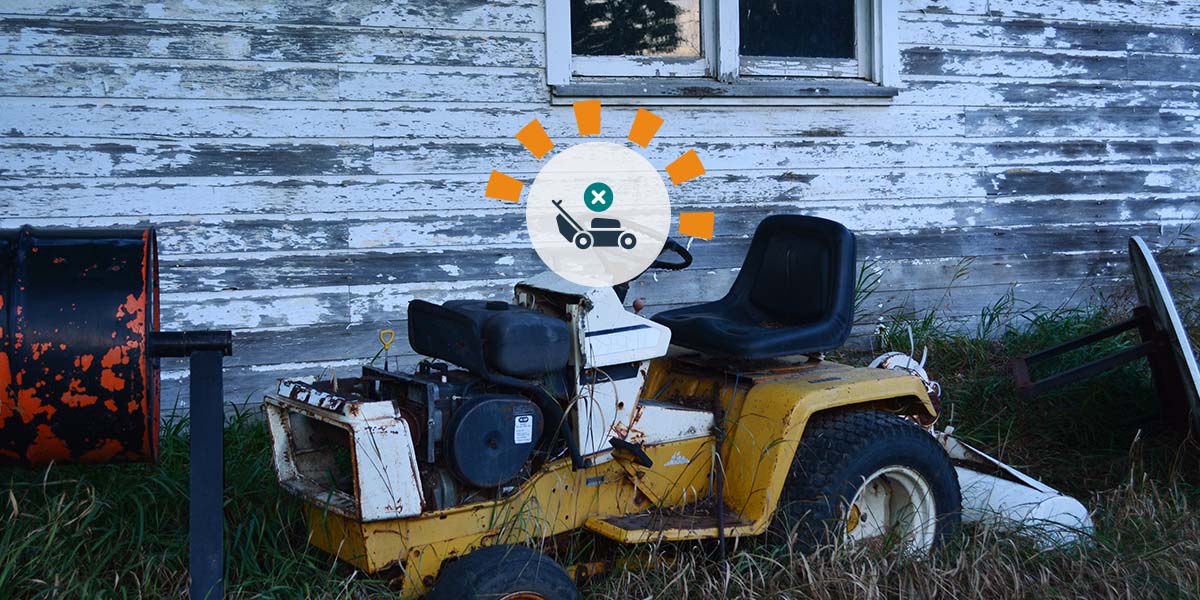
Image Source: dumpsters.com
Why Proper Lawn Mower Disposal Matters
Simply tossing a lawn mower into the landfill is not only a missed opportunity for recycling but also a potential environmental hazard. Mowers, especially older models, can contain a variety of substances that are harmful if not disposed of correctly.
What’s Inside a Lawn Mower That Needs Special Care?
- Gasoline and Oil: If your mower is gas-powered, residual fuel and oil can contaminate soil and water if leaked.
- Batteries: Electric and battery-powered mowers contain batteries that can leach heavy metals into the environment.
- Metals: The bulk of a mower is made of metal, which is highly recyclable.
- Plastics: Various plastic components can also be recycled.
Failing to address these components means contributing to pollution. Responsible mower disposal ensures these materials are handled safely and, where possible, repurposed.
Preparing Your Lawn Mower for Disposal
Before you can say goodbye to your old mower, some preparation is needed. This ensures safety for you and for anyone handling the mower during its removal process.
Draining Fluids: A Crucial Step
For gas-powered mowers, draining all fluids is essential. This prevents leaks and makes the mower safer to transport and handle.
How to Safely Drain Gas and Oil:
- Gather Supplies: You’ll need a safe container for fuel and oil, a funnel, and rags or absorbent pads.
- Position the Mower: Place the mower on a level surface.
- Drain the Fuel:
- Method 1 (Siphon): Use a siphon pump to carefully transfer the gasoline from the tank into a proper fuel container.
- Method 2 (Run Dry): If the mower runs, start it and let it run until it exhausts all the fuel in the tank. This is often the simplest method.
- Drain the Oil: Locate the oil drain plug (usually at the bottom of the engine). Tilt the mower to access the plug, placing your container underneath to catch the oil. Remove the plug and let the oil drain completely. Replace the plug afterward.
- Proper Disposal of Fluids: Do not pour gasoline or oil down drains or onto the ground. Take them to a local hazardous waste collection center or a recycling facility that accepts used motor oil.
What About Battery-Powered Mowers?
If you have a battery-powered mower, you’ll need to remove and dispose of the battery separately. Most rechargeable batteries can be taken to battery recycling drop-off points, often found at electronics stores or municipal waste facilities.
Cleaning the Mower
Give your mower a good clean. Remove grass clippings, dirt, and debris from the deck, wheels, and engine. This makes it easier to handle and can sometimes help identify recyclable components.
Options for Lawn Mower Disposal
Once your mower is prepped, you have several avenues for lawn mower disposal. The best option often depends on your location, the condition of the mower, and your local services.
1. Recycling Your Old Mower
Recycling is one of the most environmentally friendly ways to dispose of your mower. Many components, particularly the metal parts, can be given a new life.
Finding a Metal Recycler:
- Local Scrap Yards: Many scrap metal yards accept old lawn mowers. They will often pay you by weight for the metal. They are equipped to handle the dismantling and proper processing of the materials.
- Municipal Recycling Centers: Check with your local recycling center or waste management authority. Some offer specific drop-off days or locations for appliances and yard equipment.
What to Expect at a Recycling Center:
Recyclers will typically drain any remaining fluids (if you haven’t already) and then dismantle the mower. The metal parts – steel and aluminum – are sent for smelting and reuse. Other components, like plastic parts or batteries, are sorted for their respective recycling streams. This is a key part of recycle lawn mower initiatives.
2. Selling or Donating a Working Mower
If your mower is still in good working order, giving it a second life is a fantastic option. This is a great way to help someone else out and avoid unnecessary waste.
Where to Sell or Donate:
- Online Marketplaces: Websites like Craigslist, Facebook Marketplace, or eBay are excellent platforms to sell a used mower.
- Local Charities: Organizations that support low-income families or community projects might accept working lawn mower donations.
- Friends, Family, or Neighbors: Someone you know might be in need of a mower.
Pricing Your Used Mower:
When selling, research similar models online to get a fair price. Be honest about the mower’s condition.
3. Junk Lawn Mower Pickup Services
For mowers that are beyond repair or donation, specialized junk lawn mower pickup services are available. These companies are equipped to haul away bulky items and often handle the recycling or disposal process responsibly.
How Junk Pickup Works:
- Booking: You’ll typically call or book a pickup online.
- Quoting: Many services offer free quotes based on the item’s size and your location.
- Removal: A truck will come to your property to collect the mower.
- Disposal: The service will then take the mower to an appropriate facility for dismantling, recycling, or disposal.
This is often the most convenient option for a junk lawn mower pickup, especially if you don’t have the means to transport it yourself.
4. Municipal Bulky Waste Collection
Many towns and cities offer special collection days for bulky items, which can include lawn mowers.
Checking Your Local Services:
- Contact Your Waste Management Department: This is the best first step. Ask about their policies for disposing of old lawn mowers.
- Scheduled Pickups: Some municipalities allow you to schedule a pickup for a fee.
- Drop-off Centers: Your local public works department or waste transfer station might have designated areas for bulky item drop-off.
Be aware that some municipal services may require you to drain fluids or otherwise prepare the mower before collection.
5. Hazardous Waste Disposal
Certain components of a lawn mower, particularly the fuel and oil, qualify as hazardous waste lawn mower materials.
Hazardous Waste Collection Sites:
- County or City Facilities: Most municipalities have designated hazardous waste collection sites or periodic collection events.
- Retailer Take-Back Programs: Some auto parts stores or service centers accept used motor oil and filters.
It’s crucial to use these facilities to ensure that hazardous substances are managed safely, preventing environmental contamination.
Specialized Disposal: Riding Mowers and Commercial Mowers
Riding mower disposal and commercial mower disposal have some unique considerations due to their size and complexity.
Riding Mower Disposal
Riding mowers are larger and often heavier than push mowers.
- Weight and Size: Their size can make them difficult to move. If you need to transport it to a recycling center, you might need a trailer or a truck with a ramp.
- Scrap Yards: Most scrap yards that accept push mowers will also take riding mowers. The higher metal content can sometimes mean a better return if you’re selling it for scrap.
- Junk Removal Services: These services are well-equipped for riding mower disposal due to their specialized vehicles.
Commercial Mower Disposal
Commercial mowers, used by landscaping companies or municipalities, are typically larger, more powerful, and more complex.
- Fleet Management: Businesses often have dedicated programs for equipment disposal or trade-ins.
- Specialized Recyclers: Look for metal recyclers who specifically handle large equipment or industrial scrap.
- Decommissioning: The process of mower decommissioning for commercial units often involves thorough draining of all fluids and removal of batteries, following strict safety protocols.
- Bulk Pickup: If a business has multiple old mowers, arranging a bulk pickup service or a dedicated disposal day with a waste management company is efficient.
Decommissioning Your Mower: A Step-by-Step Process
The term mower decommissioning refers to the process of preparing a mower for disposal by rendering it safe and ensuring all hazardous materials are removed.
Steps for Effective Mower Decommissioning:
- Drain Fuel: As detailed earlier, completely empty the fuel tank.
- Drain Oil: Remove all engine oil.
- Remove Battery: If applicable, disconnect and remove the battery.
- Disconnect Spark Plug: This prevents accidental starting.
- Check for Other Fluids: Ensure any other fluids (e.g., hydraulic fluid in some riding mowers) are drained.
- Clean Thoroughly: Remove all grass clippings and debris.
This methodical approach ensures that when you engage in lawn mower disposal, you’re doing it safely and responsibly.
The Environmental Impact of Improper Disposal
Failing to dispose of your lawn mower correctly can have significant negative impacts on the environment.
Water Contamination
Gasoline and oil are petroleum products that can seep into the soil and eventually contaminate groundwater and surface water. This can harm aquatic life and make water sources unsafe.
Soil Contamination
Leaked fluids can poison soil, making it unsuitable for plant growth. This can affect your lawn and surrounding ecosystems.
Air Pollution
If a mower with fuel is improperly disposed of, residual fuel can evaporate, contributing to volatile organic compounds (VOCs) in the atmosphere.
Landfill Burden
Landfills are already facing capacity issues. Disposing of large items like lawn mowers that could be recycled or refurbished adds to this problem. Metal components, in particular, take up valuable space and represent lost resources.
Making an Eco-Conscious Choice
When it’s time to part with your old mower, consider the environmental implications of each disposal method. Prioritize recycling, donation, or responsible disposal services that handle hazardous materials correctly. Even for a scrap lawn mower, ensuring it’s processed in an environmentally sound way is important.
Frequently Asked Questions (FAQ)
Here are some common questions people have about disposing of lawn mowers:
Q1: Can I sell a lawn mower that needs repairs?
A1: Yes, you can often sell a mower that needs repairs to individuals who enjoy fixing equipment or to scrap yards. Be upfront about its condition to attract the right buyers.
Q2: How do I dispose of old mower blades?
A2: Mower blades are typically made of steel and can be taken to a scrap metal recycler. Ensure they are removed from the mower and handled safely, as they are sharp.
Q3: What if my mower is very old and rusty?
A3: Rusty mowers are still highly recyclable due to their metal content. Prepare them by draining fluids and then take them to a local scrap metal dealer.
Q4: Are there services that pick up old lawn mowers for free?
A4: While some municipalities offer free bulky waste pickup days, most private junk removal services will charge a fee. Check with your local government for free disposal options.
Q5: What should I do if my mower has a sealed battery?
A5: Sealed batteries, like those found in some electric mowers, should still be removed and taken to a designated battery recycling center. These centers are equipped to handle them safely.
Q6: Can I take my lawn mower to the dump?
A6: Some local dumps or transfer stations may accept lawn mowers, but they often have specific procedures or fees, especially for items containing hazardous materials. It’s best to call ahead and inquire.
By following these guidelines, you can ensure your old mower is disposed of safely and responsibly, contributing to a healthier planet.