
A lot of lawn mower hours is generally considered to be anything over 1,000 hours for a residential mower, and 2,000-3,000 hours for a commercial mower. However, this is a broad guideline, and the actual lifespan of a lawn mower depends on many factors.
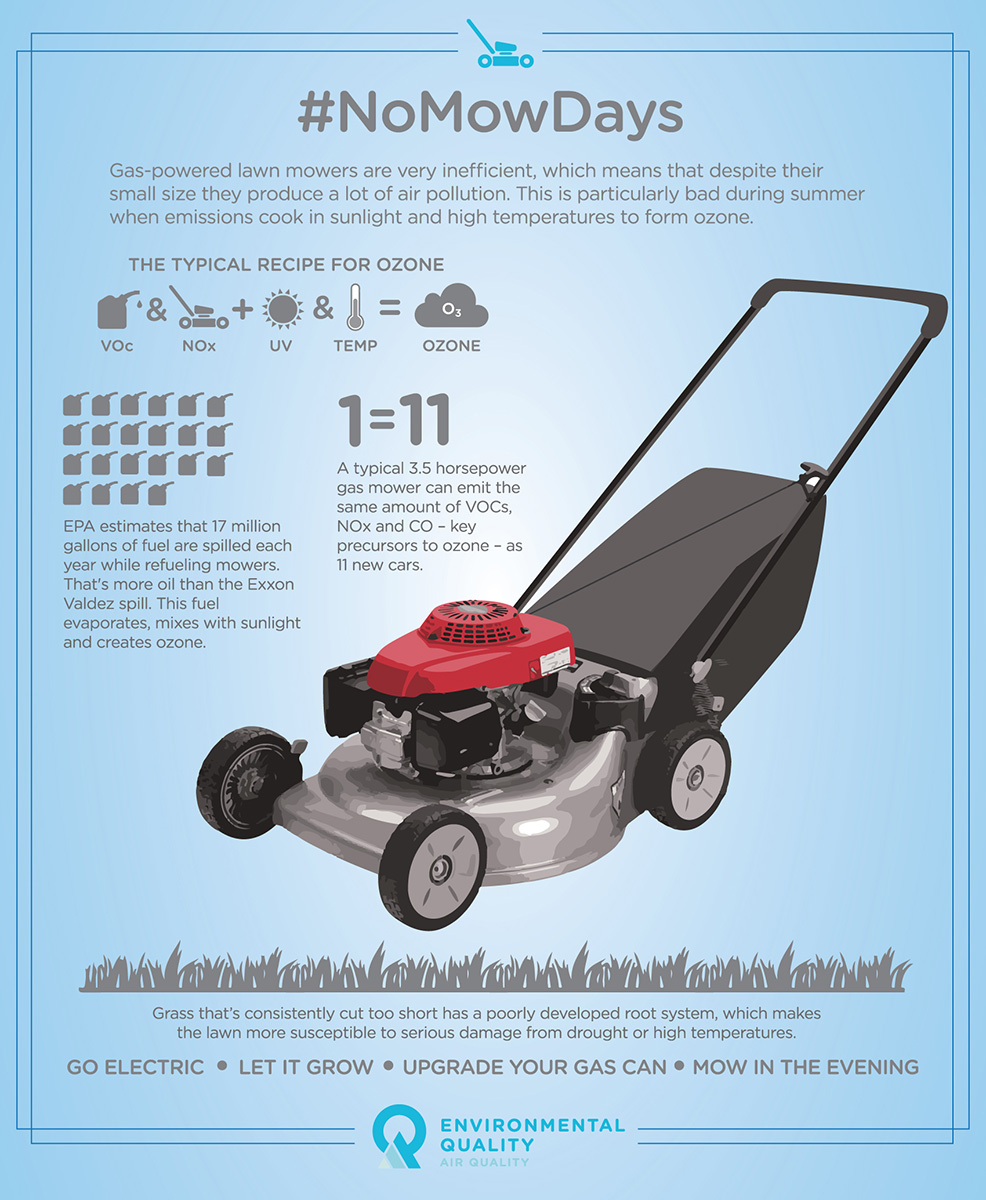
Image Source: deq.utah.gov
Factors Influencing Lawn Mower Lifespan
Many things affect how long a lawn mower lasts. How you use it, how well you care for it, and the type of mower all play a big role. Let’s dive into what these factors mean for your mower’s lawn mower engine lifespan.
Usage Patterns and Acceptable Lawn Mower Usage
How often and how you use your mower greatly impacts its lifespan.
- Frequency of Use: A mower used weekly for most of the year will wear out faster than one used only a few times during the summer.
- Type of Terrain: Mowing on flat, smooth lawns is easier on the mower than tackling hills, rough patches, or areas with many obstacles. Bouncing and jarring from uneven ground can stress the engine and frame.
- Grass Conditions: Cutting tall, thick, or wet grass requires more power and puts a greater strain on the engine, reducing its mower performance hours. Dry, shorter grass is ideal.
- Mowing Time Per Acre: The mowing time per acre can vary. If it takes you a long time to mow an acre, it suggests you might be struggling with thick grass or a less powerful mower, leading to more wear.
Maintenance and Care
Regular maintenance is key to a long-lasting mower. Neglecting this can significantly shorten its life.
- Oil Changes: Just like a car, lawn mower engines need regular oil changes. Dirty or low oil causes friction and heat, damaging the engine.
- Air Filter: A clean air filter ensures the engine gets enough clean air to run efficiently. A clogged filter makes the engine work harder.
- Spark Plugs: New spark plugs ensure a strong spark for efficient combustion. Old plugs can lead to poor performance and increased fuel consumption.
- Blade Sharpening and Balancing: Sharp blades cut grass cleanly, reducing strain on the engine. Dull blades tear grass, making it unhealthy and requiring more effort from the mower. Balanced blades prevent vibrations that can damage the engine and deck.
- Cleaning: Removing grass clippings from the deck, engine, and cooling fins prevents overheating and rust.
Mower Type and Quality
Not all lawn mowers are created equal. The design and build quality play a significant role.
- Residential vs. Commercial: Commercial mowers are built with heavier-duty components to withstand prolonged use and demanding conditions. They typically have higher maximum lawn mower operating hours than residential models.
- Engine Brand and Model: Reputable engine manufacturers often produce more durable engines. The specific engine in your mower contributes to its overall lifespan.
- Build Quality: The materials used for the deck, frame, and other components influence durability.
Lawn Mower Run Time and Its Meaning
Lawn mower run time refers to the actual time the engine is operating. This is a crucial metric when considering mower engine hours. While a single mowing session might be short, the cumulative lawn mower run time over years is what ultimately determines wear.
- Short Bursts vs. Continuous Operation: While it might seem like short, frequent mows are better, continuous operation at optimal temperatures can sometimes be more efficient for the engine than frequent starting and stopping, which can be harder on the starter and battery.
- Cooling: Mowers need to cool down after extended periods of operation. Overheating can damage the engine.
Deciphering Mower Engine Hours
Mower engine hours are a direct measurement of how long the engine has been running. Many modern mowers have an hour meter, especially commercial models. For residential mowers, you might need to estimate or track it manually.
- Residential Mowers: A typical residential mower might be expected to last between 300 and 500 hours under normal use. Some well-maintained models can exceed this.
- Commercial Mowers: These are designed for more demanding use and can often last between 1,500 and 3,000 hours, or even more if exceptionally well-maintained.
How Long Can A Lawn Mower Run?
The answer to “How long can a lawn mower run?” depends heavily on the factors we’ve discussed.
- Single Session: A properly maintained residential mower can typically run for 1-2 hours continuously before needing a cool-down, depending on the fuel tank size and engine efficiency. Commercial mowers may have larger fuel tanks and more robust cooling systems, allowing for longer continuous runs.
- Total Lifespan: As mentioned, this is measured in total mower engine hours. A residential mower might have a total lifespan of 300-500 hours, while a commercial unit could reach 1500-3000+ hours.
Fathoming Lawn Mower Duty Cycle
The lawn mower duty cycle refers to how intensely and for how long the mower is used within a given period.
- Light Duty Cycle: Mowing a small, flat, well-maintained lawn once a week. This would contribute less to wear per mowing session.
- Heavy Duty Cycle: Mowing a large, hilly property with thick grass frequently, or using the mower for other tasks like pulling a cart or aerator. This places a much higher demand on the mower.
A mower designed for a light duty cycle, if subjected to a heavy duty cycle, will likely experience a significantly shortened lifespan.
Interpreting Maximum Lawn Mower Operating Hours
The maximum lawn mower operating hours is the theoretical limit of how long a mower’s engine is designed to run effectively. This isn’t a fixed number but rather an average expected lifespan based on design and intended use.
- Design Specifications: Manufacturers design engines with certain durability targets in mind.
- Operating Environment: The conditions under which the mower operates will affect whether it reaches its maximum potential hours.
Lawn Mower Productivity Time and Efficiency
Lawn mower productivity time relates to how efficiently you can complete your mowing tasks. This is influenced by the mower’s power, cutting width, and maneuverability.
- Cutting Width: A wider deck means you cover more ground with each pass, reducing overall mowing time.
- Engine Power: A more powerful engine can handle tougher conditions and maintain blade speed, leading to faster mowing.
- Maneuverability: A mower that is easy to turn and navigate around obstacles contributes to better productivity.
While higher productivity is desirable, it’s important not to sacrifice proper maintenance or push the mower beyond its capabilities in the pursuit of speed.
What Constitutes “A Lot” of Hours?
Let’s break down what “a lot” of hours means for different types of users.
Residential Mower Hours
For a typical homeowner with a quarter-acre to half-acre yard, mowing once a week during the growing season (say, 25-30 weeks a year), here’s a rough estimate:
- Average Mowing Time: 1 hour per mowing session.
- Annual Hours: 25-30 hours per year.
- Lifespan Expectation: If a residential mower is expected to last 300-500 hours, this translates to roughly 10-20 years of use.
Therefore, if your residential mower is approaching or exceeding 300 hours, you might consider it to have “a lot” of hours. This doesn’t mean it’s at the end of its life, but it’s a good time to be extra vigilant with maintenance and anticipate potential repairs.
Commercial Mower Hours
Professionals using mowers daily or for extended periods will accumulate hours much faster.
- Average Daily Use: 4-6 hours per day.
- Annual Hours: With 200 mowing days a year, this could be 800-1200 hours annually.
- Lifespan Expectation: For commercial mowers rated for 1500-3000+ hours, this means a lifespan of 1.5 to 5 years of heavy professional use.
For a commercial user, reaching 1,500-2,000 hours on a mower would certainly be considered “a lot” of hours. At this point, major overhauls or replacements become more likely.
Signs Your Mower’s Hours Are High (And What to Do)
Even if you don’t have an hour meter, certain signs indicate your mower has accumulated significant mower engine hours and may be showing its age.
Observable Indicators
- Decreased Power: The engine struggles to maintain speed, especially under load (thick grass, inclines).
- Increased Smoke: Blue or black smoke from the exhaust often indicates burning oil or incomplete combustion, common in older engines.
- Difficulty Starting: The engine is harder to start, or it sputters and dies.
- Unusual Noises: Knocking, grinding, or persistent backfiring can signal internal engine wear.
- Excessive Vibration: Increased vibration can be due to engine imbalance or worn-out components.
- Oil Leaks: Seals and gaskets degrade over time, leading to leaks.
- Fuel Consumption: An older, less efficient engine may consume more fuel for the same amount of work.
What to Do When Hours Are High
- Intensify Maintenance: Be more diligent with oil changes, air filter replacements, and spark plug checks. Consider using higher-quality oils and filters.
- Inspect Key Components:
- Engine Compression: A compression test can reveal the internal health of the engine. Low compression means worn piston rings or valves.
- Bearings: Check wheel bearings, blade spindle bearings, and drive system bearings for roughness or play.
- Belts and Hoses: Inspect for cracks, fraying, or stiffness.
- Fuel System: Clean the carburetor or fuel injectors if performance issues persist.
- Address Minor Issues Promptly: Don’t let small problems turn into major ones. A loose bolt, a small oil leak, or a worn-out cable should be fixed as soon as they appear.
- Consider Professional Servicing: A qualified mechanic can perform more in-depth diagnostics and recommend necessary repairs or preventative maintenance.
- Evaluate Repair Costs vs. Replacement: If major engine work is needed (e.g., rebuilding the engine), it might be more cost-effective to replace the mower, especially if it’s an older residential model. Compare the cost of repairs to the price of a new mower with comparable features and quality.
- Prioritize Safety: If your mower shows signs of structural weakness or uncontrolled operation, it’s no longer safe to use.
The Role of the Hour Meter
An hour meter is a simple yet invaluable tool for tracking lawn mower run time.
Types of Hour Meters
- Mechanical: Older models might have a physical meter that advances like an odometer.
- Digital (Tachometer/Hour Meter): These are common on modern equipment and often display engine RPM as well as total run time. They are usually powered by the ignition system.
Benefits of Using an Hour Meter
- Accurate Usage Tracking: Provides precise mower engine hours.
- Predictive Maintenance: Allows you to schedule maintenance based on actual usage, not just calendar time. For example, changing the oil every 50 hours of operation.
- Resale Value: Proving low usage with an hour meter can increase a mower’s resale value.
- Warranty Claims: Many warranties require proper maintenance based on operating hours.
If your mower doesn’t have one, consider installing an aftermarket hour meter. They are relatively inexpensive and can provide significant benefits.
Comparing Residential and Commercial Mower Lifespans
The distinction between residential and commercial mowers is crucial when discussing acceptable lawn mower usage and lifespan.
| Feature | Residential Mower | Commercial Mower |
|---|---|---|
| Intended Use | Occasional use (e.g., weekly) on small to medium lawns | Daily use on large properties, often demanding conditions |
| Engine Durability | Designed for lighter duty, fewer cycles | Built for heavy-duty, high cycle use |
| Component Strength | Lighter gauge metal, less robust parts | Heavier gauge metal, stronger bearings, higher quality components |
| Cooling Systems | Adequate for occasional use | Enhanced for continuous operation |
| Typical Lifespan | 300-500 hours | 1500-3000+ hours |
| Cost | Lower | Higher |
Using a residential mower for commercial purposes is a surefire way to drastically reduce its lawn mower engine lifespan and void warranties. The heavier lawn mower duty cycle of professional work will quickly wear out components not designed for such stress.
Tips for Extending Your Mower’s Life
Regardless of the mower type, proper care will maximize its mower performance hours.
- Read the Manual: It contains specific maintenance schedules and operating guidelines for your model.
- Warm-Up and Cool-Down: Allow the engine to warm up for a minute or two before mowing and let it run for a minute after finishing to cool down gradually.
- Avoid Overworking: Don’t try to cut grass that is excessively tall or wet. Make multiple passes if necessary.
- Keep it Clean: Wash the mower after each use to remove grass clippings, dirt, and debris.
- Store Properly: Store the mower in a dry, protected area. For long-term storage, use a fuel stabilizer and change the oil.
- Inspect Before and After Each Use: A quick check for loose parts, leaks, or damage can prevent bigger issues.
- Use Quality Fuel and Oil: Always use the recommended fuel octane and the correct type and grade of oil.
Frequently Asked Questions (FAQ)
Q1: How many hours is a lot for a riding lawn mower?
For a residential riding mower, anything over 300-500 hours can be considered a lot. This is typically when you might start seeing more significant wear and tear or the need for more substantial repairs. Commercial zero-turn mowers or tractors can often last much longer, sometimes reaching 1,500-3,000 hours or more with diligent maintenance.
Q2: Can I still use my lawn mower if it has a lot of hours?
Yes, you can often still use your lawn mower even if it has a lot of hours, but you need to be prepared for potential issues. Increased maintenance, prompt attention to any developing problems, and a realistic expectation of its remaining lifespan are key. If it’s a residential mower approaching 500 hours, or a commercial mower approaching 2,000 hours, it’s a good time to consider its replacement cost versus repair costs.
Q3: What is the average lifespan of a push lawn mower engine?
The average lifespan of a push lawn mower engine is generally between 300 to 500 hours of lawn mower run time for residential models. Commercial-grade push mowers, though less common, would have a significantly longer lawn mower engine lifespan.
Q4: Should I worry about the number of hours on a used lawn mower?
Yes, absolutely. The mower engine hours are a critical indicator of wear. If a used mower has very high hours (e.g., approaching the upper end of its expected lifespan for its type) without a clear maintenance history, it might be a riskier purchase, even if the price is attractive. Always ask for maintenance records or look for an hour meter if available.
Q5: How does the type of grass affect lawn mower usage and lifespan?
Cutting thick, tall, or wet grass puts a much greater strain on the mower’s engine and deck. This increases the lawn mower duty cycle and leads to faster wear and tear. If you consistently mow challenging conditions, your mowing time per acre might be longer, and the overall lawn mower engine lifespan will likely be shorter than if you were mowing ideal conditions. Regular blade sharpening and ensuring the mower is powerful enough for your yard are crucial.
By paying close attention to your mower’s lawn mower run time, performing regular maintenance, and being mindful of the factors influencing its lawn mower engine lifespan, you can ensure it continues to provide reliable service for years to come.