
A typical riding lawn mower battery operates at 12 volts. This standard voltage is crucial for powering the starter motor, lights, and other electrical components on your lawn tractor.
Your riding lawn mower relies on its battery to start up and keep its systems running. But have you ever wondered about the specifics of that power source? Specifically, how many volts does a riding lawn mower battery actually deliver? The answer is usually quite straightforward, but understanding the “why” and what else matters can save you time, money, and frustration when it comes to riding mower battery replacement.
Let’s dive deep into the world of lawn mower battery voltage and explore everything you need to know.
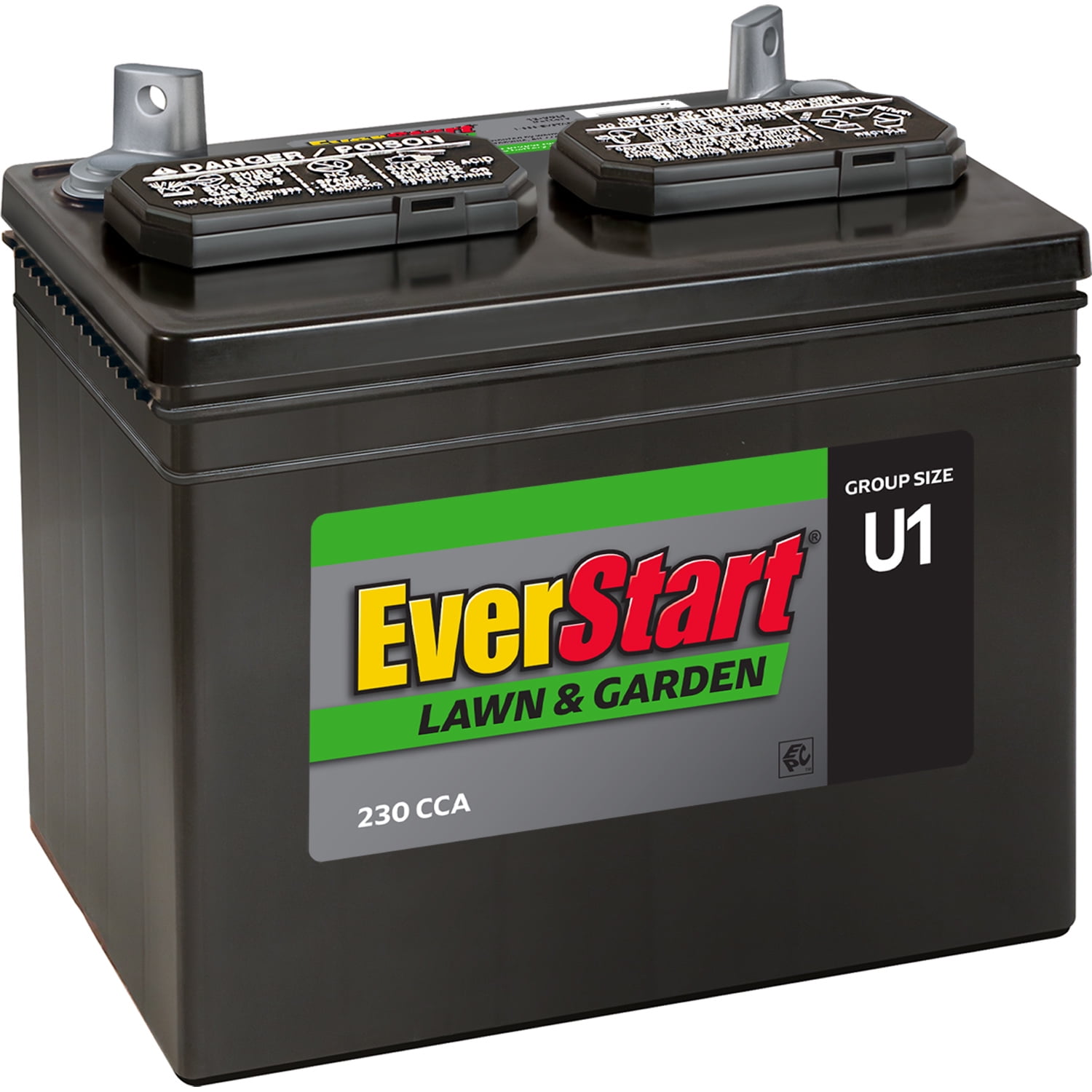
Image Source: i5.walmartimages.com
The Heart of the Matter: Voltage
When we talk about the “volts” of a battery, we’re referring to the electrical potential difference it provides. Think of it like water pressure in a hose – higher pressure means more force to push the water. In a battery, volts are the “push” that drives electricity through the mower’s circuits.
For the vast majority of riding lawn mowers, this push comes in the form of 12 volt riding mower battery power. This is a standard across many vehicles, from cars to motorcycles, and it’s a well-established and reliable voltage for the tasks a riding mower needs to perform.
Why 12 Volts?
So, why has 12 volts become the industry standard for these machines?
- Sufficient Power: 12 volts is more than enough to reliably engage the starter motor, which requires a significant surge of power to crank the engine. It also powers the mower’s lights (if equipped), electronic ignition, and any other accessories.
- Component Availability: A wide array of electrical components, from starter solenoids to voltage regulators, are manufactured and readily available for 12-volt systems. This makes sourcing parts and performing repairs much easier and more cost-effective.
- Safety: While higher voltages could potentially offer more power, they also introduce greater safety risks and require more complex insulation and safety features, adding to the cost and complexity of the mower.
- Efficiency: 12-volt systems strike a good balance between delivering enough power and maintaining reasonable efficiency for the type of work a lawn mower does.
Beyond Voltage: What Else Matters?
While voltage is a critical specification, it’s not the only factor that defines a battery’s performance. Several other aspects are vital for a healthy and reliable riding mower battery.
Riding Mower Battery Type
The most common riding mower battery type you’ll encounter is the lead-acid battery. Within this category, there are a few sub-types:
- Flooded Lead-Acid (Wet Cell): These are the traditional batteries where the lead plates are immersed in a liquid electrolyte (a mixture of sulfuric acid and water). They often require periodic checking of the electrolyte level and topping up with distilled water. They are generally the most affordable option.
- Sealed Lead-Acid (SLA): These batteries are designed to be maintenance-free. The electrolyte is absorbed into a fiberglass mat (AGM – Absorbed Glass Mat) or trapped in a gel-like substance (Gel Cell). They are spill-proof and don’t require electrolyte checks. AGM batteries are particularly popular for their vibration resistance and good performance.
There are also newer technologies emerging, such as Lithium-ion batteries, but these are less common in traditional riding mowers and often come with a higher price tag and different charging requirements. For most users, a good quality 12-volt lead-acid battery is the standard and most practical choice.
Lawn Tractor Battery Amps
While volts measure the electrical “pressure,” amps (amperes) measure the “flow” of electrical current. For a lawn tractor battery amps refer to its capacity to deliver that current. This is usually expressed in a couple of ways:
- Cold Cranking Amps (CCA): This is arguably the most important rating for starting a mower, especially in colder temperatures. CCA indicates the number of amps a battery can deliver at 0°F (-18°C) for 30 seconds while maintaining a voltage above 7.2 volts. A higher CCA rating means a stronger starting ability. You’ll typically see ratings from 200 CCA to 350 CCA or more for riding mower batteries.
- Reserve Capacity (RC): This rating tells you how long a fully charged battery can deliver a specific amount of current (usually 25 amps) at room temperature before its voltage drops below a usable level. A higher RC means the battery can power accessories for a longer duration if the charging system has an issue.
When looking for a riding mower battery replacement, paying attention to the CCA and RC ratings, alongside the physical size and terminal type, is crucial.
Riding Mower Battery Size
Batteries come in various physical dimensions, and riding mower battery size matters significantly. You need a battery that will fit snugly into the battery tray or compartment on your mower. Batteries are often categorized by Group Size. Common group sizes for riding mowers include Group U1, Group U1R, and Group 35.
- Group U1 and U1R: These are very common for lawn tractors and riding mowers. The “R” in U1R typically indicates reversed terminal positions, which is important for ensuring your mower’s cables reach the battery terminals correctly.
- Group 35: While less common for entry-level riding mowers, you might find this size in more powerful models or zero-turn mowers.
Always check your owner’s manual or measure your old battery to determine the correct group size before purchasing a replacement. Incorrect sizing can lead to the battery not fitting, making it difficult to secure, or even causing damage to the mower’s electrical system.
Riding Mower Battery Capacity
Battery capacity is typically measured in Ampere-hours (Ah) or sometimes in a similar metric like Reserve Capacity (RC), which we touched upon earlier. Riding mower battery capacity indicates how much electrical energy the battery can store and deliver over time.
- Ampere-hours (Ah): This tells you how many amps a battery can deliver for a specific number of hours. For example, a 20 Ah battery could theoretically deliver 2 amps for 10 hours, or 10 amps for 2 hours. While you won’t be running your mower for 10 hours on battery alone, a higher Ah rating generally means a more robust battery that can handle repeated starts and power accessories for longer.
While CCA is paramount for starting, a good Ah rating contributes to the overall longevity and reliability of the battery throughout its lifespan.
Riding Mower Battery CCA (Cold Cranking Amps)
We’ve mentioned CCA, but it bears repeating its importance, especially for those living in regions with cooler climates. Riding mower battery CCA is directly related to the battery’s ability to start your mower’s engine, particularly when it’s cold.
- Higher CCA = Easier Starting: A battery with a higher CCA rating can provide more power during the critical moments of starting the engine. This is because the engine oil is thicker when cold, creating more resistance for the starter motor to overcome.
- Meeting Manufacturer Specifications: It’s always best to replace your battery with one that meets or exceeds the CCA rating specified by your mower’s manufacturer. Using a battery with too low a CCA rating can lead to hard starting, premature battery failure, and potential strain on your starter motor.
Riding Mower Battery Charging
Proper riding mower battery charging is essential for maximizing its lifespan and performance. Overcharging or undercharging can damage the battery.
- Mower’s Charging System: Your riding mower has an alternator or stator that generates electricity to recharge the battery while the engine is running. This system is designed to maintain the battery at an optimal charge level.
- External Chargers: If you use an external battery charger, ensure it’s designed for 12-volt lead-acid batteries and has features like automatic shut-off or a “trickle charge” mode to prevent overcharging. Many modern chargers are “smart” chargers that can assess the battery’s condition and adjust the charging rate accordingly.
- Battery Tender: A battery tender is a low-amperage device that maintains a full charge without overcharging. It’s ideal for keeping a riding mower battery in good condition during off-season storage.
Common Riding Mower Battery Issues and Solutions
Even with proper care, batteries don’t last forever. Here are some common issues and how to address them:
Battery Won’t Turn Over the Engine
- Dead Battery: The most common cause. Check the voltage with a multimeter. If it’s significantly below 12 volts, it might be dead.
- Corroded Terminals: Loose or corroded battery terminals can prevent sufficient power flow. Clean them with a wire brush and apply terminal protectant.
- Faulty Starter or Solenoid: If the battery shows good voltage but you hear a clicking sound or nothing at all, the issue might be with the starter motor or the solenoid.
- Loose Connections: Ensure all battery cable connections are tight.
Slow Cranking
- Weak Battery: The battery may have lost its capacity to deliver sufficient CCA.
- Low Electrolyte Level (Flooded Batteries): If the plates are not fully submerged, it reduces the battery’s effectiveness.
- Extreme Cold: Even a good battery can struggle in very cold temperatures.
Battery Drains Quickly
- Parasitic Draw: Something in the mower’s electrical system might be drawing power even when the ignition is off. This requires systematic troubleshooting.
- Aging Battery: Batteries lose their capacity to hold a charge over time.
- Faulty Charging System: The alternator or stator might not be recharging the battery effectively.
When to Consider a Riding Mower Battery Replacement
The lifespan of a riding mower battery typically ranges from 3 to 5 years, depending on usage, climate, and maintenance. Signs that it’s time for a riding mower battery replacement include:
- Frequent slow cranking.
- Needing to jump-start the mower regularly.
- Visible signs of corrosion or damage on the battery case.
- The battery failing to hold a charge even after a full charging cycle.
- The battery being several years old, regardless of apparent performance.
Choosing the Right Replacement Battery
When it’s time for a riding mower battery replacement, follow these steps:
- Consult Your Owner’s Manual: This is the definitive source for the correct battery specifications, including group size, CCA, and terminal type.
- Check the Old Battery: If you don’t have the manual, look for labels on the old battery. The group size and voltage are usually clearly marked.
- Match Specifications: Prioritize matching the group size and CCA rating. If your old battery had a higher CCA than the minimum requirement, it’s usually fine to opt for a battery with an equal or higher CCA.
- Consider Battery Type: For most riders, an AGM battery offers better vibration resistance and maintenance-free convenience.
- Terminal Orientation: Ensure the positive and negative terminals are on the correct sides for your mower’s cables to reach comfortably. This is where the “R” in U1R becomes important.
Battery Maintenance Tips
To extend the life of your riding mower battery:
- Keep Terminals Clean: Periodically check for corrosion and clean them with a wire brush and a mixture of baking soda and water. Apply a thin layer of dielectric grease or petroleum jelly after cleaning.
- Ensure Connections are Tight: Loose connections can hinder charging and power delivery.
- Maintain Charge Level: Use a battery tender during off-season storage. If the mower is used infrequently, try to run the engine for at least 15-20 minutes every month to allow the charging system to top up the battery.
- Avoid Deep Discharges: Try not to let the battery go completely dead, as this can significantly shorten its lifespan.
- Protect from Extreme Temperatures: While riding mowers are used in various conditions, extreme heat can accelerate battery degradation, and extreme cold can temporarily reduce its performance.
Frequently Asked Questions (FAQ)
- Can I use a car battery on my riding mower?
Generally, no. While both might be 12-volt, car batteries are designed for different power demands and vibration levels. Riding mower batteries are typically smaller, more compact, and built to withstand the vibrations of mowing. Using a car battery might not fit correctly and could lead to premature failure. - How long does a riding mower battery typically last?
A well-maintained riding mower battery usually lasts between 3 to 5 years. Factors like climate, usage frequency, and maintenance play a significant role. - What does CCA mean on a battery?
CCA stands for Cold Cranking Amps. It measures a battery’s ability to start an engine in cold temperatures (0°F or -18°C). A higher CCA rating means better starting power in the cold. - Is it okay to leave my riding mower battery on a trickle charger all the time?
Yes, a proper trickle charger or battery tender is designed to maintain a full charge without overcharging, making it ideal for long-term storage. - How do I check if my riding mower battery is bad?
You can check its voltage with a multimeter. A fully charged 12-volt battery should read around 12.6 volts or slightly higher when the engine is off. If it reads significantly lower (e.g., below 12 volts), it may be discharged or failing. You can also observe symptoms like slow cranking or frequent need for jump-starts.
In conclusion, while 12 volt riding mower battery is the standard, a deeper dive into riding mower battery voltage, coupled with an awareness of riding mower battery type, lawn tractor battery amps, riding mower battery size, riding mower battery capacity, riding mower battery CCA, and proper riding mower battery charging practices, will ensure your mower starts reliably and serves you for years to come. Always refer to your owner’s manual for the most accurate specifications for your specific machine.