
Can you water your lawn in winter? Yes, in certain conditions, but it’s not about regular watering like in warmer months. The key to winter lawn care is understanding when and how much water a lawn needs in winter, which is significantly less than during its growing season. This guide will delve into the specifics of dormant lawn watering and provide expert tips to ensure your grass stays healthy even in the cold.
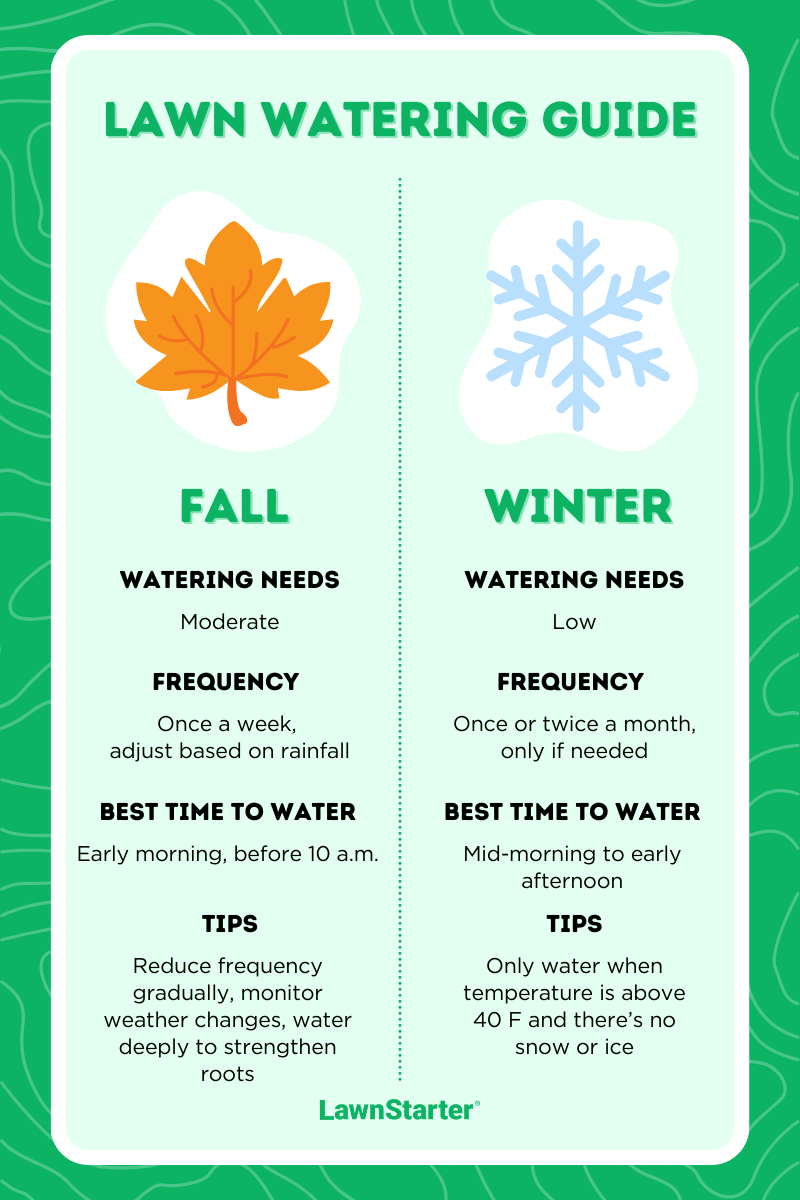
Image Source: www.lawnstarter.com
Why Winter Watering Matters, Even for a Dormant Lawn
Even when your lawn appears brown and lifeless, the grass is not truly dead. It’s in a dormant state, conserving energy to survive the cold. This dormancy is crucial for its survival and its ability to bounce back in spring. However, prolonged drought, even in winter, can severely damage or even kill the grass roots. This is where dormant grass watering schedule becomes important, albeit minimal.
The Science Behind Dormancy and Hydration
During winter, grasses like fescue and bluegrass enter dormancy to protect themselves from freezing temperatures and lack of sunlight. Their growth slows dramatically, and they rely on stored energy. However, they still require some moisture to keep the root systems alive and prevent them from drying out. Lawn moisture winter is primarily about survival, not growth.
What Happens Without Enough Water in Winter?
If the soil becomes excessively dry during winter, the grass roots can desiccate. This means they lose all their moisture and become brittle, eventually dying. When spring arrives and the grass tries to reawaken, it won’t have healthy roots to draw nutrients and water from, leading to a thin, weak lawn that is prone to disease and weed invasion. Proper lawn hydration winter is a preventative measure against these issues.
Deciphering the Signs: When Does Your Lawn Need Water in Winter?
The most critical question for winter lawn watering is: how often? The answer is rarely. Your lawn primarily needs water if there’s a prolonged period without natural precipitation and the soil is dry.
Key Indicators of a Thirsty Dormant Lawn
- Dry Soil: The most direct indicator is dry soil. You can check this by digging a few inches into the ground with a trowel. If the soil is dry and crumbly several inches down, it might be time for some winter lawn irrigation.
- Wilting Grass Blades: Even in dormancy, grass blades can show signs of stress. If you step on your lawn and the blades don’t spring back up, or if they look dull and grayish, it could signify a lack of moisture.
- Extended Drought Conditions: If you’re experiencing a prolonged dry spell with no rain or snow for several weeks, especially when temperatures are above freezing, your lawn might need a helping hand.
Freezing Temperatures and Watering: A Delicate Balance
A common concern is watering frozen lawn. It is generally not advisable to water your lawn when the ground is frozen or when temperatures are consistently below freezing. Watering frozen soil can lead to several problems:
- Ice Formation: Water applied to frozen soil can freeze on the surface, creating an icy layer. This can damage grass blades and hinder air circulation.
- Root Damage: Water expands as it freezes. If the soil is already saturated and then freezes, it can physically damage the delicate grass roots.
- Ineffectiveness: Water applied to a frozen lawn won’t be absorbed by the roots effectively.
Therefore, when to water dormant lawn is crucial – only water when the ground is not frozen and temperatures are expected to remain above freezing for at least 24-48 hours.
Crafting Your Winter Lawn Watering Schedule: Expert Insights
The concept of a fixed dormant grass watering schedule is misleading. It’s more about responding to conditions than adhering to a calendar.
Factors Influencing Winter Watering Needs
- Local Climate: The most significant factor is your region’s typical winter weather. Areas with consistent snowfall and rain will rarely need supplemental watering. Arid or drought-prone regions may need to water more often.
- Soil Type: Sandy soils drain quickly and may dry out faster than clay soils, which retain moisture for longer.
- Grass Type: Some grass varieties are more drought-tolerant than others. Cool-season grasses, common in many northern climates, are more adapted to winter conditions but can still suffer from dehydration.
- Wind Exposure: Windy conditions can dry out the soil and grass blades more rapidly, even in cold weather.
- Sun Exposure: South-facing slopes or areas with more direct sunlight will dry out faster than shaded areas.
How Often to Water Your Lawn in Winter: The “When Needed” Approach
Generally, you only need to water your lawn in winter if there’s been no significant precipitation (rain or snow) for three to four weeks and the soil is dry to a depth of a few inches.
- Infrequent Watering: When watering is necessary, it should be infrequent. Think once every 3-4 weeks during dry spells, rather than weekly.
- Deep Watering: When you do water, water deeply. This encourages roots to grow deeper, making them more resilient. Aim to moisten the soil several inches down.
Determining “How Much Water Lawn Winter”
The amount of water needed is less about a specific volume and more about achieving adequate soil moisture without oversaturation.
- Measure: A good rule of thumb is to apply about half an inch to an inch of water when you water. You can measure this using a rain gauge or by placing straight-sided containers (like tuna cans) around the lawn while watering.
- Observe: Watch how the water is absorbed. If it’s running off, you’re applying too much too quickly.
Best Practices for Winter Lawn Irrigation
- Choose the Right Time: Water during the warmest part of the day, typically midday. This allows the water to soak in before temperatures drop too much and freeze overnight.
- Avoid Watering Frozen Ground: As mentioned, never water if the ground is frozen or if a freeze is imminent.
- Check Soil Moisture: Use a soil probe or trowel to check the moisture level before watering.
- Use Sprinklers Wisely: Ensure your sprinklers are covering the lawn evenly and not just watering sidewalks or driveways. Adjust sprinkler heads if needed.
- Consider the Snow Factor: Snow is an excellent source of moisture. If your lawn is covered in snow, it’s likely receiving adequate hydration. Don’t water if there’s a good layer of snow.
- Know Your Grass Type: Some grasses are more resilient to drought than others. Familiarize yourself with your lawn’s needs.
Addressing Common Winter Watering Myths and Realities
There are several misconceptions about winter lawn watering tips. Let’s clear them up.
Myth 1: A Dormant Lawn Needs No Water
Reality: While growth slows, roots remain active and need moisture to survive. Dormant lawn watering is about maintaining life, not promoting growth.
Myth 2: You Should Water Your Lawn Every Week in Winter
Reality: This is almost always excessive. Most lawns will only need water if there’s a prolonged dry spell without any snow or rain.
Myth 3: Watering a Frozen Lawn is Okay
Reality: This is a recipe for disaster, leading to ice damage and potential root harm. Always wait for thawed ground.
Myth 4: Snow is Always Enough
Reality: While snow provides moisture, a very long, dry winter with little to no snow cover can still lead to dehydration if temperatures remain above freezing for extended periods.
Specific Scenarios for Winter Watering
Let’s look at some specific situations where you might consider winter lawn irrigation.
Scenario 1: Mild Winters with Little Snowfall
If you live in a region with mild winters, where temperatures rarely drop below freezing and snow cover is minimal, you may need to water your lawn more often.
- Check soil moisture regularly: Every 2-3 weeks.
- Water if dry: If the soil is dry several inches down, apply water during a warm spell.
Scenario 2: Drought Conditions Extended into Winter
If your region experienced drought conditions in the fall, the soil may already be dry going into winter.
- Fall watering: Ensure your lawn is well-watered before the ground freezes in late fall. This is a crucial first step for winter lawn care.
- Monitor: Continue to monitor soil moisture throughout the winter. If there’s no snow and no rain for extended periods, supplemental watering might be necessary.
Scenario 3: Newly Seeded or Sodded Lawns in Fall
Lawns established late in the fall have not had enough time to develop a deep root system before winter sets in.
- Initial watering: Ensure the soil is moist before the first hard freeze.
- Occasional watering: If temperatures are mild and the soil dries out, these lawns may need light watering even in winter to prevent root desiccation.
Tools and Techniques for Winter Watering
The Best Tools for the Job
- Hose-end Sprinklers: Traditional sprinklers can be used, but ensure they are placed correctly and not allowed to freeze when not in use.
- Soaker Hoses: These can be a good option for delivering water slowly and directly to the soil, minimizing evaporation and surface ice formation.
- Watering Wands: For smaller areas or targeted watering, a watering wand attached to your hose is efficient.
Checking Soil Moisture
- Soil Probe: A soil probe allows you to easily extract a core of soil to check its moisture content at different depths.
- Trowel or Garden Fork: Digging a small hole with a trowel or fork is a simple way to feel the soil’s moisture.
Summary of Key Winter Watering Principles
To recap the most important aspects of how often to water lawn in winter:
- Infrequent is Key: Watering should be an exception, not a rule.
- Monitor Soil Moisture: Always check the soil before watering.
- Avoid Freezing Temperatures: Never water if the ground is frozen or a freeze is expected.
- Deep and Slow: When you do water, do it deeply and slowly.
- Snow is Water: Rely on natural precipitation as much as possible.
By following these expert tips, you can ensure your lawn remains healthy and prepared for the spring growing season, even during the colder months. Proper lawn hydration winter is about smart, responsive care, not just applying water blindly.
Frequently Asked Questions (FAQ)
Q1: How often should I water my lawn in winter?
A: You should generally only water your lawn in winter if there has been no significant precipitation (rain or snow) for three to four weeks and the soil is dry to a depth of several inches. It’s not a scheduled event but a response to dry conditions.
Q2: Can I water my lawn if the ground is frozen?
A: No, it is not advisable to water your lawn if the ground is frozen. Watering frozen soil can lead to ice formation on the surface, damage grass blades, and potentially harm the roots.
Q3: How much water should I give my lawn in winter?
A: When watering is necessary, aim to apply about half an inch to an inch of water. The goal is to moisten the soil several inches deep without oversaturating it.
Q4: What are the signs that my dormant lawn needs water?
A: Signs include dry, crumbly soil several inches down, grass blades that don’t spring back when stepped on, and a dull, grayish appearance. Extended periods without rain or snow are also indicators.
Q5: Is snow beneficial for my lawn in winter?
A: Yes, snow is an excellent natural source of moisture for your lawn. While snow is present, supplemental watering is usually not needed.
Q6: What is the best time of day to water my lawn in winter?
A: The best time to water your lawn in winter is during the warmest part of the day, typically midday. This allows the water time to soak into the soil before temperatures drop and potentially freeze overnight.
Q7: I live in a mild climate with little snow. How often should I water my lawn?
A: In mild climates with less snowfall, you might need to check your soil moisture more frequently, perhaps every 2-3 weeks. If the soil is dry and temperatures are above freezing, consider watering.
Q8: Does watering frozen lawn cause damage?
A: Yes, watering a frozen lawn can cause damage. The water can freeze on the surface, creating an icy layer that can burn or damage grass blades. It can also lead to root damage as water expands when it freezes within the soil.
Q9: What is dormant lawn watering?
A: Dormant lawn watering refers to the practice of providing supplemental water to your lawn during its dormant period (winter) to prevent the grass roots from drying out and dying due to lack of natural precipitation.
Q10: How important is lawn moisture in winter?
A: Lawn moisture in winter is important for the survival of the grass roots. While the grass isn’t actively growing, the roots need moisture to stay alive and healthy so the lawn can recover and thrive in the spring.