
Does your lawn need lime? Yes, your lawn needs lime if your soil is acidic, which is common in many areas. Applying lime helps balance your soil’s pH, making it a better home for your grass.
Many homeowners wonder about the best way to keep their lawns lush and green. One crucial, yet often overlooked, aspect of lawn care is soil pH. If your soil is too acidic, your grass might struggle to absorb essential nutrients, leading to a weak, discolored, or bare lawn. This is where lime comes in. Adding lime for acidic soil is a fundamental step in creating a healthy turf. This comprehensive guide will walk you through everything you need to know about how much lime your lawn needs, from identifying the problem to applying the solution effectively.
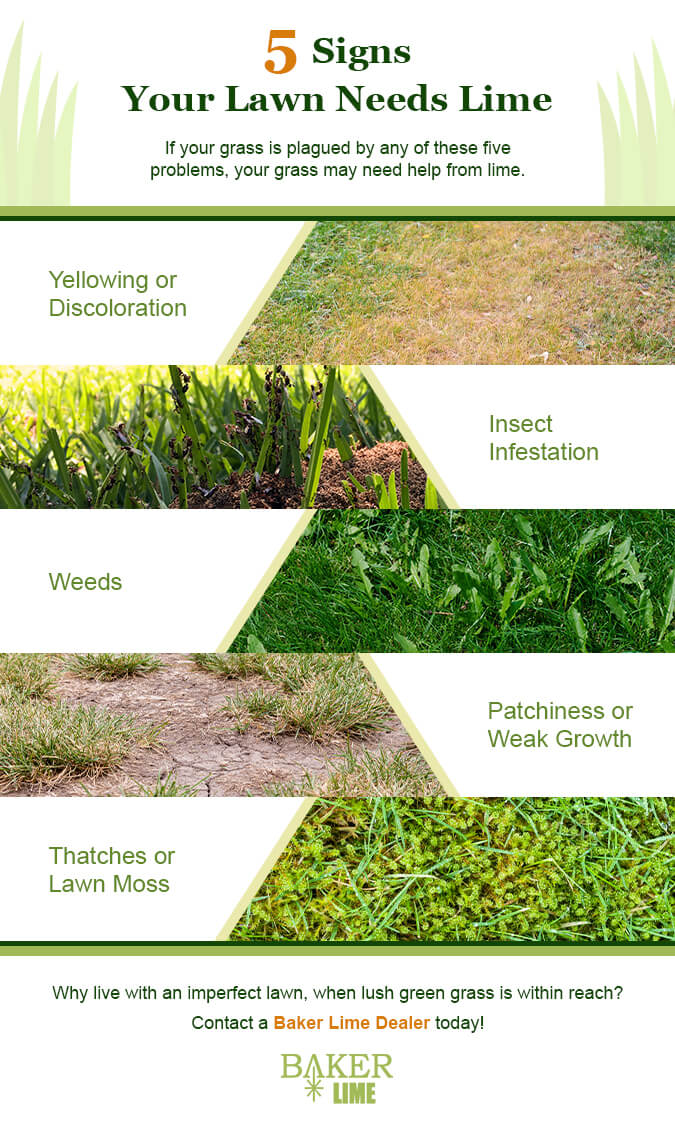
Image Source: www.bakerlime.com
Why Soil pH Matters for Your Lawn
Think of soil pH like a scale. It tells you how acidic or alkaline your soil is. The scale runs from 0 to 14. A pH of 7 is neutral. Anything below 7 is acidic, and anything above 7 is alkaline.
Most grasses thrive in a soil pH range of 6.0 to 7.0. When the pH is outside this ideal range, it affects how nutrients are available to the grass roots.
- Acidic Soil (Low pH): In acidic soil, essential nutrients like nitrogen, phosphorus, and potassium become “locked up.” This means even if you fertilize, your grass can’t use the nutrients effectively. Additionally, acidic soil can release toxic metals like aluminum, which can harm grass roots. You might notice your grass is thin, yellow, or slow to grow.
- Alkaline Soil (High pH): While less common for lawns needing lime, highly alkaline soil can also hinder nutrient uptake, particularly iron, leading to yellowing grass (chlorosis).
Fathoming Your Lawn’s Soil pH
Before you can determine how much lime your lawn needs, you need to know your soil’s current pH level. Guessing can lead to over- or under-application, both of which can be detrimental.
Soil Testing: The First Step
The most accurate way to determine your soil’s pH is through a soil test. Here’s how you can do it:
- Collect Samples: Use a trowel or soil probe to collect soil from several different spots in your lawn, about 4-6 inches deep. Avoid areas near sidewalks or driveways, as they might have different pH levels. Mix these samples together in a clean container.
- Send to a Lab: Many local university extension offices offer professional soil testing services. They can provide a detailed report, including your soil’s pH and recommendations for amendments like lime or fertilizer.
- DIY Test Kits: You can also purchase DIY soil testing kits from garden centers or online. These kits are convenient but may be less precise than lab tests. They typically involve mixing soil with water and a testing solution or using a probe that measures pH.
Interpreting Your Soil Test Results
Your soil test report will typically provide a pH number.
- pH 6.0 or Lower: Your soil is acidic and will likely benefit from liming.
- pH 6.0 – 7.0: This is the ideal range for most lawns.
- pH Above 7.0: Your soil is alkaline. Lime is not needed and could be harmful.
When Should You Lime Your Lawn?
The timing of lawn lime application is as important as the amount.
Seasonal Considerations
- Fall: This is generally the best time to lime your lawn. The soil is warm, and the soil microbes are active, helping to break down the lime and incorporate it. Winter precipitation will also help the lime move into the soil.
- Spring: Liming in early spring is also a good option. It can help neutralize acidity before the growing season gets into full swing, allowing grass to better utilize spring fertilizers.
- Avoid Hot, Dry Periods: Applying lime during extreme heat or drought can stress your lawn and may not be as effective, as soil moisture is needed for the lime to work.
Frequency of Liming
The need for liming depends on your soil type and how quickly it returns to an acidic state.
- Initial Correction: If your soil is significantly acidic, you might need to apply lime every 6-12 months until the pH reaches the desired level.
- Maintenance: Once your soil pH is in the ideal range, you might only need to apply lime every 1-3 years as a maintenance treatment, depending on your soil’s buffering capacity and any ongoing factors contributing to acidity.
How Much Lime Does Your Lawn Need?
Determining the correct amount of lime is crucial. Applying too much can raise the pH too high, creating new problems, while too little won’t solve the acidity issue.
Factors Influencing Lime Application Rates
Several factors go into calculating the right amount of lime:
- Current Soil pH: The lower your pH, the more lime you’ll need.
- Target Soil pH: You’re aiming for a specific pH range, usually 6.0-7.0.
- Soil Type:
- Sandy Soils: Have less buffering capacity and require less lime.
- Clay Soils: Have more buffering capacity and require more lime to achieve the same pH change.
- Type of Lime: Different types of lime have varying effectiveness.
General Application Guidelines
Soil test results are the best guide. If you don’t have a soil test, here are some general recommendations based on common lawn conditions:
| Current Soil pH | Sandy Soil (lbs per 1,000 sq ft) | Loam Soil (lbs per 1,000 sq ft) | Clay Soil (lbs per 1,000 sq ft) |
|---|---|---|---|
| 5.5 | 2-3 | 3-4 | 4-5 |
| 5.0 | 3-4 | 4-5 | 5-6 |
| 4.5 | 4-5 | 5-6 | 6-8 |
Important Note: These are general guidelines. Always prioritize recommendations from your soil test. If your soil test indicates a pH of 6.0 or higher, you likely don’t need to add lime.
Applying Lime Correctly: Step-by-Step
Once you know how to use lime on grass and the amount needed, follow these steps for effective application:
- Calibrate Your Spreader: Ensure your spreader is set to the correct rate for the lime product you are using. Refer to the product packaging for guidance.
- Apply Evenly: Walk at a steady pace, overlapping your passes slightly to ensure uniform coverage. A lime spreader for lawn use, often a broadcast spreader, is ideal for this.
- Avoid Overlapping: Applying lime too heavily in one spot can lead to localized pH imbalances.
- Watering: Lightly water your lawn after applying lime. This helps wash the lime off the grass blades and into the soil, where it can start working.
Types of Lawn Lime
There are several types of lawn lime, each with its own characteristics and benefits. The most common are:
1. Pulverized Limestone (Ground Limestone)
- What it is: This is finely ground limestone rock.
- Pros: It works relatively quickly because of its fine particle size, meaning more surface area is exposed to the soil.
- Cons: Can be dusty and more difficult to spread evenly compared to pelletized forms.
2. Pelletized Lime
- What it is: Pulverized limestone is mixed with a binder and pressed into small pellets.
- Pros: Much easier to handle and spread evenly. Less dusty.
- Cons: May work slightly slower than finely pulverized lime because the pellets need to break down first. This is often the preferred choice for homeowners due to ease of use.
3. Dolomite Lime
- What it is: This type of lime is a calcium carbonate and magnesium carbonate.
- Pros: It raises soil pH and also adds magnesium to the soil, which is an essential nutrient for grass. This is beneficial if your soil is deficient in magnesium.
- Cons: It works more slowly than calcitic lime (pure calcium carbonate). If your soil already has adequate magnesium levels, dolomite lime might not be the best choice.
4. Calcitic Lime (Calcium Lime)
- What it is: This is primarily calcium carbonate.
- Pros: It raises soil pH quickly and effectively.
- Cons: Does not add magnesium. If your soil test shows sufficient calcium and magnesium, this is a good option.
Which Type of Lime is Best?
- For most homeowners, pelletized lime for lawn application is the easiest and most effective choice due to its ease of handling and even spreading.
- If your soil test indicates a magnesium deficiency, dolomite lime for lawn might be a good option.
- If you’re looking for the fastest pH adjustment and don’t have magnesium issues, finely ground limestone for lawns or calcitic lime can be used, but be mindful of dust and application.
The Benefits of Liming Your Lawn
Applying lime when your soil needs it offers significant advantages for your turf:
1. Improved Nutrient Availability
- As mentioned earlier, when soil pH is too low, essential nutrients like nitrogen, phosphorus, potassium, and calcium are less available to grass roots. Lime helps bring the pH into the optimal range, unlocking these nutrients and making them accessible for healthy growth.
2. Enhanced Microbial Activity
- Soil is a living ecosystem. Beneficial soil microbes, such as bacteria and fungi, thrive in a balanced pH environment. Lime supports these microbes, which play vital roles in decomposing organic matter and making nutrients available to plants.
3. Better Root Development
- Acidic soil can inhibit root growth and even lead to root damage. By correcting the pH, lime promotes stronger, deeper root systems, making your grass more resilient to drought and stress.
4. Healthier Grass Appearance
- A lawn treated with lime when needed will look greener and more vigorous. It will be better able to resist diseases and pests.
5. Neutralizing Acidity
- The primary function of lime is to counteract soil acidity. This is particularly important in regions with high rainfall or where certain fertilizers (like ammonium sulfate) are frequently used, as these can increase soil acidity over time.
Using a Lime Spreader for Lawn Application
A lime spreader for lawn use is essential for an even and efficient application.
Types of Spreaders
- Broadcast Spreaders: These are the most common type for applying lime, fertilizer, and seed. They have a hopper and a rotating disc that casts the material outwards in a wide arc. They can be wheeled (for larger areas) or handheld.
- Drop Spreaders: These spreaders drop material directly below the unit as you walk. They offer more precision and are good for keeping materials away from sensitive areas like flowerbeds, but they require more careful overlapping to ensure even coverage.
How to Use a Lime Spreader
- Read the Instructions: Always read the owner’s manual for your specific spreader model.
- Calibrate: Most spreaders have settings for different products. Consult the lime product packaging for recommended settings. It’s a good idea to test the calibration on a tarp or a paved surface before applying it to your lawn.
- Load the Spreader: Fill the hopper with the calculated amount of lime. Avoid overfilling.
- Start Spreading: Begin applying lime. For broadcast spreaders, walk at a consistent speed. For drop spreaders, ensure your passes overlap slightly to avoid missed strips.
- Clean Up: Clean the spreader thoroughly after use to prevent lime from corroding the metal parts.
How to Use Lime on Grass: A Practical Approach
When you’re ready to apply, follow these best practices:
- Test First: Always start with a soil test to confirm the need for lime and the correct amount.
- Choose the Right Time: Opt for cooler, moist conditions in fall or early spring.
- Use the Correct Product: Select pelletized lime for lawn for ease of use, or consider dolomite lime if magnesium is needed.
- Measure Accurately: Use your soil test results or reliable guidelines to measure the correct quantity for your lawn area.
- Apply Evenly: A lime spreader for lawn ensures uniform distribution.
- Water In: Lightly water the lawn after application.
- Wait Before Fertilizing: If you are also fertilizing, it’s generally best to apply lime and fertilizer separately, waiting a few weeks between applications, to avoid potential nutrient lockout or interactions. Always check product labels for specific advice.
Addressing Common Questions
Can I Apply Lime and Fertilizer at the Same Time?
It’s generally not recommended to apply lime and fertilizer at the exact same time. While they can be applied in the same season, it’s best to space them out by a few weeks. Applying them together can sometimes interfere with the effectiveness of one or both products, and lime can affect the availability of certain nutrients in fertilizers.
How Long Does it Take for Lime to Work?
Lime starts to work as soon as it comes into contact with soil moisture. However, it takes time for it to significantly change the soil pH. You might see minor improvements in grass health within a few weeks, but it can take several months to a year or more to see the full effect, especially with heavier clay soils.
What Happens If I Apply Too Much Lime?
Applying too much lime can raise your soil pH too high (alkaline conditions). This can lead to nutrient deficiencies, particularly iron and manganese, causing yellowing of the grass. It can also inhibit the activity of beneficial soil microbes. If you suspect you’ve over-limed, a soil test is crucial to assess the situation.
Is It Okay to Apply Lime on Frozen Ground?
It is best to avoid applying lime on frozen ground or when the ground is saturated. Lime needs moisture and microbial activity to work effectively, which are limited in frozen or waterlogged soil. Applying lime when the ground is frozen can also lead to runoff and loss of the product.
Can I Apply Lime in Summer?
While you can apply lime in summer, it’s not ideal. The heat and potential for drought can stress your lawn. If you must apply lime in the summer, choose a cooler day, water it in thoroughly, and avoid applying it during periods of extreme heat. Fall or spring applications are generally more beneficial.
What is the Difference Between Agricultural Lime and Lawn Lime?
“Lawn lime” is often just finely ground limestone that is processed for easier application on turfgrass. “Agricultural lime” is a broader term that can include various forms of lime used in farming, which might be coarser or have different compositions. For lawn care, the most important factor is the fineness of the grind (which affects how quickly it works) and the particle size (for ease of spreading). Pelletized forms are common for lawns.
Conclusion: A Healthier Lawn Through pH Balance
Keeping your lawn healthy is a continuous process, and managing soil pH with lime is a vital part of that. By conducting regular soil tests and knowing how much lime your lawn needs, you can effectively address acidity, unlock nutrient potential, and foster a lush, resilient turf. Remember to choose the right type of lime, apply it at the appropriate time using a lime spreader for lawn, and always follow the application guidelines. A little attention to your soil’s pH can make a world of difference in the health and appearance of your lawn.