
Does your lawn look sad, struggling to grow, or have annoying brown spots? Your lawn might need lime if its soil is too acidic. What is lime, and why does it help? Lime is a natural mineral, usually calcium carbonate or dolomite, that raises the pH of acidic soil. This makes it easier for your grass to get the nutrients it needs from the soil, improving overall grass health.
A healthy lawn is a beautiful lawn, but sometimes, even with the best lawn care guide and regular lawn fertilizer applications, your grass just won’t thrive. This often points to an underlying issue with your soil’s pH. Soil acidity can prevent your grass from absorbing essential nutrients, leading to a host of problems. Fortunately, identifying these signs and knowing how to address them with lime application can transform your struggling turf.
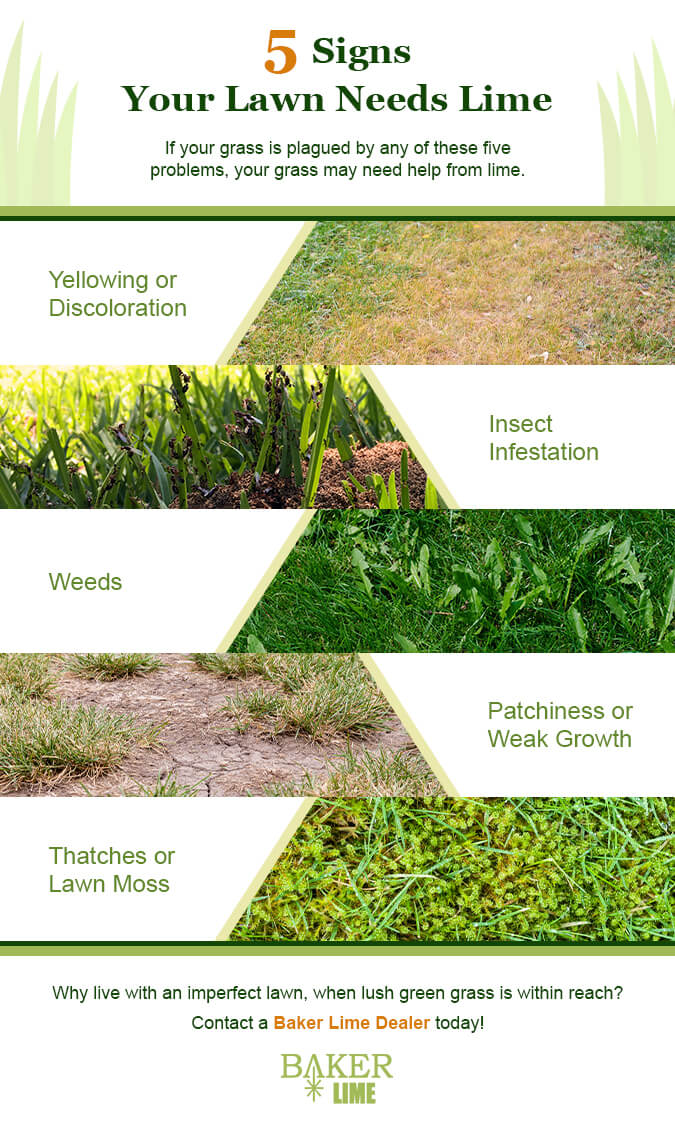
Image Source: www.bakerlime.com
Deciphering Soil Acidity: The pH Scale Explained
Soil pH is a measurement of how acidic or alkaline your soil is. It’s measured on a scale of 0 to 14.
- pH 7.0 is neutral.
- Below 7.0 is acidic.
- Above 7.0 is alkaline.
Most turfgrasses prefer a slightly acidic to neutral soil pH, typically between 6.0 and 7.0. When soil becomes too acidic (low pH), it can lock up essential nutrients like nitrogen, phosphorus, and potassium, making them unavailable to your grass. This leads to poor growth, thin turf, and increased susceptibility to diseases and pests.
Why Does Soil Acidity Develop?
Several factors can contribute to soil acidity:
- Rainfall: Heavy rainfall leaches alkaline minerals from the soil, making it more acidic over time.
- Fertilizer Use: Certain nitrogen fertilizers, especially ammonium sulfate, can increase soil acidity.
- Organic Matter Decomposition: As organic matter breaks down, it can release organic acids.
- Certain Soil Types: Some soils naturally have a lower pH.
- Coniferous Trees: The needles from pine and fir trees can make the soil around them more acidic.
Spotting the Signs: Is Your Lawn Too Acidic?
Recognizing the visual cues of acidic soil is the first step in determining if your lawn needs lime. These signs often mimic other lawn problems, making accurate diagnosis crucial.
1. Poor Grass Health and Slow Growth
When soil pH is too low, nutrient uptake is hindered. This means even if you’re applying a good lawn fertilizer, your grass can’t effectively use the nutrients.
- Stunted Growth: Your grass may grow much slower than usual, even in ideal growing conditions.
- Thinning Turf: Areas of your lawn might appear thin or sparse.
- Yellowing Grass (Chlorosis): A common sign of nutrient deficiency, often related to iron or magnesium availability, which are impacted by low pH.
2. The Unwelcome Appearance of Moss on Lawn
Moss thrives in acidic, compacted, and poorly drained soil conditions. While moss can grow in any lawn, its aggressive spread is often a strong indicator of low soil pH.
- Green Carpets: Moss can form a thick, green, velvety carpet in shady or damp areas of your lawn.
- Outcompeting Grass: It often takes over where grass is weak, further signaling an underlying soil problem.
3. Persistent Brown Patches Lawn
While brown patches can be caused by drought, disease, or pet urine, persistent, widespread brown patches that don’t respond to watering or fertilization can be a symptom of severe nutrient deficiencies caused by acidic soil.
- Uneven Discoloration: Patches of brown or straw-colored grass might appear randomly across the lawn.
- Lack of Recovery: These patches fail to green up even with improved care.
4. Presence of Certain Weeds
Some weeds are indicators of acidic soil conditions. While not all weeds signal a pH problem, a dominance of certain types can be a clue.
- Sheep Sorrel: This weed prefers acidic soils.
- Dandelions and Clover: While adaptable, they often do well in slightly acidic soils and can be indicators that the soil is leaning that way.
5. Poor Fertilizer Response
If you’re religiously applying lawn fertilizer according to recommendations but aren’t seeing the expected green-up or growth, the soil pH might be preventing nutrient absorption.
- Lack of Vigor: The grass doesn’t show the expected boost in growth or color after fertilization.
The Definitive Answer: Soil pH Testing
The most reliable way to know if your lawn needs lime is to conduct a soil pH test. This eliminates guesswork and ensures you’re addressing the actual issue.
Methods for Soil pH Testing
There are several ways to test your soil pH:
DIY Test Kits:
- Electronic pH Meters: These probes are inserted directly into the soil. They provide a quick digital reading. Accuracy can vary depending on the quality of the meter.
- Chemical Test Kits: These kits typically involve mixing a soil sample with distilled water and a chemical indicator solution. The color change indicates the pH level. They are generally affordable and easy to use.
- pH Strips: Similar to chemical kits, these involve mixing soil with distilled water and dipping a pH strip into the solution. The color of the strip is then compared to a chart.
Professional Soil Testing:
- Local Extension Office: Many university agricultural extension offices offer free or low-cost soil testing services. You collect a soil sample according to their instructions and mail it in. They provide a detailed report on your soil’s pH, nutrient levels, and recommendations for amendments. This is often the most accurate and informative method.
How to Collect a Soil Sample for Testing
Proper sample collection is crucial for accurate results:
- Gather Tools: You’ll need a clean trowel or soil probe, a clean bucket, and a clean plastic bag or container for the sample.
- Sample Multiple Areas: Take samples from at least 5-10 different spots across your lawn. Avoid areas that are unusually wet, dry, or have recently been treated with fertilizer or lime.
- Collect at the Right Depth: For lawns, aim for a depth of 3-4 inches, which is where grass roots primarily grow.
- Avoid Contamination: Make sure your tools and containers are clean.
- Mix Thoroughly: Combine all the individual samples in your bucket and mix them thoroughly to create a representative sample of your entire lawn.
- Prepare for Testing: Follow the specific instructions provided by your chosen testing method (DIY kit or extension office). For professional testing, you’ll typically fill out a form and submit a portion of your mixed sample.
The Solution: Lime Application for Your Lawn
Once you’ve confirmed your soil is too acidic through soil pH testing, applying lime is the solution. Lime application involves spreading the correct type and amount of lime onto your lawn.
Types of Lime for Lawns
There are a few common types of lime used for soil amendments:
- Pulverized (Ground) Limestone: This is the most common type. It’s made from finely ground limestone and works relatively quickly.
- Granular Limestone: This is pulverized limestone that has been processed into granules. It’s easier to spread evenly and tends to be less dusty. It works at a similar rate to pulverized limestone.
- Hydrated Lime (Quicklime): This is highly reactive and can burn grass if not applied carefully and in the correct amounts. It’s generally not recommended for home lawn use due to the risk of damaging your turf. Stick to ground or granular limestone.
- Dolomitic Lime: This type of lime contains both calcium and magnesium carbonates. If your soil test indicates a deficiency in magnesium, dolomitic lime is an excellent choice.
How Much Lime to Apply?
The amount of lime needed depends on several factors:
- Current Soil pH: The lower the pH, the more lime you’ll need to raise it.
- Target pH: You’ll aim to raise the pH to the optimal range for your grass (usually 6.0-7.0).
- Soil Type: Clay soils require more lime to change their pH than sandy soils.
- Type of Lime: Different types of lime have varying rates of effectiveness.
Your soil test results will typically provide a specific lime recommendation. If you’re not using a test, a general guideline is to apply 50-100 pounds of ground limestone per 1,000 square feet to raise the pH by about 0.5. It is crucial not to over-apply lime, as raising the pH too high can also cause nutrient lockout. It’s better to make several lighter applications over time than one heavy application.
When to Apply Lime
The best time to apply lime for optimal results is typically in the fall or early spring.
- Fall Application: This allows the lime to begin breaking down and reacting with the soil over the winter, making it beneficial for the following growing season.
- Spring Application: Applying lime in early spring before new growth begins also works well.
Avoid applying lime during hot, dry weather or when the grass is actively growing and stressed.
How to Apply Lime
Proper application ensures the lime reaches the soil and is distributed evenly.
Using a Broadcast or Drop Spreader:
- Calibrate Your Spreader: Ensure your spreader is calibrated to dispense the correct amount of lime. Check the lime bag for recommended settings.
- Apply Evenly: Walk at a consistent pace, overlapping passes slightly to ensure even coverage. For broadcast spreaders, a circular or back-and-forth pattern can work well.
- Avoid Overlap: Overlapping can lead to an uneven distribution and potential “hot spots” where too much lime is applied.
After Application:
- Water the Lawn: Watering the lawn lightly after applying lime helps it to start dissolving and move into the soil. This also helps wash any lime dust off the grass blades, reducing the risk of burn.
- Avoid Spreading on Wet Grass: While you water after application, avoid applying lime to a lawn that is already wet, as it can cause clumping and uneven distribution.
Long-Term Lawn Care and Soil Amendments
Maintaining optimal soil pH is an ongoing process. Understanding your soil and applying the right soil amendments at the right time is key to a consistently healthy lawn.
Ongoing Soil pH Monitoring
- Regular Testing: Test your soil pH every 2-3 years to monitor changes and adjust your lime application schedule as needed.
- Observe Your Lawn: Continue to look for the signs of acidic soil discussed earlier.
When Not to Apply Lime
- High Soil pH: If your soil test shows a neutral or alkaline pH (above 7.0), do not apply lime.
- Specific Grass Types: Some grass species, like certain fescues, can tolerate slightly lower pH levels. Always confirm the ideal pH range for your specific grass type.
Complementary Lawn Care Practices
Lime application is just one part of a comprehensive lawn care guide. Combine it with these practices for the best results:
- Proper Mowing: Mow at the correct height for your grass type. Taller grass shades the soil, retaining moisture and suppressing weeds.
- Adequate Watering: Water deeply and less frequently to encourage deep root growth.
- Balanced Fertilization: Use a quality lawn fertilizer appropriate for the season and your grass’s needs.
- Aeration: If your soil is compacted, aeration can improve air, water, and nutrient penetration, which can indirectly help with nutrient uptake even in slightly acidic conditions.
- Overseeding: Fill in thin areas with new grass seed to create a denser, healthier lawn.
Frequently Asked Questions (FAQ)
Q1: Can I apply lime and fertilizer at the same time?
It’s generally best to avoid applying lime and most fertilizers simultaneously. Lime works best when it can interact directly with the soil. Applying them at the same time can hinder the effectiveness of both. Wait at least a few weeks between applying lime and your next lawn fertilizer application.
Q2: How long does it take for lime to work?
The speed at which lime affects soil pH depends on the type of lime, soil type, and moisture. Ground limestone typically starts to work within a few weeks, but it can take several months to a year for its full effect to be realized. Granular lime works similarly.
Q3: Will lime kill grass?
No, lime itself will not kill grass when applied correctly. However, applying too much lime (over-liming) can raise the soil pH too high, making it difficult for grass to absorb nutrients and leading to yellowing or browning. Always follow recommended application rates.
Q4: What is the best time of year to lime a lawn?
The best times are typically fall or early spring. Fall is often ideal as it allows the lime to work into the soil over winter. Early spring applications are also beneficial before the active growing season begins.
Q5: My soil test says my pH is good, but I still have moss. What should I do?
If your soil pH is in the optimal range (6.0-7.0) and you still have moss, the issue might be related to other factors like poor drainage, compaction, or excessive shade. Improving these conditions through aeration, adjusting watering practices, or trimming trees can help.
Q6: What if my soil test shows my pH is too high (alkaline)?
If your soil is alkaline, you should not apply lime. Instead, you might consider applying acidifying amendments like elemental sulfur or peat moss, following specific recommendations based on your soil test results.
By paying attention to these signs and conducting regular soil pH testing, you can effectively diagnose and treat soil acidity, leading to a greener, healthier, and more resilient lawn. Remember, consistent and informed lawn care is the foundation of a beautiful yard.