
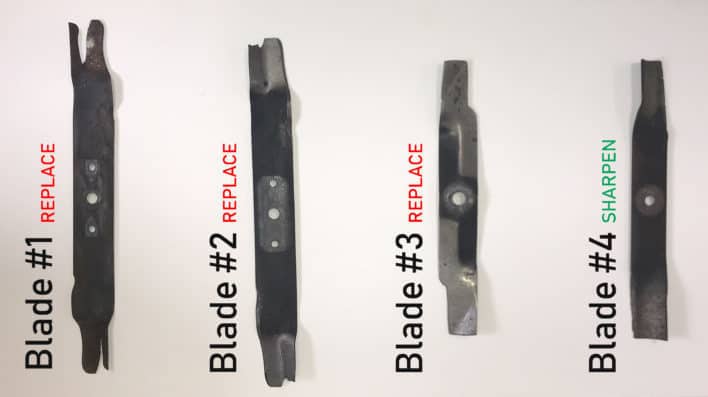
Image Source: minnesotaequipment.com
How Often To Change Lawn Mower Blades: A Guide
The most crucial aspect of lawn mower blade maintenance is how often to change them. While there’s no single, universally set answer, a good rule of thumb is to change your lawn mower blades every 25 to 50 hours of use or at least once a year. However, this is a broad guideline. Many factors influence this frequency, and understanding them is key to a healthy, well-manicured lawn. This guide will delve deep into the intricacies of lawn mower blade replacement and care, ensuring your mower performs at its peak.
Why Sharp Blades Matter: Benefits of Sharp Lawn Mower Blades
Before we discuss frequency, let’s establish why sharp blades are so important. Dull mower blades don’t just make your job harder; they actively harm your lawn.
- Clean Cuts, Healthy Grass: Sharp blades make a clean slice through grass blades. This allows the grass to heal quickly, reducing stress and the risk of disease.
- Prevents Tearing: Dull blades tear the grass. This jagged edge is an open invitation for pests and diseases, leading to brown tips and a generally unhealthy appearance.
- Improved Lawn Appearance: A clean cut results in a neat, uniform lawn. Torn grass looks ragged and unkempt, detracting from your yard’s curb appeal.
- Reduced Mower Strain: Dull blades require more power from your mower’s engine. This can lead to increased fuel consumption, overheating, and premature wear on the engine and drivetrain.
- Better Mulching: Sharp blades are more efficient at mulching grass clippings. This returns valuable nutrients to your soil, acting as a natural fertilizer. Dull blades often leave clumps of grass that can smother your lawn.
- Consistent Cutting Height: Sharp blades ensure an even cut, preventing scalping and “high” spots in your lawn.
Decoding Your Lawn Mower Blade Condition: Signs of Dull Mower Blades
How can you tell if your blades are losing their edge? Here are the tell-tale signs of dull mower blades:
- Ragged, Torn Grass Tips: This is the most obvious indicator. After mowing, examine the tops of the grass blades. If they look frayed, chewed, or brown, your blades are likely dull.
- Yellowing or Browning Lawn: A dull blade tears grass, causing stress. This stress manifests as a yellow or brownish tint to your lawn, particularly after mowing.
- Uneven Cutting: If your lawn looks patchy or has streaks of uncut grass, your blades may be dull or unevenly worn.
- Increased Mower Vibration: As blades become dull and unbalanced, they can cause your mower to vibrate excessively. This is not only annoying but can also be detrimental to the mower’s components.
- Grass Clogging: Dull blades struggle to cut cleanly, often pushing grass down rather than slicing it. This can lead to grass clippings building up and clogging the mower deck.
- More Effort to Push (for Push Mowers): If you find yourself pushing harder than usual with a walk-behind mower, it’s a strong sign your blades need attention.
Establishing Your Lawn Mower Blade Maintenance Schedule
A proactive lawn mower blade maintenance schedule is your best defense against a struggling mower and an unhealthy lawn. This schedule isn’t set in stone and should be adapted to your specific mowing habits and lawn conditions.
Key Considerations for Your Schedule:
- Mowing Frequency: How often do you mow? A lawn that’s mowed weekly will wear blades faster than one mowed bi-weekly.
- Grass Type: Some grasses are tougher than others. Tall fescue or buffalo grass can be more abrasive than finer grasses like ryegrass.
- Terrain: Mowing on sandy or rocky soil is like mowing through sandpaper. The grit and small stones will dull your blades much faster.
- Obstacles: Hitting rocks, roots, or other debris can instantly chip or bend your blades, requiring immediate inspection and potential replacement.
- Mower Type: Different mowers have different blade designs and materials, affecting their lawn mower blade lifespan.
How Often To Sharpen Mower Blades: Finding the Right Frequency
The question of how often to sharpen mower blades is closely tied to the factors above.
- For the Average Homeowner: If you have a typical suburban lawn, mow regularly, and avoid major obstacles, sharpening your blades twice a season is a good starting point. This often translates to once in the spring after the initial growth spurt and again mid-summer.
- For Heavy Usage or Tough Conditions: If you mow a large property, have challenging terrain, or mow frequently, you might need to sharpen every 20-30 hours of use. This could mean sharpening 3-4 times a year.
- Commercial Landscapers: Professionals who are mowing multiple acres daily will have a much shorter sharpening interval, often daily or every few days, depending on their equipment and job sites.
Important Note: Sharpening is about restoring the cutting edge. Replacing is about when the blade itself is worn beyond the point of effective sharpening.
When to Replace Lawn Mower Blades: Beyond Sharpening
There comes a point where even the best sharpening can’t revive a blade. Here’s when to replace lawn mower blades:
- Excessive Wear: Over time, repeated sharpening grinds away the metal. If the blade’s cutting edge is becoming noticeably thinner or if the blade itself has a significantly reduced profile, it’s time for a new one.
- Significant Damage: Blades that have been bent, cracked, or have large chunks missing due to impact with hard objects (rocks, roots, metal) should be replaced immediately. These are safety hazards and will cause severe damage to your lawn.
- Loss of Metal at Mounting Hole: If the area around the blade bolt hole is excessively worn or enlarged, it can lead to improper mounting and imbalance.
- Compromised Blade Balance: Even after sharpening, if you can’t achieve proper balance (more on this later), replacement is the safer option.
- The 1/3 Rule: A general guideline is that if you have ground away more than one-third of the blade’s original thickness through sharpening, it’s time to replace it.
The frequency of lawn mower blade replacement will vary greatly. For residential use, a set of good quality blades might last 2-3 years if properly maintained and sharpened. However, in harsh conditions or with very heavy use, you might need to replace them annually.
How Often To Change Lawn Mower Blades: A Practical Approach
Let’s get down to the brass tacks of how often to change lawn mower blades. It’s a combination of scheduled maintenance and keen observation.
Recommended Lawn Mower Blade Sharpening Frequency and Replacement Intervals:
| Usage/Condition | Sharpening Frequency | Replacement Frequency (Approx.) |
|---|---|---|
| Average Homeowner: | Every 25-50 hours of use, OR Twice a year (Spring & Mid-summer) | Every 2-3 years (if maintained) |
| Heavy Homeowner Use: | Every 20-30 hours of use | Every 1-2 years |
| Tough Terrain/Abrasive Soil: | Every 15-25 hours of use | Every 1-2 years |
| Commercial Landscapers: | Daily or every few days | Varies greatly by usage, potentially annually or more |
| After Significant Impact: | Inspect and sharpen/replace immediately | Immediate replacement if damaged |
Maintaining Your Blades: Sharpening and Balancing
Lawn mower blade sharpening frequency is only half the battle. Proper sharpening and balancing are crucial for optimal performance and safety.
How to Sharpen Mower Blades:
- Safety First: Always disconnect the spark plug wire to prevent accidental starting. Wear heavy gloves and safety glasses.
- Remove the Blade: Use a socket wrench to loosen and remove the blade mounting bolt. Note the orientation of the blade.
- Clean the Blade: Remove excess dirt and debris with a wire brush.
- Sharpening Tools: You can use a bench grinder, a file, or a blade sharpening attachment for a drill.
- The Sharpening Process:
- Place the blade securely in a vise.
- Using your chosen tool, sharpen the blade at the original bevel angle (usually 30-45 degrees).
- Work from the center towards the outer edge.
- Sharpen only the cutting edge, about 1-2 inches back from the tip.
- Aim for a smooth, consistent edge. Avoid overheating the metal, as this can weaken it.
- Check for Sharpness: The blade should be sharp enough to shave hair off your arm (carefully!). A dull blade will feel smooth; a sharp one will have a discernible edge.
Balancing Mower Blades:
An unbalanced blade is a major problem. It can cause:
- Excessive vibration, leading to wear on bearings and engine mounts.
- Uneven cutting.
- The blade to work itself loose, which is a serious safety risk.
How to Balance:
- Blade Balancer: Invest in a simple blade balancer tool (available at most hardware stores).
- Test Balance: Place the balancer on the center hole of the blade.
- Identify Heavy Side: If one side of the blade consistently dips lower, it’s the heavier side.
- Remove Metal: Lightly grind away a small amount of metal from the back (non-cutting edge) of the heavy side.
- Re-test: Continue testing and removing small amounts of metal until the blade remains balanced on the balancer.
Remember: When you sharpen, you remove metal. This naturally unbalances the blade, making balancing a critical step after sharpening.
Assessing Lawn Mower Blade Lifespan: What to Expect
The lawn mower blade lifespan is not a fixed number. It’s a dynamic characteristic influenced by numerous factors:
- Blade Material and Quality: Higher quality steel alloys and heat treatments contribute to longer-lasting sharpness and durability.
- Usage Hours: The more you mow, the faster the blade wears.
- Cutting Conditions: As discussed, abrasive materials and frequent impacts shorten lifespan.
- Maintenance Habits: Regular sharpening and proper balancing extend the functional life of a blade by ensuring it’s always cutting efficiently.
- Environmental Factors: Storing your mower properly, keeping it clean, and protecting it from moisture can prevent rust and corrosion, which can degrade blade material over time.
For a typical homeowner using a residential mower, you can expect a quality blade to maintain its optimal lawn mower blade condition for several years if properly cared for and sharpened as needed. However, if you’re consistently hitting obstacles or mowing very abrasive grasses, you might find yourself needing replacements more frequently.
Putting It All Together: Your Comprehensive Lawn Mower Blade Care Plan
A well-maintained mower starts with its blades. Here’s a plan to ensure you’re always aware of your lawn mower blade condition and when it’s time for action.
- Pre-Mowing Inspection: Before each mow, do a quick visual check for obvious damage like bends or missing pieces.
- Post-Mowing Observation: After mowing, check your lawn for the signs of dull mower blades.
- Track Usage (Optional but Recommended): If you mow frequently or have a large property, consider keeping a simple log of mowing hours. This will help you adhere to your lawn mower blade sharpening frequency.
- Seasonal Checks: At the beginning and end of the mowing season, perform a more thorough inspection. Check for wear, damage, and overall lawn mower blade condition.
- Sharpening Schedule: Aim to sharpen your blades at least twice a year, more if you notice dullness or heavy usage.
- Replacement Readiness: Be prepared to replace blades if they show significant wear, damage, or cannot be balanced. Don’t hesitate to swap them out if you’re unsure about their condition; the benefits of sharp lawn mower blades are significant enough to warrant it.
- Cleanliness: Keep your mower deck clean. Caked-on grass and dirt can contribute to blade wear and imbalance.
Frequently Asked Questions (FAQ)
Q: How often do I really need to change my lawn mower blades?
A: For most homeowners, sharpening your blades twice a year is a good practice, and replacing them every 2-3 years if they are maintained. However, if you mow very often, have tough terrain, or notice signs of dullness, you may need to sharpen or replace them more frequently.
Q: What happens if I don’t sharpen my lawn mower blades?
A: Dull blades tear grass instead of cutting it, leading to a less healthy, discolored lawn, increased susceptibility to disease and pests, and put extra strain on your mower’s engine.
Q: Can I sharpen my lawn mower blades myself?
A: Yes, you can sharpen your lawn mower blades yourself using basic tools like a file, bench grinder, or drill attachment. Always prioritize safety by disconnecting the spark plug wire and wearing protective gear.
Q: How do I know if my lawn mower blades are dull?
A: Look for ragged, torn, or brown grass tips after mowing. Your lawn might also appear yellow or brown, and you may notice increased vibration from the mower.
Q: What is the average lawn mower blade lifespan?
A: The lifespan varies based on material quality, usage, and maintenance. Well-maintained blades can last 2-3 years for a typical homeowner, but this can be shorter with heavy use or harsh conditions.
Q: Is it better to sharpen or replace my lawn mower blades?
A: It’s better to sharpen your blades regularly to maintain their cutting edge. You should replace them when they are too worn to be sharpened effectively, are damaged, or cannot be properly balanced.
By following this comprehensive guide, you can ensure your lawn mower blades remain sharp and effective, leading to a healthier, more beautiful lawn and a longer lifespan for your equipment. Regular inspection and maintenance are key to achieving these benefits.