
So, how long should a lawn mower battery last? Generally, a good quality lawn mower battery should provide at least 30-60 minutes of runtime on a single charge for most electric models, and several years of typical use before needing replacement. However, the actual lawn mower battery life you experience can vary significantly based on several key elements. This in-depth guide will explore what influences how long your mower’s battery operates and what you can expect from its lifespan.
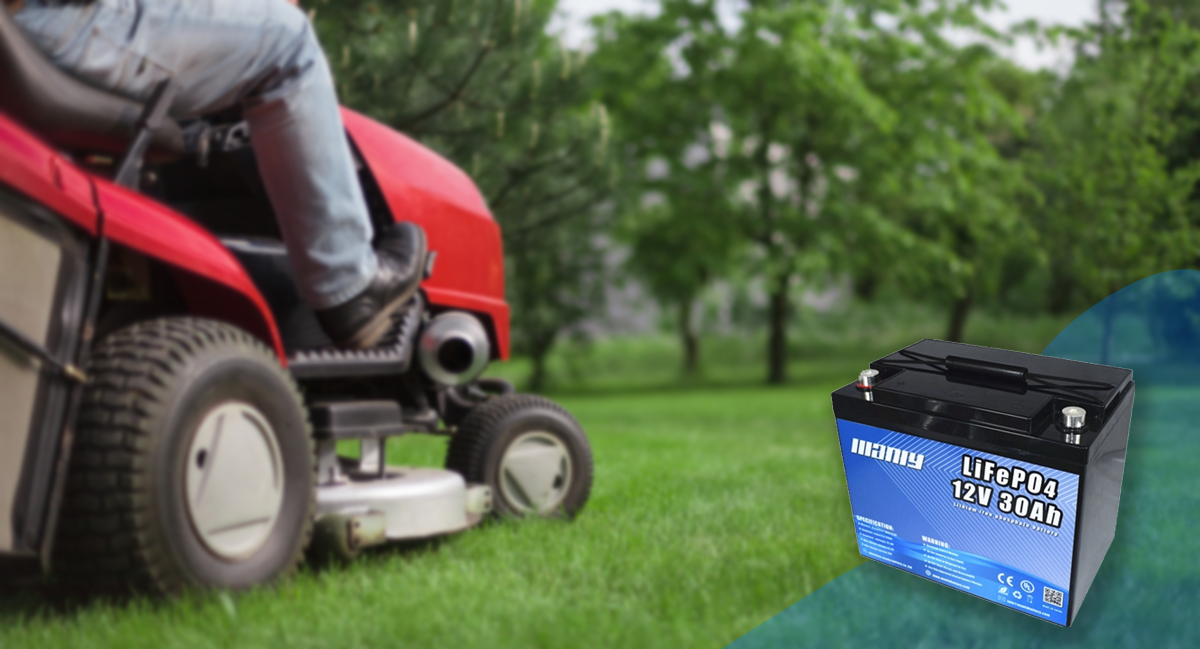
Image Source: manlybattery.com
Factors Affecting Mower Battery Life
Several elements play a crucial role in determining how long your mower’s battery will last. Fathoming these factors can help you maximize performance and anticipate when a replacement lawn mower battery might be needed.
Mower Battery Capacity
The mower battery capacity, typically measured in amp-hours (Ah) or watt-hours (Wh), is a primary indicator of how long the mower can run. Higher capacity means more stored energy, translating to longer runtimes.
- Amp-Hours (Ah): This measures how much current a battery can deliver over time. A 5.0Ah battery can deliver 5 amps for one hour, or 1 amp for five hours, and so on.
- Watt-Hours (Wh): This is a more direct measure of total energy. It’s calculated by multiplying voltage (V) by amp-hours (Ah). Wh = V × Ah. A higher Wh rating generally signifies a longer runtime.
When considering a new mower or a replacement battery, checking the capacity is vital. For example, a small suburban lawn might be fine with a lower capacity battery, while a larger, more challenging yard will benefit from a higher capacity unit.
Battery Type
The type of battery used in your lawn mower significantly impacts its performance and longevity. The most common types are:
- Lithium-Ion (Li-Ion): These are the modern standard for cordless mowers. They offer a good balance of power, light weight, and longer cordless mower battery life. They also tend to have a faster mower battery charge time.
- Sealed Lead-Acid (SLA): Older riding mowers and some push mowers might use SLA batteries. These are heavier, less powerful per unit of weight, and generally have a shorter riding mower battery duration. They also require more maintenance and have longer charge times.
Usage Patterns
How you use your lawn mower has a direct impact on how long the battery lasts between charges and its overall battery-powered mower lifespan.
- Grass Length and Density: Mowing long, thick, or wet grass requires more power, draining the battery faster. Mowing shorter, drier grass is less demanding.
- Terrain: Hilly or uneven terrain requires the mower to work harder, consuming more battery power. Flat, smooth lawns are less taxing.
- Cutting Height: Cutting grass very short or frequent mowing of overgrown grass demands more energy than maintaining a consistent, moderate height.
- Mowing Frequency: Regular mowing, when grass isn’t too long, is more efficient for battery life than letting it grow excessively between cuts.
Environmental Conditions
The environment in which you operate and store your mower can also affect battery performance.
- Temperature: Extreme temperatures, both hot and cold, can reduce battery efficiency and lifespan. Batteries perform best at moderate temperatures. Storing your mower in a cool, dry place when not in use is ideal.
- Humidity: While less impactful than temperature, very high humidity can, in some cases, affect battery components over long periods.
Battery Age and Health
Like all rechargeable batteries, mower batteries degrade over time. As a battery ages, its capacity diminishes, leading to shorter runtimes. This is a natural part of the lawn mower battery life cycle.
- Charge Cycles: Each time you charge and discharge a battery, it counts as a charge cycle. Batteries have a finite number of charge cycles they can endure before their capacity significantly drops.
- Storage Habits: Leaving a battery fully discharged for extended periods can damage it. Similarly, storing a battery in extreme heat or cold can shorten its lifespan.
Electric Lawn Mower Battery Runtime
The electric lawn mower battery runtime is what most users are concerned about. It’s the duration you can actively mow before needing to recharge or swap batteries.
Typical Runtimes for Cordless Mowers
For modern lithium-ion cordless mowers, you can typically expect:
- Push Mowers: 30-60 minutes of runtime. This is usually sufficient for small to medium-sized yards (up to 1/4 acre).
- Self-Propelled Push Mowers: 25-50 minutes. The self-propel feature adds to the power draw, slightly reducing runtime compared to non-self-propelled models of similar battery capacity.
- Riding Mowers (Electric): 45-90 minutes or more. Electric riding mowers, especially those with larger battery packs, can handle larger areas, often up to 1/2 acre or more on a single charge.
Important Note: These are estimates. A higher mower battery capacity will always translate to longer runtimes. Some high-end cordless mowers can achieve over an hour of runtime, especially when used efficiently.
Factors Directly Impacting Runtime
When you’re out mowing, several immediate factors influence how quickly the battery drains:
- Mowing Speed: Faster mowing generally means the motor works harder.
- Cutting Pass: Overlapping significantly or making very aggressive cuts will consume more power.
- Blade Sharpness: Dull blades require more force to cut grass, leading to increased battery drain.
- Debris: Mowing over twigs, leaves, or other debris can strain the motor and battery.
Riding Mower Battery Duration
When we talk about riding mower battery duration, we’re primarily referring to the starting battery that powers the engine ignition and the mower’s accessories (lights, blades, self-propel).
Starting Batteries
- Lifespan: A typical riding mower starting battery (usually a 12V lead-acid battery) can last 3 to 5 years with proper maintenance.
- Performance: Their main job is to provide a strong burst of power to start the engine. Once running, the alternator or stator takes over powering the mower’s systems.
- Factors Affecting Lifespan:
- Regular Charging: Allowing the battery to fully discharge frequently will shorten its life.
- Terminal Cleaning: Corroded terminals can impede charging and starting.
- Extreme Temperatures: Heat, in particular, can degrade battery components.
- Vibration: Excessive vibration can damage internal battery components.
Electric Riding Mowers
Electric riding mowers, as mentioned earlier, use larger battery packs similar to those in cordless push mowers. Their riding mower battery duration is directly tied to the capacity of these packs and the efficiency of the mower. Expect runtimes similar to those listed for cordless push mowers, but scaled up for the larger cutting decks and more powerful motors.
Cordless Mower Battery Life Considerations
For those who own or are considering a battery-powered mower, the cordless mower battery life is a critical aspect. This encompasses both the runtime on a single charge and the overall battery-powered mower lifespan.
Maximizing Cordless Mower Battery Life
To get the most out of your cordless mower’s battery:
- Charge After Use: Unless you’re storing the mower for a very long time, it’s generally best to charge the battery after each mowing session.
- Avoid Full Discharge: Try not to run the battery completely dead frequently. Most modern Li-Ion batteries have protection circuits, but consistently pushing them to their limit can still reduce their overall lifespan.
- Store Properly: Keep batteries in a cool, dry place away from direct sunlight and extreme temperatures. If storing for an extended period (months), charge it to about 50-70% capacity.
- Use the Correct Charger: Always use the charger specifically designed for your mower’s battery.
- Keep Battery Terminals Clean: For any battery type, clean terminals ensure efficient power transfer.
Battery-Powered Mower Lifespan
The battery-powered mower lifespan refers to how long the battery itself remains viable and holds a significant charge.
- Lithium-Ion Batteries: Typically, a high-quality Li-Ion battery can last 3 to 5 years, or 500 to 1000 charge cycles, before its capacity drops to a point where it’s no longer practical for mowing.
- Factors: Usage intensity, charging habits, and storage conditions heavily influence this.
Mower Battery Charge Time
The mower battery charge time is how long it takes to replenish a depleted battery. This can vary significantly.
Charging Times for Lithium-Ion Batteries
- Standard Chargers: Many cordless mowers come with standard chargers that can take 1 to 3 hours to fully charge a battery.
- Fast Chargers: Some manufacturers offer optional fast chargers that can significantly reduce charging time, sometimes getting a battery to 75% charge in under 30 minutes. This is ideal for users who have large yards and might need to swap batteries mid-mow.
- Battery Capacity: Larger capacity batteries (higher Ah or Wh) will naturally take longer to charge than smaller ones.
Factors Affecting Charge Time
- Charger Output: Higher wattage chargers will charge batteries faster.
- Battery Temperature: A very hot or very cold battery may charge slower to protect itself.
- Battery State of Charge: Charging is usually fastest when the battery is partially depleted and slows down as it approaches full charge.
Replacement Lawn Mower Battery
When your current battery can no longer provide adequate lawn mower battery life, it’s time for a replacement lawn mower battery.
When to Consider Replacement
- Significantly Reduced Runtime: If your mower only runs for half as long as it used to, even after a full charge.
- Slow Performance: If the mower struggles to cut grass it used to handle easily.
- Failure to Hold a Charge: If the battery dies very quickly after being unplugged from the charger.
- Physical Damage: Cracks, swelling, or leaks in the battery casing.
Choosing a Replacement
- OEM vs. Aftermarket: Original Equipment Manufacturer (OEM) batteries are designed specifically for your mower model and ensure optimal compatibility and performance. Aftermarket batteries can be a more budget-friendly option, but it’s crucial to choose reputable brands and verify compatibility (voltage, capacity, and physical fit).
- Compatibility: Always check the voltage and connector type to ensure the replacement battery will work with your mower.
- Capacity: You can often opt for a replacement battery with a higher capacity (Ah or Wh) than your original if it’s compatible. This will increase your lawn mower battery life per charge.
- Warranty: Look for batteries that come with a reasonable warranty.
Achieving the Best Lawn Mower Battery Life
To ensure you’re getting the best lawn mower battery life from your equipment, consider these overarching strategies:
- Select Wisely: When buying a new mower, research models with battery capacities that match your yard size and needs. Don’t underestimate the importance of battery specifications.
- Maintain: Keep your mower and its battery clean and in good repair. Sharp blades, clean filters, and properly functioning components all contribute to efficient battery use.
- Charge Smart: Follow the manufacturer’s charging recommendations. Avoid extreme temperatures during charging and storage.
- Mow Effectively: Adapt your mowing habits to battery power. Mow when grass is dry, avoid excessively long grass, and consider mowing more frequently to keep grass manageable.
- Care for the Battery: Treat the battery as a sensitive component. Protect it from physical damage and improper storage conditions.
Battery Life Comparison Table
Here’s a general comparison of battery expectations, though specific models will vary:
| Mower Type | Typical Battery Type | Expected Runtime (per charge) | Typical Lifespan (Years) | Common Capacity Range |
|---|---|---|---|---|
| Cordless Push Mower | Lithium-Ion | 30-60 minutes | 3-5 | 4.0Ah – 8.0Ah |
| Cordless Self-Propelled | Lithium-Ion | 25-50 minutes | 3-5 | 4.0Ah – 8.0Ah |
| Electric Riding Mower | Lithium-Ion | 45-90 minutes | 3-5 | 10Ah – 30Ah+ |
| Gas Mower (Starting) | Sealed Lead-Acid | N/A (starts engine) | 3-5 | N/A (CCA rating) |
CCA = Cold Cranking Amps, relevant for starting batteries.
Frequently Asked Questions (FAQ)
How often should I charge my electric lawn mower battery?
It’s generally recommended to charge your electric lawn mower battery after each use, or at least when the charge level drops below 20%. Avoid leaving it fully discharged for long periods.
Can I use a higher capacity battery than the one that came with my mower?
Yes, in most cases, you can use a replacement battery with a higher amp-hour (Ah) or watt-hour (Wh) rating, as long as it has the same voltage and physical dimensions, and uses the correct connector. A higher capacity battery will provide longer lawn mower battery life per charge.
How do I store my lawn mower battery during the winter?
Store the battery in a cool, dry place, ideally between 40°F and 70°F (4°C and 21°C). Charge it to about 50-70% before storage. Avoid storing it in extreme temperatures (hot or cold) or in a completely discharged state.
Is it worth buying an extra battery for my cordless mower?
If you have a large yard or prefer not to interrupt your mowing to charge, having a second battery is highly beneficial. This allows you to swap out a depleted battery for a fully charged one and continue mowing without delay.
What does “cycle life” mean for a lawn mower battery?
Cycle life refers to the number of times a rechargeable battery can be charged and discharged before its capacity significantly degrades. For Li-Ion mower batteries, this is typically between 500 and 1000 cycles.
Why does my electric mower’s runtime seem shorter than advertised?
Advertised runtimes are usually based on ideal conditions: dry, short grass, flat terrain, and moderate temperatures. If your actual mowing conditions are more demanding (long, thick grass, hills, wet conditions), your electric lawn mower battery runtime will be shorter.
Can extreme heat damage my lawn mower battery?
Yes, extreme heat is detrimental to all types of rechargeable batteries, including those in lawn mowers. High temperatures accelerate the chemical reactions within the battery, leading to faster degradation and a shortened battery-powered mower lifespan. Always store your mower and batteries in a cool place.